Ryogoku is where Tokyo’s sumo traditions meet the stories of old Edo. On this three-hour walk, you visit the Sumo Museum, pass historic sites including Ekoin Temple and Lord Kira’s residence, and finish on a street known for sumo hotpot.
I like two things about the plan: the mix of sumo and Edo history gives the neighborhood more depth than a sports-focused visit, and the relaxed walk makes room for questions and small details. It also ends with a practical treat: time to choose your own meal on Ryogoku’s food street.
One consideration: food and drinks cost extra, and the lunchtime finish can mean crowds. The tour also involves a fair amount of walking, so comfortable shoes matter.
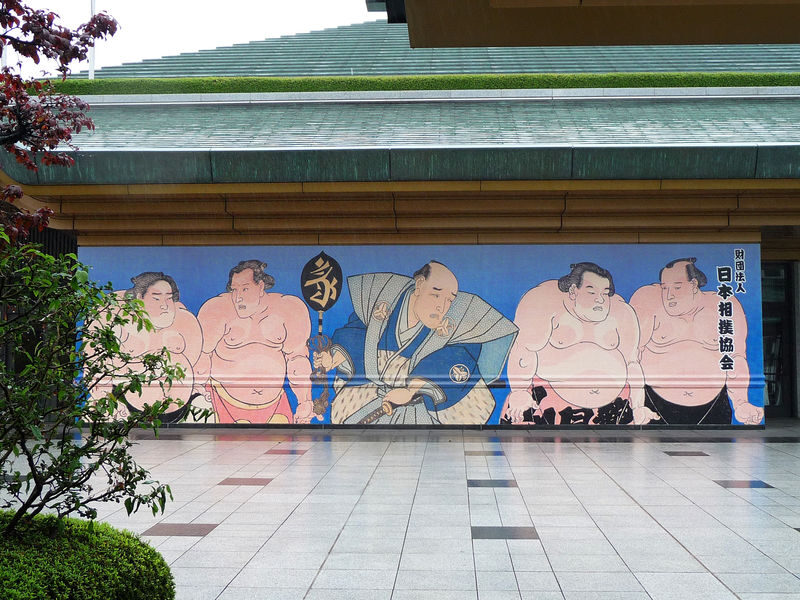
- Sumo Museum: Spend about 40 minutes with exhibits on the sport’s history and art.
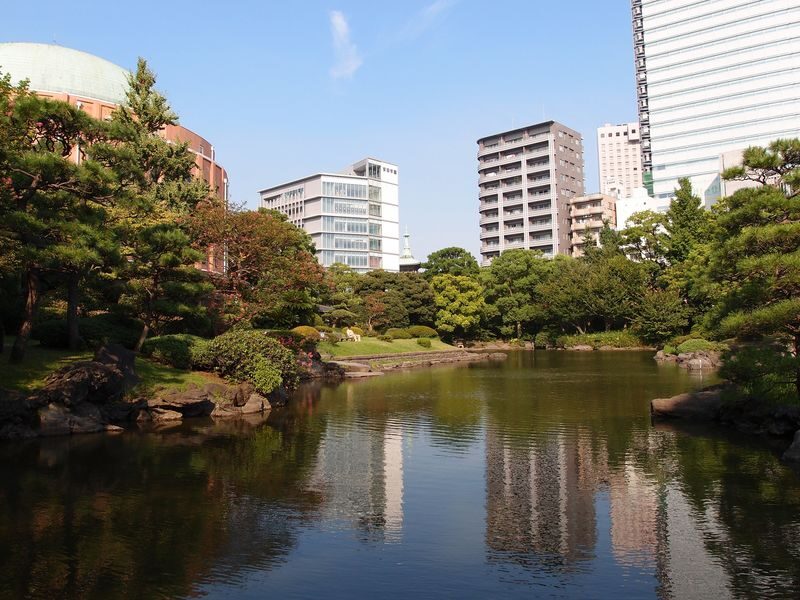
- Former Yasuda Garden: Pause for a guided 20-minute walk through a calm pocket of the city.
- Edo-era Ryogoku: Visit heritage sites such as Lord Kira’s residence and Ekoin Temple.
- Fireworks history: The route includes the Ryogoku Fireworks Museum.
- Food street finish: Use the final stop to choose chanko nabe or another local bite, at your own cost.
- Three-hour format: Meet at JR Ryogoku Station’s West Exit and finish in Ryogoku around noon.
- Why Ryogoku makes a good history walk
- Starting at the Sumo Museum
- A quiet pause at Former Yasuda Garden
- Following Edo-era stories through Ryogoku
- Ending on Ryogoku’s food street
- Price, options, and what you get
- Who will enjoy this walk most
- Practical details before you go
- Should you book the Ryogoku walk?
- FAQ
- Where does the tour meet?
- What time does the tour depart?
- How long is the walking tour?
- What stops are included?
- Is food included in the price?
- What should I bring?
- Are children charged the same rate as adults?
- What is the cancellation policy?
- The Best Of Tokyo!
- More Walking Tours in Tokyo
- More Tours in Tokyo
- More Tour Reviews in Tokyo
Why Ryogoku makes a good history walk
 1 / 6
 2 / 6
 3 / 6
 4 / 6
 5 / 6
 6 / 6
Ryogoku has a strong identity that is easy to miss if you only pass through on the way to a sumo event. Sumo is central to the neighborhood, but it is not the whole story. The route links the sport to temples, Edo-era sites, a garden, and the district’s connection with fireworks and local food.
That combination suits you if you want context without spending an entire day in a museum. The guide supplies the thread between stops, explaining how the places fit into Tokyo’s past and what makes Ryogoku distinct. The two available tour comments describe the explanations as clear and engaging, with room for questions. One also describes the pace as easy, a useful sign if you prefer a walk that feels informative rather than like a history lecture on fast-forward.
The experience is best understood as a guided neighborhood walk, not a sumo match or a meal tour. You will hear about sumo and see its history represented in the museum, but the focus is broader: how Ryogoku’s past remains visible in the district today.

👉 See our pick of the Our Picks For The 11 Best Workshops & Classes In Tokyo
Starting at the Sumo Museum
The meeting point is the West Exit of JR Ryogoku Station. The guide will wear a TripGuru shirt or carry a TripGuru sign, and you should arrive 10 minutes before the departure time. The listed small-group departure is at 9:00 a.m., with the walk expected to finish around noon. Your confirmed time depends on the option you book.
The Sumo Museum is the first major stop, with about 40 minutes for a guided visit. Its exhibits introduce the sport through history and art, giving you more than names and rules. Sumo carries centuries of tradition, and seeing that history presented in a museum helps make sense of its place in the neighborhood.
This is a useful opening because it gives the rest of the walk a frame. As you move on to nearby landmarks, the guide can connect the district’s sumo identity with its older civic and religious history. If you already know the basics of the sport, the museum still gives you a starting point for asking questions about its traditions and local role.
The museum and some other sites can close for special occasions or maintenance. If that happens, substitutions may be made, so the precise sequence or content can change. The schedule may also shift with weather and other conditions.
You can also read our reviews of more walking tours in Tokyo


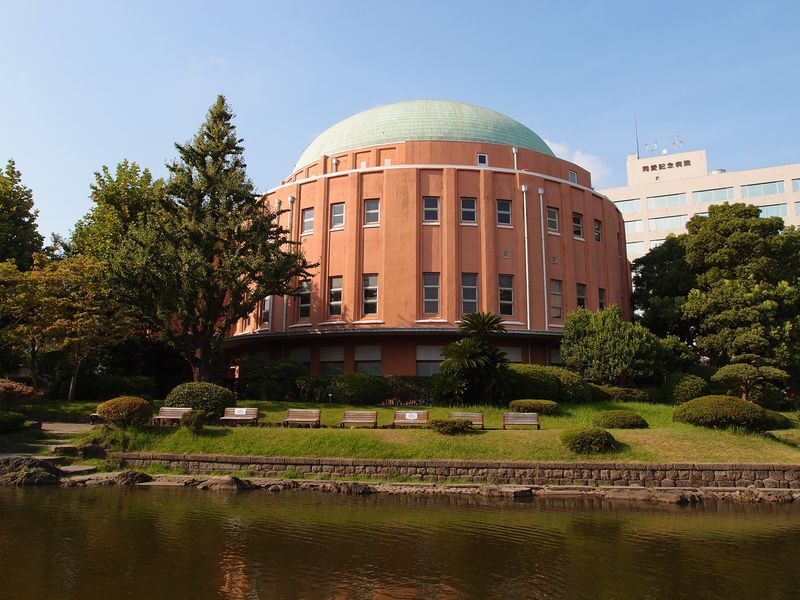
A quiet pause at Former Yasuda Garden
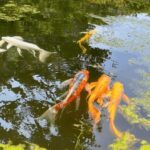
After the museum, the tour allows about 20 minutes at Former Yasuda Garden. That short stop offers a change of pace from the streets and gives you a chance to take in a more tranquil side of the area.
The garden is a good reminder that a historic neighborhood is not only its major monuments. A guided visit can help you notice how green space fits into the urban setting, while the pause gives your feet a brief break before the longer stretch of the walk. Twenty minutes is enough for a guided look, but not a long, unhurried garden visit. If you like lingering for photographs, be prepared to keep an eye on the group’s pace.
Bring a camera if you enjoy recording details, but do not plan on treating every stop as a long independent visit. This is a timed, guided route, and the point is to see several places in one morning.
Following Edo-era stories through Ryogoku
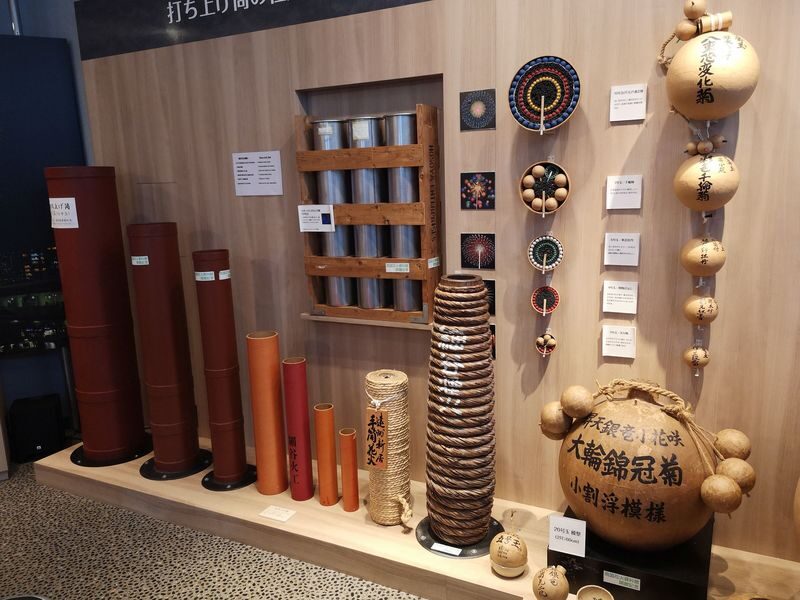
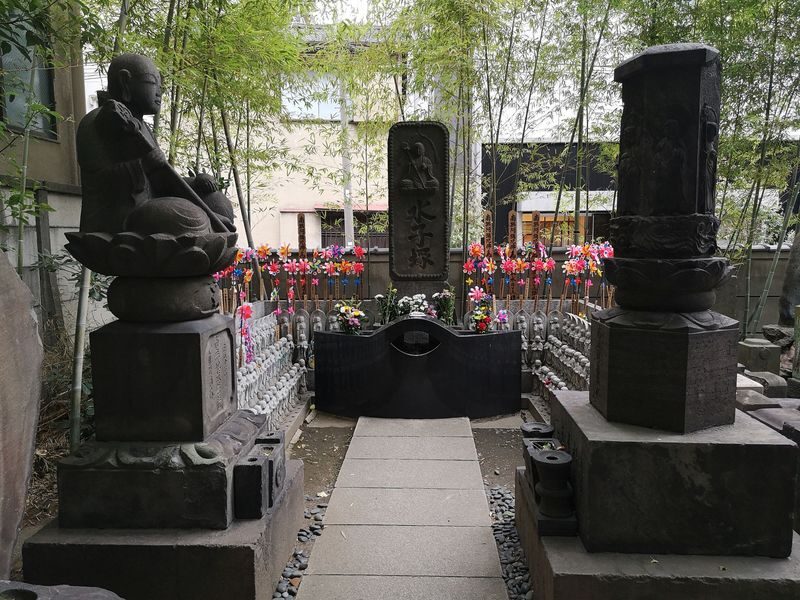
The central stretch takes about 1 hour and 20 minutes. It covers a cluster of historic sites and local landmarks, including Lord Kira’s residence, Ekoin Temple, and the Ryogoku Fireworks Museum. The route is meant to connect these places through stories of Edo, rather than leave you to interpret each stop on your own.
Lord Kira’s residence adds a personal and historical point to the walk, while Ekoin Temple brings a religious landmark into the picture. The Fireworks Museum offers another angle on the neighborhood’s past. Together, these stops make the walk more varied than a simple route between a station, a sumo museum, and a restaurant street.
The exact order and time at each site are not specified, and conditions can affect the schedule. Think of this part as a guided neighborhood circuit, with the guide’s explanations providing much of its value. The two available comments praise the clear storytelling and the guide’s willingness to answer questions. That is especially useful here: the sites are most rewarding when you understand why they matter, not just when you recognize their names.
The tour does not promise a sumo practice session, a match, or access to private training spaces. If seeing live sumo is your main goal, this walk is not a substitute. If you want to understand the district around the sport and place it in Tokyo’s older history, the wider route makes more sense.
Ending on Ryogoku’s food street
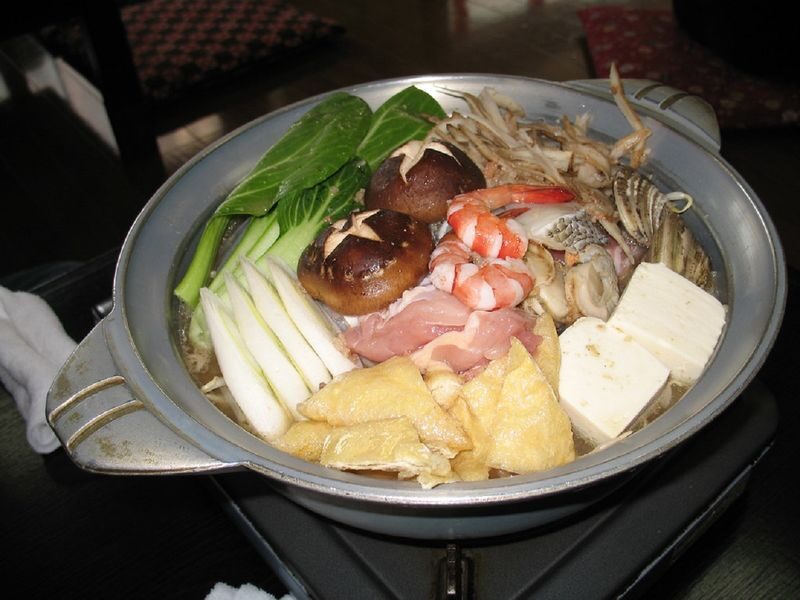
The walk ends on Ryogoku’s food street, where chanko nabe, or sumo hotpot, is a local specialty. Meals, tastings, and drinks are not part of the tour price, which gives you the freedom to decide whether to eat, browse, or simply end the walk there.
Chanko nabe is a fitting finish because it ties the neighborhood’s food culture to its sumo identity. You can use the guide’s local context to make your choice, then settle your own bill. Bring cash for food or souvenirs, as the tour information specifically recommends it for personal expenses.
The timing is worth considering. A 9:00 a.m. start leads to a finish around noon, and the food street can be crowded at lunchtime. That can add energy to the final stop, but it may not suit you if you want a quiet meal or dislike busy dining areas. You may also prefer to book your lunch plans separately rather than assume the tour includes a meal or reserved table.
Price, options, and what you get
The small-group tour starts at US$38.25 and includes an English-speaking guide. At that price, the value rests on having someone explain the connection between Ryogoku’s sites as you walk, rather than simply following a map. It is a reasonable way to add local context to a half-day in Tokyo, especially if you are interested in sumo, Edo history, or both.
A private English-language tour with a meeting point starts at US$178.39. That is a substantial increase, so it makes the most sense if a private format is important to you. The available information does not specify group size, so check the booking details if the number of participants is a deciding factor.
Hotel pickup and drop-off are not included. You meet at the station and make your way there independently. Food, beverages, and personal purchases are also extra. The tour description does not state whether museum admission is included, so confirm that detail before booking if you are working to a strict budget.
The operator, Trip Guru Limited (JP), has a 92 percent good-review rate across 1,120 provider reviews. That is broad provider-level information, not a rating for this particular walk. The tour itself has two ratings, both 5 out of 5. In the comments, the most praised features are the balance of history and an easy walk, explanations that make the Edo period feel approachable, and a guide who answers questions with patience. Those are encouraging signs, though two ratings are too few to promise every group will have the same experience.
You can also read our reviews of more tours and experiences in Tokyo


Who will enjoy this walk most
I would choose this tour if you want an accessible introduction to Ryogoku without needing to plan each historic stop yourself. It should suit first-time visitors who want to learn about sumo but are also curious about Tokyo’s earlier history, as well as returning visitors looking for a neighborhood-focused morning.
It is less suitable if you are seeking a live sporting event, a full meal included in the price, or a slow visit with long stretches at each site. The schedule covers several stops in three hours, so the guide-led pace is part of the deal.
The activity is not recommended for people with high blood pressure, heart disease, other serious medical conditions, pregnant women, or persons with disabilities. The tour is a walking activity, and comfortable shoes are recommended. Children aged 2 and older are charged the same rate as adults, so factor that into the cost if you are booking for a family.
Practical details before you go
Choose the departure time you select when booking and arrive 10 minutes early at JR Ryogoku Station’s West Exit. Late arrivals and no-shows are not refundable, so allow enough time to reach the station. The voucher is valid only for the date and time specified.
You receive confirmation within minutes. If it does not arrive, contact customer support. A full refund is available if you cancel at least 24 hours before the activity date, using destination local time.
Wear comfortable walking shoes and bring a camera if you like taking photos. Cash is useful for food and souvenirs, and remember that your meal on the food street is your own expense. Since special closures can affect the museum or other sites, keep an open mind about substitutions.
Should you book the Ryogoku walk?
Book it if you want a guided, three-hour introduction to the places behind Ryogoku’s sumo reputation. The strongest reason to go is the blend: a museum visit, quiet garden, Edo-era landmarks, and a food-street finish, all linked by an English-speaking guide. The comments on the tour also point to a relaxed pace and explanations that keep history approachable.
Skip it if your priority is watching sumo, eating a provided meal, or exploring every stop at your own speed. At $38.25 to start, the small-group option offers fair value for a guided morning, provided the route and pace match what you want. If those trade-offs work for you, Ryogoku is a rewarding place to spend a few hours.
Edo Tokyo Ryogoku Walking Tour (3 Hours)
“The Edo Tokyo Ryogoku Tour was honestly one of the coolest history walks I've done. Exploring Ryogoku while hearing stories about the Edo era and s…”
FAQ
Where does the tour meet?
Meet at the West Exit of JR Ryogoku Station. Look for a guide wearing a TripGuru shirt or holding a TripGuru sign.
What time does the tour depart?
The listed departure time is 9:00 a.m. Your confirmed time depends on the option selected at booking.
How long is the walking tour?
The tour lasts three hours. The planned return is around noon for the 9:00 a.m. departure.
What stops are included?
The route includes the Sumo Museum, Former Yasuda Garden, Lord Kira’s residence, Ekoin Temple, the Ryogoku Fireworks Museum, and Ryogoku’s food street. Sites may be substituted if closures or maintenance affect the visit.
Is food included in the price?
No. Food, tastings, and beverages on Ryogoku’s food street are not included. Chanko nabe and other local treats are available at your own expense.
What should I bring?
Wear comfortable walking shoes. A camera and cash for personal expenses, such as food or souvenirs, are also recommended.
Are children charged the same rate as adults?
Yes. Children aged 2 and older are charged the same rate as adults.
What is the cancellation policy?
You can receive a full refund if you cancel at least 24 hours before the activity date, using destination local time.