Mount Fuji is the star, but this day trip gives you more than a quick photo stop: you’ll visit Lake Kawaguchi, spring-fed Oshino Hakkai, a historic shrine and a retro Fujiyoshida street. It’s a handy way to see several sides of the Fuji area without arranging separate transport.
I like two things in particular: the small group, capped at nine, keeps the outing more personal than a large coach tour, and the route combines famous Fuji viewpoints with places that have their own local character. Guides such as Anna, Blair, Wennie and Yu Yang have led trips, with many praised for clear communication and practical help.
The trade-off is time. The day packs in many stops, and traffic can stretch the drive from Tokyo or shorten time on the ground. Fuji itself can hide behind clouds, so book for the places and the day out, not a guaranteed postcard view.
- The useful details at a glance
- A day trip built around Fuji views
- Oishi Park and the Kawaguchi lakeshore
- The Lawson stop: famous photo, ordinary convenience store
- Oshino Hakkai and its spring-fed ponds
- Arakurayama Sengen Park: the pagoda and the climb
- Fujiyoshida’s old street and Hikawa Clock Shop
- Yamanakako and the journey back
- What the price buys, and what it doesn’t
- Practical points before you book
- Should you book this Mount Fuji tour?
- FAQ
- How long is the tour?
- Where does the tour meet and return?
- How large is the small group?
- Is Mount Fuji guaranteed to be visible?
- Are food and drinks included?
- What languages does the guide service support?
- Can I cancel for a refund?
- The Best Of Tokyo!
- More Guided Tours in Tokyo
- More Tours in Tokyo
- More Tour Reviews in Tokyo
The useful details at a glance
 1 / 10
 2 / 10
 3 / 10
 4 / 10
 5 / 10
 6 / 10
 7 / 10
 8 / 10
 9 / 10
 10 / 10
- Small group, up to nine people: A more manageable size for meeting up, hearing reminders and keeping the day moving.
- Several Fuji-area stops in one outing: See Oishi Park, Oshino Hakkai, Arakurayama Sengen Park and Fujiyoshida, among other stops.
- A photo stop with a reality check: Lawson near Mount Fuji is a popular picture spot, but the mountain may not be visible.
- A full day, with a flexible finish: Departure is at 8:30, while the return to Shinjuku may fall between about 17:30 and 20:00 depending on traffic.
- Transport and guide service included: Meals, drinks and personal expenses are not included.
- From $50.19: The starting price is appealing for a day with transport between multiple destinations, but options with hotel pickup or a private vehicle are also available.

👉 See our pick of the Our Picks For The 11 Best Workshops & Classes In Tokyo
A day trip built around Fuji views
The tour leaves Tokyo at 8:30 and heads for the Mount Fuji and Lake Kawaguchi area. You meet at the stated Shinjuku Station location, then leave the driving to a professional driver while the guide coordinates the day. The group size is listed as one to nine, a useful middle ground: small enough to avoid the scale of a full coach, but still a shared outing with fixed timings.
The listed sightseeing time is divided among several stops, usually from around 10 to 60 minutes each. That gives you a taste of the region rather than a slow, in-depth visit. It also means you should be ready to rejoin the group promptly, especially at busy photo spots or when the roads are crowded.
The guide communicates in Chinese and has basic English communication. The level of commentary can vary with the individual guide. Some guides, including Anna, Blair and Wennie, have been praised for clear explanations, helpful reminders and taking care of the group. If detailed English-language history is essential to you, keep your expectations measured and consider asking the operator what language support is available for your date.
You can also read our reviews of more guided tours in Tokyo


Oishi Park and the Kawaguchi lakeshore
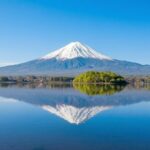
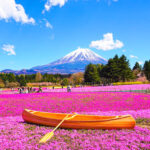
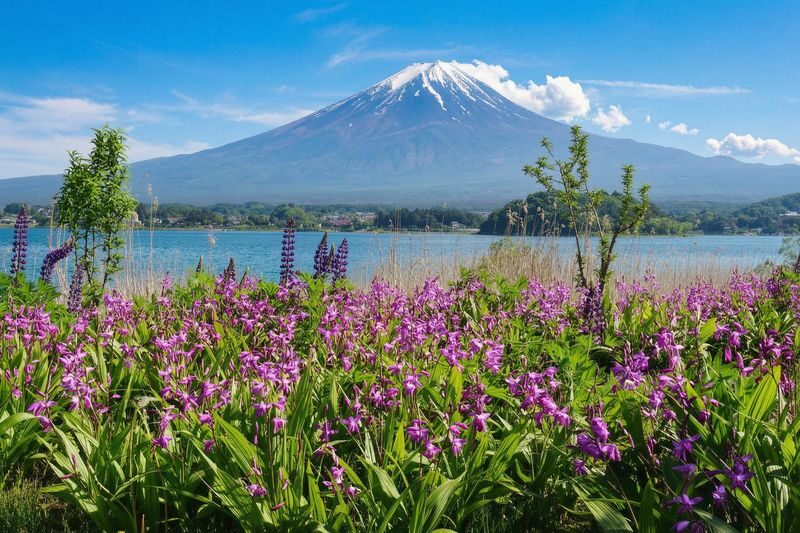
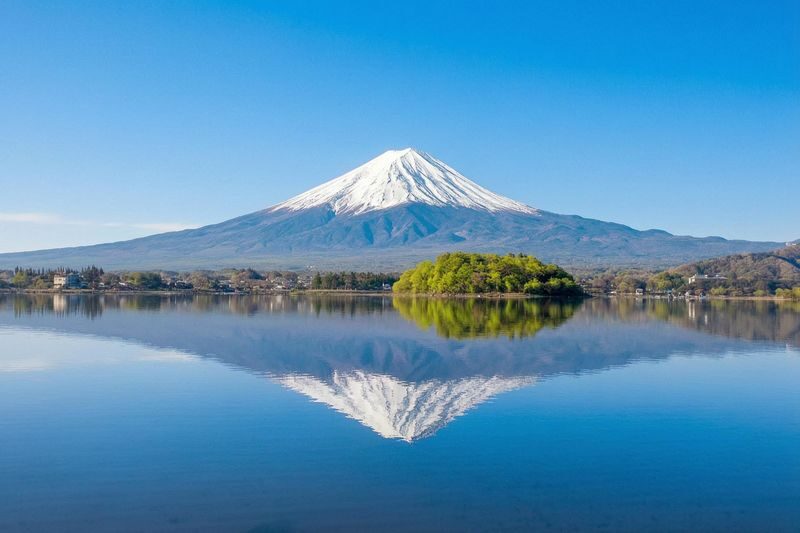
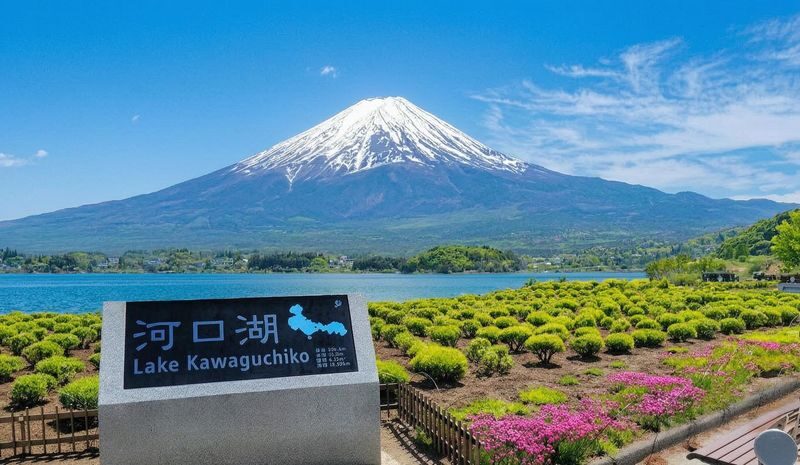
Oishi Park is a natural starting point for the scenery: it sits beside Lake Kawaguchi, with Mount Fuji often providing the grand backdrop. The park’s appeal changes with the calendar. Lavender blooms in early summer; cherry blossoms, autumn leaves, reeds and winter snow bring a different look at other times of year. None of these seasonal scenes is guaranteed on a particular date, and Fuji’s visibility is always weather-dependent.
You have about 30 minutes here, so think of it as a scenic pause, not a long lakeside walk. The Kawaguchiko Natural Living Center is nearby, and its second floor offers another angle for photographs, including a view where a red torii gate and Mount Fuji can appear in the same frame. It’s a useful alternative if you want a different composition from the usual shoreline shot.
The park is also a practical place to look for a snack. Grape ice cream has been recommended here, a local-flavored treat that fits the stop nicely. But with a short visit, choose your priorities: a quick look at the lake, a few photographs, a restroom break or something to eat. Doing all of them may take more time than you have.
The Lawson stop: famous photo, ordinary convenience store
The Lawson Fujikawaguchiko Town Hall stop is brief, about 10 minutes, and the attraction is the contrast: a familiar convenience-store sign with Mount Fuji behind it. It’s an easy way to get a distinctly modern Japan photo, though the spot can be busy and the view depends on clear skies.
Keep your expectations sensible. This is a quick photo stop, not a visit to a special attraction, and the group needs to move on. If Fuji is clouded over, you’ll still see the town and the store, but the picture that made the location famous may not come together. This is one reason I’d treat the day as a regional outing rather than a hunt for one perfect image.
Oshino Hakkai and its spring-fed ponds
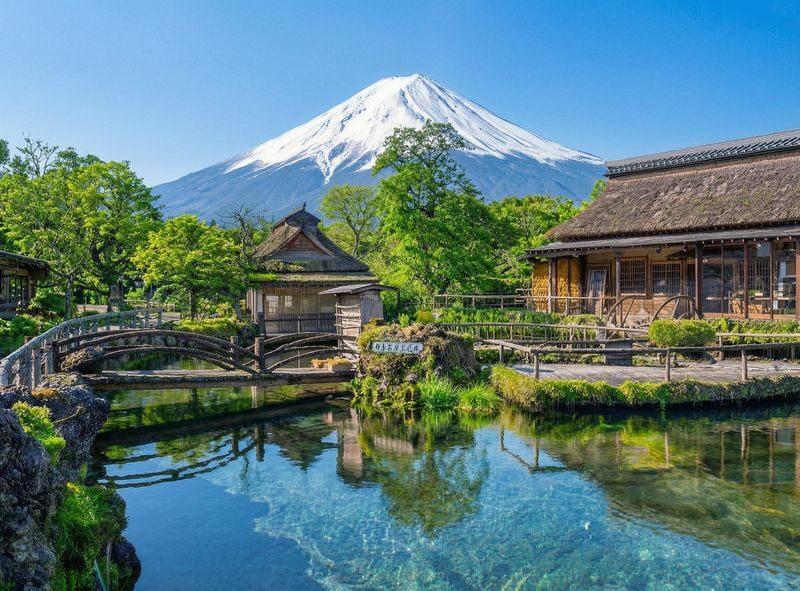
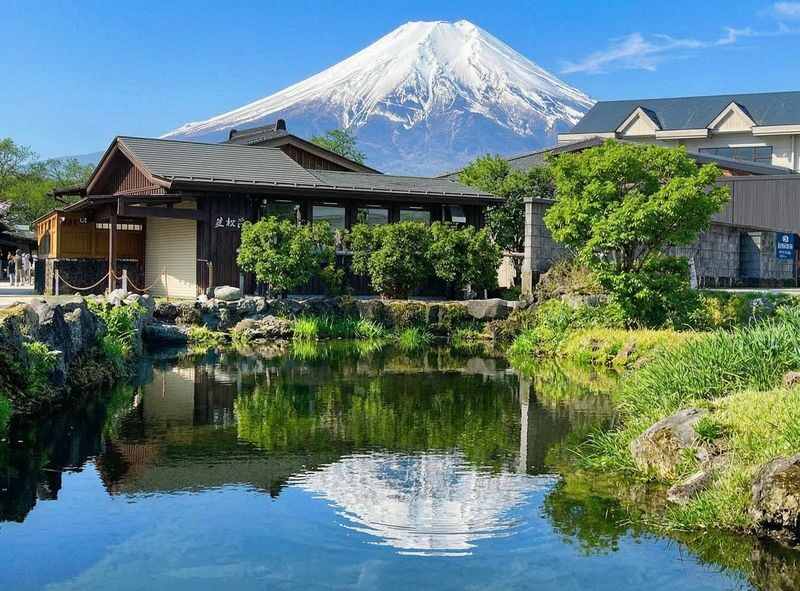
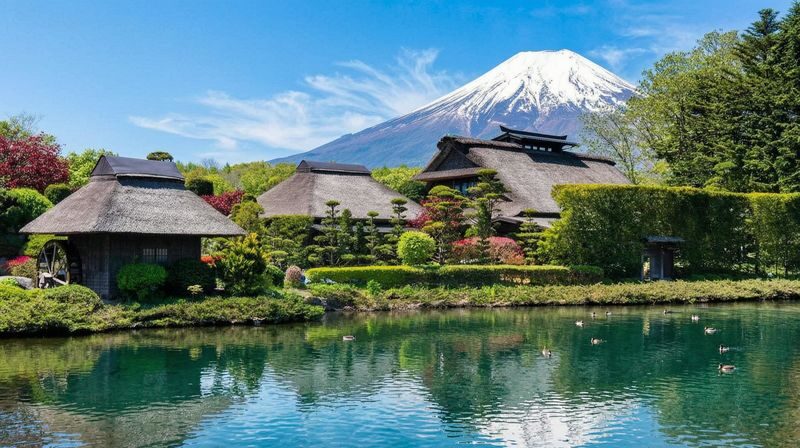
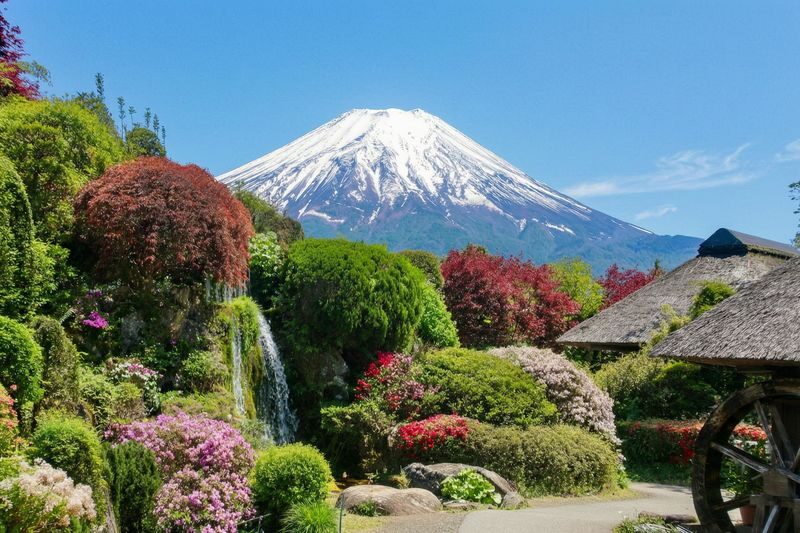
Oshino Hakkai is one of the more distinctive stops on the route. Its ponds are fed by snowmelt filtered through Mount Fuji’s volcanic rock, a process that takes years. The resulting water is exceptionally clear, and the springs are part of what gives the village its special character. The ponds are counted among Japan’s celebrated waters, and local legend links drinking the water with a longer life.
You have about an hour here, which is more generous than the photo stops. Use it to look closely at the ponds and explore the village at an unhurried pace, while keeping in mind that crowds, food queues and restroom stops can eat into that hour. If you bring an empty bottle, you may be able to fill it at a designated water point; follow any posted instructions and don’t assume every spring is available for drinking.
Oshino Hakkai gives the day a change of pace. Instead of a broad mountain vista, the focus shifts to clear water and a traditional village setting. That variety matters on a tour where Mount Fuji may spend part or all of the day behind cloud.
Arakurayama Sengen Park: the pagoda and the climb
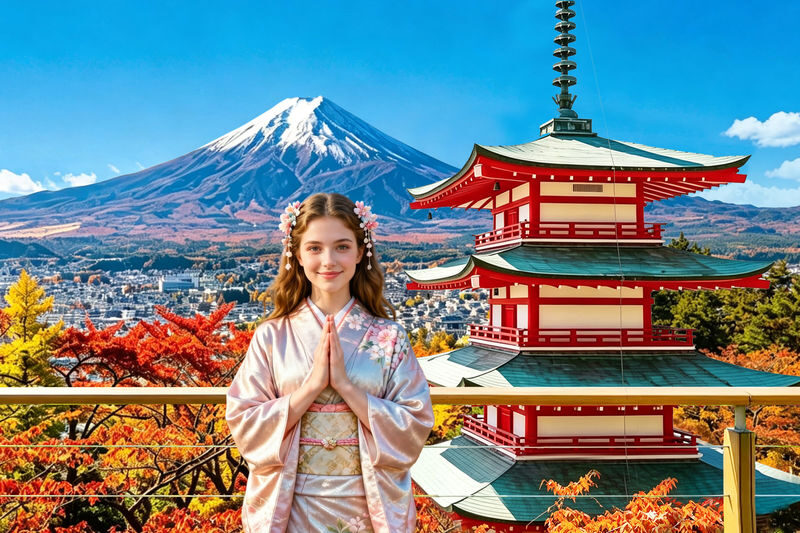
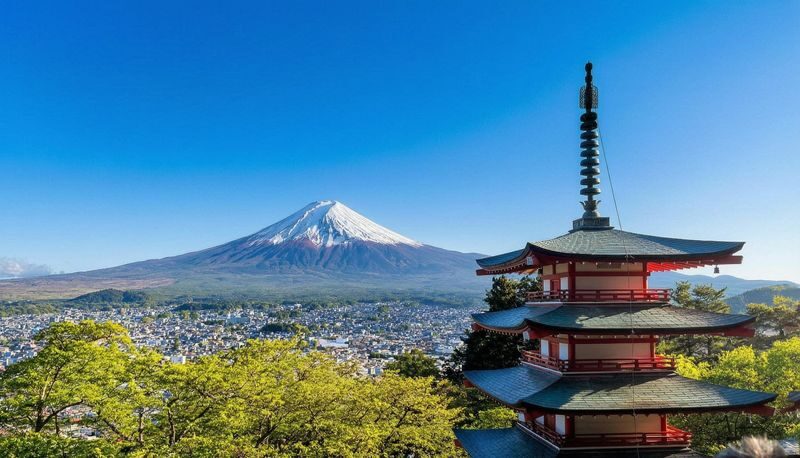
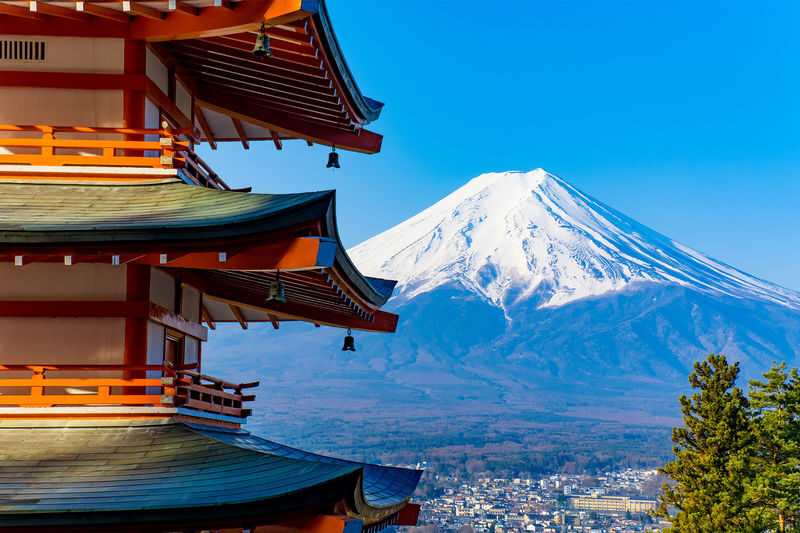
Arakurayama Sengen Park is the classic view: Mount Fuji framed with the five-story pagoda and, in spring, cherry blossoms. It is a powerful scene when the weather cooperates, and the park’s observation area is a major draw for photographers. The nearby Arakura Fuji Sengen Shrine is associated with prayers for good fortune and family happiness, and dates to 705 AD.
The view takes effort. The path up includes a long flight of steps, described by one visitor as roughly 500, so allow for a climb rather than expecting to step off the vehicle straight onto the viewing platform. The schedule allocates around an hour for the park and a short additional visit to the shrine, but the group may need to keep to the clock. If climbing is difficult for you, this stop deserves extra thought; the tour information does not promise an alternate route or extended time.
The order of stops can change with traffic and weather. That flexibility can help the guide make the most of a clear spell, but it also means you cannot count on reaching the viewpoint at a particular time of day. One practical concern is that a late arrival can compress the visit, especially if there are queues or a slower climb.
You can also read our reviews of more tours and experiences in Tokyo



Fujiyoshida’s old street and Hikawa Clock Shop
The Hikawa Clock Shop area is known for a street scene where Mount Fuji appears at the far end of the road. It’s often described as a stairway or ladder town, and the mix of older storefronts and mountain views gives it a different feel from the lakeside parks. The tour allows about 20 minutes, enough for a look and a few photographs, but not a leisurely browse through every shop.
This is a good place to notice the everyday setting around Fuji, not just the mountain as a distant icon. The streets have a Showa-era character, with a retro look that makes a sharp contrast with the dramatic peak beyond. Keep your camera ready, but be mindful of traffic and local residents while photographing from the street.
Yamanakako and the journey back
The schedule also lists a 20-minute stop at Yamanakako Swan Lake, adding another lakeside view to a day already anchored by Lake Kawaguchi. The exact sightseeing order can shift, and road conditions shape how the return unfolds. The listed return point is Shinjuku Station, with an expected arrival around 17:30 if traffic is smooth and a possible delay until about 20:00 if roads are congested.
That range is worth planning around. Avoid booking a tight dinner reservation, show or train connection for the early end of the estimate. Weekend and public-holiday traffic can turn a drive that might otherwise take around an hour and a half into a much longer ride. Weekdays are the safer choice if you have flexibility, though they cannot guarantee clear roads or a visible Fuji.
What the price buys, and what it doesn’t
The small-group option starts at $50.19. For that price, the main value is the transport: you can reach several widely spaced spots without planning local connections or navigating the drive yourself. The trip also includes a driver and guide service, plus round-trip transfers from the meeting point.
There are other package options, including small-group service with hotel pickup and drop-off, and private car choices for six or nine people with hotel transfers. The starting price applies to the small-group option, so check the exact package and its inclusions before booking. Meals, beverages and personal expenses are extra.
I see this as good value if you want a broad first look at the Fuji area in one day. It is less compelling if you want to linger, take long walks or spend hours at a single lake. The itinerary’s short stops are the price of covering several places in one outing. You trade depth for convenience and variety.
Practical points before you book
Arrive at the meeting point 10 minutes before the 8:30 departure. The meeting location cannot be changed on the day, and late arrivals or no-shows are not eligible for a refund. The operator sends guide details by email around 18:00 the day before, so check your inbox and spam folder. If you use LINE, look for the emailed group link and join it so the guide can contact you.
Infants and children must be included in the passenger headcount. The voucher is valid only for the date and time selected. You can cancel for a full refund with at least 24 hours’ notice; severe weather or unforeseen events may lead the operator to cancel, with a choice of rescheduling or a refund.
Pack for a long day and changing conditions. The tour runs through mountain and lakeside areas, and weather can shift the experience considerably. Most important, don’t judge the value solely by whether Fuji appears. Clear days can be spectacular, but cloud, rain or mist can hide the mountain even when the surrounding towns and parks remain worth seeing.
Should you book this Mount Fuji tour?
Book it if you want a convenient, affordable introduction to several Fuji-area sights and are comfortable with a brisk schedule. It suits first-time visitors, short-stay visitors and anyone who would rather let a driver handle the route than coordinate transport between parks, villages and lakes.
Skip it if you want a slow day, a long hike or plenty of time for shopping and meals. And if seeing Mount Fuji clearly is your only reason to go, remember that no tour can control the clouds. For a first visit, though, the mix of lakeside scenery, spring water, shrine grounds and old Fujiyoshida streets makes this a practical day out, with the mountain as a welcome bonus when it shows.
Tokyo Mount Fuji Lake Kawaguchiko Full-Day Small Group Tour (Driver and Guide Service)
“I highly recommend Yu Yang! He was very nice, friendly, and always had a warm smile. He was punctual, helpful, and made every effort to make our tr…”
FAQ
How long is the tour?
The tour departs at 8:30 and is scheduled to return to Shinjuku Station around 17:30. Traffic can delay the return until about 20:00.
Where does the tour meet and return?
The stated meeting and return location is Shinjuku Station. Arrive 10 minutes before departure, and check the guide information email for the precise meeting details.
How large is the small group?
The small-group option is listed for one to nine people.
Is Mount Fuji guaranteed to be visible?
No. Visibility depends on weather, and Mount Fuji can be hidden by cloud or rain.
Are food and drinks included?
No. Meals, beverages and personal expenses are not included.
What languages does the guide service support?
The professional driver offers basic English communication, with Chinese communication listed as seamless. The level of English explanation may vary by guide.
Can I cancel for a refund?
You can receive a full refund if you cancel at least 24 hours before the activity date, using destination local time. Late arrivals and no-shows are not eligible for a refund.