The draw here is the chance to make sense of a very large museum in a single morning. A lecturer connects objects such as Gandhara Buddha statues, Ming porcelain, and Buddhist texts to the long exchange of ideas between Japan and China, so you have more to take away than a quick look at display cases.
I like two things about this format: the focus on specific works gives you a useful path through a sprawling collection, and the reported lecture style is lively, with history and Buddhist art explained through stories and humor. The three-hour session also leaves the afternoon open for Ueno Park or another Tokyo stop.
The main catch is practical: museum admission is not included in the starting price of US$59.39. You will also need to be comfortable walking and to accept that three hours can only cover a portion of a museum with more than 120,000 items.
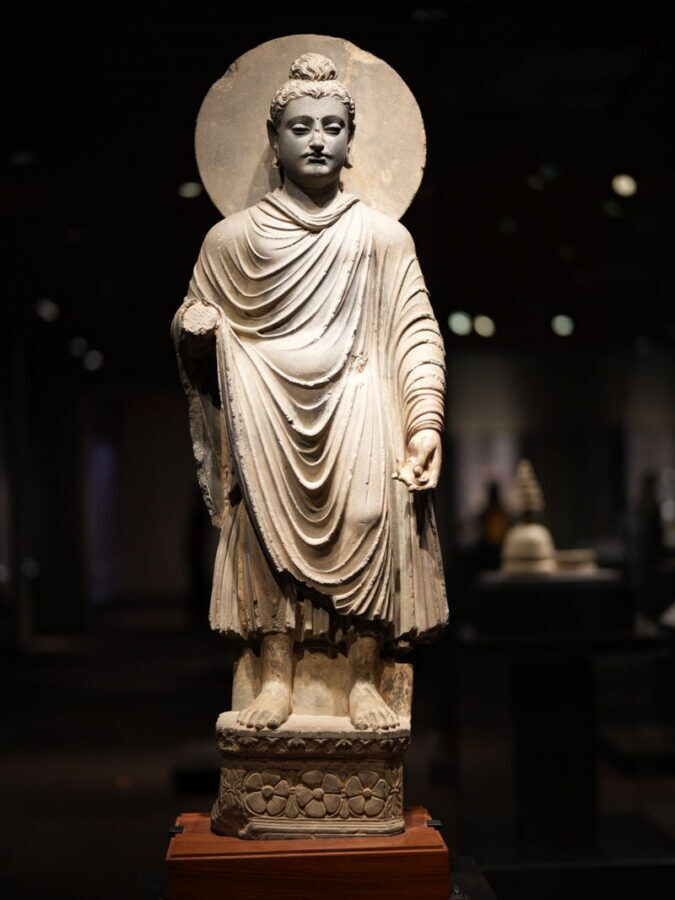
- Gandhara sculpture meets East Asian art: See Buddha statues associated with a blend of Eastern and Western artistic influences.
- A focused morning route: Meet at 9:50 for a 10:00 start, then finish at the museum entrance at 13:00.
- Key works give the lecture its substance: The program highlights the Song version of the Tripitaka, Yan Zhenqing’s calligraphy, Ming porcelain, and other cultural relics.
- Commentary makes the visit more than a walk-through: A Chinese-speaking guide and lecturer explain the exhibits, with audio devices provided.
- Ueno Park makes it easy to add another stop: After the tour, you can continue to nearby attractions or take a walk in the park.
- A guided route through Japan’s oldest museum
- The works that shape the lecture
- What the three-hour visit looks like
- The building and the wider museum
- Is US.39 good value?
- Practical details before you go
- Who should book this museum lecture?
- FAQ
- How long is the tour?
- Is museum admission included?
- What language is the guide?
- Where does the tour end?
- What should I bring?
- Can I bring large luggage?
- Can children join?
- What happens if the tour does not reach its minimum group size?
- The Best Of Tokyo!
- More Museum Experiences in Tokyo
- More Tours in Tokyo
- More Tour Reviews in Tokyo
A guided route through Japan’s oldest museum
 1 / 7
 2 / 7
 3 / 7
 4 / 7
 5 / 7
 6 / 7
 7 / 7
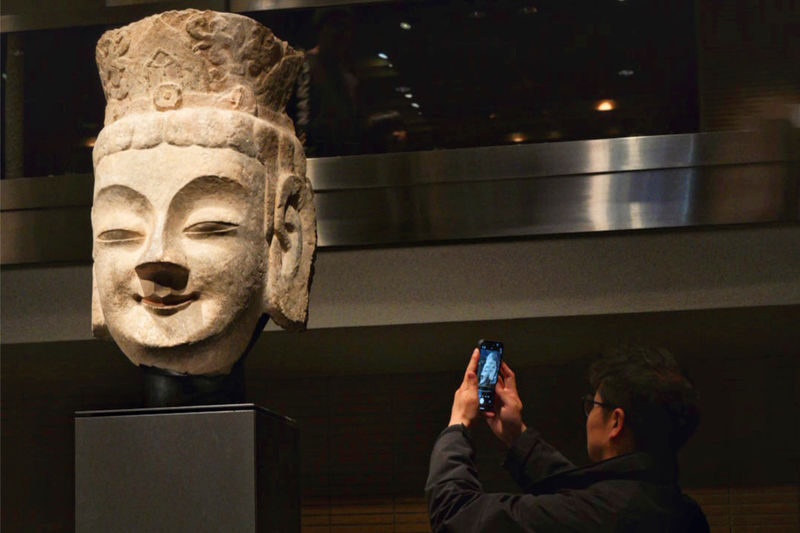
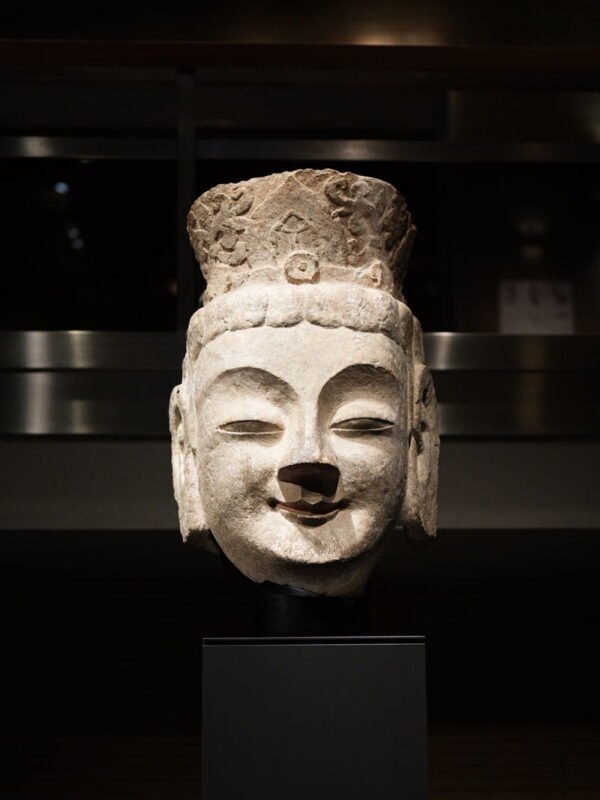
The Tokyo National Museum sits in Ueno Park and is Japan’s oldest and largest comprehensive museum. Its collection spans Japanese and Asian art, archaeology, Buddhist sculpture, ukiyo-e prints, samurai armor, ceramics, painting, and calligraphy. With more than 120,000 items, the challenge is not finding something worth seeing. It is deciding what deserves your attention.
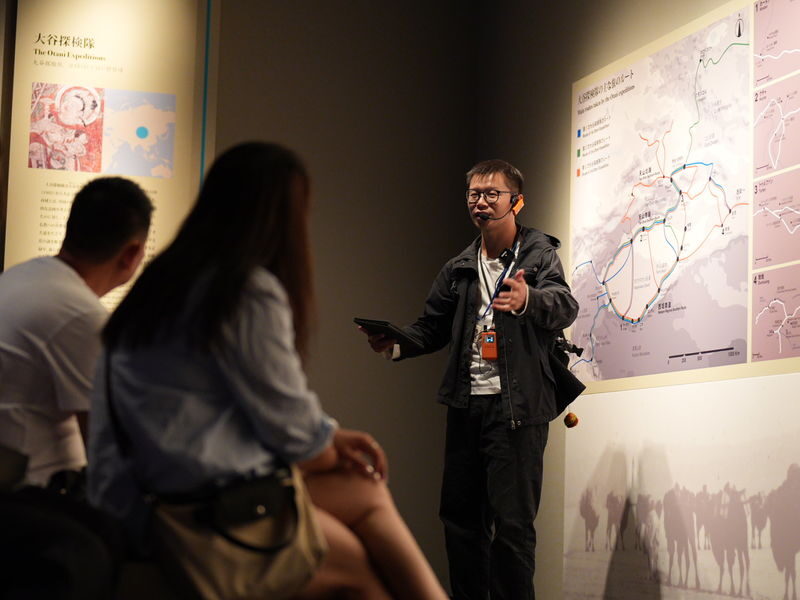
That scale is why a guided lecture can be useful. Instead of wandering without a plan, you have a set morning visit with a guide who helps explain the main exhibition area. The emphasis is on cultural exchange, especially the connections between China and Japan, and on works that show how art and religious ideas moved across regions.
This is not a private, fully tailored museum visit. The minimum group size is three, and the experience is presented as a guided session with some self-guided museum time in the itinerary. Think of it as a framework for understanding selected objects, not a promise to cover every gallery.

👉 See our pick of the Our Picks For The 11 Best Workshops & Classes In Tokyo
The works that shape the lecture
The featured objects offer a good sense of the tour’s range. The Song version of the Tripitaka brings Buddhist texts into the story, while Yan Zhenqing’s calligraphy provides a chance to consider how writing can be valued as visual art as well as language. Ming Dynasty porcelain adds another kind of evidence: refined craft, trade, and changing tastes.
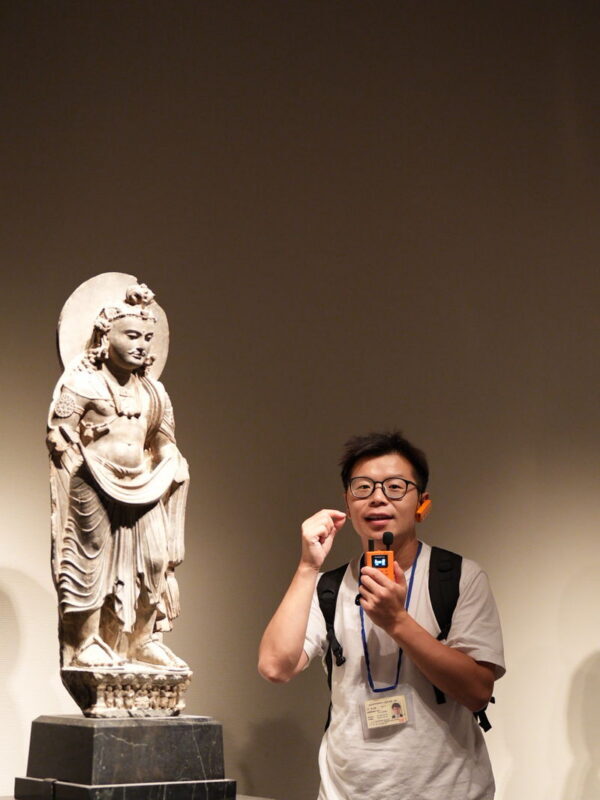
Gandhara Buddha statues are another highlight. Their style reflects artistic influences from different parts of Asia, offering a concrete way to think about the movement of forms and ideas. Rather than treating Japanese art as something that developed in isolation, the lecture gives you a wider regional frame.
These named works are useful anchors, but museum displays can change. The experience identifies them as highlights, yet it does not guarantee that every object will be on view during your date. If seeing one particular piece is essential to you, check its current display status with the museum before booking.
The value of the lecture is partly in the connections it draws. A ceramic object, a religious image, and a piece of calligraphy can seem like separate topics when you meet them alone. Context helps you see how they fit into a much longer history of exchange, adaptation, and local interpretation.
You can also read our reviews of more museum experiences in Tokyo


What the three-hour visit looks like
Plan to arrive for the 9:50 meeting time. The museum portion runs from 10:00 to 13:00, and the group disbands at the museum entrance. The schedule is compact and straightforward, with no listed meal stop or transport between attractions.
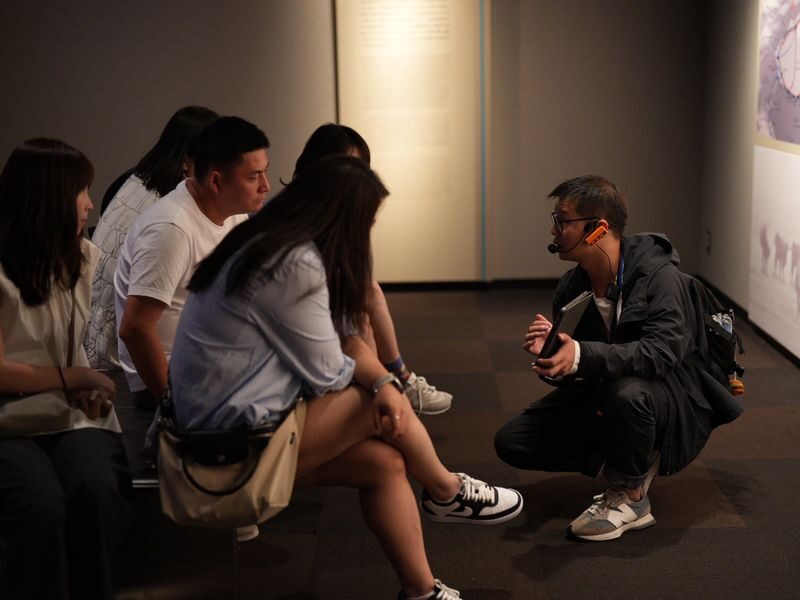
During the visit, expect walking between exhibition areas and time listening to explanations. Audio devices are distributed, so keep yours safe and return it after the tour. The walking format is a sensible way to cover selected highlights, but it is not ideal if you want to linger for a long time in every gallery.
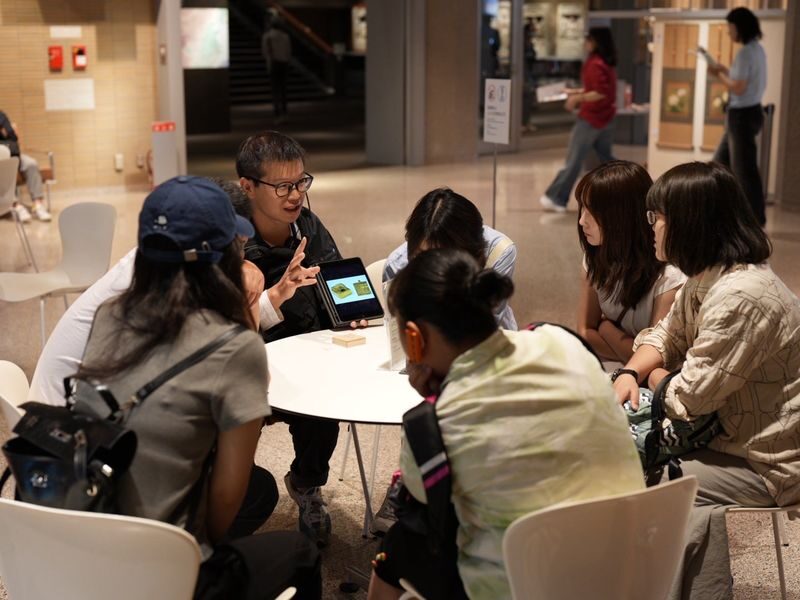
The itinerary labels the museum visit as self-guided, while the experience also includes a Chinese-speaking guide and lecturer. In practical terms, you should expect guided commentary to help you understand the chosen exhibits, alongside a limited amount of independent viewing. The exact balance between lecture and free time is not specified, so ask the operator if that distinction matters to you.
At 13:00, you are free to continue your day. Ueno Park is right there, making a post-tour stroll an easy option, and you can also plan another nearby stop. The morning finish is a real advantage if you want expert context without giving the museum your whole day.
The building and the wider museum
The museum’s main building is described as combining traditional Japanese styles with modern architectural elements. Even before you focus on the art, the setting helps mark this as a major cultural institution rather than a small specialist gallery.
The wider complex includes multiple galleries, but the three-hour tour centers on the main exhibition area and selected themes. You could return another day for a slower visit, especially if archaeology, prints, armor, or ceramics are interests of yours. Treat this session as an introduction, not an attempt to see the full collection.
This is also a useful choice for visitors who want a cultural outing with structure. The museum covers a broad sweep of art and objects, while the lecture gives you a thread to follow. If you prefer to set your own pace and read every label, independent entry may suit you better.
Is US$59.39 good value?
The listed starting price is US$59.39, but admission to the museum is not included. Your actual cost will therefore be higher once you add the museum ticket, and a special exhibition may require a separate ticket as well. Check those costs before you compare this experience with a standard museum visit.
What you are paying for is guided interpretation and a planned three-hour focus, not simply entry. That can be worthwhile if you want help making sense of Buddhism, calligraphy, and the links between Chinese and Japanese art. The strongest reported praise is for the lecture’s detail, humor, and ability to turn history into engaging stories.
If you already know the museum well, or enjoy exploring without commentary, the extra fee may be harder to justify. If you are new to East Asian art and prefer an expert to choose the starting points, the added context may make the museum visit more memorable and efficient.
Practical details before you go
Wear comfortable shoes and clothes suited to several hours of walking. Exhibition halls can be strongly air-conditioned, so a light jacket is a sensible addition. Bring drinking water in advance, although rest areas and cafés are available inside the museum.
Large luggage is not a good fit for this visit. Coin-operated lockers are available at the entrance, but luggage storage and delivery services are not provided. Food and drinks from outside are not allowed, and smoking, drinking, and pets are prohibited.
Photography is restricted in some exhibition halls, so follow staff instructions rather than assuming every room allows pictures. If the museum is crowded, keep close to the group and follow the guide’s directions. Children under 16 must be accompanied by an adult, and infants and children must be included in the passenger count.
The tour requires at least three participants. Confirmation is expected 48 hours before departure; if it does not arrive, contact customer support. A mobile voucher is used, and it is valid only for the date and time shown.



Who should book this museum lecture?
I would put this tour high on the list for anyone curious about how Japanese culture connects with the wider history of Asia. It is particularly suited to first-time visitors who want the museum’s major themes explained, and to people interested in Buddhist art, Chinese calligraphy, or ceramics. The guided format also helps if you find large museums more rewarding with a clear route and commentary.
It may be less appealing if you want a quiet, unstructured visit or need a full day to explore at your own speed. The admission cost is extra, and three hours is a tasting menu, not the whole collection. Still, if your priority is understanding a handful of important works rather than racing through every gallery, the lecture can make a short museum visit count.
Tokyo National Museum: Star Lecturer’s In-depth Lecture and Dialogue with Millennia of Civilization
“The guide's commentary was lively and engaging! They transformed dry history into captivating stories, demonstrating high professionalism and a fri…”
FAQ
How long is the tour?
The museum visit runs from 10:00 to 13:00, for a total of three hours. The meeting time is 9:50.
Is museum admission included?
No. The national museum ticket is not included in the tour price. Special exhibitions may also require a separate ticket.
What language is the guide?
A Chinese-speaking guide is included. The experience also describes interpretation and provides audio devices, but it does not specify the interpretation language.
Where does the tour end?
The group disbands at the entrance of the Tokyo National Museum at about 13:00.
What should I bring?
Wear comfortable shoes and clothing, and consider bringing a light jacket because the exhibition halls can be strongly air-conditioned. Drinking water is also recommended.
Can I bring large luggage?
Large luggage is not recommended. Coin-operated lockers are available at the museum entrance, but luggage storage and delivery services are not provided.
Can children join?
Yes, but children under 16 must be accompanied by an adult. Infants and children must be included in the passenger headcount.
What happens if the tour does not reach its minimum group size?
The activity requires at least three participants. If that minimum is not met, you can book another date or request a full refund.