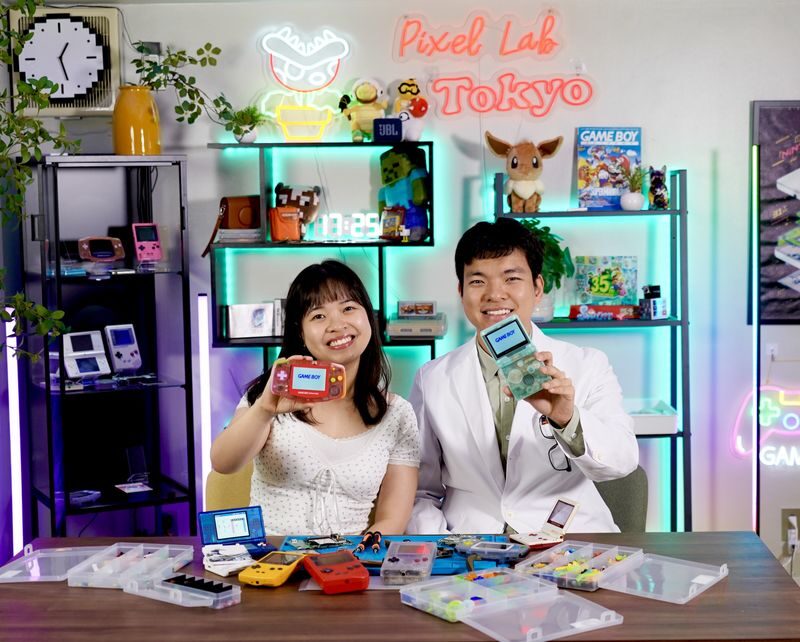
The best souvenir from this Tokyo workshop is one you build yourself: a custom, working Game Boy in colors you choose. With patient instructors guiding each step, you don’t need modding experience to take part, and you can pick an Original, Advance, or SP model.
I like two things in particular: you get hands-on time with the console rather than just watching a demonstration, and you can play retro games during the session. The result is both a personal keepsake and a small introduction to how these handhelds fit together.
The main consideration is price. Starting at $341.15, this is a costly activity for a two-hour session, so it makes most sense if you’re keen on gaming, making things, or taking home a souvenir you’ll actually use. Check the selected package carefully: the Original, Advance, and SP workshops are separate options.
- At a glance
- Turning a two-hour session into a hands-on project
- Choosing between the Original, Advance, and SP
- What happens from arrival to the finished console
- Friendly help matters more than prior skills
- The meeting point needs a quick check
- Is the price worth it?
- Who should book this workshop?
- FAQ
- How long is the Game Boy mod workshop?
- Which Game Boy models can I choose?
- Do I need experience with electronics or modding?
- What age can participate?
- Can someone come with me without joining the workshop?
- Are transportation, meals, and drinks included?
- Where is the meeting point?
- The Best Of Tokyo!
- More Workshops & Classes in Tokyo
- More Tours in Tokyo
- More Tour Reviews in Tokyo
At a glance
 1 / 8
 2 / 8
 3 / 8
 4 / 8
 5 / 8
 6 / 8
 7 / 8
 8 / 8
- Choose your console: Book the Original Game Boy DMG, Game Boy Advance IPS, or Game Boy SP with USB-C modding option.
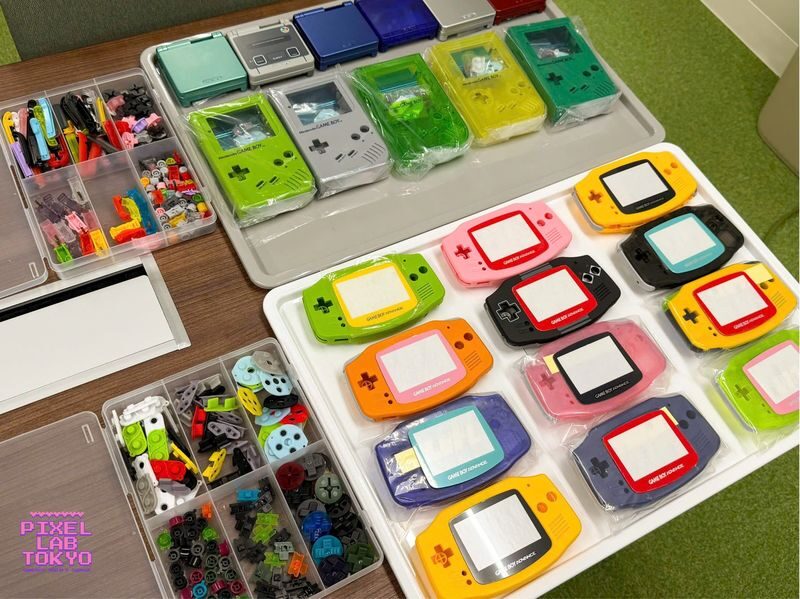
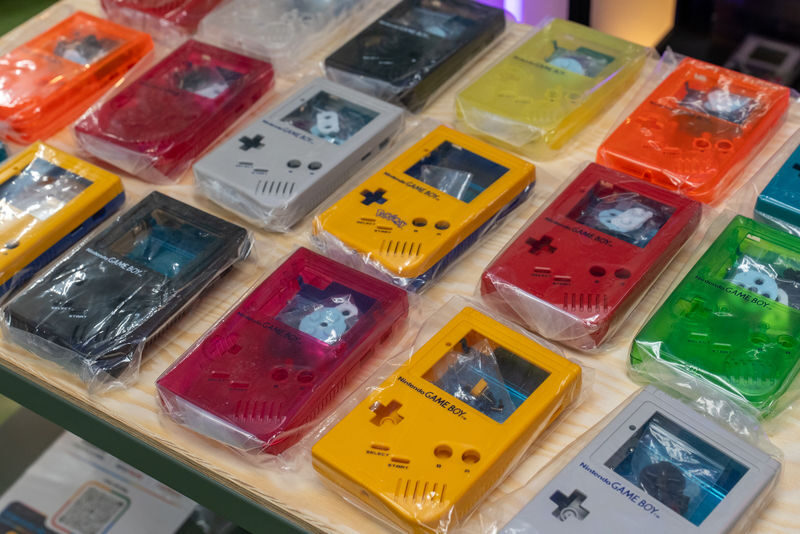
- Make the choices yourself: Pick from colorful shells and buttons to create a look that suits you.
- Get guided help: Instructors explain the steps and can help you if you get stuck. Beginners are welcome.
- Play while you work: Retro games and other consoles are available during the workshop.
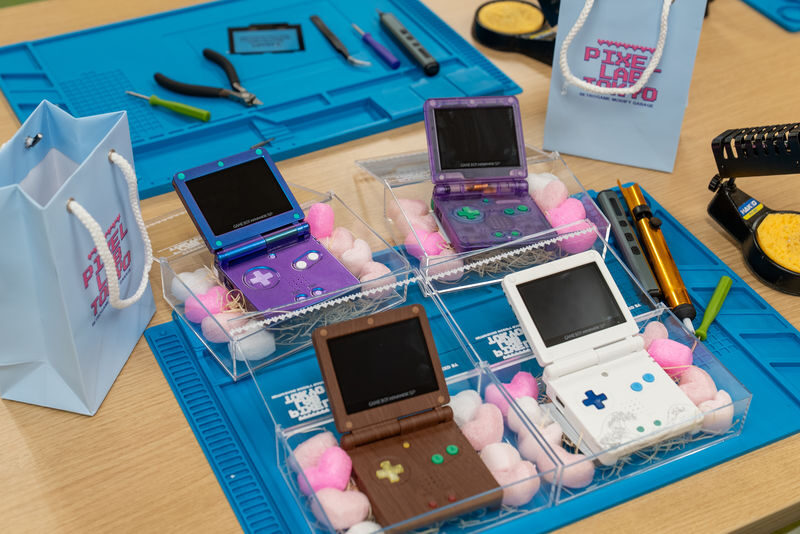
- Take home a working build: Your finished Game Boy is a handmade souvenir, not just a photo or a kit to complete later.
- Bring a companion: Parents, friends, and partners can accompany you without an additional ticket.

👉 See our pick of the Our Picks For The 11 Best Workshops & Classes In Tokyo
Turning a two-hour session into a hands-on project
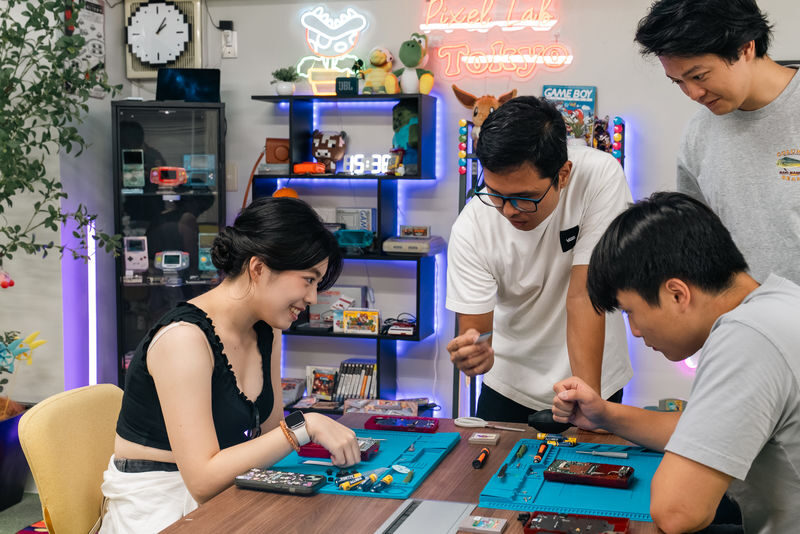
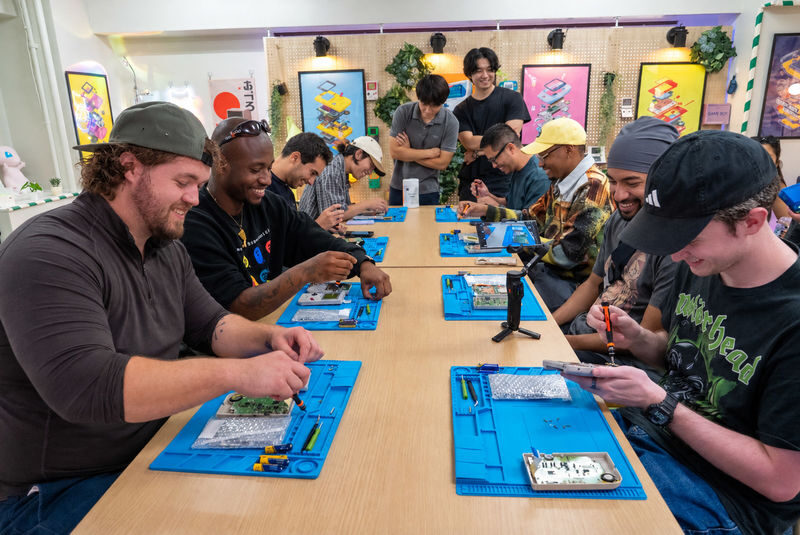
This is a compact, guided workshop, not a long electronics course. You’ll work through the process of customizing and assembling a classic handheld, with instructors close by to explain what to do and step in when you need help.
That mix of instruction and doing is the point. You’re not expected to arrive knowing how to take apart a console or handle its small components. People with no previous modding experience have taken part, and the workshop is described as suitable for participants aged six and up.
The exact work depends on the model you book. The Original Game Boy DMG, Game Boy Advance IPS, and Game Boy SP with USB-C are offered as distinct packages. Some participants describe soldering as part of the process, including first-time soldering, but the available details don’t specify every step for every model. If you’re choosing a package because you want to solder, ask the operator what your selected version includes.
You’ll also have time to choose colors and personalize the console. That choice is more than cosmetic: it gives the finished device a look that is yours, rather than a standard machine picked up from a shelf. The instructors’ role is to help you get there without making the task feel like a test.
You can also read our reviews of more tours and experiences in Tokyo


Choosing between the Original, Advance, and SP
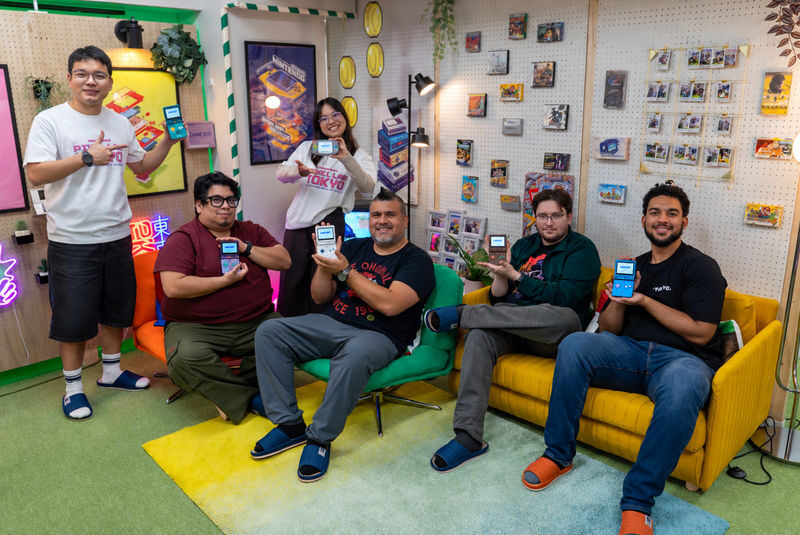
The three package options suit different kinds of nostalgia. The Original Game Boy DMG is the classic blocky handheld, while the Advance and SP options let you build later designs. The SP workshop adds USB-C modification; the Advance option includes an IPS mod. These are distinct builds, so don’t assume the features of one package are included in another.
A useful rule: choose the console you most want to own, rather than trying to guess which one is easiest. The workshop is set up for beginners, and guidance is a central part of the activity. If you already have a favorite model from childhood, that’s likely the clearest choice.
The available details don’t list every included part, game, or technical specification. For a particular screen, charging feature, or other component, check the selected package before booking. That small bit of homework can prevent a mismatch between the console you picture and the one you’ll build.
What happens from arrival to the finished console
The activity runs for about two hours. The schedule lists a departure time of 14:50 and a return time of 17:00, though the exact timing is confirmed after booking and options can vary with the selected departure. There is no transport included, so plan your own way to the meeting point and workshop.
At the session, expect an instructor to guide you through the build in stages. You’ll select your shell and buttons, then work through the assembly with help available as needed. The atmosphere is described as relaxed and small-group, which is useful when you’re handling small parts and want to ask questions without holding up a large class.
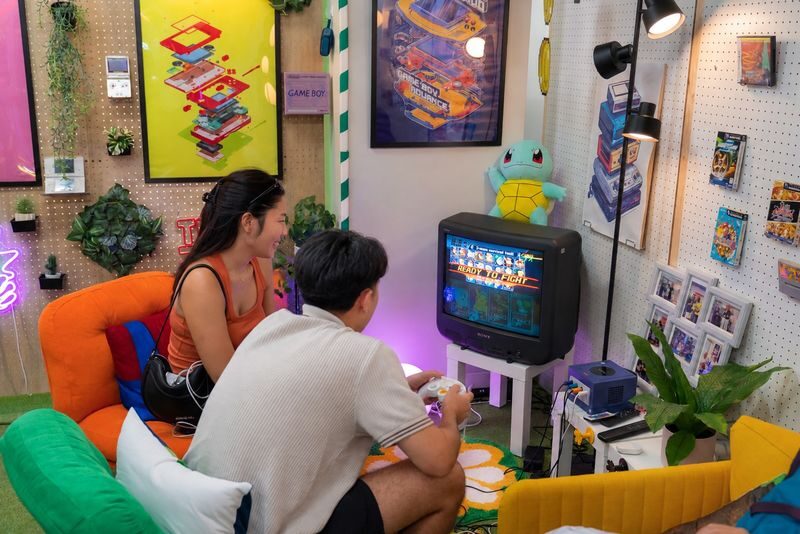
You don’t have to fill every minute with assembly. Retro games and other consoles are available to play during the workshop, including while parts of the build are being finalized. That gives companions something to do, too, and makes the session feel more like a shared hobby than a technical lesson.
The payoff comes when the console is put back together and working. You leave with a customized device you helped make, and the process gives it a stronger personal connection than an off-the-shelf purchase. Some participants also describe receiving a display case, but that detail isn’t listed as an included item, so confirm it if it matters to you.
Friendly help matters more than prior skills
The most consistently praised part of this activity is the instructors’ patience. Luca, Alan, and Bin are named in accounts of different sessions, and participants describe clear explanations, hands-on help, and encouragement when they got stuck. Staff may vary by date, but the workshop’s beginner-friendly approach is a key reason to consider it if you’re unsure about the technical side.
That matters because building a handheld involves small components, and a first attempt at modding can feel daunting. You’re not expected to be an expert. In one account, a participant with no soldering experience completed the Advance workshop with guidance. Parents also brought children, including boys aged nine and eleven, and a twelve-year-old joined an SP session.
The minimum age is six. That’s a broad threshold, though the activity will naturally suit a child who enjoys games and can follow instructions better than one who wants only to play. A parent or other companion can come at no extra ticket cost, which is helpful for younger participants or anyone who’d rather share the experience.
English-language instruction is specifically praised in one account, and the instructors are described as explaining the process clearly. Still, if language support is essential for your group, confirm it when booking rather than assuming the same staff will lead every session.
The meeting point needs a quick check
The meeting details include two references: Chiyoda City Rensei Park and a 7/11 convenience store on Kanda Sakumacho. The address listed for the park is 6-chome-11-19 Sotokanda; the convenience store is listed at 1 Chome-21-1 Kanda Sakumacho. These are not the same address, so check your booking voucher and map carefully and contact the operator if the instructions don’t make the meeting place clear.
Arrive on time and use the mobile voucher. The activity is valid only for the date and time you booked, and the meeting is listed as a meet-up rather than a transport service. The workshop itself is in Tokyo, but transport, food, and drinks are not included.
This is one detail worth sorting out before the day. A hands-on activity with a fixed start time is much less forgiving than a flexible visit to a shop or museum, and the stated itinerary doesn’t include a pickup.



Is the price worth it?
At a starting price of $341.15, this is not an inexpensive way to spend two hours. The value comes from the combination: guided instruction, your choice of customization, time with retro games, and a working console to take home. You’re paying for a made-by-you object and the process behind it, not simply entry to a room.
That can be good value for someone who has wanted a particular Game Boy for years, enjoys building things, or is looking for a memorable activity to share with a partner or friend. The finished console can keep being used after the trip, which gives the cost more staying power than a short-lived attraction.
It’s a weaker fit if you have little interest in handheld games or would be satisfied with buying a ready-made console. The workshop is also only two hours, so anyone expecting a full electronics course should set their expectations accordingly. With a listed rating of 5.0 from 161 ratings, the experience appears to have a strong track record, but the price and limited duration still deserve a close look.
Who should book this workshop?
I’d put this near the top of the list for retro-game fans, Nintendo fans, and curious makers who like leaving an activity with something tangible. It also makes sense for friends or couples who want a shared project, and for families with children aged six or older who are interested in games and hands-on work.
You don’t need technical experience, but you should be comfortable following instructions and handling a build that involves small parts. If you’re bringing a child, the free companion option means an adult can stay close without buying another workshop ticket.
If your main goal is to visit Tokyo’s gaming shops or arcades, this workshop is a different sort of experience. It gives you time to build rather than browse, and its appeal depends on whether you want to participate. Book it if making your own console sounds as appealing as playing one. If not, save the money for a simpler retro-gaming outing.
Pixel Lab Tokyo: Gameboy Mod Workshop (Original/Advance/SP)
“went with a group of friends had a blast!! Will definitely be back soon!”
FAQ
How long is the Game Boy mod workshop?
The workshop lasts about two hours. The listed schedule shows a 14:50 departure and a 17:00 return, with exact timing confirmed after booking.
Which Game Boy models can I choose?
The package options are Original Game Boy DMG modding, Game Boy Advance IPS modding, and Game Boy SP with USB-C modding. Choose the specific package you want when booking.
Do I need experience with electronics or modding?
No prior technical experience is required. Instructors guide participants through the process, and beginners are welcome.
What age can participate?
Participants must be at least six years old.
Can someone come with me without joining the workshop?
Yes. Parents, friends, and partners may accompany a participant free of charge, with no additional ticket required.
Are transportation, meals, and drinks included?
No. Transport, meals and beverages, and other personal expenses are not included.
Where is the meeting point?
The provided details refer to Chiyoda City Rensei Park and also give a 7/11 convenience store on Kanda Sakumacho as a place to wait. Check your voucher and map, and confirm the correct spot if the instructions are unclear.