The best part of this Tokyo manga workshop is the chance to use the tools of the trade: a G-pen, ink, manga paper, and screentones. In a traditional Japanese house near Hongo-sanchome Station, a professional manga artist guides you through making a page of your own.
I like two things here: beginners can start from a pre-drawn sketch, while experienced artists can make an original illustration; and you leave with your artwork, not just a souvenir-shop purchase. English interpretation is provided, and the small-group format gives you a chance to ask for help as you work.
The main consideration is the price: from US$119.85 for two hours, this is a hands-on class, not a broad tour of Akihabara’s shops and pop-culture sights. You’ll also need to make your own way to the Hongo meeting point, which is near Akihabara but not in the district itself.
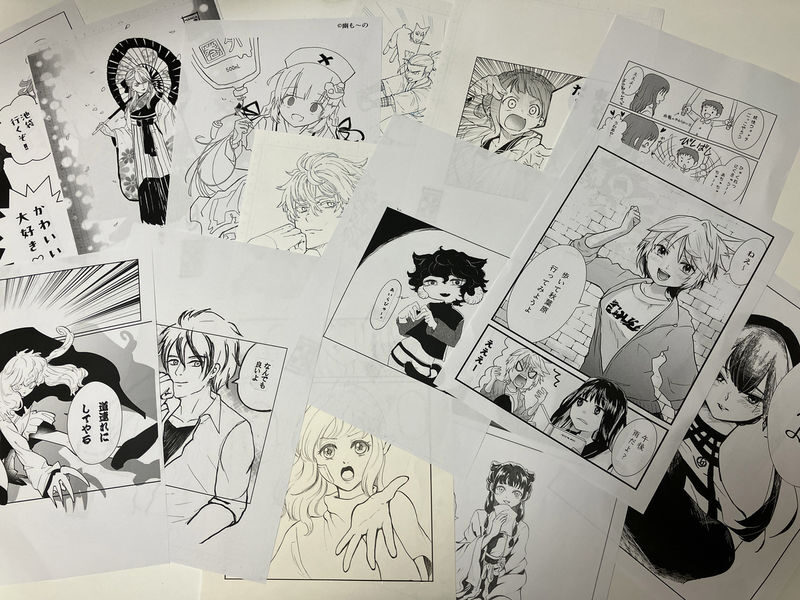
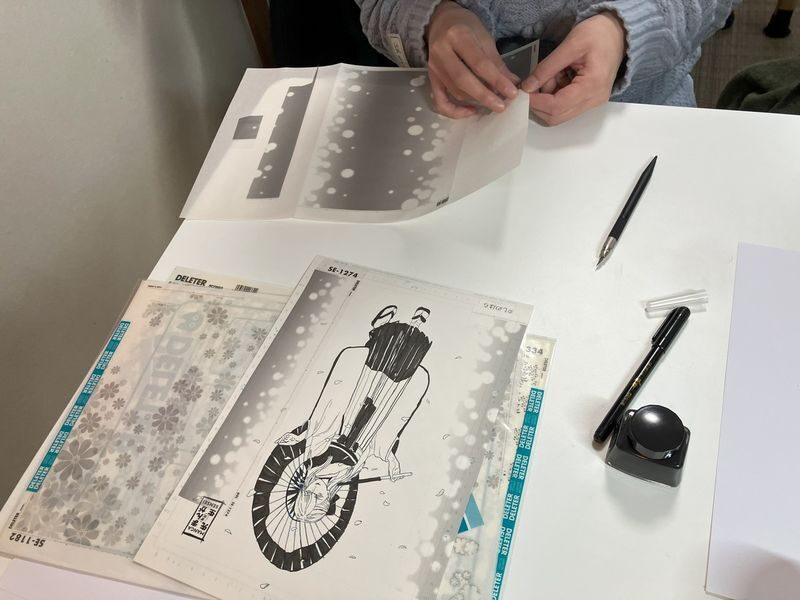
- Try professional manga tools: Use a G-pen, ink, manuscript paper, and screentones, all supplied for the class.
- Choose your level: Trace a prepared sketch as a beginner, or create an original illustration if you have drawing experience.
- Get English support: English interpretation is available, and the workshop can also be conducted in Japanese.
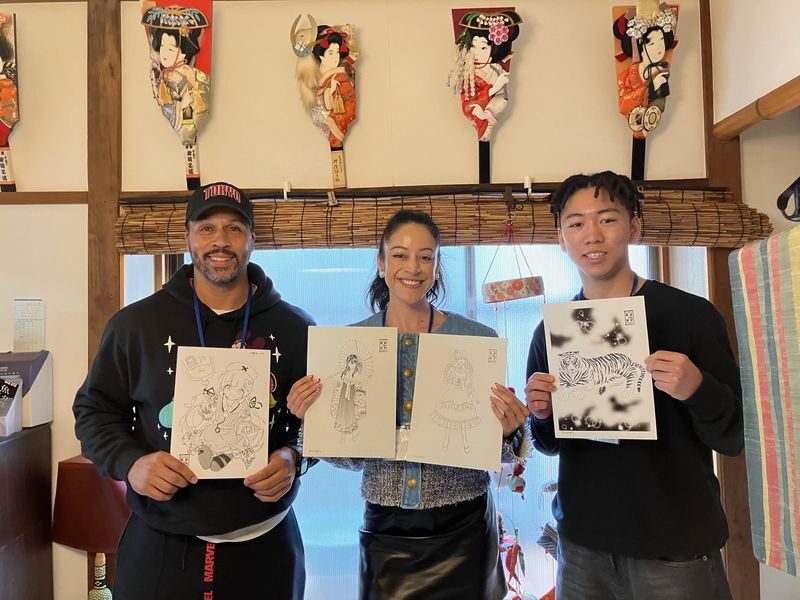
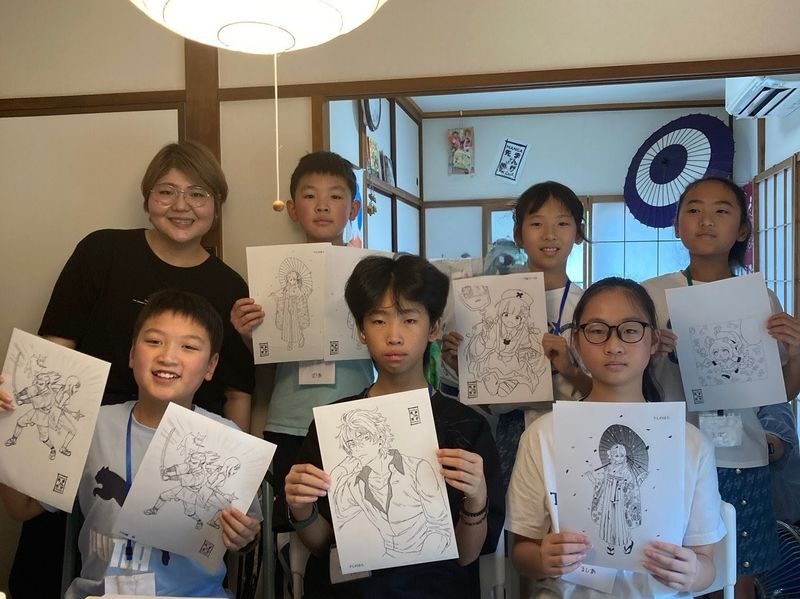
- Work in a traditional house: The Japanese-style interior makes a distinctive setting for your class and photos.
- Take home your work: Your finished artwork and photo data are included.
- Plan your own transport: The workshop is a five-minute walk from Hongo-sanchome Station. Transport, meals, and drinks are not included.
- Make manga in a traditional Tokyo house
- Two hours from first sketch to finished page
- The tools are part of the lesson
- What the price buys you
- Hongo is convenient, but find the right entrance
- A small but encouraging track record
- Who will enjoy this class most
- Should you book the manga workshop?
- FAQ
- How long does the manga workshop last?
- Do I need drawing experience?
- Are manga drawing tools included?
- Is English interpretation available?
- Where is the meeting point?
- Can I take my artwork home?
- The Best Of Tokyo!
- More Tours in Tokyo
- More Tour Reviews in Tokyo
Make manga in a traditional Tokyo house
 1 / 8
 2 / 8
 3 / 8
 4 / 8
 5 / 8
 6 / 8
 7 / 8
 8 / 8
Akihabara is known for its anime, manga, and game shops, but this two-hour class takes a different route into manga culture. Instead of browsing shelves, you sit down with a professional manga artist and make something yourself. The setting is a traditional Japanese house in Hongo, a short walk from Hongo-sanchome Station.
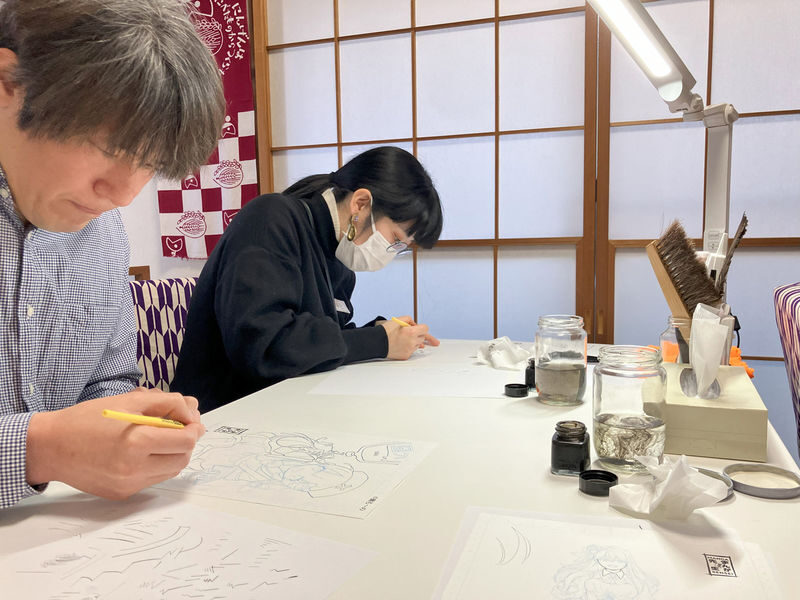
That setting helps the class feel like more than a quick drawing demonstration. You’ll work in a Japanese-style room, with professional tools laid out for you. If you enjoy taking photos, the interior gives you a memorable backdrop, though the main point is still the work on your page.
The class is designed to welcome different skill levels. If you’re new to drawing, you can begin with a pre-drawn sketch and focus on using the materials. If you already draw, you can try an original illustration. This choice matters: nobody needs to arrive with a portfolio, but you can still take on a more personal challenge if you have the confidence and time.
It’s a practical way to get a feel for manga production. Tools such as G-pens, ink, manuscript paper, and screentones are part of the workshop, rather than something you have to track down and buy. You can concentrate on learning how they work and creating a finished piece.

👉 See our pick of the Our Picks For The 11 Best Workshops & Classes In Tokyo
Two hours from first sketch to finished page
The workshop lasts about two hours. The activity begins at the meeting point in Hongo, then the class takes place at Tokyo Manga Sensei, before you return to the departure point. The session is a guided tour, but it is best understood as a compact art class rather than a walking tour through Akihabara.
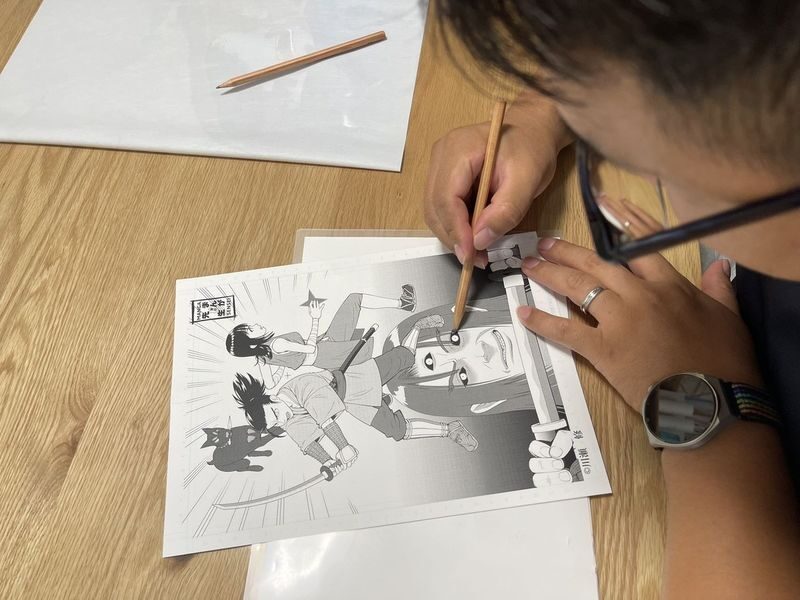
You’ll need to choose your approach early. Beginners can use a prepared sketch to get started, while more experienced participants can work on an original illustration. The supplied information does not set out a step-by-step lesson plan, so don’t expect a precise list of techniques in advance. What is clear is that the artist leads the class and the tools are provided.
The pre-drawn option is especially useful if you’re bringing children or haven’t drawn before. It takes some pressure off the blank page and leaves you free to focus on the feel of the pen, ink, and tones. If you already have an idea for a character or image, the original-work option gives you room to make something personal.
The workshop is small-group, though no maximum group size is specified. That can make it easier to follow instructions and ask for help than in a large demonstration. English interpretation is included, and the class can also be conducted in Japanese. Past participants have found the team friendly and patient, including when working with children. For families, that personal guidance may be more valuable than an elaborate itinerary.
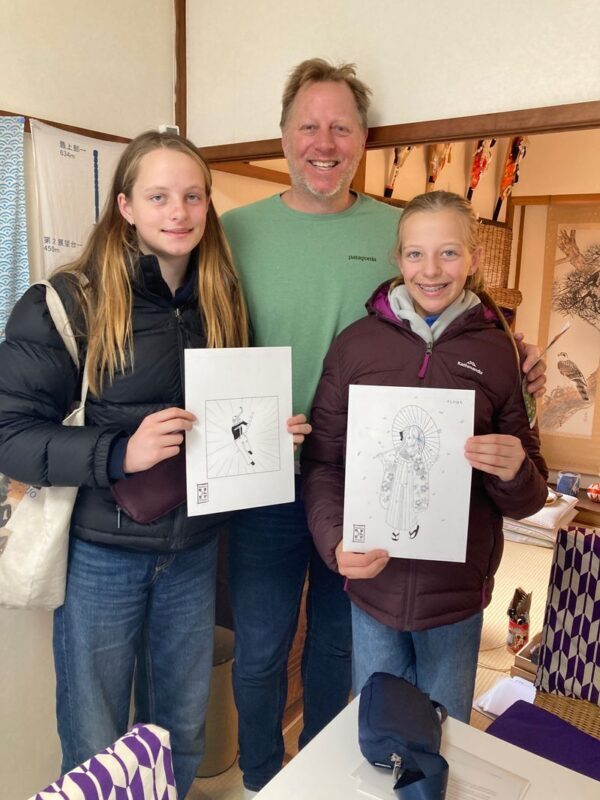
At the end, you take your artwork home, and photo data is included. That gives the session a tangible result: you leave with a piece you made, as well as pictures of the experience. The class is short enough to fit into a morning, with a listed departure option at 09:45 and a return at 11:45. Other available timing can depend on the departure time you select.
You can also read our reviews of more tours and experiences in Tokyo.



The tools are part of the lesson
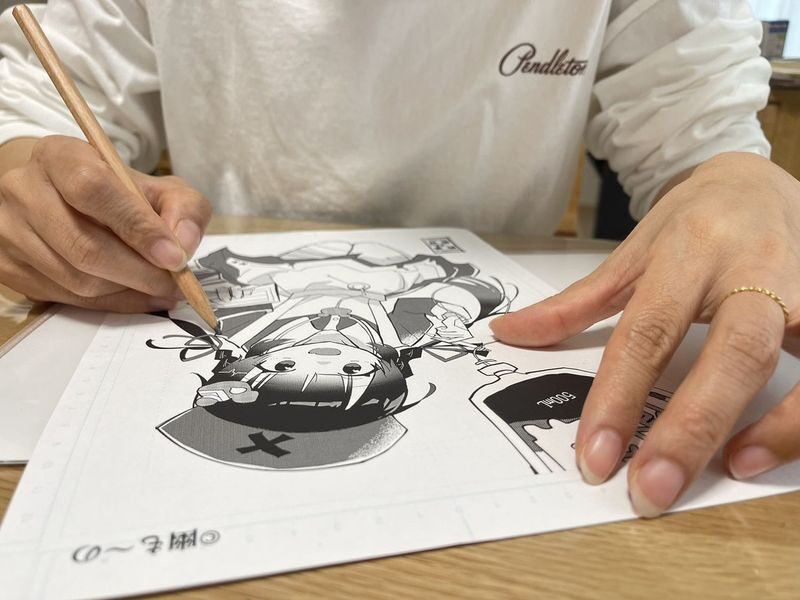
A manga drawing class is more interesting when you can handle the materials instead of simply hearing about them. Here, the kit includes G-pens, ink, manga manuscript paper, and screentones. You don’t need to bring drawing equipment, and there is no need to buy specialist supplies before the class.
For a first-timer, a G-pen and ink may feel less forgiving than a pencil. That is part of the appeal: you get to try tools used for manga artwork without having to set up a home studio. The prepared sketch provides a starting point if you would rather concentrate on technique than invent a scene on the spot.
Screentones are another useful detail. They let you work with tonal patterns on the page, giving you a taste of how a manga image can be built beyond simple line drawing. The class offers a hands-on introduction, not a promise that you’ll master every technique in two hours. Keep your expectations realistic, and you’re more likely to enjoy the process.
You can take your finished work home. That is a better keepsake than a generic trinket if you enjoy making things, and a satisfying record of the class even if the result is not polished. Photo data is included too, so you do not have to rely only on your own camera to remember the session.
What the price buys you
At US$119.85 per person, this is not a cheap stop for a quick photo. The value depends on how much you want to take part. You are paying for a two-hour guided workshop with a professional manga artist, a complete set of tools, English interpretation, your artwork, and photo data. If drawing manga is a real interest, those elements make the cost easier to justify.
It is less compelling if you mainly want to see Akihabara. The class is near the district, but it does not include transport or a guided visit to anime shops, game arcades, or cafés. Think of it as a creative activity to pair with independent sightseeing, not as a substitute for a neighborhood tour.
The price also makes most sense if you take advantage of the hands-on time. Ask questions, try the materials, and choose the project level that suits you. If you only want to watch someone draw, this may not be the best use of your budget.
For families, the cost can add up because infants and children must be included in the passenger headcount. There is no age limit, but the information does not specify a child discount or a separate children’s lesson. The class has suited both children and adults, and the team has been described as kind and patient. Still, consider whether your child will enjoy sitting down to draw for two hours.
Hongo is convenient, but find the right entrance
The meeting address is 4-37-1 Hongo, Bunkyo-ku, Tokyo. It is about a five-minute walk from Hongo-sanchome Station on the Marunouchi and Oedo lines. The address may point to multiple buildings on map services, so use the Red Gate entrance. Do not try to enter from Kikuzaka-dori.
The class is near Akihabara, Ikebukuro, and Asakusa, which makes it possible to plan other sightseeing around the session. That does not mean all three places are right outside the door. Allow time for your own transit and check your route before you set off. Transport is not included in the workshop price.
A mobile voucher is accepted. Your selected time matters: the listed morning option is 09:45, with a return at 11:45, though available return times can vary by the departure time you choose. Arrive on time. Late arrivals of 15 minutes or more are not eligible for a refund, and latecomers or no-shows cannot be refunded.
Outside food and drinks are not allowed, and pets are prohibited. No meals or beverages are included, so plan to eat before or after the class rather than bringing snacks into the workshop.
A small but encouraging track record
The available feedback for this specific class is very positive, with three ratings of five out of five. That is a small sample, so treat it as an encouraging sign rather than a guarantee. The clearest strengths are consistent with the class itself: people enjoyed using the ink tools and screentones, and families appreciated the patient, welcoming team and the chance to work with a manga artist.
English support is another practical plus. One participant described the staff as comfortable in English, as well as Japanese. That should make the session more approachable if you are worried about following an art lesson in Tokyo. Interpretation is provided, but the details do not name a particular instructor or interpreter, so there is no specific guide to request.
The provider, Japanticket inc., has 4,662 total reviews and a 91 percent good-review rate across its activities. That broader figure offers some context about the operator, but it is not the same as a large pool of ratings for this particular workshop. For this class, the specific feedback remains limited.
Who will enjoy this class most
This is a good fit for manga fans who want to make something rather than only browse. It also suits curious beginners who like the idea of trying professional tools but do not want to arrive with a drawing plan. The pre-drawn option lowers the barrier, while the original illustration option gives more experienced artists a way to use the session well.
Families can consider it as a shared activity. There is no age limit, and the small-group class, English interpretation, and patient staff are all useful points for a family outing. But the two-hour format still asks children to stay engaged with a seated creative task. If your child prefers moving between sights, a shop or city tour may be a better match.
If you are comparing activities near Akihabara, be clear about what you want from your morning. This is not a broad anime sightseeing tour, and it does not include transport. It is a focused workshop in Hongo, with materials and instruction provided. Pair it with a self-guided visit to Akihabara or another nearby district later in the day if you want both a hands-on activity and time to browse.
Should you book the manga workshop?
Book it if you want a personal, practical introduction to manga art and would value taking home a page you made yourself. The supplied tools, professional instruction, English interpretation, and traditional house setting make this a well-defined two-hour experience. It is particularly appealing if you are a beginner, a manga fan, or a parent looking for a creative activity that can work for adults and children.
Skip it if you mainly want a guided tour of Akihabara, need transport included, or are looking for a low-cost activity. At nearly US$120, the class earns its price through participation, not through a long itinerary. If that trade sounds right, choose your drawing level, confirm your route to the Red Gate, and arrive ready to work.
Tokyo Akihabara Anime Manga Tour
“Fun experience for kids and adults. Use ink tools and screen tones and either trace an image or make your own. Friendly staff, totally English-okay…”
FAQ
How long does the manga workshop last?
The workshop lasts two hours. A listed morning schedule runs from 09:45 to 11:45, though available return times can vary with the departure time selected.
Do I need drawing experience?
No. Beginners can use pre-drawn sketches, while experienced artists can work on original illustrations.
Are manga drawing tools included?
Yes. A complete set of professional manga tools is provided, including G-pens, ink, manuscript paper, and screentones.
Is English interpretation available?
Yes. English interpretation is provided, and the workshop can also be conducted in Japanese.
Where is the meeting point?
The address is 4-37-1 Hongo, Bunkyo-ku, Tokyo, about a five-minute walk from Hongo-sanchome Station on the Marunouchi and Oedo lines. Enter from the Red Gate, not Kikuzaka-dori.
Can I take my artwork home?
Yes. Your artwork is included to take home, and photo data is also provided.