Matcha is more than green tea powder in a bowl. In this Asakusa class, you learn a little of its history and etiquette, then whisk your own cup with traditional tools. It is a practical way to connect a familiar drink to Japanese food culture without signing up for a long formal ceremony.
I like two things in particular: you do the whisking yourself, rather than just watch a demonstration, and the English-speaking instructors make the history approachable with an interactive quiz and clear guidance. The tea comes with Japanese sweets, which balance its earthy taste and make the session feel like a complete small experience.
The main limitation is the tasting menu. The basic package includes one matcha drink and two small sweets, not a comparison of several teas or a detailed lesson in flavor profiles. You may be able to pay extra to try different matcha, but check what is included before booking.
- At a glance: the details that matter
- A compact lesson in Asakusa
- The history lesson comes before the whisk
- Whisking your own bowl
- Matcha and sweets: a small, satisfying finish
- What the class feels like for families and solo visitors
- Is .79 good value?
- Fitting the workshop into an Asakusa day
- Should you book this matcha class?
- FAQ
- Where is the matcha-making class held?
- How much does the class cost?
- Is the class taught in English?
- What is included in the package?
- Can children take part?
- What is the cancellation policy?
- The Best Of Tokyo!
- More Workshops & Classes in Tokyo
- More Tours in Tokyo
- More Tour Reviews in Tokyo
At a glance: the details that matter
 1 / 9
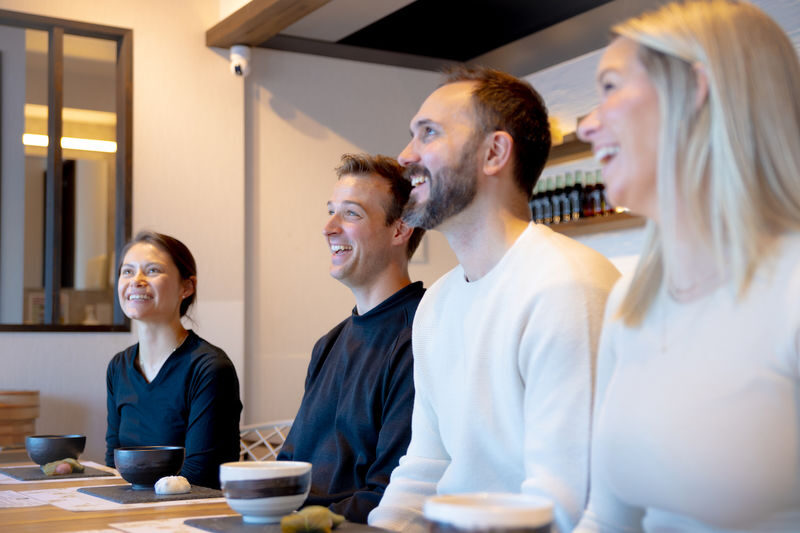 2 / 9
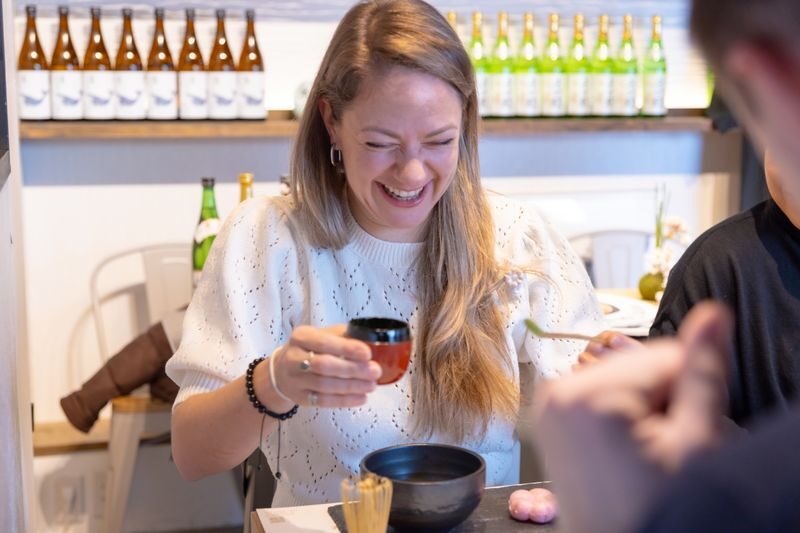 3 / 9
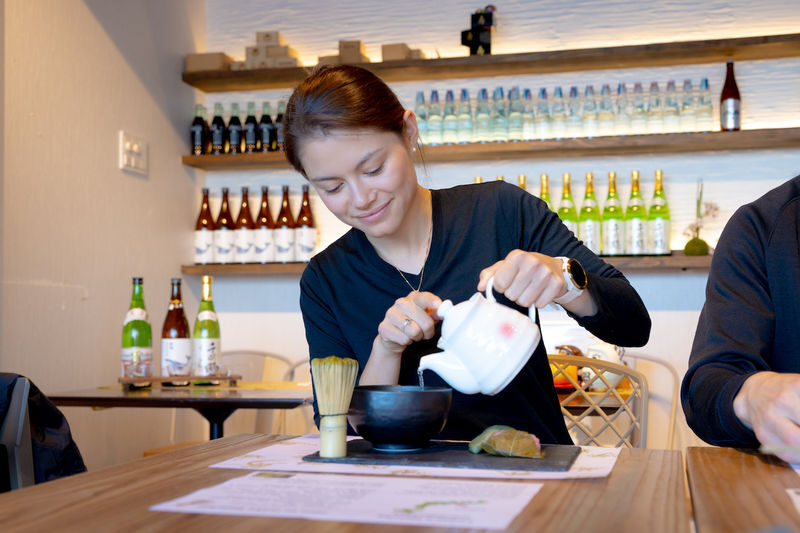 4 / 9
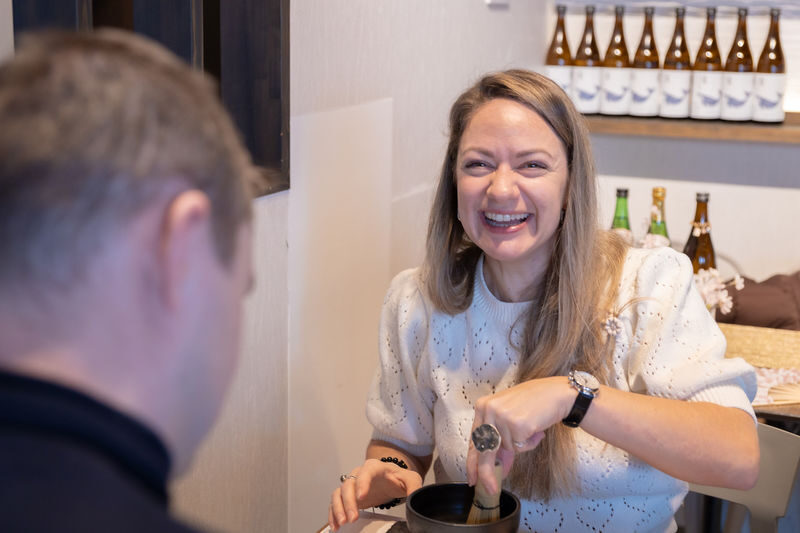 5 / 9
 6 / 9
 7 / 9
 8 / 9
 9 / 9
- Location: 2 Chome-17-9 Kaminarimon, Taito City, in Asakusa, Tokyo.
- Price: From $15.79 for the Matcha Making and Japanese Sweets package.
- What you do: Learn about matcha, practice tea etiquette, whisk your own bowl, then drink it with Japanese sweets.
- Who can join: Participants aged 4 and older. Children pay the adult rate.
- Language: English-speaking local staff guide the class.
- Time: The class is described as lasting about an hour, a manageable pause in a day of sightseeing.

👉 See our pick of the Our Picks For The 11 Best Workshops & Classes In Tokyo
A compact lesson in Asakusa
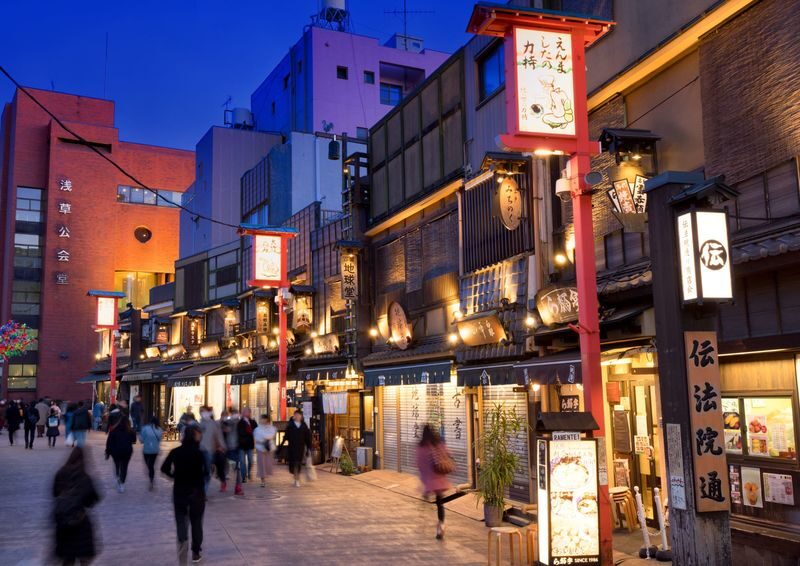
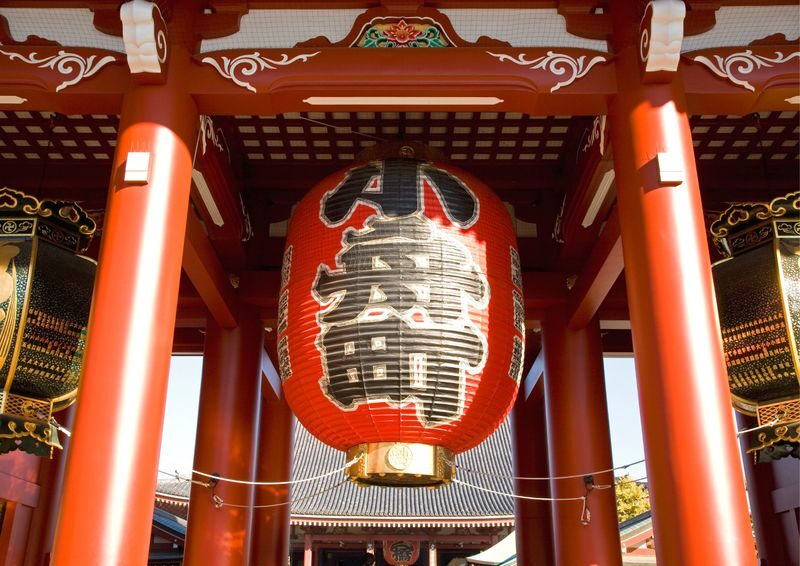
The setting makes this class especially easy to add to a Tokyo itinerary. The address is in Asakusa, a neighborhood known for traditional sights and food culture, and the class is close to Tokyo Skytree. Senso-ji Temple is also within walking distance, making the workshop a natural stop before or after exploring the area.
The venue is at 2 Chome-17-9 Kaminarimon, Taito City, Tokyo 111-0034. Use the full address when navigating, since the class location is specific and easy to confuse with other tea experiences in the city. Hotel pickup and drop-off are not included, so you will need to make your own way there.
This is a short activity rather than a full-day cultural program. That is part of its appeal: you can learn a skill, have a cup of tea, and still leave plenty of time for Asakusa’s streets, shops, and temples. The trade-off is that the lesson has to keep moving. If you want a long, quiet tea ceremony with extensive tasting, this class may feel brief.
You can also read our reviews of more tours and experiences in Tokyo


The history lesson comes before the whisk
The session begins with an introduction to matcha and its place in Japanese culture. The format is light and interactive, with a quiz rather than a lecture-heavy history lesson. That helps keep the information accessible, especially for children or anyone new to tea.
Expect to learn about the background and importance of matcha, as well as some of the manners associated with preparing and drinking it. Instructors have included Suzy, Moon, Tomona, Sana, Momoka, and Honoka. The specific teacher will depend on your session, but the class is designed for English-speaking participants and beginners.
Some classes have used visual material to support the explanation, and instructors are often described as patient and lively. The style seems friendly rather than formal. That matters if you are nervous about getting the etiquette wrong: the point is to learn and take part, not to pass an exam in tea manners.
The history portion will not satisfy everyone looking for a specialist course. The emphasis is on giving you context and a few useful details, then moving into the hands-on part. I see that as a sensible balance for a one-hour activity, particularly if you are visiting with children or fitting the class between other plans.
Whisking your own bowl
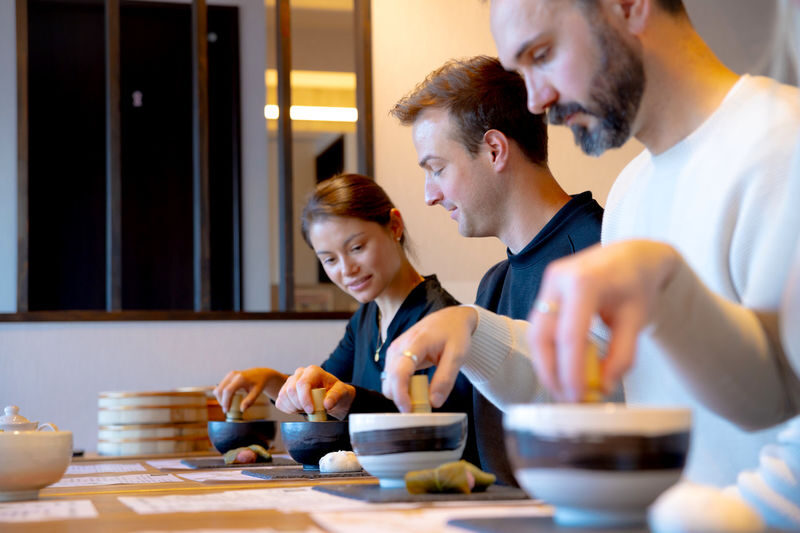
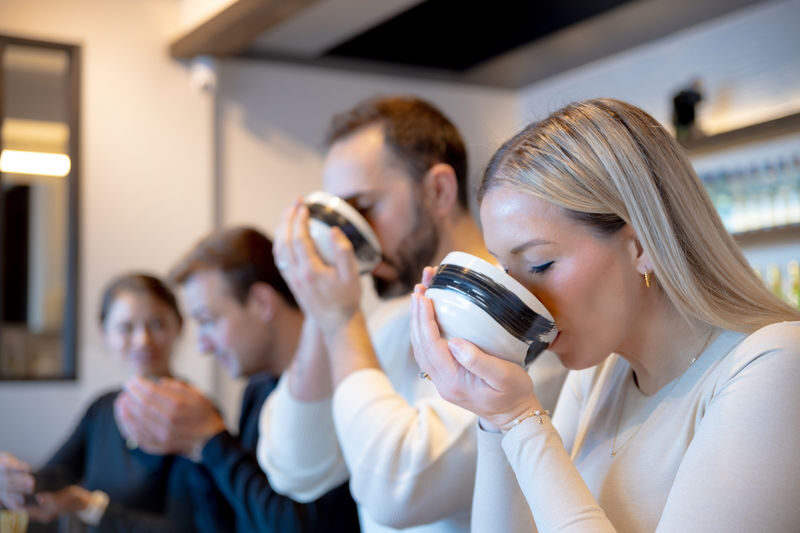
After the introduction, you get to prepare matcha with traditional tools. The instructor guides you through the steps, showing how to handle the equipment and whisk the tea. You do the work yourself, which is more memorable than simply watching someone else make a bowl.
The process is approachable for first-timers. You do not need prior experience, and the staff explain each step in English. Expect a practical lesson in preparing a cup, rather than training to become a tea master in an hour. You will leave with a better sense of how the powder becomes a smooth drink and what care goes into making it.
A good part of the activity is that it slows you down. Whisking requires attention, and the small rituals around preparing and serving the tea give you a brief change of pace from Tokyo’s busy streets. You can ask questions as you go, and the instructors’ friendly teaching style makes the experience feel social rather than stiff.
The included package provides the ingredients and matcha-making activity. One cup is part of the experience, so this is not a tasting flight. If you are especially interested in different grades or flavor profiles, ask whether an upgrade is available and what it costs. Some participants have paid extra to try other matcha types, but that is not part of the standard package.
Matcha and sweets: a small, satisfying finish
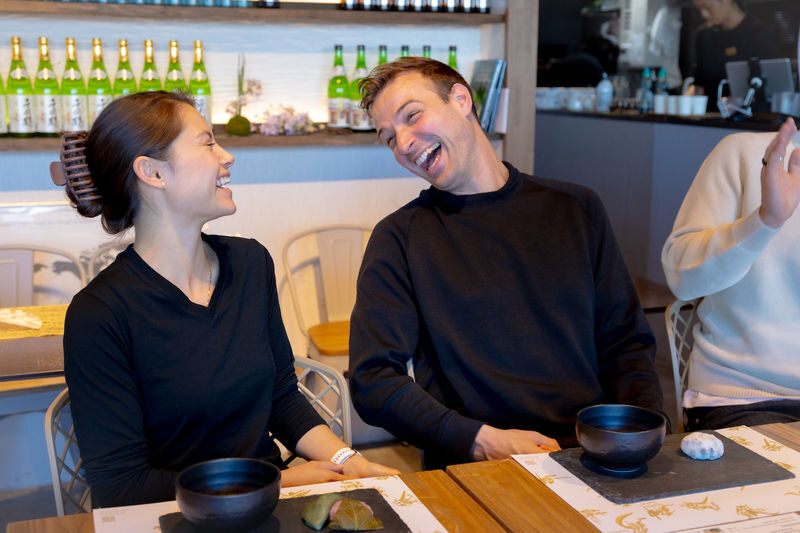
Once you have made your matcha, you drink it with Japanese sweets. The package includes two small mochi-style sweets, a modest serving that works as an accompaniment rather than a full snack or meal. Their sweetness helps balance matcha’s more grassy, earthy notes.
The pairing is part of what makes the activity feel complete. You prepare the tea, taste the result, and get a simple example of how matcha can be enjoyed with traditional confectionery. It is a nice introduction if you have mostly encountered matcha in lattes or desserts.
Keep expectations in proportion to the price. You are not getting a broad menu of sweets or a guided tasting of several teas. The class offers one prepared drink and two small treats, with extra matcha options potentially costing more. For many people, that is enough to make the lesson feel worthwhile; for dedicated tea enthusiasts, it may leave them wanting a deeper tasting.
What the class feels like for families and solo visitors
The activity welcomes both groups and solo participants, and children aged four and older can take part. The minimum age is useful for families planning a cultural activity that does not require a long stretch of sitting still. The class has been described as roughly an hour, and younger children have enjoyed the quiz, the hands-on whisking, and the sweets.
Children pay the same rate as adults, so include them in the total when comparing costs. The instructor-led format is helpful for a family: you do not need to explain the steps yourself, and the staff can guide everyone through the process. Still, younger children will need to be comfortable following instructions around tea tools and hot liquid.
Solo visitors are welcome too. The class can provide an easy, low-pressure way to meet people around a shared activity. Group size may vary; one session has been a private workshop because no other participants attended, but you should not count on having a private class. Small, intimate groups are possible, while the actual size depends on the booking.
Couples and friends can make the activity a pleasant break from sightseeing. It is not physically demanding, does not require previous knowledge, and gives you a shared task to talk about afterward. If you prefer a silent, highly formal ceremony, the friendly, conversational teaching style may be less suited to you.


Is $15.79 good value?
At a starting price of $15.79, the class is an accessible introduction to matcha making in central Asakusa. The price covers English-speaking staff, ingredients, the hands-on lesson, one matcha drink, and Japanese sweets. You are paying for instruction and participation, not simply for a cup of tea.
The value depends on what you want. If you are curious about matcha, traveling with children, or looking for a short cultural activity near Senso-ji, the price is reasonable for an hour of guided instruction and tasting. It also offers more context than ordering a matcha drink at a café and trying to guess how it was made.
If your main interest is comparing tea varieties or learning detailed tasting vocabulary, the basic package may feel limited. There is no included tasting flight, and the standard serving is small. Ask about optional matcha upgrades if variety matters to you, and factor any extra cost into your decision.
The activity has a 5.0 rating from 977 reviews, and the most consistent strengths are the instructors’ warmth, clear English explanations, and the chance to make the tea yourself. Names that come up in connection with positive teaching experiences include Suzy, Moon, Tomona, and Sana. The overall pattern points to a welcoming beginner class, though that high rating does not change the basic limitation: it is an introduction, not an intensive tea course.
Fitting the workshop into an Asakusa day
I would plan the class as a one-hour pause in a day around Asakusa. You can pair it with a visit to Senso-ji Temple, browse the nearby area, or make it part of a broader outing toward Tokyo Skytree. Since the activity is close to these sights, it can save you from making a separate cross-city trip just for a short lesson.
The class is indoors, and one participant noted that the air-conditioned space offered relief from July heat. That can be useful during a hot-weather visit, though the room’s conditions may vary. Either way, a seated activity can be a welcome change after walking around the neighborhood.
Arrive at the Kaminarimon address shown for the class, not simply at a general Asakusa landmark. Your voucher is valid only for the date and time specified, so check those details when planning the rest of your day. Confirmation is usually sent within minutes; if it does not arrive, contact customer support.
The activity is not a meal, and hotel transfers are not included. Plan to eat separately if you need a full lunch or dinner. The short format works best when you treat it as a focused cultural stop rather than the centerpiece of an entire day.
Should you book this matcha class?
Book it if you want a friendly, hands-on introduction to matcha, especially if you are already exploring Asakusa. The combination of a short history lesson, simple etiquette, your own whisked tea, and Japanese sweets is well suited to first-timers, families with children aged four and up, and anyone who wants to try something more participatory than a standard sightseeing stop.
Look elsewhere if you want a formal, extended tea ceremony or a detailed comparison of multiple matcha varieties included in the price. For a modest fee, this is best understood as a warm, compact workshop: you learn the basics, make a bowl, and enjoy it in the neighborhood where traditional food culture is part of the day.
Matcha Making Class in Tokyo
“It was a quick but informative class. It is worth doing if you're in the area. Though, it would be better if they included different types of match…”
FAQ
Where is the matcha-making class held?
It is held at 2 Chome-17-9 Kaminarimon, Taito City, Tokyo 111-0034, Japan, in Asakusa.
How much does the class cost?
The listed starting price is $15.79 for the Matcha Making and Japanese Sweets package. Optional upgrades may cost extra.
Is the class taught in English?
Yes. English-speaking local staff guide participants through the activity.
What is included in the package?
The package includes ingredients, matcha making, Japanese sweets, and English-speaking staff. It does not include hotel pickup or drop-off.
Can children take part?
Yes. Participants must be at least four years old. Children aged four and older are charged the same rate as adults.
What is the cancellation policy?
You can receive a full refund if you cancel at least 24 hours before the activity date, using the destination’s local time.