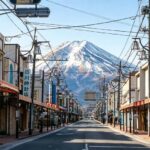
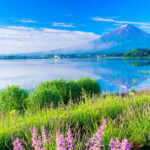
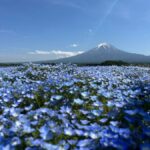
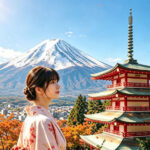
Mount Fuji is the star, but this day trip gives you more than a distant peak: the classic route pairs Hakone’s steaming Owakudani valley with the shrine and pagoda views around Fuji’s base. You can also choose a lake-and-ropeway route or a slower circuit of popular photo stops.
I like two things here: you avoid piecing together long regional transfers yourself, and the three route options let you choose between volcanic Hakone, a high viewpoint above Lake Kawaguchiko, or a more relaxed photo circuit. Guides can also make a difference: past guides including Serina, Luna and Yuri were praised for clear instructions, multilingual explanations and helping with photos.
The trade-off is a long day with plenty of time on the road and short visits at each stop. Fuji visibility is never guaranteed, and traffic or weather can mean a stop is shortened or skipped.
- Three distinct day plans: Choose Hakone and Owakudani, a Kawaguchiko ropeway, or the Fuji Five Lakes photo route.
- A long ride made simpler: Round-trip transport from Tokyo includes fuel, tolls and parking, so you can skip the transfer puzzle.
- Owakudani ropeway on Route A: The ticket is included, but the Hakone pirate ship is optional and costs 1,700 yen.
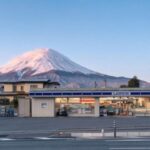
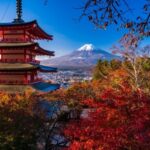
- Time for the famous Fuji frames: Depending on your route, stops may include Chureito Pagoda, Oishi Park, Oshino Hakkai and the Lawson photo spot.
- A fixed shared-group outing: Groups can range from 4 to 48 people, with set stop times and possible changes for traffic, weather or crowds.
- Choose the Fuji day that matches your priorities
- Tokyo departures mean an early start
- Hakone Shrine and the pirate ship
- Owakudani’s steam and sulfur
- Fuji foothill photo stops
- The lake routes trade volcanoes for open views
- What the price covers, and what it does not
- Guides, group pace and practical limits
- Should you book this Mount Fuji day trip?
- FAQ
- How long is the tour?
- Where can I meet the coach?
- Which route should I choose?
- Is the pirate ship included in Route A?
- Are meals included?
- Is Mount Fuji guaranteed to be visible?
- Is the tour suitable for children?
- What should I bring, and can I bring luggage?
- The Best Of Fujiyoshida!
- More Shopping Tours in Fujiyoshida
- More Tours in Fujiyoshida
- More Tour Reviews in Fujiyoshida
Choose the Fuji day that matches your priorities
 1 / 9
 2 / 9
 3 / 9
 4 / 9
 5 / 9
 6 / 9
 7 / 9
 8 / 9
 9 / 9
The product is not one single route with every attraction. It offers three shared-tour options, plus a private charter for up to six people. Check the selected package carefully before booking, since the Hakone and lake routes visit different areas.
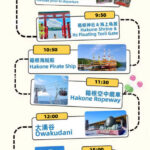
Route A, the Classic Volcano Route, combines Hakone’s volcanic sights with Fuji-area photo stops. It is the broadest mix of nature and culture, but it also involves more inter-regional driving. The detailed timing below describes this option.
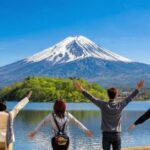
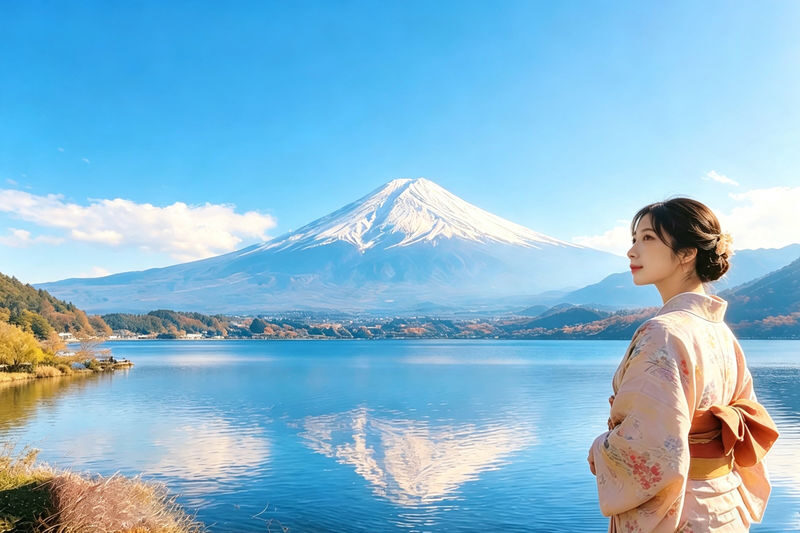
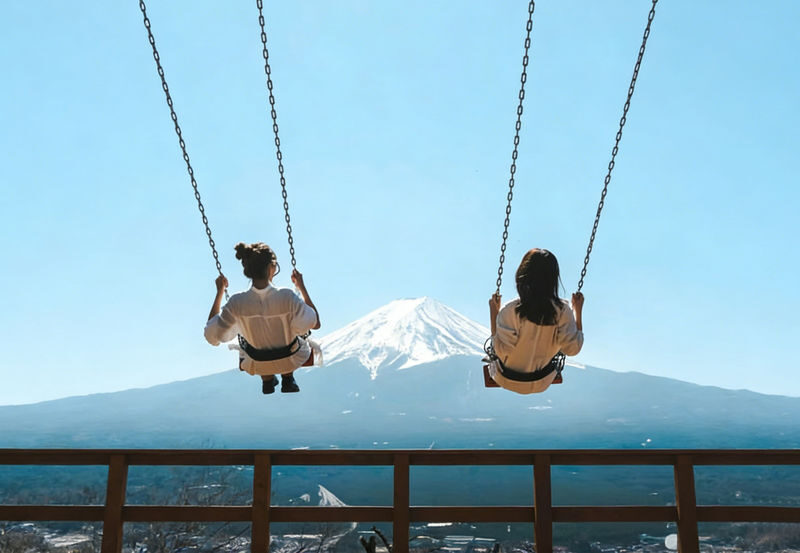
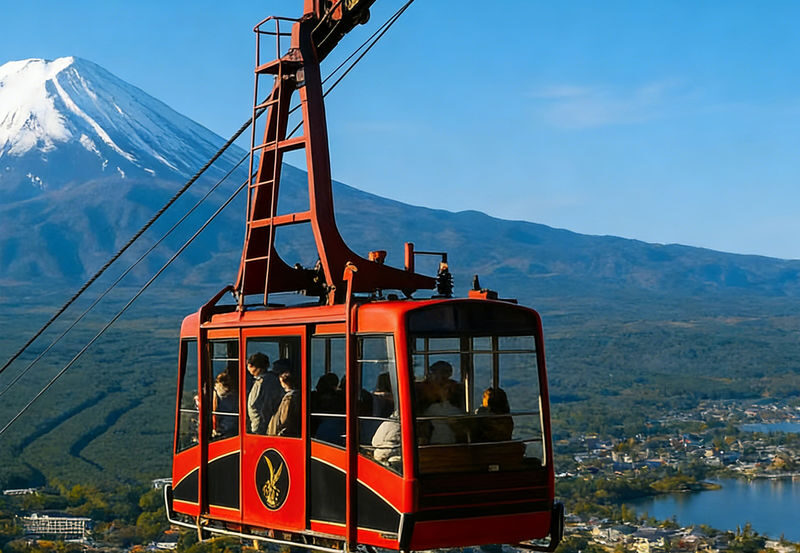
Route B, the Panoramic Route, centers on Lake Kawaguchiko and includes the Mt. Kachi Kachi Ropeway. The ride up gives you a high viewpoint over the lake and, when conditions cooperate, Mount Fuji. This is the clearest choice if your main goal is a wide lake-and-mountain view.
Route C, the Internet Celebrity Route, skips the cable car and focuses on Lake Kawaguchiko, Lake Yamanakako and popular photo stops. The route description also includes Oshino Hakkai and Oishi Park. It suits you if you prefer lakeside scenery, village springs and short photo walks to a paid lift.
The private option accommodates up to six people and offers more flexibility. The shared tour is the lower-cost choice, starting at $49.29, but it follows a group timetable rather than your own.

👉 See our pick of the 8 Most Highly Rated Private Driver Services In Fujiyoshida
Tokyo departures mean an early start
You can meet at Tokyo Station’s Marunouchi North Exit at 7:20 a.m., with departure at 7:30, or at Shinjuku MODE Gakuen at 7:50, departing at 8:00. Arrive ten minutes early. The return is estimated for 6 p.m. at Tokyo Station or Shinjuku, though on weekends and holidays the return may stop only at Tokyo Station.
This is a full day, not a leisurely outing with long café breaks. The coach covers substantial distances, and Japanese traffic, holiday congestion and road controls can shift the order of stops or cut into sightseeing time. Do not plan a timed evening activity after the estimated return.
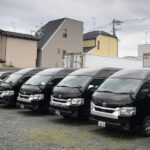
The vehicle is shared with other participants, and its size depends on the group. The stated group range is four to 48. When a smaller group travels, the driver may also serve as the tour escort, rather than a separate tour leader. You need to keep to the meeting times at each stop: if you miss the group, you may have to reach the next meeting point yourself.
You can also read our reviews of more shopping tours in Fujiyoshida

Hakone Shrine and the pirate ship
On Route A, the first listed stop is Hakone Shrine or the Heiwa no Torii, a waterside gate associated with the shrine. You get about 30 minutes. The cedar trees and lake setting offer a quieter counterpoint to the day’s more obvious photo stops, though the short visit is not enough for a slow, unhurried shrine exploration.
Next comes the Hakone pirate ship from Motohakone Port to Togendai Port, scheduled for about 25 minutes. This boat ride is optional and costs 1,700 yen, paid separately. If the boat is full, not operating, or you would rather skip it, you can take a bus to Togendai Station. Factor that extra fare into your budget if you want the cruise.
The boat adds a different angle on Lake Ashi and may give you a view of the torii from the water. But the tour’s planned timing depends on conditions, so treat the boat as a possible bonus rather than the day’s anchor.
Owakudani’s steam and sulfur
Route A includes the Hakone Ropeway, with a complimentary ticket. The ride is listed at about 25 minutes and gives you a moving view of volcanic fumes, Lake Ashi and, on a clear day, Fuji. If the ropeway is suspended, the tour information says each participant receives a black egg instead.
At Owakudani, allow about 40 minutes. This is an active geothermal area, known for white steam rising from sulfurous ground. The name Great Hell Valley hints at the dramatic setting, but the visit is a short look rather than a hike through a large park. You can buy the local black eggs and explore the volcanic trails, time and conditions permitting.
The stop’s appeal is its contrast with the lake and shrine scenery. You see the earth at work, then return to the bus for the next leg. If you have asthma or another health condition affected by outdoor exertion or volcanic air, review the activity’s health restrictions before booking.
Fuji foothill photo stops
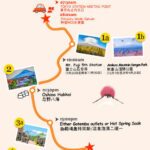
The classic route then heads toward the Fuji area. A Lawson or 7-Eleven stop is planned for about 20 minutes, with the guide choosing between them according to traffic. The Lawson in Fujikawaguchiko has become a familiar Fuji photo spot: the mountain can appear behind the convenience store, making an everyday shop part of the picture. It is still a working store, so be considerate of customers and the surrounding area.
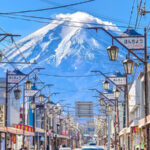
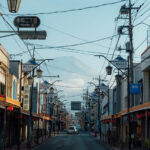
Hikawa Clock Shop is scheduled for another 20 minutes. The nearby street is known for its view toward Mount Fuji, with the road creating a strong line through the town. This is a quick frame, not a long wander among shops. If clouds cover the peak, the composition remains, but the view you came for may not.
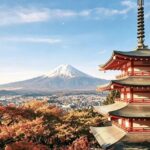
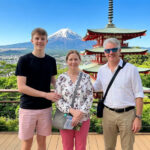
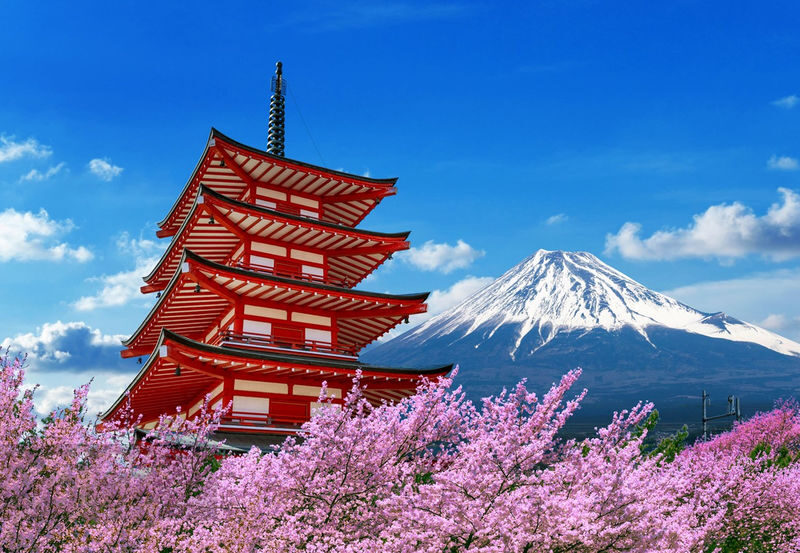
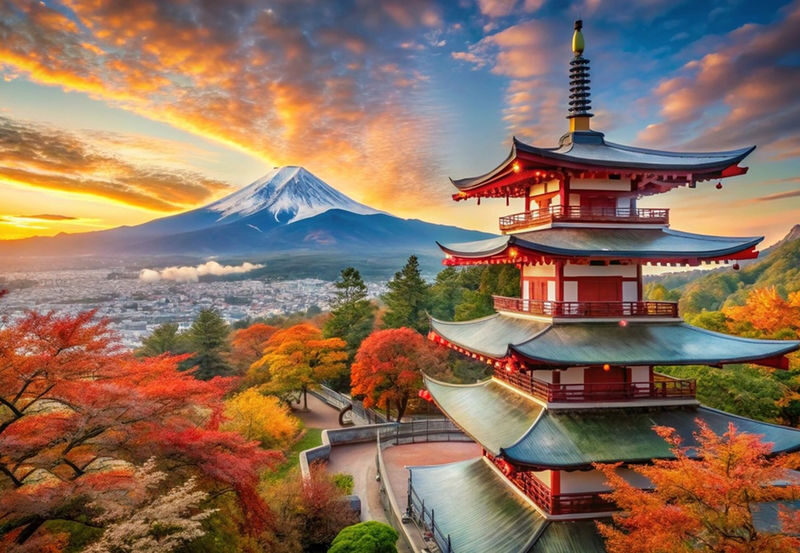
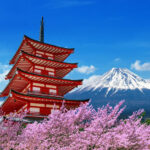
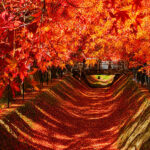
Arakurayama Sengen Park is the day’s major Fuji viewpoint, with about an hour allotted. Its familiar image brings Mount Fuji and the five-story Chureito Pagoda together. The park also includes Arakura Fuji Sengen Shrine. You should expect stairs to reach the upper viewpoint, so wear shoes you can walk in and save a little energy for the climb. Cherry blossoms and autumn color can add seasonal interest, but flowering and foliage depend on weather and timing.
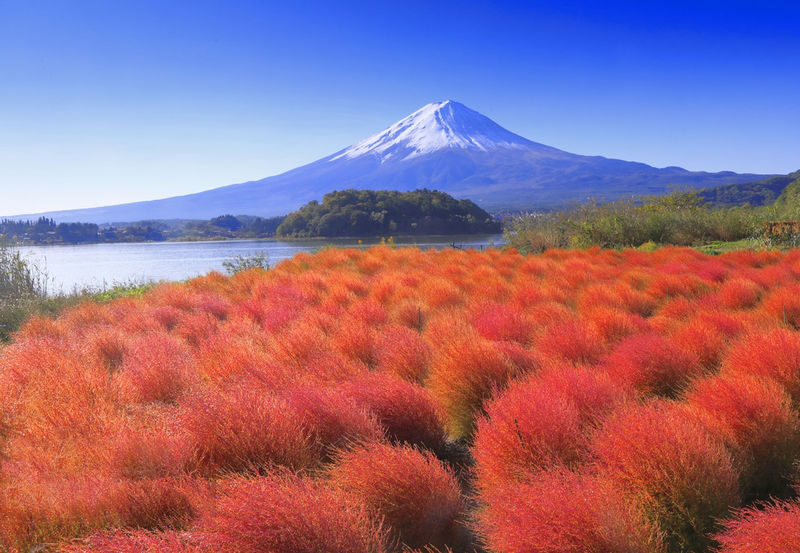
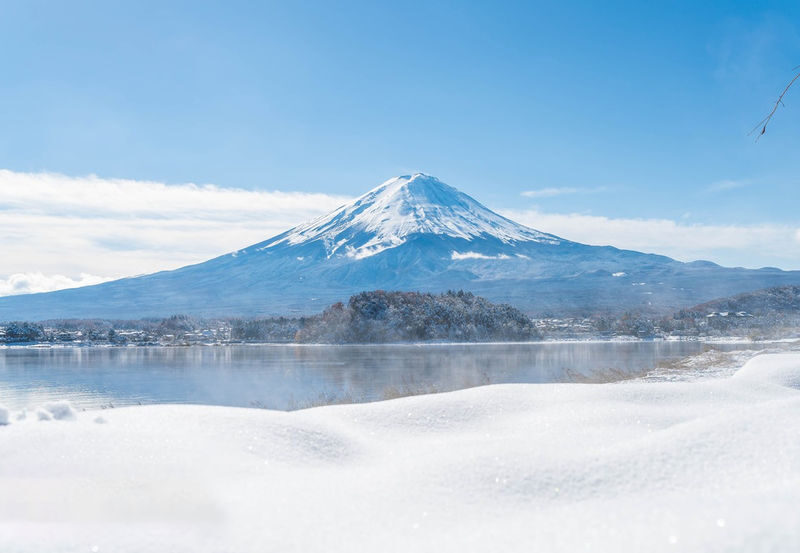
The mountain is not always visible. Some people have had a clear view in the morning and clouds by the time they reached the pagoda; others have had cloud cover all day. A guide can adjust the order when conditions change, but no route can promise a clear Fuji portrait.
The lake routes trade volcanoes for open views
Route B is for the high view. The Mt. Kachi Kachi Ropeway climbs above Lake Kawaguchiko, where the lake and Fuji can share the frame. The ropeway is included in this package, according to its description. It is a sensible choice if you want a panoramic viewpoint without building your own transport connections, but queues and visibility can affect how much time you spend enjoying the view.
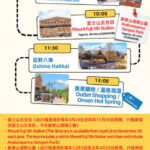
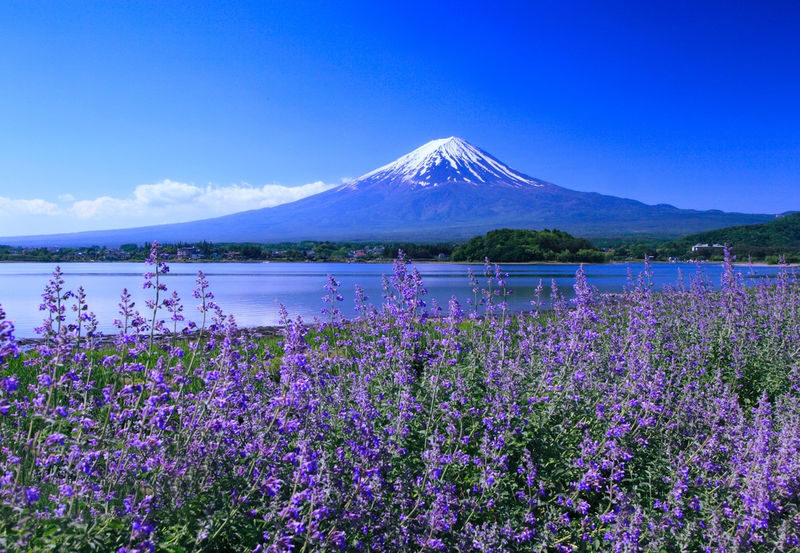
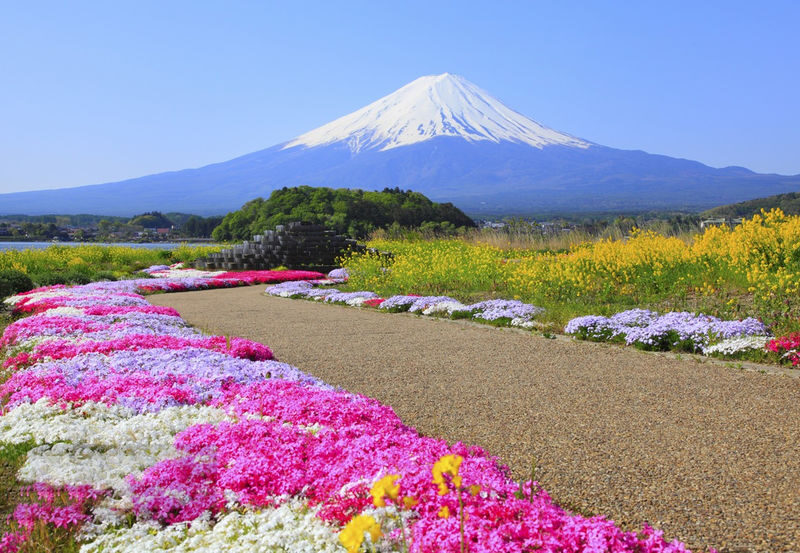
Route C moves among the lakes and photo stops without a cable car. Oishi Park faces Mount Fuji across Lake Kawaguchiko and is known for seasonal flowers and changing views through the year. Lake Yamanakako, another of the Fuji Five Lakes, offers a calmer waterside setting. Oshino Hakkai adds spring-fed pools and a village setting to the day’s scenery.
The value of Route C is variety at a gentler pace: lake, village and popular street scenes rather than the Hakone ropeway and volcanic valley. Do not assume every attraction named in the broad tour description appears on every route. The route you select determines the stops, and traffic or weather can still affect the plan.
You can also read our reviews of more tours and experiences in Fujiyoshida
What the price covers, and what it does not
At a starting price of $49.29, this is appealing if you value transport and several regional sights more than time spent at any one place. Round-trip transfers, fuel, tolls and parking are included, along with a Chinese, English or Japanese-speaking guide. For a visitor unfamiliar with the area’s connections, having the long drives handled is a substantial part of the value.
The inclusions do not cover meals, drinks, tips or personal purchases. Route A includes the Hakone Ropeway ticket, while the pirate ship is an extra 1,700 yen. Route B includes the Mt. Kachi Kachi Ropeway; Route C excludes a cable car. Confirm the details of your chosen package before paying, since the headline price alone does not tell you which lift tickets apply.
Lunch is flexible rather than included. The guide may suggest restaurants, but you can also bring food or buy a convenience-store meal. In some circumstances, such as traffic delays or when most of the group does not need a meal stop, the planned dining time may be canceled. Bring cash for small purchases and do not count on a long sit-down lunch.
Guides, group pace and practical limits
The strongest part of a coach day like this is often the person managing the moving pieces. Guides on past departures have included Serina, Luna, Yuri, Zoe and Tommy. The assigned guide is not guaranteed, but guides have helped explain stops in English and Chinese, kept groups informed, adjusted plans and taken photos. Those are useful skills when you are trying to make the most of brief visits.
Treat the outing as a guided overview, not a private exploration. You will have a fixed time at each stop, and the group needs to leave together. That structure makes it possible to see several areas in one day, but it limits spontaneous detours and long visits. If you want to linger over lunch, walk every shrine path or wait for the clouds to lift, an independent overnight stay gives you more control.
Pack sunscreen, sunglasses, a hat and cash, and dress for the day’s forecast. The tour advises anyone prone to motion sickness or seasickness to prepare accordingly. Standard-sized luggage is not allowed, so this is not a transfer day for people carrying suitcases.
There are also important health limits. The activity is not recommended for people with heart disease, high blood pressure, asthma, epilepsy, acrophobia, pregnancy or other serious conditions that make the outing unsuitable. Children must be included in the passenger count; children aged three and older pay the adult rate, while children aged zero to two may ride free only if they do not need a seat. Children under 18 need a paying adult, and older participants should check the stated health and accompaniment requirements before booking.
Should you book this Mount Fuji day trip?
Book it if you have one day, are based in Tokyo and want transport to several Fuji or Hakone highlights without arranging each connection. Route A gives you the most varied mix, Route B favors the panoramic lake view, and Route C is the better fit for a relaxed circuit of lakes and photo stops. The low starting price can represent good value once you account for the distance covered and included transport.
Skip it if your priority is a slow visit, a guaranteed view of Mount Fuji, or the freedom to change plans at each stop. Weather can hide the mountain, traffic can trim the day, and the fixed coach pace leaves little room to linger. For a first look at the region, though, this is a practical way to see several very different sides of Fuji country in one long day.
Mount Fuji Day Trip: Hakone Owakudani, Arakurayama Sengen Park, Kawaguchiko Oishi Park, Lake Yamanaka, Lawson Convenience Store (Multiple routes available, departing from Tokyo)
“The overall schedule was delayed due to traffic congestion from the Japanese holidays. However, even in this situation, Luna's proper guidance made…”
FAQ
How long is the tour?
The tour lasts about 10.5 hours. Departures are scheduled for 7:30 a.m. from Tokyo Station or 8:00 a.m. from Shinjuku, with an estimated return around 6 p.m.
Where can I meet the coach?
You can meet at Tokyo Station’s Marunouchi North Exit or at Shinjuku MODE Gakuen. Arrive at least ten minutes before the listed departure time.
Which route should I choose?
Choose Route A for Hakone Shrine, the Owakudani Ropeway and Fuji-area sights. Choose Route B for Lake Kawaguchiko and the Mt. Kachi Kachi Ropeway. Choose Route C for Lake Kawaguchiko, Lake Yamanakako and popular photo stops without a cable car.
Is the pirate ship included in Route A?
No. The Hakone pirate ship is optional and costs 1,700 yen, paid separately. A bus to Togendai Station is an alternative if the boat is full, not operating or you choose not to ride it.
Are meals included?
No. You can bring food, buy it at a scenic stop or consider a restaurant suggested by the guide. The meal stop may change or be canceled depending on traffic and group needs.
Is Mount Fuji guaranteed to be visible?
No. The view depends on weather and cloud cover. The itinerary may be rearranged because of weather, road conditions or crowds, but a clear view cannot be promised.
Is the tour suitable for children?
Children aged zero to two can join free if they do not occupy a separate seat. Children aged three and older pay the adult rate, and anyone under 18 must be accompanied by a paying adult. The activity is not recommended for infants.
What should I bring, and can I bring luggage?
Bring sunscreen, sunglasses, a hat and cash, and dress for the weather. Standard-sized luggage is not allowed on the vehicle.