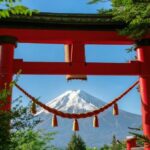
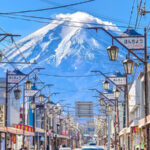
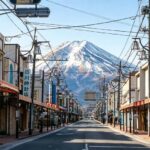
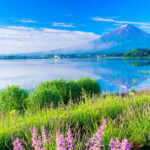
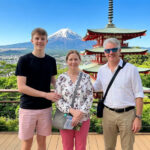
Mount Fuji is the star of this 9.5-hour day trip, but the best part is seeing how it changes its setting: above Fujiyoshida’s rooftops, at the end of a quiet street, mirrored in spring-fed ponds, and framed by Lake Kawaguchi’s seasonal flowers. It’s a fast way to collect several classic views without planning your own transport.
I like two things in particular: the route mixes famous photo spots with the clear ponds and village feel of Oshino Hakkai, and the daily departure makes it possible to book even if you’re traveling solo. Guides such as Peter, Sawaki, Uehara and Hou Jing have been praised for helpful explanations and photo assistance.
The trade-off is time. Stops are short, the climb at Arakurayama takes effort, and Mount Fuji can disappear behind clouds. Traffic can also delay the return, so don’t schedule anything important that evening.
- At a glance
- A day built around changing views of Fuji
- Arakurayama Sengen Park and the famous pagoda view
- Hikawa Clock Shop: Fuji at the end of the street
- Lunch: keep it simple and flexible
- Oshino Hakkai: clear water and old village scenery
- Lawson and the everyday Fuji view
- Lake Kawaguchi: flowers, blossoms or autumn leaves
- What the guide and group format mean in practice
- Price, comfort and who gets the best value
- Practical details before you book
- Should you book this Mount Fuji day tour?
- FAQ
- Where does the tour depart from?
- How long is the tour?
- Is Mount Fuji guaranteed to be visible?
- How much walking is involved?
- Is lunch included in the price?
- Which stops are included at Lake Kawaguchi?
- Can I bring luggage or travel with a young child?
- The Best Of Fujiyoshida!
- More Shopping Tours in Fujiyoshida
- More Tours in Fujiyoshida
- More Tour Reviews in Fujiyoshida
At a glance
 1 / 10
 2 / 10
 3 / 10
 4 / 10
 5 / 10
 6 / 10
 7 / 10
 8 / 10
 9 / 10
 10 / 10
- The 397-step climb: Arakurayama Sengen Park pairs Chureito Pagoda with Fuji and Fujiyoshida below.
- A street-level Fuji view: Hikawa Clock Shop is a brief stop for the famous view down a Japanese street toward the mountain.
- Eight spring ponds: Oshino Hakkai brings a quieter, water-focused contrast to the busy photo stops.
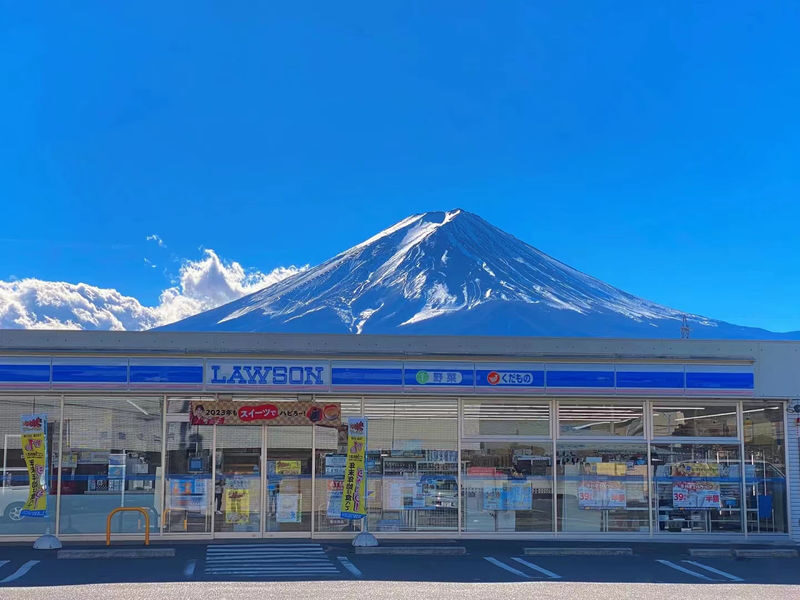
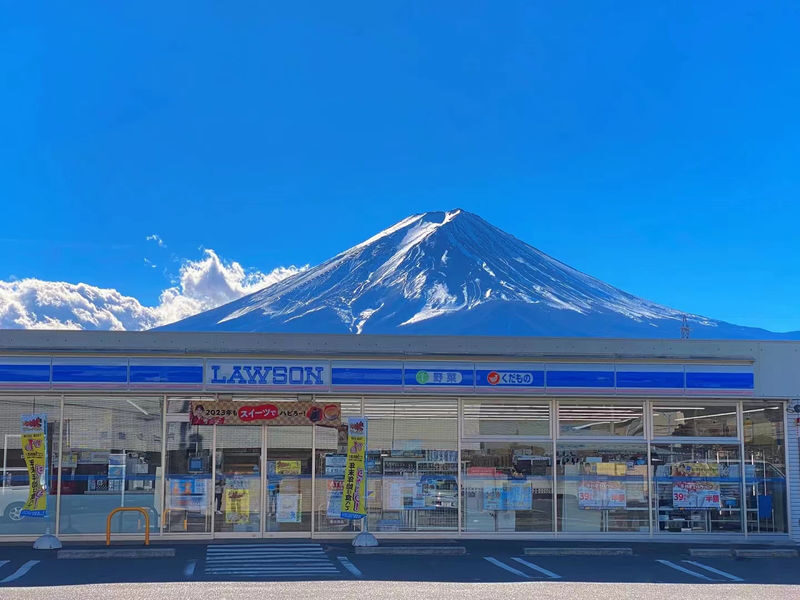
- A familiar convenience store: Lawson offers a simple, instantly recognizable Fuji frame.
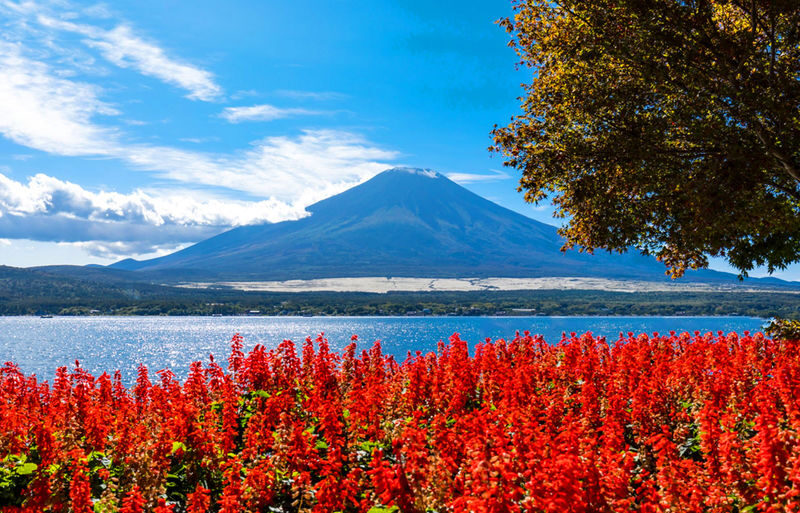
- Seasonal lakeside scenery: The final stop is Oishi Park on most dates, with cherry blossoms or autumn leaves on selected dates.
- A long day with variable timing: Departure is from Tokyo at 8:00 or Shinjuku at 8:30, with return expected between 17:30 and 19:00.

👉 See our pick of the 8 Most Highly Rated Private Driver Services In Fujiyoshida
A day built around changing views of Fuji
This tour is less about one long visit than about seeing Mount Fuji from several angles in a single day. You move from a high overlook to a town street, then to spring-fed ponds and the lakeshore. That variety is the main reason to consider it: if the mountain is visible, you have several chances to frame it well.
It’s also a practical choice if you don’t want to work out transport between Fujiyoshida, Oshino Hakkai and Lake Kawaguchi. Round-trip transfers and an English- or Japanese-speaking guide are included in the standard package. Chinese and English packages are offered, too, along with small-group options with hotel pickup and drop-off and private car tours.
The standard group can include as many as 48 people. Small groups are listed at four to nine people, while private-car options avoid mixing with other groups. Check the package details before booking: the small-group and private options differ from the meeting-point shared tour, and vehicle type can vary with the number of people booked.
You can also read our reviews of more shopping tours in Fujiyoshida
Arakurayama Sengen Park and the famous pagoda view
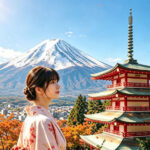
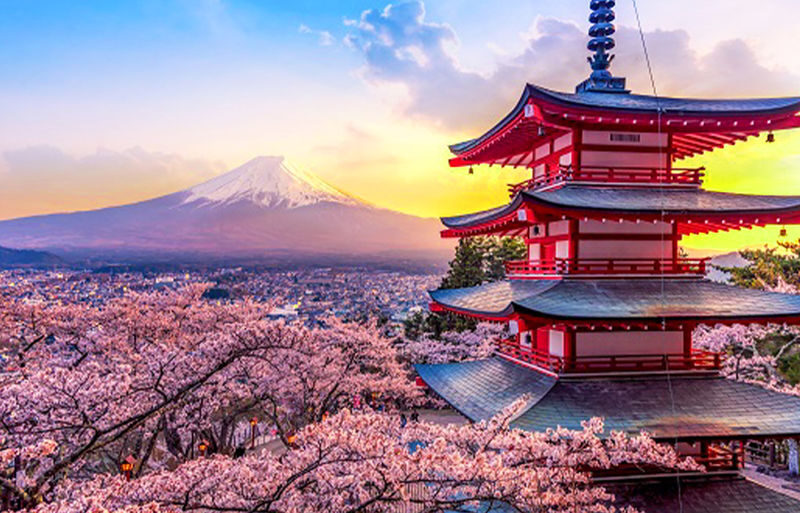
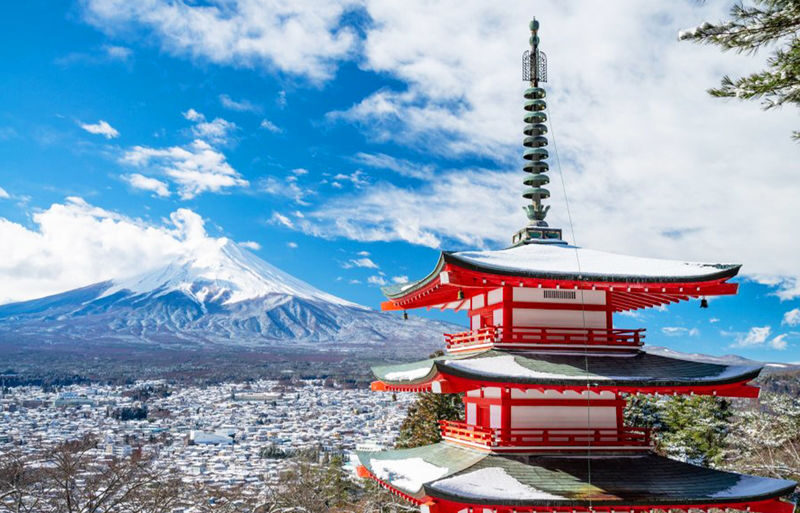
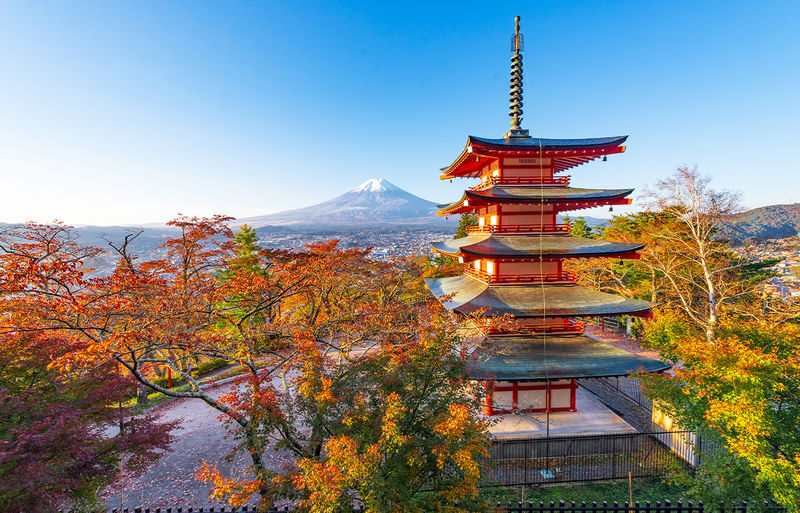
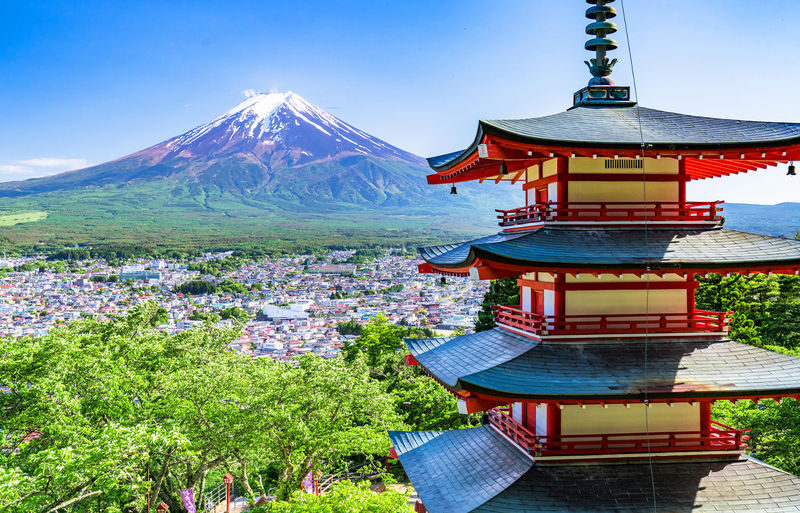
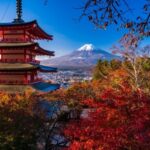
The first major stop is Arakurayama Sengen Park, reached after the morning drive from Tokyo. You have about an hour to explore on your own. The photo that draws most people here brings together Mount Fuji, Chureito Pagoda and Fujiyoshida’s rooftops, with the mountain forming the backdrop.
Getting to the viewpoint means climbing 397 steps. That detail matters: an hour sounds generous until you account for the climb, pauses, crowds and photos. Wear shoes you can manage on stairs, and use the time to enjoy the town and mountain rather than racing up just to take one picture.
This is sightseeing, not a religious visit. The park is valued here for its view, and there are no religious activities included. The guide provides route guidance, but does not accompany each person throughout the entire visit. Listen carefully to the directions and keep track of the meeting time.
Cherry blossoms, green foliage, autumn colors and snow can all change the view, but the season doesn’t guarantee clear skies. Mount Fuji visibility is often lower in summer, and clouds can obscure the summit at any time. If the mountain is hidden, the pagoda and city still make a worthwhile stop, but the signature composition depends on the weather.
Hikawa Clock Shop: Fuji at the end of the street
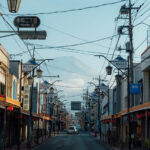
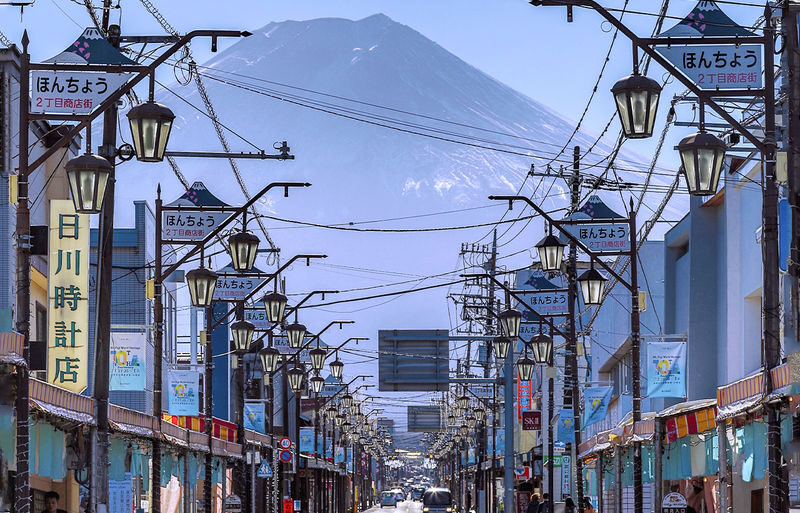
A short ride, or nearby route, brings you to Hikawa Clock Shop, where you have about 20 minutes. The appeal is the street itself: look down the road and Mount Fuji appears beyond the everyday rooftops and shopfronts. It’s a striking contrast to the elevated panorama at Arakurayama.
This is a quick photo stop, not a long town walk. The attraction is close to the park, and the guide’s role is to point out the route rather than escort the whole group from spot to spot. Keep close attention to directions and the return time. In a compact schedule, a wrong turn can cost a substantial part of the visit.
Lunch: keep it simple and flexible
The schedule allows about 30 minutes for lunch. The guide recommends places, with suggested meals including fried chicken or vegetarian food for ¥1,500, and wagyu beef or eel for ¥3,000. An all-you-can-drink beverage option is listed at ¥500. These are optional, cash-only purchases, not part of the tour price.
You can also bring your own lunch or buy food at Oshino Hakkai. That flexibility is useful if you have dietary preferences or would rather spend your money elsewhere. Just remember that half an hour is a short lunch break, so don’t count on a leisurely meal.
Oshino Hakkai: clear water and old village scenery
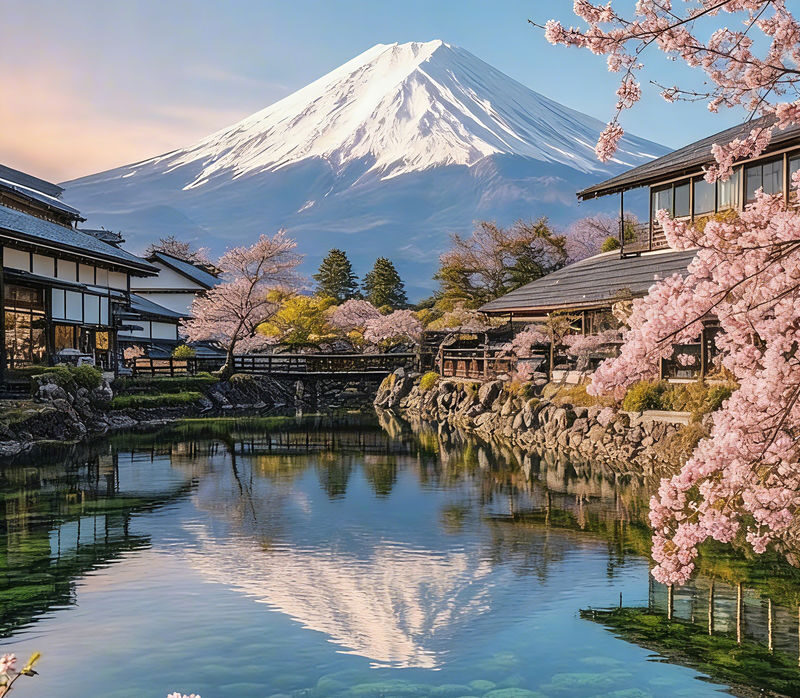
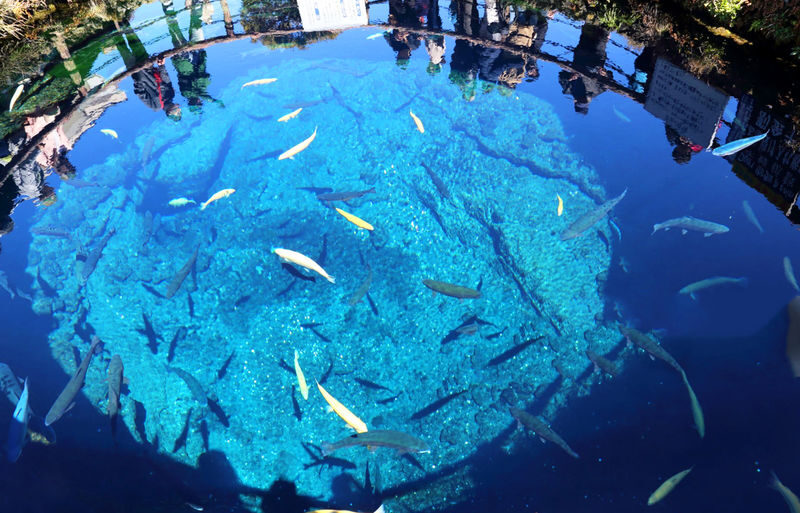
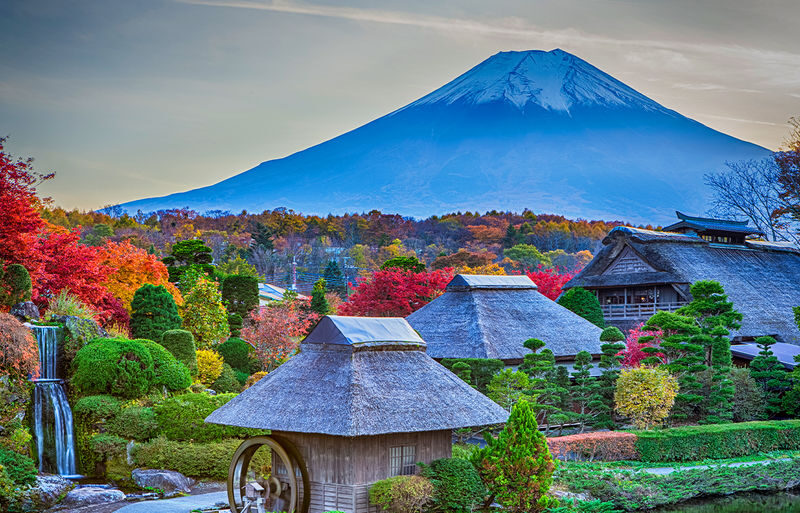
Oshino Hakkai is the day’s most natural counterpoint to the pagoda and street views. The site is known for eight spring-fed ponds, with clear water reflecting sky and, when conditions allow, Mount Fuji. Wooden buildings, small bridges and streams give the stop a different pace and texture.
You have about an hour to explore independently. Use it to look beyond the first pond and take in the village setting, but keep an eye on the clock. This is also a possible place to buy food if lunch plans don’t suit you. The water clarity is a highlight, though the mountain reflection is weather-dependent.
Oshino Hakkai can be busy, especially when the weather is good. The schedule gives enough time for a walk and photos, not an unhurried visit to every corner. If this is the stop you most want to linger at, accept that the tour’s other short stops may limit how long you can stay.
Lawson and the everyday Fuji view
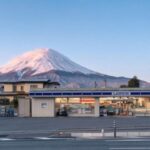
The Lawson stop lasts about 20 minutes. Here, the familiar convenience-store frontage and Mount Fuji share the frame, making an ordinary slice of Japanese daily life part of the picture. It’s a quick, distinctive stop rather than a major cultural attraction.
The appeal is partly the contrast: after the park and ponds, you see the mountain alongside a recognizable shop in a town setting. This stop is especially useful for anyone hoping to come home with a set of varied Fuji photos, rather than several versions of the same lake view.
Lake Kawaguchi: flowers, blossoms or autumn leaves
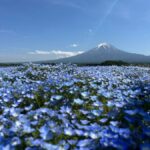
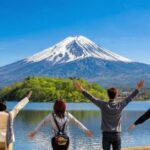
The final scenic stop lasts about 50 minutes. On most dates, the tour goes to Oishi Park, where seasonal flowers provide a foreground for Mount Fuji. Lavender is associated with summer, while kochia turns red in autumn. The combination of lakeside views, blooms and mountain makes this a fitting finish to a photo-focused day.
From March 28 to April 12, the planned destination is the Lake Kawaguchi Cherry Blossom Festival. From November 1 to November 30, it is the Maple Corridor, subject to official notices. These dates are calendar windows, not promises of peak blossoms or foliage. Flowering and leaf color depend on weather and can vary from year to year; no refund is offered if the display doesn’t match expectations.
The schedule may change with weather, traffic, capacity or other conditions, and some stops may be omitted. Treat the lake visit as an opportunity, not a guarantee of a particular seasonal scene. If Fuji is clouded over, the flowers and lakeshore still offer something to see, but the classic mountain composition may be missing.
What the guide and group format mean in practice
A guide handles the route, timing and practical directions, and guides are a major part of how smoothly a day like this runs. Names attached to particularly warm or helpful service include Peter, Sawaki, Uehara, Lee Han and Hou Jing. Guides vary by departure, so you can’t count on a specific person, but the service can include cultural explanations, route reminders and help taking group photos.
The standard tour may combine people speaking different languages in one vehicle. The package language indicates the service you book, but it does not necessarily mean every person on board speaks that language. If you want fewer people and more direct support, compare the small-group and private-car options before choosing.
Transport is a large part of the day. The drive to the Fuji area and back can feel long, and traffic can make it longer. Some people have found the schedule rushed, while others appreciate that it covers several locations in one day. That tension is real: this tour trades depth at each stop for breadth across the region.
Price, comfort and who gets the best value
At a starting price of $49.29, the standard option can offer good value if your priority is seeing several Fuji viewpoints without arranging separate transport. The price includes round-trip transfers and admission to attractions, while meals, drinks and personal purchases are extra. At this price, think of it as a transport-and-sightseeing day, not a private guided visit at every stop.
The lowest price is not the same as the most comfortable option. Shared groups can reach 48 people, and vehicle type depends on the number booked. Small-group tours use vehicles for four to nine people, but the smaller vehicles have limited interior space and may be less comfortable on the long drive than a large bus. Oversized suitcases are a poor fit; luggage rules allow one piece per person if declared when booking.
This trip suits solo visitors, couples and families who want the main photo stops handled in one day. It’s also a sensible pick if you’re happy to walk at your own pace and follow clear return times. It’s less suitable if you want long, quiet visits, dislike stairs, or expect a guaranteed view of Fuji.
Practical details before you book
Choose your meeting point carefully. The Tokyo Station departure is listed for 8:00, and the Shinjuku departure for 8:30. Arrive 10 minutes early, and don’t change meeting points at the last minute. The guide holds a GOGODAY flag, and vehicle and guide details are sent by email between 20:00 and 21:00 the night before. Check your spam folder.
The expected return window is 17:30 to 19:00, with the arrival time affected by traffic and weather. Leave your evening clear; the operator does not cover losses caused by a late return. Late arrivals and no-shows are not refundable. Standard cancellations made at least 24 hours before the activity date qualify for a full refund, subject to the stated booking conditions.
Children aged 0 to 2 can join free if they don’t need a separate seat, but they must be included in the passenger count. Children aged 3 and up pay the adult rate. Pets are not allowed, and people who appear intoxicated may be refused service without a refund. Travelers aged 70 or older and pregnant participants must arrange a liability waiver in advance.
Should you book this Mount Fuji day tour?
Book it if you want a convenient sweep of Fujiyoshida, Oshino Hakkai and Lake Kawaguchi, and you’re content with short, self-guided stops. The range of views is its strength: pagoda, street, spring ponds, convenience store and lakeside park give you more variety than a single Fuji lookout.
Skip it if you’d rather spend half a day at one place, need a relaxed lunch, or are planning around a specific blossom or foliage peak. And if seeing Mount Fuji itself is essential, check the forecast before you book and keep expectations flexible. The route is well suited to a clear day, but the mountain sets its own schedule.
Mt. Fuji Instagram-Worthy Spots Day Tour: Ladder Town, Oshino Hakkai, Lake Kawaguchi, Lawson Convenience Store (Departing from Tokyo Station or Shinjuku Station)
“Such an amazing trip! Very lucky with the good weather and thanks to our guide Kim Ming Chik!”
FAQ
Where does the tour depart from?
You can choose a meeting point at Tokyo Station Marunouchi South Exit for an 8:00 departure or Tokyo MODE Gakuen in Shinjuku for an 8:30 departure. Arrive 10 minutes early and confirm your chosen point before the day.
How long is the tour?
The day runs from a morning departure to an estimated return between 17:30 and 19:00. The full experience is listed as about 9.5 hours, but traffic and weather can affect the return time.
Is Mount Fuji guaranteed to be visible?
No. Visibility depends on weather and is generally lower in summer. Check the forecast and visibility information before booking, and be prepared for clouds to affect the views.
How much walking is involved?
At Arakurayama Sengen Park, the viewpoint requires climbing 397 steps. The stops are self-guided, so you’ll also walk around each site during the time allowed.
Is lunch included in the price?
No. Meals and drinks are not included. Optional meal recommendations are available for cash, or you can bring your own lunch or purchase food at Oshino Hakkai.
Which stops are included at Lake Kawaguchi?
On most dates, the tour visits Oishi Park. From March 28 to April 12, it plans to visit the cherry blossom festival, and from November 1 to November 30, the Maple Corridor, subject to official notices and conditions.
Can I bring luggage or travel with a young child?
Each person may bring one piece of luggage for free, but you must note it when booking. Children aged 0 to 2 can ride free if they don’t occupy a separate seat, but they must be included in the passenger headcount.