Japanese curry is comfort food, not a fiery test of endurance. In this small Tokyo class, Emi guides you through curry rice with a choice of tonkatsu or vegetables, then sits down with you to enjoy the meal. I like the personal setting and the chance to learn practical kitchen tips from a Tokyo home cook.
I also like that the class includes a side dish, an English recipe, and drinks, so you leave with more than a full stomach. The main caveat is important: the curry uses packaged roux, which may contain beef fat. If you expect to make every component from scratch, or need a strictly vegetarian meal, check the details with Emi before booking.
- Key points to know
- Cooking Japanese curry with Emi
- Choosing katsu or vegetable curry
- From ingredient preparation to a shared meal
- What the price gets you
- Finding the class near Nerima
- Group size, age rules, and booking timing
- Who will enjoy this class most
- FAQ
- Is the curry made entirely from scratch?
- Can I choose between katsu and vegetable curry?
- Is the vegetable curry suitable for vegetarians?
- Where does the class take place?
- What ages can join?
- What is included in the standard price?
- The Best Of Tokyo!
- More Private Tours in Tokyo
- More Tours in Tokyo
- More Tour Reviews in Tokyo
Key points to know
 1 / 8
 2 / 8
 3 / 8
 4 / 8
 5 / 8
 6 / 8
 7 / 8
 8 / 8
- The curry starts with packaged roux: You’ll prepare the dish with Emi, but the roux itself is pre-made.
- Choose tonkatsu or vegetable curry: Ask about the roux ingredients if you avoid meat, since it may contain beef fat.
- The class is small: Groups of two to six make this a more personal kitchen experience than a large group lesson.
- Emi’s hospitality is part of the appeal: The class is held in one of her cooking spaces, with time for conversation and a shared meal.
- The side dish details vary in the description: Tomato salad with sesame dressing and goma-ae are both named, so ask which one your session includes.
- Check the eligibility rules before booking: Participants must be at least 9, and men cannot join on their own.

👉 See our pick of the Our Picks For The 11 Best Workshops & Classes In Tokyo
Cooking Japanese curry with Emi
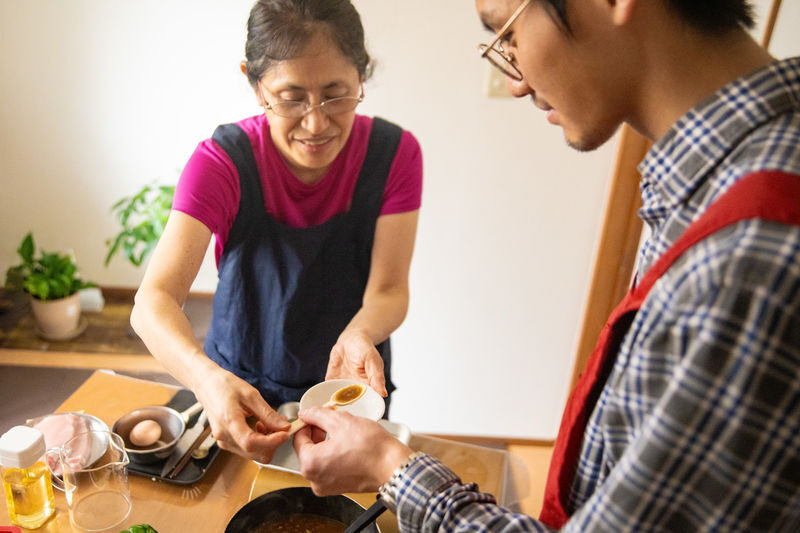
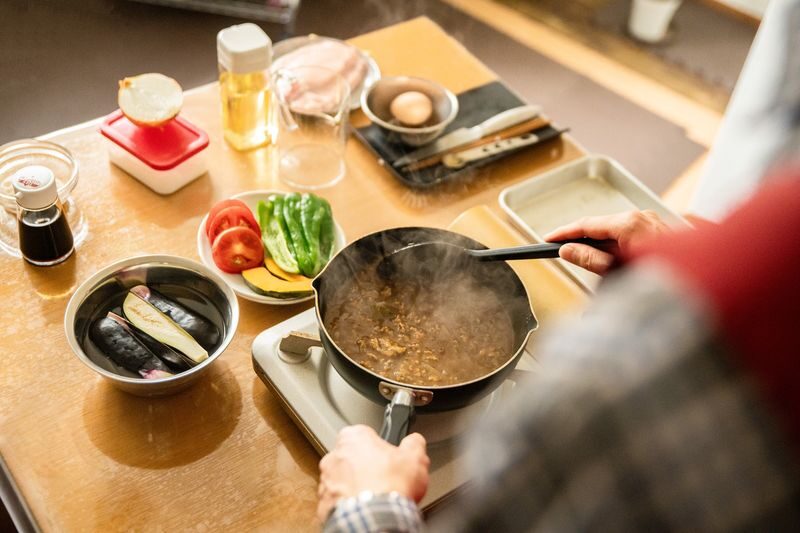
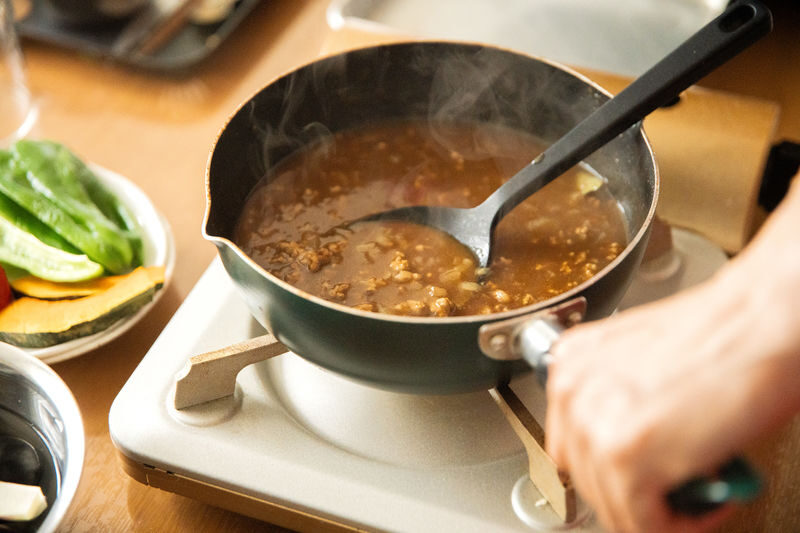
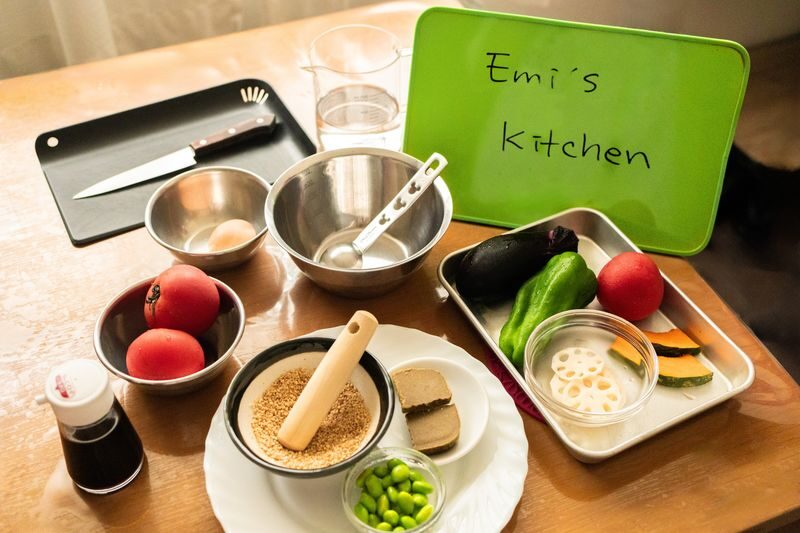
The class is hosted by Emi, a Tokyo native and cooking enthusiast. She takes you through the process step by step, from preparing ingredients to plating the meal. The emphasis is on a sweet, mild style of Japanese curry rice, a familiar home-style dish with roots in the Meiji era.
That makes this a good fit if you want to understand how a popular everyday meal comes together, rather than spend the session tackling a complicated restaurant dish. Beginners are welcome, and experienced home cooks can still pick up useful details about ingredient preparation and cooking at home. You’ll receive an English recipe, so you have a guide to follow once you’re back in your own kitchen.
The class is described as hands-on, but it’s worth setting the right expectation. The curry uses packaged roux. You will work with ingredients and learn from Emi, but you won’t be building the curry base entirely from individual spices and scratch-made roux. One participant had expected a fully from-scratch recipe and found this difference disappointing, even while enjoying the food and learning kitchen tips.
I’d treat the class as an introduction to preparing Japanese curry with guidance from a local host, not as a lesson in making every element from the ground up. That distinction matters, especially at this price. If understanding the packaged roux and how to use it well sounds useful, the format may suit you. If you’re specifically seeking a from-scratch curry workshop, ask Emi what the session covers before you pay.
You can also read our reviews of more private tours in Tokyo



Choosing katsu or vegetable curry
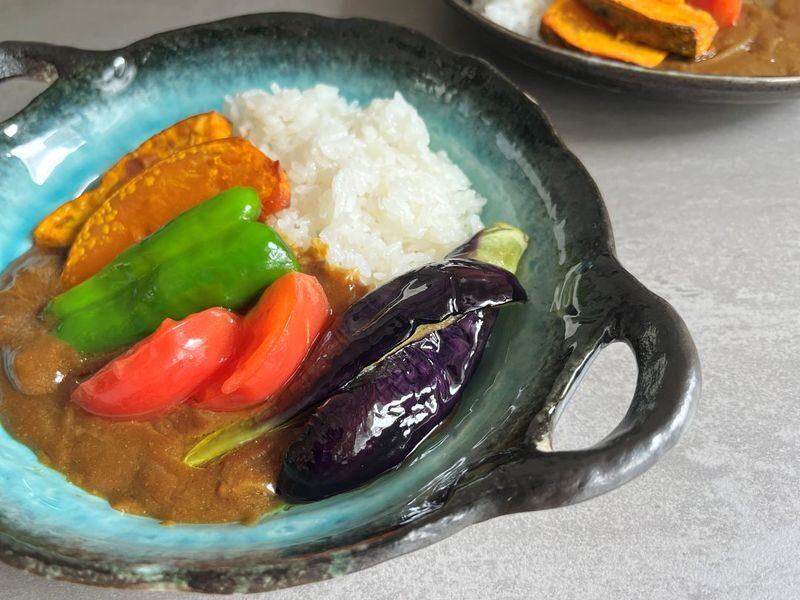
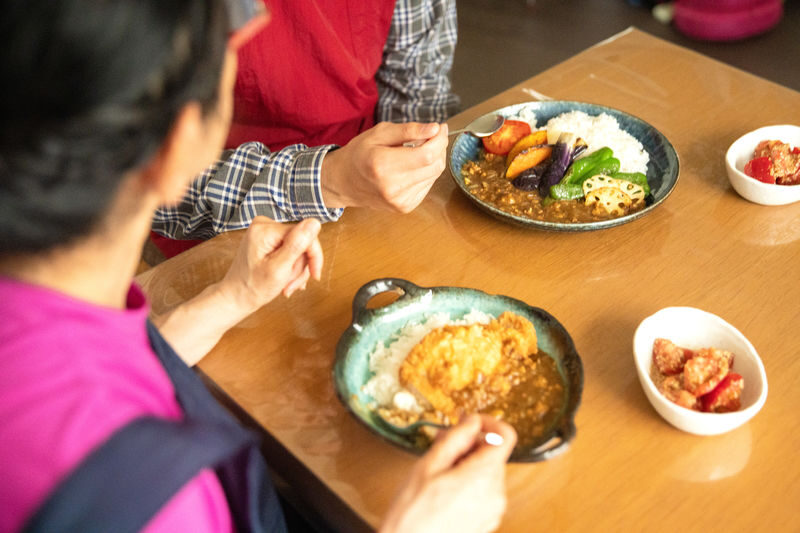
You can choose between tonkatsu and vegetable curry. Tonkatsu is a breaded pork cutlet served with the curry, while the vegetable option offers a meat-free direction for the dish. The class information does not list the specific vegetables or explain exactly how the katsu is prepared, so don’t count on details beyond those choices.
There’s an important catch for anyone avoiding meat. The pre-made curry roux may contain beef fat, including in the vegetable curry option. A vegetable topping does not necessarily make the whole meal vegetarian. If you have dietary restrictions, contact the host before booking and ask whether the roux used for your class is suitable.
The description also names two different sides: a fresh tomato salad with sesame dressing and goma-ae, a traditional sesame-dressed vegetable dish. Both sound like good companions to mild curry, but the information does not make clear whether you’ll prepare both or which one is standard. Ask Emi which side is planned for your date if that affects your decision.
From ingredient preparation to a shared meal
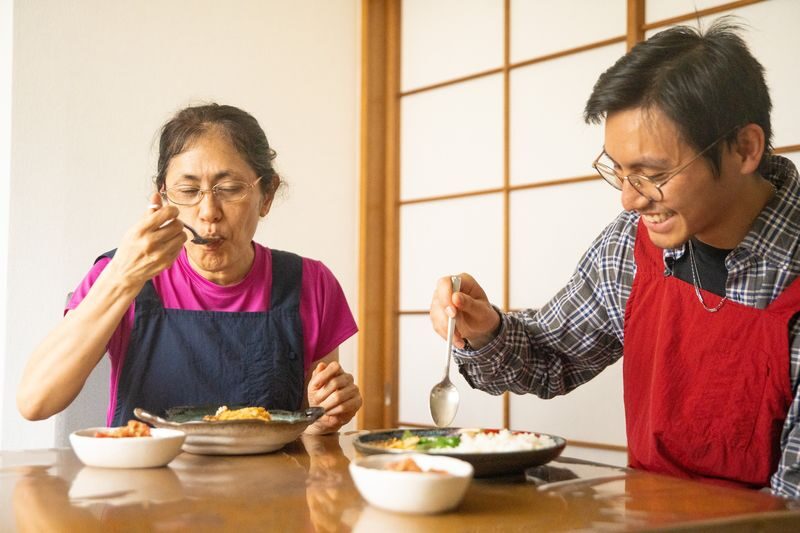
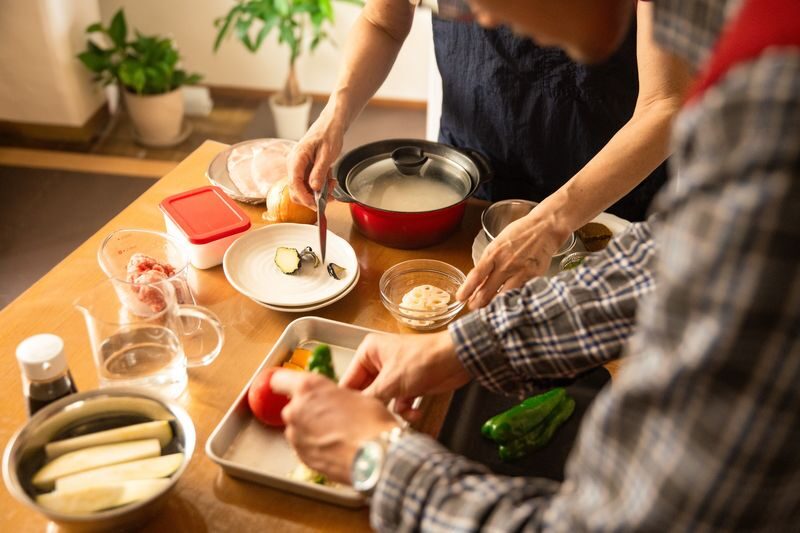
Expect a practical sequence rather than a formal demonstration from a distance. Emi provides step-by-step guidance while you prepare the ingredients, cook the curry, and plate the meal. The group then eats the food you’ve made, with mugi-cha included.
The shared meal is a useful part of the experience. You get to taste the result while it’s fresh, and the class has room for the conversation that makes a home-kitchen lesson different from following a recipe alone. A past participant described being warmly welcomed into Emi’s home, enjoying the conversation, and finding the food delicious. They also appreciated kitchen tips, even though the packaged roux was not what they had expected.
The name of the experience refers to curry, but the side dish gives you another small skill to take away. The class description calls it goma-ae, a traditional preparation using sesame, while the highlights refer to tomato salad with sesame dressing. Since those details differ, check with the host rather than assuming you’ll make both.
Recipes and tips are included, but there is no promise that every technique will be new to every cook. If you already make curry regularly, you may value Emi’s guidance and the chance to compare approaches more than the basic steps. If you’re a beginner, having someone walk you through preparation and plating can make the meal less daunting than trying a new recipe alone.
What the price gets you
The standard class starts at US$86.15. That includes the guide, ingredients, cooking utensils, meals, beverages, an apron loan, and an English recipe. Transport and alcoholic drinks are not included.
For a small-group class in a host’s kitchen, the price buys more than a recipe. You have personal instruction, ingredients ready for the session, and a meal at the end. The value depends on your expectations: if you want a social cooking lesson with local guidance, it may feel worthwhile. If your main goal is to learn a curry base from scratch, the packaged roux makes the price harder to justify.
Two sake add-ons are available. The Dassai pairing starts at US$90.65, and the Junmai Ginjo pairing starts at US$91.39. One participant who chose the Dassai option felt the pour was only a small taste and that the extra cost did not match the amount served. I would book the sake option for the pairing itself, not if you’re expecting a generous drink or a full tasting. Alcoholic beverages are not part of the standard package.
Finding the class near Nerima
Nerima Station is the listed meeting point, but the actual class can be held at one of three cooking studios in Nerima City. The venue will be within walking distance of Nerima, Hikawadai, or Hikarigaoka Station. Emi sends the detailed address and a Google Maps link by email or WhatsApp before the class.
That means you should not set off using only the station name shown at booking. Wait for the host’s message and confirm which station applies to your session. Make sure you provide a working email address and messaging app so you receive the directions.
Transport is not included, so plan your own route to the assigned station. The precise venue is shared directly by the host, which gives you a more personal handoff but means you need to check messages before travel.
You can also read our reviews of more tours and experiences in Tokyo


Group size, age rules, and booking timing
The class accepts groups of two to six, and participants must be at least 9 years old. Children aged 9 to 17 need to attend with a paying adult. Infants and children must be included in the passenger headcount, so don’t leave a child off the booking even if they will not be cooking.
There is also a specific rule for solo male participants: men cannot take part on their own, but can join as part of a group. Check that your party meets this condition before booking.
For groups of three or more, classes are held in a cooking studio, and booking two to three months ahead is recommended, particularly around New Year, spring, and autumn. On national holidays, the class is available only to groups of four or more. If you’re booking a smaller party, avoid assuming a holiday date will work.
Confirmation is sent within 48 hours. The voucher is valid only for the date and time booked, and you can present it on your phone. Cancellations made at least 72 hours before the activity, using local destination time, receive a full refund.
Who will enjoy this class most
I’d consider this class if you want a relaxed, small-group introduction to Japanese home cooking and value the host as much as the recipe. The personal welcome, conversation, and tips were the strongest parts of one participant’s experience. The shared meal gives the lesson an easy finish, and the English recipe helps you try the dish again at home.
It also suits families with children aged 9 or older, provided an adult pays and joins them. Couples and small groups can choose the curry style and learn together, though larger parties should plan well ahead. It’s less suited to anyone who needs a guaranteed meat-free curry, expects to make roux from scratch, or is mainly buying the sake pairing for a substantial pour.
If you’re curious about Japanese curry as an everyday meal and comfortable with a packaged base, this could be a friendly way to learn from a local cook. If the cooking method is the deciding factor, ask Emi about the roux and side dish before booking. That quick check can prevent the main mismatch this class is most likely to create.
Tokyo Private Japanese Curry Class: Katsu or Veggie Curry
FAQ
Is the curry made entirely from scratch?
No. The class uses pre-made, packaged curry roux. You’ll prepare ingredients and make the curry with Emi’s step-by-step guidance.
Can I choose between katsu and vegetable curry?
Yes. The choices are tonkatsu or vegetable curry. The specific ingredients and preparation details are not provided.
Is the vegetable curry suitable for vegetarians?
Not necessarily. The packaged roux may contain beef fat, so check with the host before booking if you need a vegetarian meal.
Where does the class take place?
It is held at one of three cooking studios in Nerima City, near Nerima, Hikawadai, or Hikarigaoka Station. The host sends the address and a map link directly.
What ages can join?
Participants must be at least 9 years old. Children aged 9 to 17 must be accompanied by a paying adult, and children and infants must be included in the passenger headcount.
What is included in the standard price?
The class includes an English or Japanese-speaking guide, ingredients, cooking utensils, meals, beverages, and an English recipe. Transport and alcoholic beverages are not included.