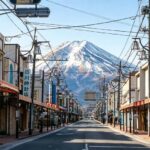
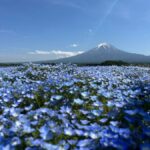
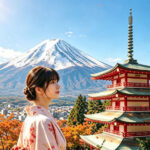
A private car turns a Mount Fuji day into your own outing: leave from your Tokyo hotel, set a sensible route, and stop at lakeside viewpoints or spring-fed Oshino Hakkai without managing several train and bus connections. The freedom is the main attraction, especially when you are traveling with children or a small group.
I like the door-to-door pickup and the chance to adjust stops around the weather. I also like that the Fuji route does not require a shopping stop, though Gotemba Outlets is available if you want one.
The trade-off is that a private vehicle does not guarantee a Fuji view, and traffic can eat into time at the sights. Tolls, parking and possible overtime are extra, so agree on costs and the route before setting off.
- Key points before you book
- Choose the right route before the day
- Lake Kawaguchiko: room to take in Fuji
- Oshino Hakkai: clear springs and a compact village stop
- Gotemba Outlets: a practical extra, not a Fuji viewpoint guarantee
- What a private car changes
- Driver, language and guiding expectations
- The real cost: plan for extras
- Make the day less rushed
- Should you book this Fuji charter?
- FAQ
- Is this a Mount Fuji tour or a Tokyo city tour?
- How long does the charter last?
- Which stops can I visit on the Fuji route?
- Are tolls and parking included?
- Is a tour guide included?
- Can I request a child seat?
- What is the cancellation policy?
- The Best Of Fujiyoshida!
- More Private Tours in Fujiyoshida
- More Tours in Fujiyoshida
- More Tour Reviews in Fujiyoshida
Key points before you book
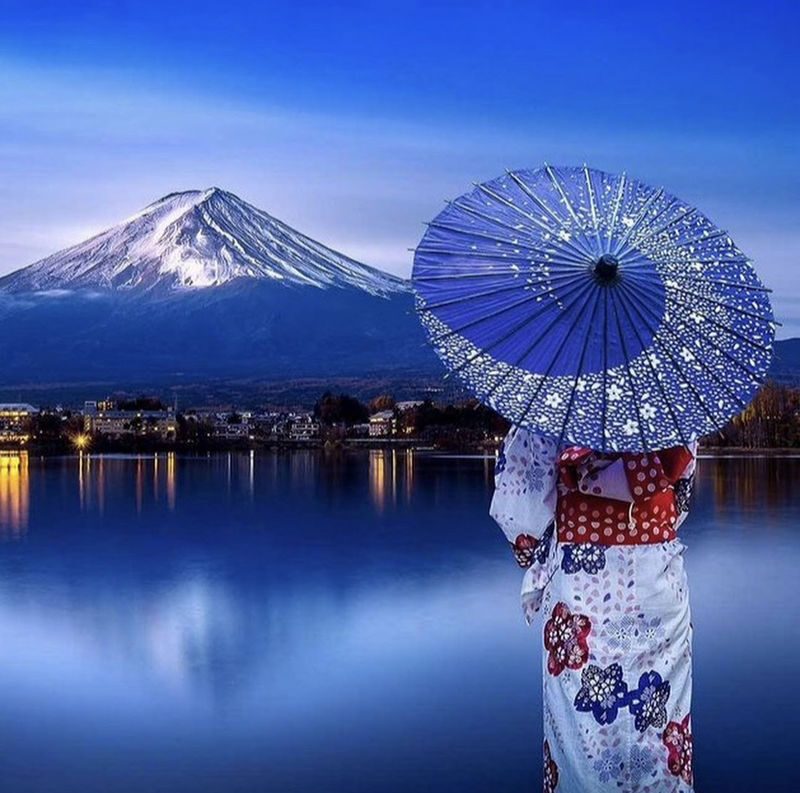
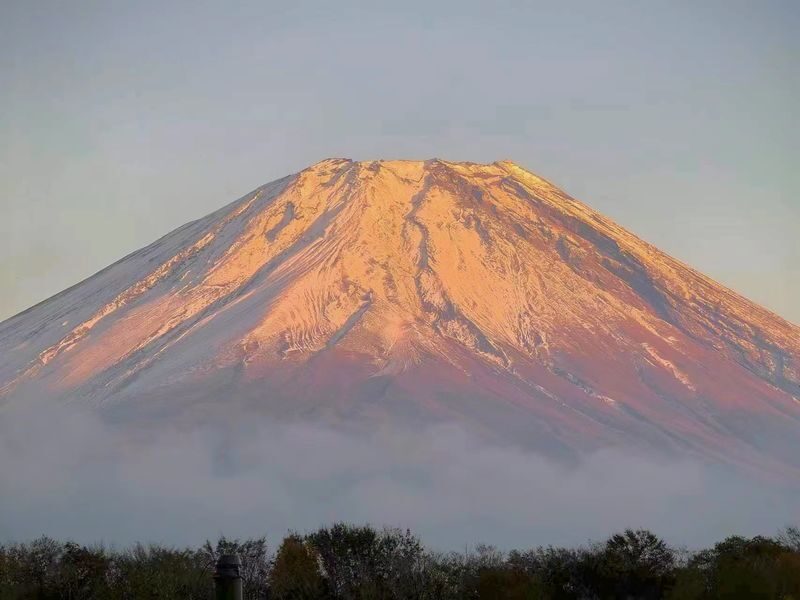
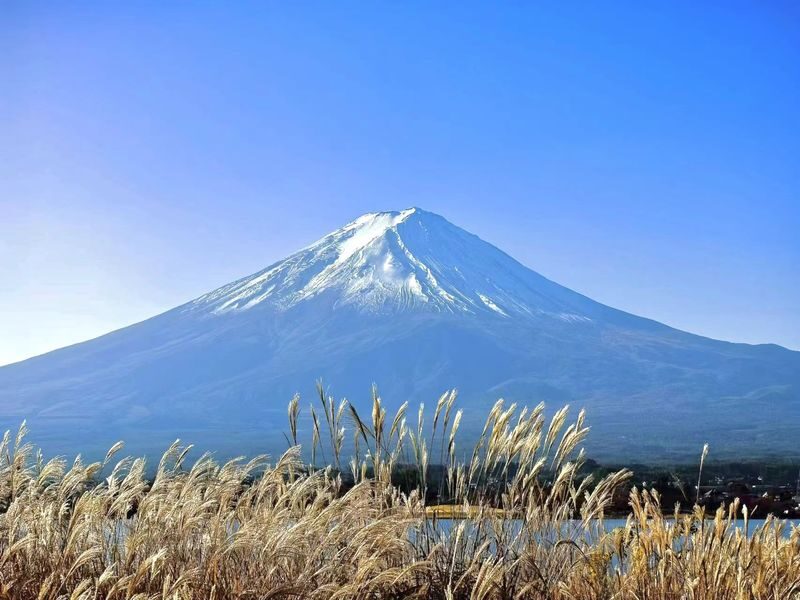
- A Fuji day can include Kawaguchiko, Oshino Hakkai and Gotemba, but fitting in every stop depends on traffic and how long you linger.
- Hotel pickup saves transfers and station walks, a real help with children, luggage or a group.
- The car is private, but a guide is not included. Drivers vary in language and how much commentary they offer.
- The listed starting price is not the full likely cost. Tolls, parking, peak-season surcharges and overtime may add to it.
- The booking details show different trip lengths and routes. Confirm whether you have chosen the Fuji outing or the Tokyo city tour before paying.
- Mount Fuji can disappear in cloud or rain. Keep your schedule flexible and be open to alternate stops.

👉 See our pick of the 8 Most Highly Rated Private Driver Services In Fujiyoshida
Choose the right route before the day
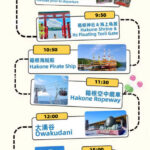
This charter has two distinct products: a Tokyo city tour, called Route C, and a Tokyo-outskirts charter, with Fuji or Hakone routes. They are not one combined itinerary. The Fuji route generally pairs a distant Fuji viewpoint with Lake Kawaguchiko, Oshino Hakkai and, if time allows, Gotemba Outlets. A Hakone route can instead include places such as Odawara Castle, Lake Ashi and Owakudani, or museums around Hakone.
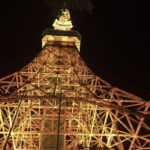
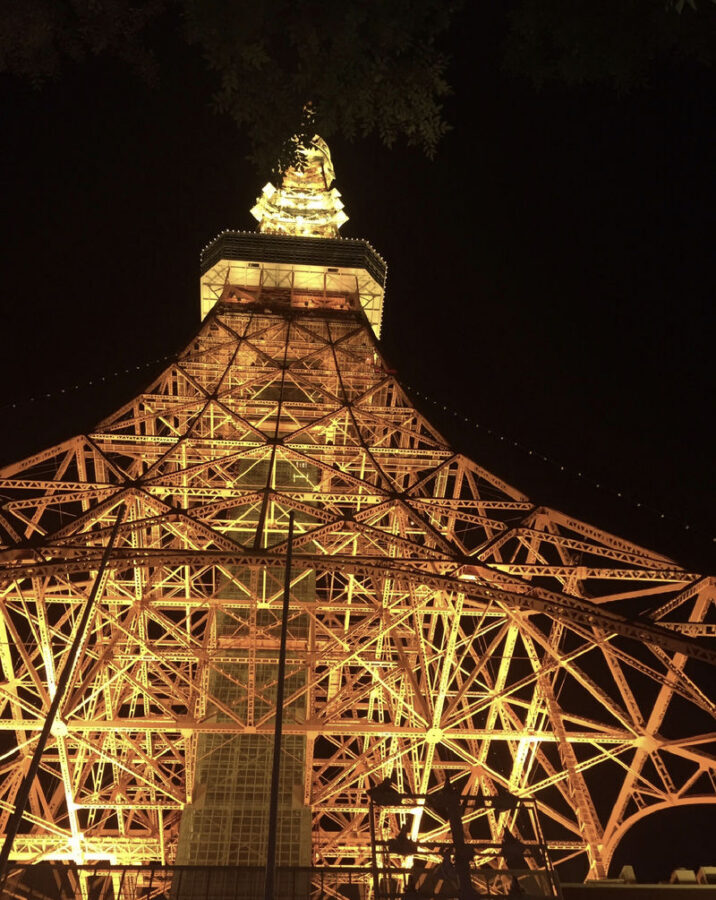
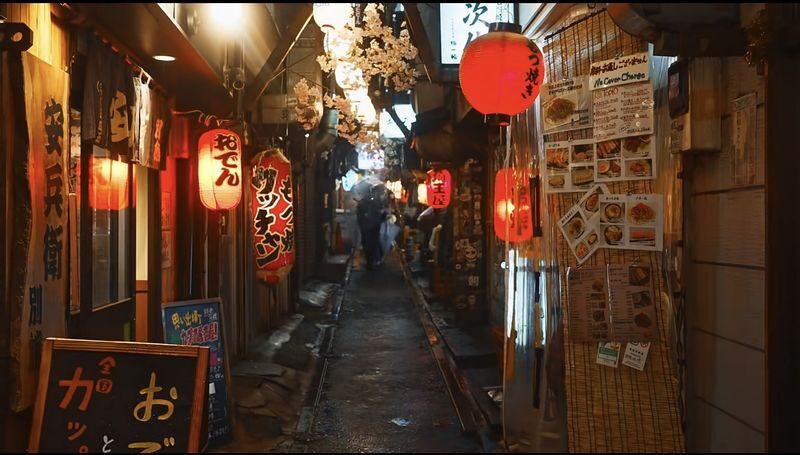
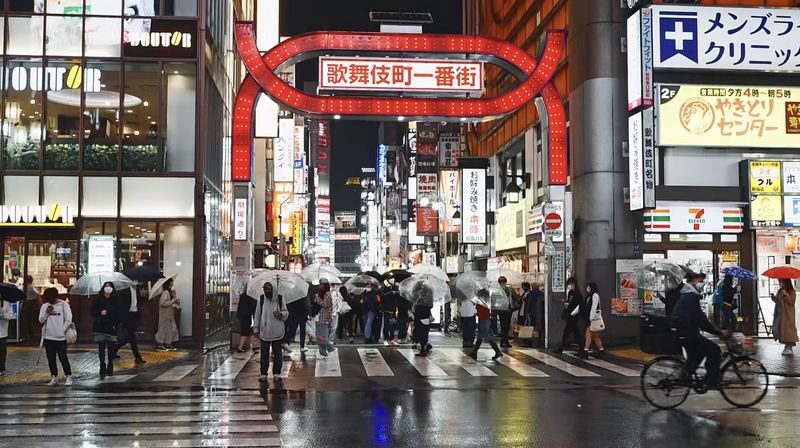
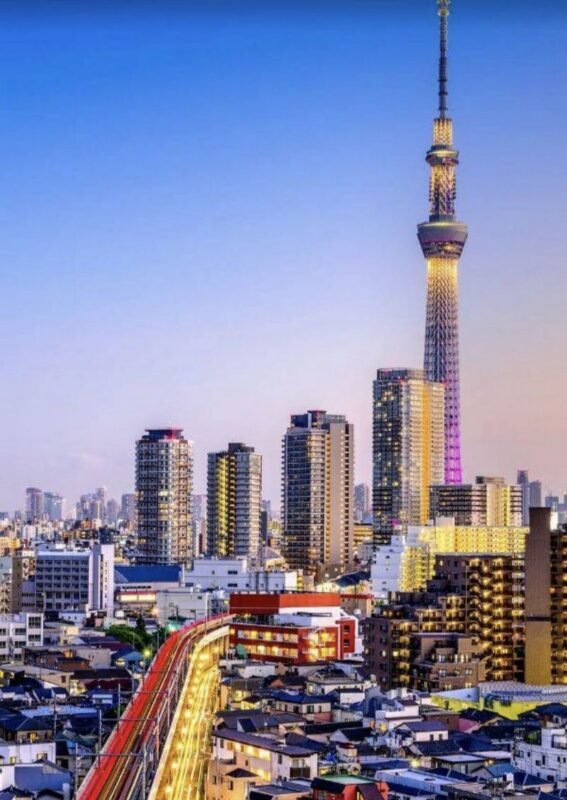
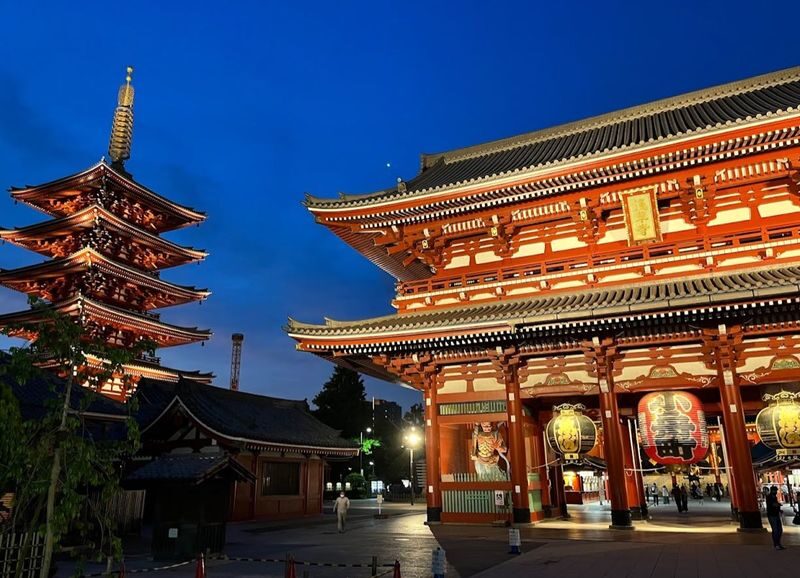
There is a booking detail worth checking closely. The supplied day schedule names Kabuki-za, Tokyo Tower, Asakusa Kaminarimon and areas of Tokyo, even though the product also offers a Mount Fuji route. The package notes identify those schedule details as belonging to Route C, the Tokyo city option. If Fuji is your priority, make sure your confirmation says Route A or B, and get the planned stops and pickup time confirmed in writing.
The time information also varies. The overview gives an eight-hour duration, while the service terms describe up to ten hours for Tokyo city charters and eight hours when the departure or return point is outside Tokyo. The operating window is 08:00 to 20:00. Ask the operator to confirm the actual time limit for your chosen route, where the clock starts, and what happens if traffic delays the return.
You can also read our reviews of more private tours in Fujiyoshida
Lake Kawaguchiko: room to take in Fuji
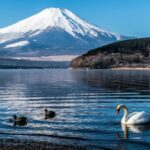
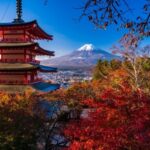
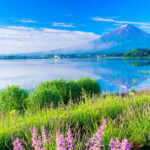
Kawaguchiko is one of the Fuji Five Lakes and is among the easiest places to visit around the mountain. The route offers time to walk by the water and look toward Fuji, rather than simply pulling over for a quick photograph. The lake has the longest shoreline of the five lakes, and its low elevation makes it a natural base for an easy lakeside stop.
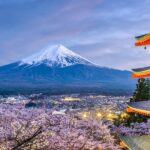
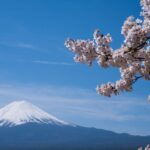
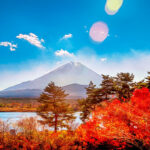
The setting changes with the season. Cherry blossoms and autumn leaves draw people to well-known photo areas, including the lakeside blossom spot and the autumn foliage corridor. Those are appealing times to visit, but they can also bring crowds and slower roads. If a quiet walk matters more than a particular seasonal photo, ask about alternatives and build some slack into the schedule.
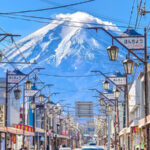
The central uncertainty is the mountain itself. Cloud, rain and cold weather can obscure Fuji, even when the drive and stops go smoothly. A private car helps you change plans, but it cannot change the forecast. In poor visibility, the driver may suggest a different viewpoint or another nearby stop; agree together rather than spending the day chasing a view that is not there.
Oshino Hakkai: clear springs and a compact village stop
Oshino Hakkai is a group of eight clear springs between Lake Yamanakako and Lake Kawaguchiko. Their water comes from Mount Fuji, and the springs sit in a village setting with views toward the mountain when the weather cooperates. The stop is a change of pace from the open lakeshore: you can walk among the spring pools and take in the carefully arranged scenery.
Seasonal flowers add another reason to visit. Irises appear in May, lupines in June, sunflowers in July and cosmos in August. But Oshino is not a large nature park where you should expect a long wilderness walk. It is a popular, compact stop, and your time there will depend on the day’s schedule and the crowds.
You may see this place compared with China’s Jiuzhaigou. Treat that as a shorthand for clear water and striking scenery, not a promise that the two places are alike. The springs are worth seeing on their own terms, especially if you enjoy small-scale nature and village walks.
Gotemba Outlets: a practical extra, not a Fuji viewpoint guarantee
Gotemba Premium Outlets has about 210 domestic and international brand stores spread across a large, American-style complex. Its setting near Fuji can make shopping a pleasant add-on, and on a clear day you may see the mountain from the grounds.
The outlet stop is optional, not essential to a Fuji-focused day. Shopping takes time, and traffic between the Fuji area and Tokyo can make that time costly. If you want to visit, tell the operator before departure and agree on how long to stay. If the priority is scenery, use the time for another lakeside or village stop instead.
What a private car changes
Public transport can reach the Fuji Five Lakes area, but combining several distant stops means coordinating connections and watching the clock. With a charter, the driver collects you at your hotel or guesthouse and returns you to an agreed address. You can leave bags in the vehicle, take breaks as needed and change the order of stops without trying to catch the next bus.
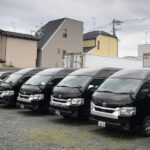
That convenience is especially valuable for families and groups. The listed vehicle choices range from a five-seat car for up to three passengers, to a seven-seat car for up to five, a ten-seat vehicle for up to nine and an 18-seat minibus for up to 17. Those passenger counts include infants and children. Luggage limits matter too: the five-seat vehicle allows two standard 26-inch bags, the seven-seat four, the ten-seat eight and the minibus ten. Oversized bags count as two pieces, and a stroller or bulky luggage should be declared in advance.
Child seats need advance planning. One can be provided free, subject to availability, but it occupies about one and a half passenger spaces. Extra seats cost JPY 2,000 each per day, and more than two require confirmation with customer service. Do not assume that a seat can be added at pickup.
You can also read our reviews of more tours and experiences in Fujiyoshida
Driver, language and guiding expectations
The service includes a driver, not a separate tour guide. Drivers are assigned at random and may speak Chinese, Japanese or English, with Chinese drivers prioritized in principle. Some drivers share useful local tips, suggest photo spots or help adapt the route. Others may focus on driving and respond when asked. If detailed commentary is important to you, ask what language and guiding support can be confirmed before booking.
Past drivers have included Say, Jing, Lin, Yuri and Kai, but you cannot request or count on any particular person. Names are useful context, not a guarantee. Keep your itinerary and key requests in a message, and make sure you can contact the operator through the agreed channel. LINE, WhatsApp or WeChat are used for trip communication.
The vehicle’s main service is transport. It gives you flexibility and saves the work of navigating, but you should not expect a licensed sightseeing guide to accompany you at every stop. Admission fees, meals and drinks are not included.
The real cost: plan for extras
The advertised starting price is $281.05, but your final spend can be higher. Fuel and the driver’s meal allowance are included; highway tolls and parking fees are not. Several people have been surprised by cash requests of roughly JPY 9,000 to JPY 11,500 for tolls and parking. Ask for an estimate before the trip, and request a clear breakdown of any amount charged.
Peak-season price differences may be JPY 10,000 to JPY 20,000, payable in Japanese yen cash if applicable. The operator is supposed to confirm the difference after booking, and you can cancel if you object before the order is confirmed. Get the amount and payment terms settled before travel rather than discovering them at drop-off.
The charter has distance and overtime limits. A Fuji-area route may have an eight-hour service period, and travel beyond 300 kilometers is charged at JPY 300 per kilometer. Overtime costs JPY 5,000 per hour for five- to seven-seat vehicles, JPY 10,000 for a ten-seat vehicle and JPY 15,000 for vehicles with 14 or more seats. The terms say traffic delays can still lead to overtime charges, so ask how the operator handles a late return caused by congestion.
At $281.05, the base price can make sense for a group splitting the fare, especially when a private vehicle replaces several transfers and makes the day easier with children. For one or two people, add the likely extras before comparing it with public transport or a shared tour. The value lies in control and convenience, not in an all-inclusive price.
Make the day less rushed
Start early if you can. The recommended departure time depends on your needs, but the service runs from 08:00 to 20:00, and the drive from Tokyo leaves little room for a late start. Weekends and peak seasons can bring heavy traffic. Afternoon congestion on the return to Tokyo is a particular risk, so avoid treating the final hour as guaranteed sightseeing time.
Keep your stop list short enough to enjoy. Lake Kawaguchiko, Oshino Hakkai and Gotemba are all worthwhile, but trying to add multiple viewpoints and a long shopping visit can turn the day into a series of hurried stops. Choose what matters most, and ask the operator to suggest a realistic order without backtracking. If the forecast is poor, have a second-choice plan ready.
Before the day, provide your hotel name and address, passenger count, luggage details and preferred route. The operator is expected to confirm the itinerary after booking and send driver details no later than three hours before the vehicle is used. Be in the hotel lobby ten minutes before pickup. The stated pickup time should be reconfirmed, since the product information gives both a sample 08:30 departure and flexible departure times.
Should you book this Fuji charter?
Book it if you value a private pickup, want several stops in one day, or are traveling as a family or group and would rather not manage connections. The flexibility is real, and a helpful driver can make weather changes and photo stops easier to handle.
Skip it if you need a guaranteed view of Fuji, a formal guide, or a fixed all-in price with no cash extras. Before paying, confirm the route, service duration, toll and parking estimate, peak-season surcharge, vehicle capacity and overtime rules. With those details settled, this can be a comfortable way to see the Fuji area. Without them, the convenience may come with an unpleasant bill.
Tokyo Private Car Charter | Mount Fuji-Lake Kawaguchi-Oshino Hakkai | Customizable Itineraries
“We were extremely satisfied with our private car charter experience! The best part was the direct pickup and drop-off service from our accommodatio…”
FAQ
Is this a Mount Fuji tour or a Tokyo city tour?
Both options are offered, but they are separate packages. The Fuji-area charter is Route A or B; Route C is for Tokyo city. Confirm the route on your booking, since the supplied sample schedule lists Tokyo stops.
How long does the charter last?
The details give an eight-hour duration in the overview, and describe ten hours for Tokyo city service or eight hours when the departure or return point is outside Tokyo. Confirm the time limit for your selected package before booking.
Which stops can I visit on the Fuji route?
The suggested Fuji route can include a distant Mount Fuji viewpoint, Lake Kawaguchiko, Oshino Hakkai and Gotemba Outlets. The final route should be agreed with the operator.
Are tolls and parking included?
No. Highway tolls and parking fees are listed as excluded costs. Ask the operator for an estimate and payment details before departure.
Is a tour guide included?
No separate tour guide is included. The driver may offer suggestions or local information, but the driver’s language and level of commentary can vary.
Can I request a child seat?
One child seat can be provided free, subject to availability, if you reserve it in advance. Extra seats cost JPY 2,000 per seat per day, and a seat affects passenger and luggage capacity.
What is the cancellation policy?
A full refund is available if you cancel at least 72 hours before the activity date, using destination local time. Late arrivals and no-shows are not eligible for a refund or change.