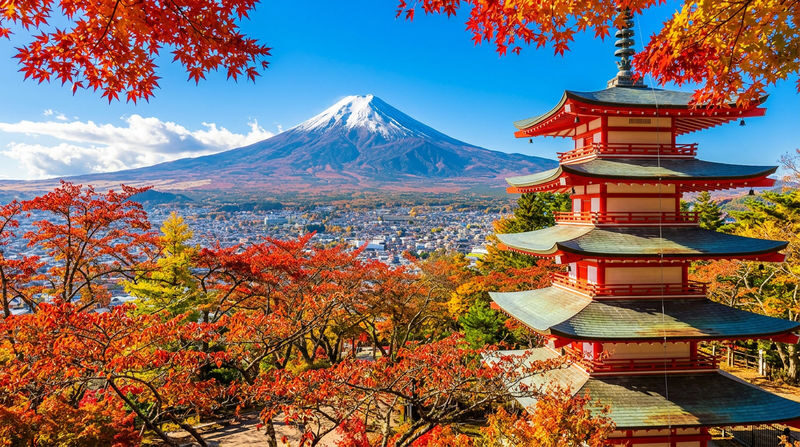
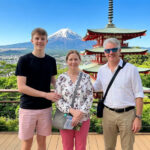
Owakudani’s steaming volcanic ground, a red torii gate at the edge of Lake Ashi, and Mount Fuji glimpsed from lakeside villages make this a big-sights day out of Tokyo. You’ll cover a lot of ground by bus, with stops that move from Hakone’s sacred lakeside setting to the Fuji foothills.
I like that the Owakudani Ropeway ticket is included and that the route pairs famous sights with more intimate moments, such as hand-feeding swans at Lake Yamanaka. I also like having a guide and round-trip transport, which saves you from piecing together a long chain of buses, trains and local connections.
The trade-off is time: this is a packed group excursion, not a slow-paced visit. The Lake Ashi pirate ship costs extra, Mount Fuji may be hidden by clouds, and traffic can cut short your time at a stop.
- Quick take: what you should know
- A full day from Tokyo, with little planning required
- Hakone Shrine and the Peace Torii
- Lake Ashi: decide if the pirate ship is worth the extra fare
- Owakudani: volcanic steam and a ropeway ride
- Lake Yamanaka: a quieter Fuji-area pause
- Oshino Hakkai: spring water and village lanes
- Is .25 good value?
- Who should book this day trip?
- FAQ
- Is the Owakudani Ropeway ticket included?
- Is the Lake Ashi pirate ship included?
- Does the tour stop at Lake Kawaguchi?
- What is included in the tour price?
- How long is the tour?
- Is Mount Fuji guaranteed to be visible?
- Who can take part?
- The Best Of Fujiyoshida!
- More Tickets in Fujiyoshida
- More Tours in Fujiyoshida
- More Tour Reviews in Fujiyoshida
Quick take: what you should know
- The route covers several regions in one day: You’ll visit Hakone Shrine, the Peace Torii, Owakudani, Lake Yamanaka and Oshino Hakkai.
- The ropeway ticket is included: It is described as a complimentary gift, with no refund if you do not use it.
- The pirate ship is optional and extra: A one-way Lake Ashi ticket is listed at ¥1,700.
- You get short visits at many stops: The schedule allows around 20 to 40 minutes at several sites, so plan to focus on a few things at each.
- Fuji views depend on the weather: A clear day can reward you with views from more than one area, but visibility is not guaranteed.
- Pack food and a power bank: There is no included meal, and the schedule may leave little time for a relaxed lunch.

👉 See our pick of the 8 Most Highly Rated Private Driver Services In Fujiyoshida
A full day from Tokyo, with little planning required
The main selling point is the combination. You get a shrine and lakeshore in Hakone, a volcanic area reached by ropeway, then two stops in the Mount Fuji region. Round-trip bus transport makes the connections manageable, particularly if you’re new to the area or want to see several places without arranging each leg yourself.
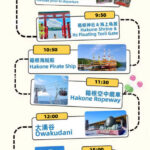
The tour runs about 10.5 hours, with departures listed around 7:30 or 8:00 and return times around 18:10 or 18:40. The actual meeting time and return location depend on your booking details. The listed return points are Shinjuku West Exit Mitsui Sumitomo Bank and JR Tokyo Station Marunouchi North Exit. Confirm your assigned details before the day, and arrive 10 minutes early. Late arrivals and no-shows are not refunded.
The tour has English and Chinese service options, as well as a private charter option for groups of nine or fewer. The group vehicle is assigned according to the number of participants, so you cannot select a particular vehicle. Seating is first come, first served, and special requests are not guaranteed.
Guides who have led departures include Mandy, Sakuragi, Will and Ohashi, among others. The guide’s explanations and practical help can make the day more meaningful: guides have been praised for sharing local stories, keeping groups organized and helping with photos. Still, the amount of commentary can vary, especially if a smaller group has a driver also serving as attendant.
One detail to keep straight: the route information mentions Lake Kawaguchi in its overview, but the scheduled Fuji-area stops are Lake Yamanaka and Oshino Hakkai. Do not book expecting a stop at Lake Kawaguchi.
You can also read our reviews of more tours and experiences in Fujiyoshida

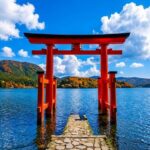
Hakone Shrine and the Peace Torii
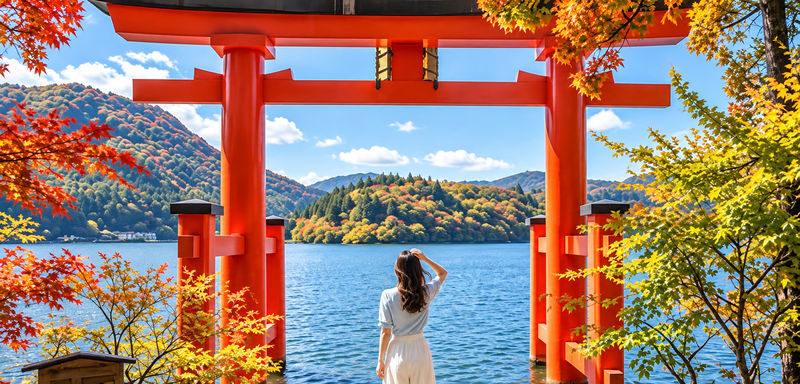
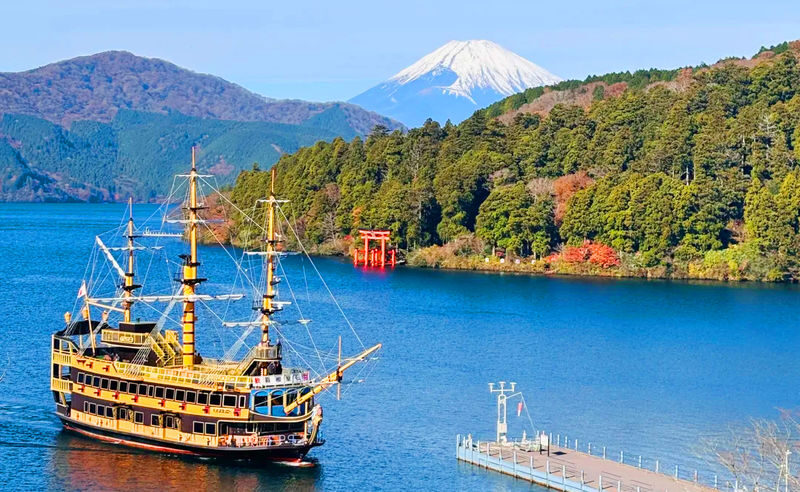
The day begins in Hakone, at Hakone Shrine beside Lake Ashi. Founded in 757, the shrine is dedicated to Hakone Okami and is known for its red torii gates and wooded setting. The schedule gives you about 40 minutes for a self-guided visit, followed by 20 minutes at Heiwa no Torii, the Peace Torii standing in the lake.
That sounds like a generous hour until you account for walking and crowds. The lakeside torii is a popular photo stop, and the wait to take a picture can eat into a short visit. On busy weekends and holidays, the shrine grounds can feel crowded, and you may have to choose between a closer look at the shrine and time by the water. I’d decide which matters more before you arrive rather than trying to see every corner.
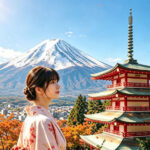
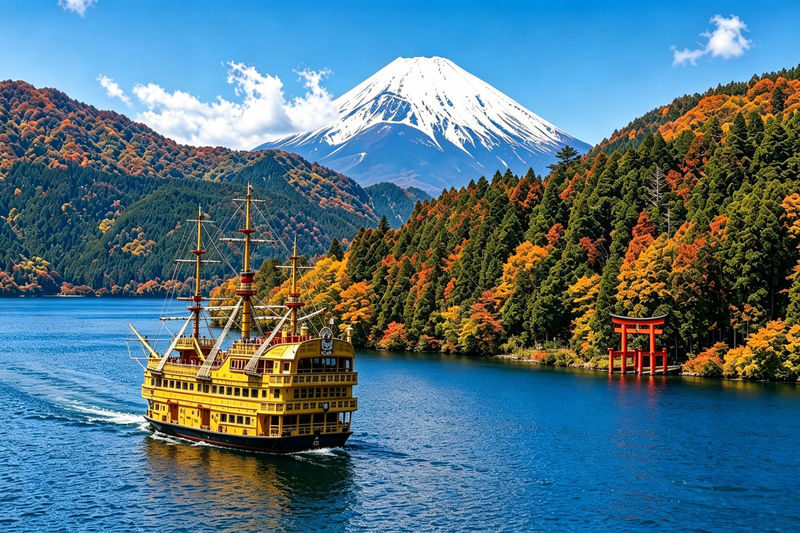
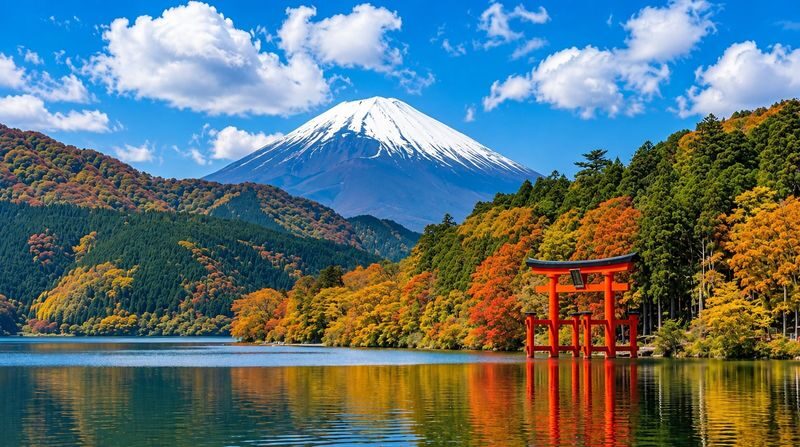
The torii is the memorable visual here: its red frame against the lake and wooded hills gives you a strong sense of Hakone’s meeting point between nature and religious tradition. Mount Fuji may be visible in the distance on a clear day, but it is not a guaranteed backdrop. In winter, the supplied schedule notes a closure of the torii from December 29 through February 8, 2026; during that period, the visit time at the shrine is increased instead. Check the arrangements for your own date, since access details can change.
Lake Ashi: decide if the pirate ship is worth the extra fare
At Togendai Port, the tour allows about 30 minutes for the Lake Ashi pirate ship stop. The ship is styled after an 18th-century European vessel and crosses a lake framed by Hakone’s mountains. It is a playful contrast to the solemn shrine visit, and a boat ride gives you a different angle on the shoreline.
The boat fare is not included. A one-way ticket is listed at ¥1,700, so budget for it if you want to sail rather than stay near the port. The schedule describes the cruise as self-guided and the tour’s highlights present it as an optional activity, so do not assume the group fare covers it.
Time is the bigger question than the price. A 30-minute window is tight once you allow for boarding and any queues, and it may not be enough for a full cruise. The exact stop order and transport arrangements can change, so check what the guide plans on the day before buying a ticket. If you do not take the boat, you can use the time to look around the port area, but this is not designed as a long lakeside stay.
Owakudani: volcanic steam and a ropeway ride
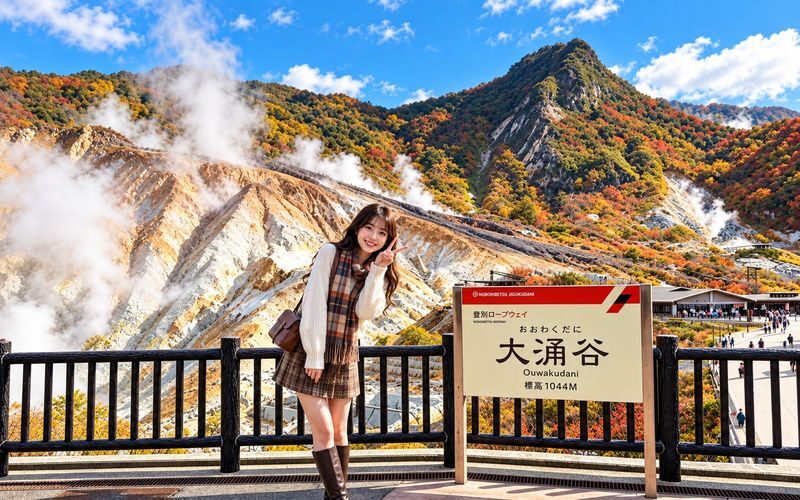
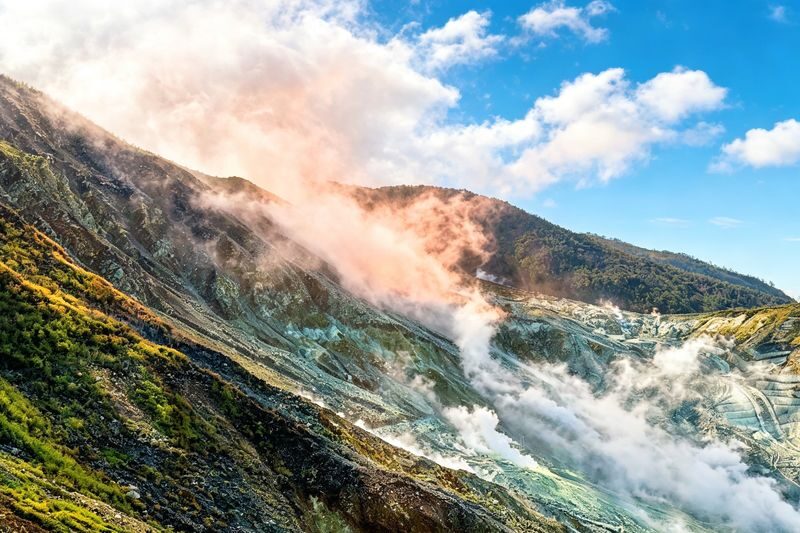
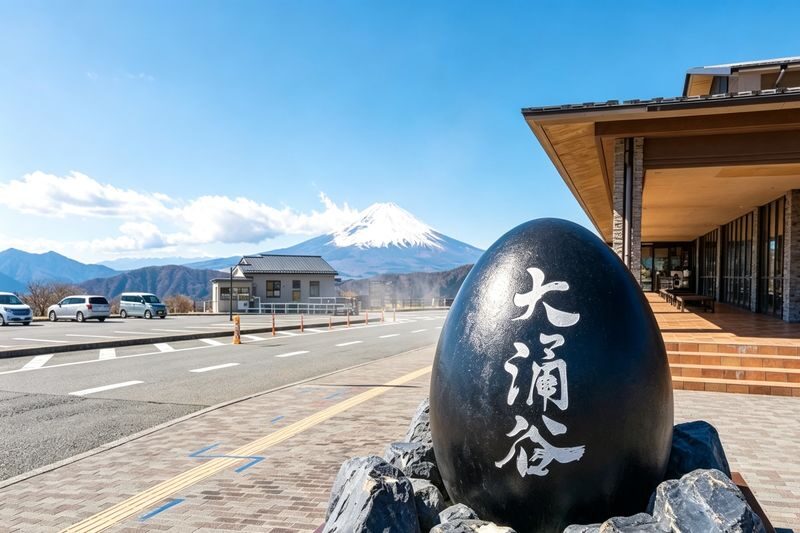
Owakudani is the tour’s most unusual stop. Formed by volcanic activity, this exposed area is known for steaming vents, sulfur in the air and bare, rugged ground. It is a stark change from the calm shrine and lake. The schedule allows about 30 minutes for the ropeway stop and another 40 minutes at Owakudani, though traffic, operating conditions and group pace can affect how the time works in practice.
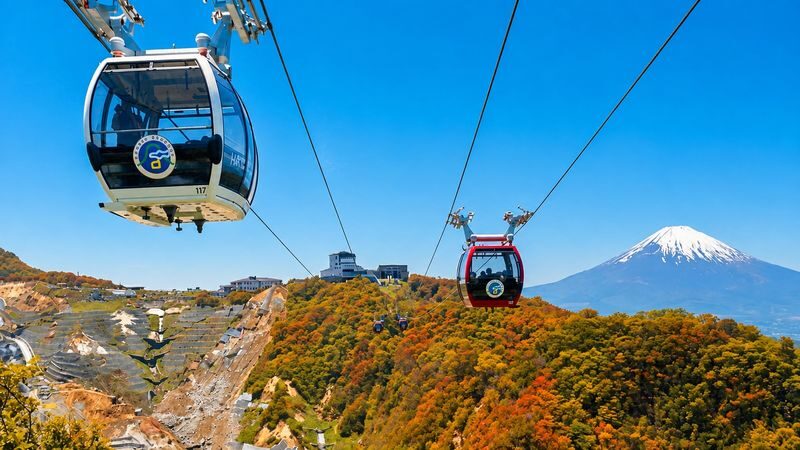
The included Owakudani Ropeway ticket is a welcome part of the package. From the cable car, you can look down on the volcanic terrain, and on a clear day you may also see Lake Ashi and Mount Fuji. Keep the weather in mind: views can disappear in cloud, and ropeway service can be suspended because of weather or other conditions. If that happens, the operator may change the route or adjust stop times; the ticket is a complimentary inclusion and is not refunded if unused.
The schedule’s route notice says that from January 31 to February 20, 2026, the cable car segment from Togendai to Owakudani changes to a ride from Sounzan to Owakudani. If your trip falls in that period, check the latest instructions. At the site, sulfurous steam and exposed rock make the area feel unlike the greener lakeside stops. You do not need to be a geology buff to appreciate it, but be ready for an outdoor visit rather than a polished indoor attraction.
Lake Yamanaka: a quieter Fuji-area pause
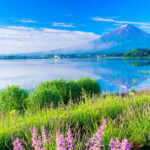
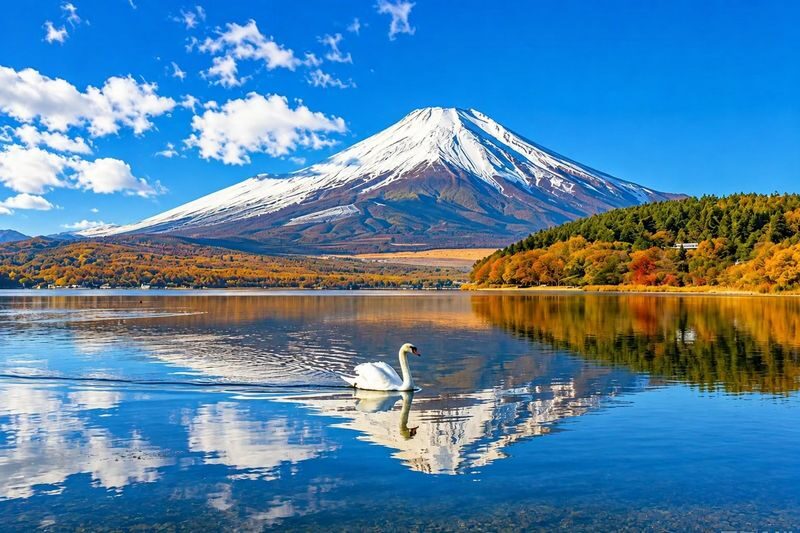
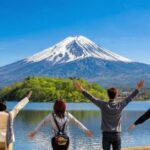
In the afternoon, the bus heads toward Lake Yamanaka, the largest and highest-altitude lake among the Fuji Five Lakes. The lake is known for views of Mount Fuji and for the swans along its shore. The tour highlights the chance to feed them by hand, a gentler, more personal pause after the dramatic ground at Owakudani.
The schedule places the stop around 13:50, with Oshino Hakkai due at 14:30. That leaves roughly 40 minutes between the listed times, but the exact time you get by the water may be shorter once the group assembles and boards again. Keep your camera ready, but do not spend the whole stop chasing a perfect reflection: the lake is also a chance to stretch your legs and enjoy the fresh air.
The most important variable is still Fuji’s visibility. Summer is particularly prone to reduced visibility, and clouds can hide the mountain at any time of year. You’ll have more than one chance to see it on this route, but the tour cannot promise a clear view. Seasonal sights such as the summer Diamond Fuji effect also depend on timing and conditions, so treat them as a bonus rather than a reason to book on their own.
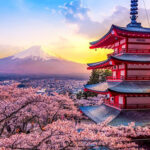
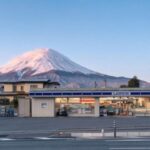
Oshino Hakkai: spring water and village lanes
Oshino Hakkai’s eight spring ponds are fed by water filtered through Mount Fuji’s ground over many years. The water is clear, and the setting combines ponds with traditional-style thatched-roof cottages. It offers a quieter rural contrast to Hakone’s volcanic activity and the wide lake views.
You get about 40 minutes here, enough for a short walk and a look at some of the ponds, but not a leisurely circuit if the area is crowded. Follow the guide’s directions for where to meet and how long you have. An empty bottle can be useful if you want to taste or collect the spring water where permitted; the water is described as safe to drink directly. Do not let the photo stops carry you too far from the meeting point.
This is a good place to notice how the route changes character. Hakone offers a lakeside shrine and volcanic scenery; Oshino Hakkai feels more village-like, with water and traditional buildings at the center of the visit. If you value small details over ticking off famous viewpoints, make time to look closely at the ponds rather than rushing from one camera angle to another.
Is $49.25 good value?
At a starting price of $49.25, the tour can be good value if your aim is to visit several distant sights in a single day. Round-trip transport and an English- or Chinese-speaking guide are included, as is the Owakudani Ropeway ticket. Organizing the same route independently would mean working out several connections and fitting them into a long day.
The headline price does not cover everything. You pay separately for the Lake Ashi pirate ship, listed at ¥1,700 one way, as well as meals, drinks and personal expenses. The tour does not include insurance. Bring snacks or a simple lunch, since the stops are short and there may not be time for a relaxed meal. A power bank is sensible too, especially on a long day of photos and navigation.
Value also depends on your pace. If you want long visits, time for a sit-down lunch or freedom to change plans, this bus tour may feel hurried. If you are comfortable with a structured day and want help connecting Hakone and the Fuji area, the price buys convenience as much as admission.
Traffic is the biggest threat to the schedule. Japanese public holidays, busy weekends and the Obon period in August can bring long delays, crowded sites and itinerary changes. Do not book a same-evening flight, Shinkansen or dinner reservation that depends on arriving back on time. The tour can adjust or shorten stops because of traffic, weather or facility closures.
Who should book this day trip?
I’d choose this tour if you have one day to see both Hakone and the Mount Fuji area, prefer not to plan the transport yourself, and are happy with brief visits. It is also a sensible choice if you want a guide to coordinate a large group and keep the day moving. Families can enjoy the variety, though the schedule is active and children and infants must be included in the passenger count.
I’d look for a slower or more flexible option if you want an unhurried shrine visit, a full Lake Ashi cruise or time to linger at each pond. The private charter for groups of nine or fewer may suit people who want a customizable itinerary, but it is a different package from the group tour.
Before booking, check the forecast as your date approaches, especially if seeing Mount Fuji is your main reason for going. A clear day can make the lakes and volcanic views exceptional; poor visibility does not cancel the tour or trigger a refund. The tour is best treated as a broad introduction to the region, not a guaranteed Fuji-viewing trip.
(Includes Hakone Ropeway Ticket) Mount Fuji & Hakone Instagrammable Day Tour: Owakudani, Lake Ashi Pirate Ship, Lake Yamanaka Swan Feeding, Oshino Hakkai (Departing from Tokyo)
“We had a wonderful trip to Hakone with Ms. Yang as our tour guide. She was very enthusiastic, friendly, and energetic throughout the entire journey…”
FAQ
Is the Owakudani Ropeway ticket included?
Yes. The tour includes a complimentary Owakudani Ropeway ticket. No refund or change is offered if you do not use it.
Is the Lake Ashi pirate ship included?
No. The boat fare is paid separately. A one-way ticket is listed at ¥1,700.
Does the tour stop at Lake Kawaguchi?
The scheduled stops listed for the Fuji area are Lake Yamanaka and Oshino Hakkai. Lake Kawaguchi is mentioned in the overview, but it is not on the detailed schedule.
What is included in the tour price?
The group package includes round-trip transfers from the meeting point, an English- or Chinese-speaking guide, and the Owakudani Ropeway ticket. Meals, drinks, the pirate ship fare, personal expenses and insurance are not included.
How long is the tour?
The tour lasts about 10.5 hours. Departure times are listed around 7:30 or 8:00, with return times around 18:10 or 18:40. The actual schedule can change with road conditions.
Is Mount Fuji guaranteed to be visible?
No. Visibility depends on weather, and the mountain can be obscured by cloud. The tour runs even if the expected views are not clear.
Who can take part?
Participants must be under 70. Infants and children must be included in the passenger headcount.