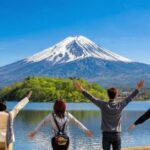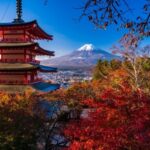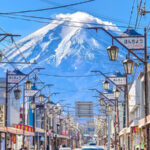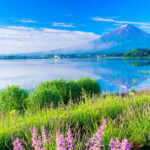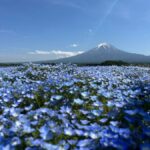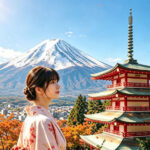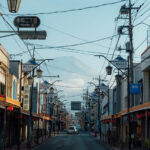
Mount Fuji is the star, but the pleasure of this day is seeing how differently it appears: above a red pagoda, behind shop signs and power lines, reflected in spring-water ponds, and framed by a bridge. This is a photo-focused outing, not a slow country ramble.
I like the five distinct viewpoints and the fact that you can leave the route planning and long drives to someone else. I also like that the stops mix headline photo spots with Oshino Hakkai, where the eight ponds add a quieter, more traditional note.
The trade-off is time. Most stops last 20 to 60 minutes, and the climb at Arakurayama can eat into that quickly. Traffic, crowds, and cloud cover can change the day, so book this for variety and convenience, not guaranteed views or leisurely visits.
- Five Fuji angles in one day: Pagoda, shopping street, convenience store, ponds, and bridge.
- Arakurayama means stairs: The park’s famous viewpoint requires a climb, and one hour may feel short if queues build.
- Oshino Hakkai offers a change of pace: Eight spring-fed ponds are filled with water from Mount Fuji’s snowmelt.
- Choose the right service: Guided group tours are offered in English or Chinese; private charters have a Chinese-speaking driver and no guide.
- Traffic can stretch the day: The plan runs from about 7 a.m. to 3 p.m., but delays have pushed returns much later.
- Bring your own lunch money: Meals and drinks are not included in the standard package.
- Five Fuji views, one long day
- Arakurayama Sengen Park and the pagoda climb
- Honcho Street, Fuji behind the signs
- Lawson and the convenience-store Fuji view
- Oshino Hakkai’s eight spring ponds
- Yume no Ohashi Bridge and the final photo stop
- Timing, transport, and the risk of delays
- Which package and price make sense?
- Who will enjoy this day most?
- Should you book it?
- FAQ
- How long is the tour?
- Which Mount Fuji locations are included?
- Is a tour guide included with the private-car option?
- Are English and Chinese guided options available?
- Is lunch included?
- How much time is scheduled at each stop?
- What is included in the tour price?
- Can I bring a wheelchair?
- Do infants and children count toward the passenger limit?
- What is the cancellation policy?
- The Best Of Fujiyoshida!
- More Guided Tours in Fujiyoshida
- More Tours in Fujiyoshida
- More Tour Reviews in Fujiyoshida
Five Fuji views, one long day
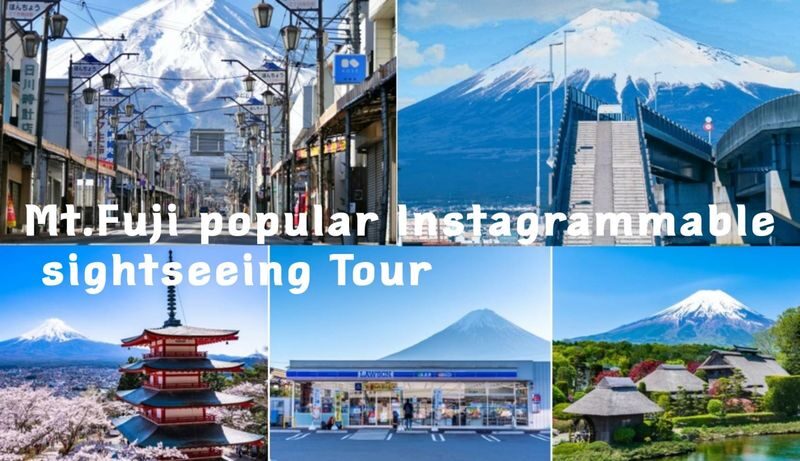

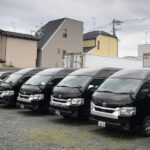
This tour links five familiar Mount Fuji photo stops in Fujiyoshida and the surrounding Yamanashi area. You travel from Tokyo by bus or, depending on the package, a private vehicle, with fuel, tolls, parking, and operator insurance included.
The convenience matters. Reaching several of these locations independently means working out local transport connections and allowing for transfers between stops. Here, the driver handles the route, leaving you to watch the weather and make the most of each short visit.
The itinerary is self-guided at each stop. On a guided group departure, the guide helps with timing and coordination, and the better experiences have included guides such as Yasu, Ayumi, Yui, Moto, and Serina. These names are examples, not a promise of who will lead your trip. In contrast, the private-car option explicitly includes a Chinese-speaking driver but does not include a tour guide. If commentary in English is important, check the exact package before paying.
This is a day of quick impressions rather than a deep exploration of any single place. You will have a chance to take photos, look around, and perhaps grab a snack, but not to linger at every viewpoint. That is the central bargain: broad coverage with little transport planning, in exchange for a brisk pace.

👉 See our pick of the 8 Most Highly Rated Private Driver Services In Fujiyoshida
Arakurayama Sengen Park and the pagoda climb
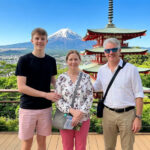
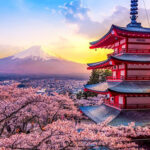
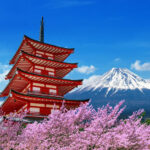
The day’s most recognizable view is at Arakurayama Sengen Park, where Chureito Pagoda, Mount Fuji, and, in cherry blossom season, flowering trees can share the frame. It is the classic composition many people come to Japan hoping to see.
The stop is scheduled for about an hour, but that does not mean an hour at the viewpoint. You need time to get from the parking area to the photo spots, and the climb includes roughly 400 steps. Lines for the observation area can also slow you down, especially in peak season. Some visitors have found they had to choose between waiting for the iconic photo and returning to the bus on time.
I would treat this as a brisk visit, not a gentle stroll. Wear shoes you can climb in, keep an eye on the time, and be realistic about the queue. If stairs or a tight schedule are a concern, this stop may be the hardest part of the day.
You can also read our reviews of more guided tours in Fujiyoshida
Honcho Street, Fuji behind the signs
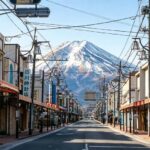
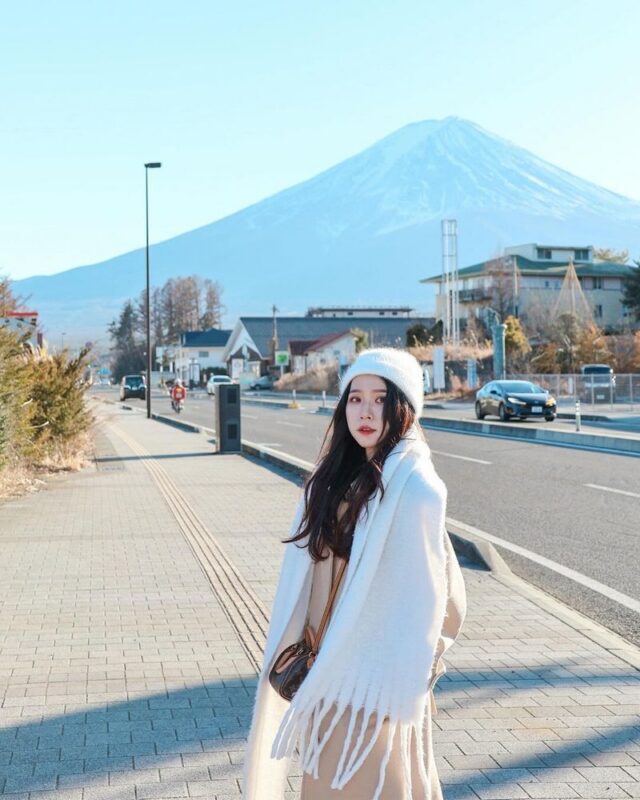
Honcho Shopping Street offers a very different view: a long, ordinary commercial street with Mount Fuji rising behind its signs, lanterns, and overhead power lines. Those everyday details are part of the appeal. The mountain looks less like a postcard here and more like a striking neighbour to a working town.
You have about 20 minutes, so think of this as a short photo stop. The street is not a dedicated viewing terrace, and the composition depends on visibility and where you stand. Keep your expectations simple: look for the Fuji backdrop, take your shot, and leave time to return to the meeting point.
One detail to know: the itinerary names Honcho Street, but a visitor also noted confusion around a Hikawa Clock Shop photo stop. Ask your guide to confirm the precise stop and walking directions on the day rather than assuming every familiar social-media angle is included.
Lawson and the convenience-store Fuji view
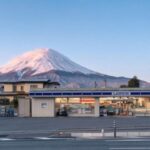
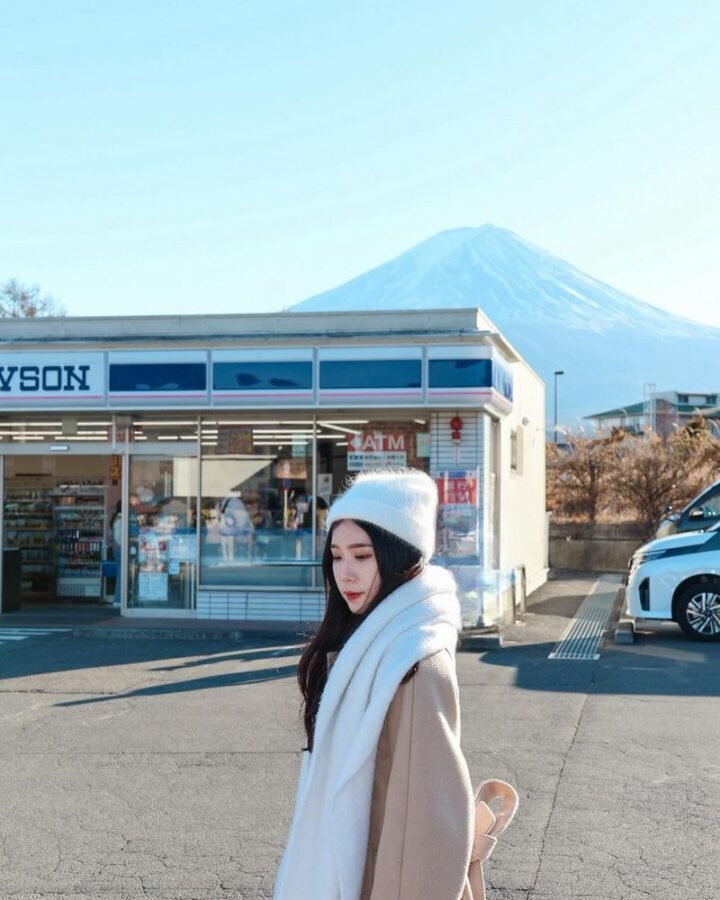
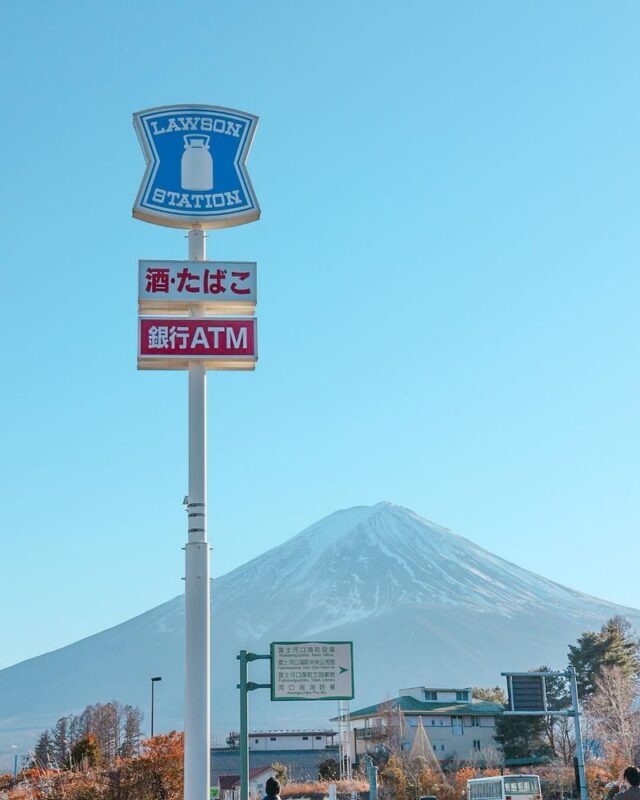
The Lawson Fujikawaguchiko Town Hall stop is popular for its unusual contrast: a familiar convenience store with Mount Fuji behind it. You have about 30 minutes, enough to take photos and buy something to eat, but this is not a quiet scenic pause. It is a busy roadside photo location, and the mountain may be hidden by cloud.
Lunch is not included in the standard package. You can buy food at Lawson or wait until Oshino Hakkai, where there are places to purchase food. A practical plan is to bring cash or a payment method you can use for snacks, then choose based on how busy the stops are.
The view is weather-dependent. One day may offer a clear mountain backdrop, while another may bring cloud, haze, or poor visibility. Do not make this single stop the measure of whether the whole trip has worked; the route gives you several chances to see Fuji from different directions.
Oshino Hakkai’s eight spring ponds
Oshino Hakkai adds a welcome change from roadside photo spots. Its eight ponds are fed by spring water from Mount Fuji’s snowmelt, and the clear water gives the visit a natural focus beyond the mountain itself.
The scheduled stop is about 50 minutes. That is enough for a walk around and a look at the ponds, but it can feel short if you also want to eat, browse, and take photos. Food is available to buy here, which makes it a sensible lunch stop if you did not pick something up earlier.
The ponds may be the most rewarding place to slow your eyes down, even if the schedule does not let you slow your feet. Take a moment to look at the water and the setting, rather than spending the whole visit trying to recreate one photograph. This is also a good place to use the restroom or purchase a drink, though queues can take time during busy periods.
Yume no Ohashi Bridge and the final photo stop
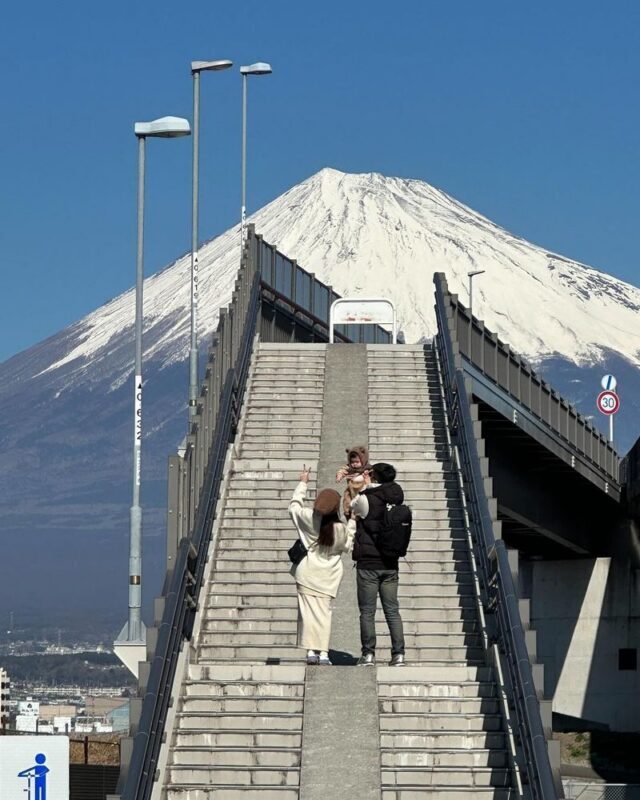
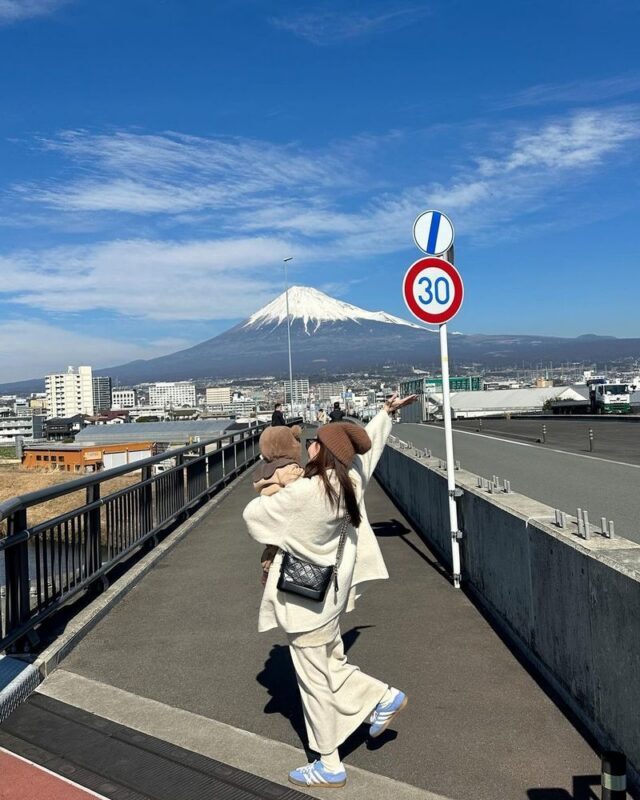
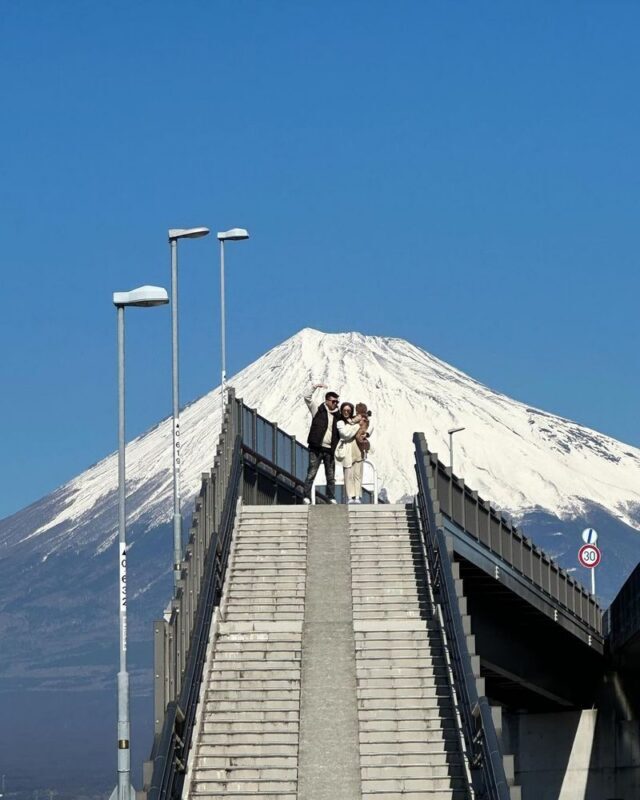
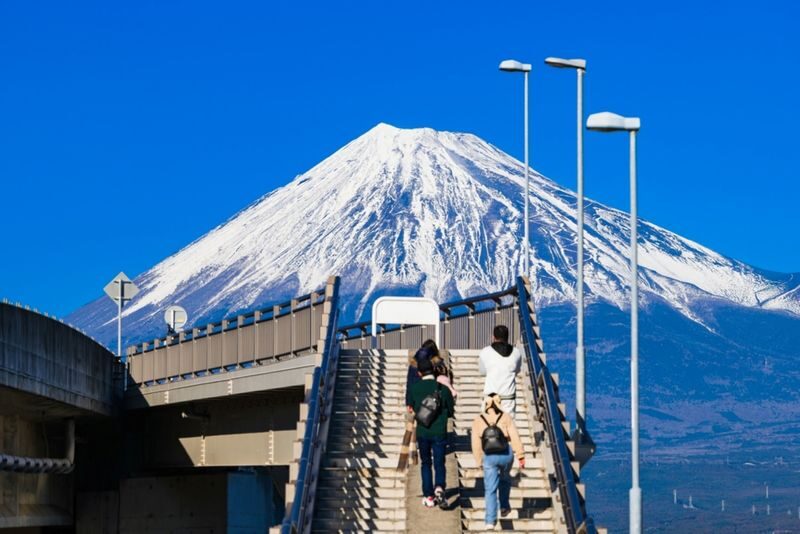
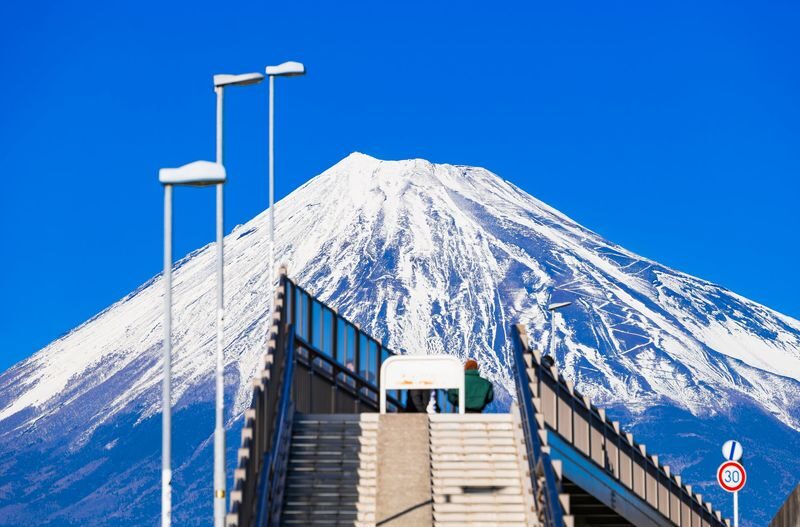
The last stop is Fujisan Yume no Ohashi Bridge, also called the Mount Fuji Dream Bridge. Its stair-like shape creates a strong line toward the mountain, which is why it has become a popular photo location.
You have about 30 minutes here. The bridge is visually striking in the right conditions, but it sits in an industrial area, not in an untouched mountain setting. If you expect a secluded scenic overlook, you may find the surroundings less romantic than the name suggests. The photo composition is the point.
As with the other stops, clouds can hide Fuji. Some days the mountain appears at several locations; on others, visibility changes as the day goes on. The bridge is a final chance, not a guarantee.
You can also read our reviews of more shopping tours in Fujiyoshida
Timing, transport, and the risk of delays
The advertised outline is an early departure, five stops, and a return to Tokyo around 3 p.m. The activity details also describe the trip as lasting 10 hours, and real-world road conditions can make the return much later. Traffic jams have extended the journey by several hours, and a delayed schedule has led to missed or shortened stops.
That uncertainty matters if you have a dinner reservation, train connection, or another fixed plan in Tokyo. Leave a generous buffer after the tour. The route covers a lot of ground, and a coach cannot simply bypass congestion when the highway slows.
The schedule also depends on the group. Guides have been praised for keeping people organized and helping everyone get back on time. But late departures, long lines, or slow-moving groups can squeeze the time available at individual stops. Keep your belongings ready, note the return meeting point, and be back promptly. A two-minute delay can become a real problem if the group is waiting.
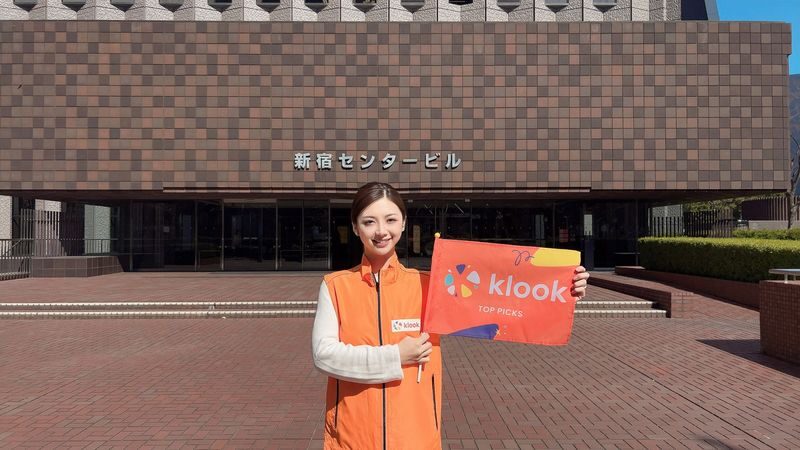
Finding the pickup point deserves attention too. The meeting information says departure is from Tokyo, with pickup details confirmed in advance, and the return point is listed as Shinjuku Center Building or a hotel or personal address depending on the arrangement. Confirm your exact pickup time and place before the day, and look carefully for the operator’s instructions.
Which package and price make sense?
The listed starting price is $378.95, but the price depends on the package and group arrangement. Available private options include a seven-seat car for up to six participants and a 10-seat car for up to nine. The seven-seat option is described as having a Chinese-speaking driver; it does not include a guide. Guided group packages may have a different setup, so compare the language and service details rather than relying on the tour title alone.
A private charter buys flexibility in how you travel as a group, but it does not automatically buy guided commentary. If you want explanations in English or Chinese, choose a package that clearly includes a guide. Language mix-ups have occurred, so confirm the chosen language with the operator before travel.
For value, weigh the cost against the distance covered. The fee includes round-trip transport, fuel, tolls, parking, and insurance from the operator. You are paying to avoid planning the route and to reach five photo stops in one day. You are not paying for meals, long visits, or a guaranteed clear view of Mount Fuji.
A group tour may suit you best if you are comfortable following a shared timetable and want a guide to help coordinate the day. A private charter can suit a small group that wants its own vehicle, but remember the driver-only arrangement and the stated overtime charge of 5,000 per hour for use beyond 10 hours.
Who will enjoy this day most?
I would book this if I wanted a practical way to collect several Mount Fuji views without organizing local buses and transfers. It works particularly well for a first visit, a short stay in Tokyo, or a group whose main goal is photography.
It is less suitable if you want a slow visit, extensive time at the pagoda, or a detailed guided tour at every stop. The private charter is not the answer if you need a guide but have selected a driver-only package. And if cloudy weather would make the day feel wasted, consider that all five stops depend to some degree on clear views.
There are also a few practical limits. Infants and children must be included in the passenger count. Only foldable wheelchairs can be stored on the bus, and a participant who appears intoxicated may be refused service without a refund. Meals and drinks are your own expense.
Should you book it?
Book this tour if your priority is efficient access to five famous Fuji photo locations and you can accept a fast pace. Its strongest points are the range of viewpoints, the convenience of round-trip transport, and guides who can make the schedule easier to manage. Some named guides, including Yasu, Ayumi, Yui, Moto, and Serina, have been singled out for being helpful, patient, and organized, though you cannot choose or guarantee a particular guide.
Skip it if you want ample time at each site or need certainty about the return hour. The most sensible approach is to verify the language and guide arrangement, plan for your own lunch, wear comfortable shoes, and leave your Tokyo evening open. With those expectations, this can be a useful, photo-rich day out, provided the weather cooperates.
Mount Fuji 5 Must-Visit Instagram Spots Day Tour: Mount Fuji Yume no Ohashi Bridge, Lawson Convenience Store, Arakurayama Sengen Park, Honcho Shopping Street, and Oshino Hakkai (Guided in Chinese or English, Departing from Shinjuku, Tokyo)
“Highly recommended to avail of this Klook tour. our tour guide, Moto, was very helpful and accommodating, and strict with the time. good that the t…”
FAQ
How long is the tour?
The planned schedule runs from about 7 a.m. to 3 p.m., while the activity details describe the trip as 10 hours. Traffic and weather can change the schedule, and delays may extend the return well beyond 3 p.m.
Which Mount Fuji locations are included?
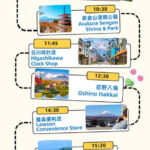
The five stops are Arakurayama Sengen Park, Honcho Street, Lawson Fujikawaguchiko Town Hall, Oshino Hakkai, and Fujisan Yume no Ohashi Bridge.
Is a tour guide included with the private-car option?
No. The private charter includes a driver, not a tour guide. The listed private-car options have Chinese-speaking drivers.
Are English and Chinese guided options available?
The activity is offered with English- or Chinese-speaking guide options. Check the specific package you select, since the private-car option is described as driver-only and language mismatches have occurred.
Is lunch included?
Meals and beverages are not included in the standard package. You can buy food at Lawson or at Oshino Hakkai.
How much time is scheduled at each stop?
The plan allows about one hour at Arakurayama Sengen Park, 20 minutes at Honcho Street, 30 minutes at Lawson, 50 minutes at Oshino Hakkai, and 30 minutes at Yume no Ohashi Bridge.
What is included in the tour price?
Round-trip transfers, transport, fuel, tolls, parking fees, and insurance provided by the operator are included. Meals, drinks, and personal expenses are not.
Can I bring a wheelchair?
Only foldable wheelchairs can be stored on the bus. The information provided does not give further accessibility details.
Do infants and children count toward the passenger limit?
Yes. Infants and children must be included in the passenger headcount.
What is the cancellation policy?
A full refund is available if you cancel at least 48 hours before the activity date, based on local time at the destination. Late arrivals and no-shows are not eligible for refunds.