Asakusa gives you a Tokyo setting for a kimono outing without making the trip to Kyoto. You dress at a kimono shop, then explore the neighborhood with an English-speaking guide who can take photos as you go.
I like two things here: the guide can shape the route around your interests, and the mix of traditional clothing with Asakusa’s specialist shops makes this more than a photo session. You may browse kitchenware or knife shops, sample foods, or visit an animal cafe if the route and conditions allow.
The main consideration is the pace. The tour runs from 9:30 a.m. to 3 p.m., and one account describes a good deal of walking. Weather or crowd capacity can also mean skipping some stops, so treat the schedule as flexible rather than a promise of particular sights.
- Asakusa in a kimono, with a guide to do the picture-taking
- Getting ready at the kimono shop
- Exploring Asakusa beyond the photo stops
- Photos that let you stay in the moment
- A five-and-a-half-hour outing with some walking
- What the price covers, and where the value lies
- Who is likely to enjoy this tour
- Should you book the Asakusa kimono tour?
- Key points
- FAQ
- How long does the tour last?
- Where does the guide meet me?
- Is kimono rental included?
- Is transportation included?
- What is the group size?
- Are meals and drinks included?
- Can children join the tour?
- Will every attraction on the route be visited?
- What is the cancellation policy?
- The Best Of Tokyo!
- More Guided Tours in Tokyo
- More Tours in Tokyo
- More Tour Reviews in Tokyo
Asakusa in a kimono, with a guide to do the picture-taking
 1 / 9
 2 / 9
 3 / 9
 4 / 9
 5 / 9
 6 / 9
 7 / 9
 8 / 9
 9 / 9
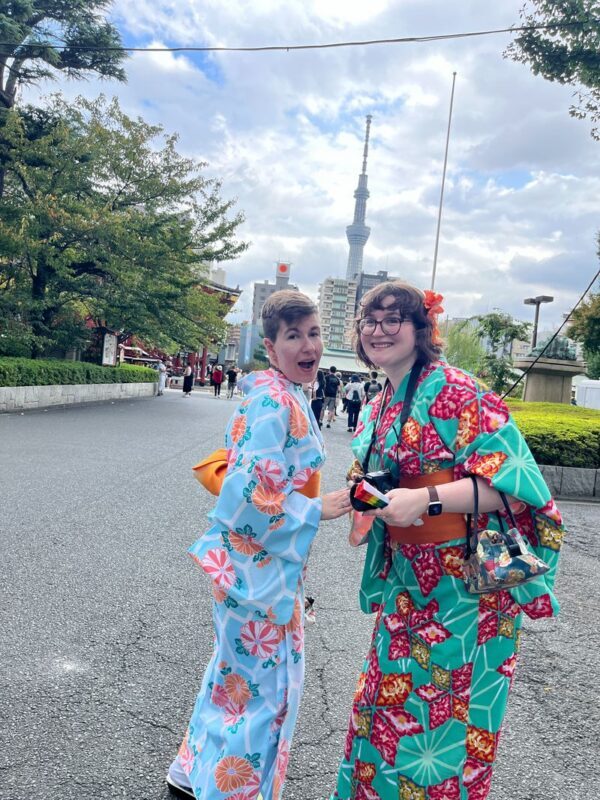
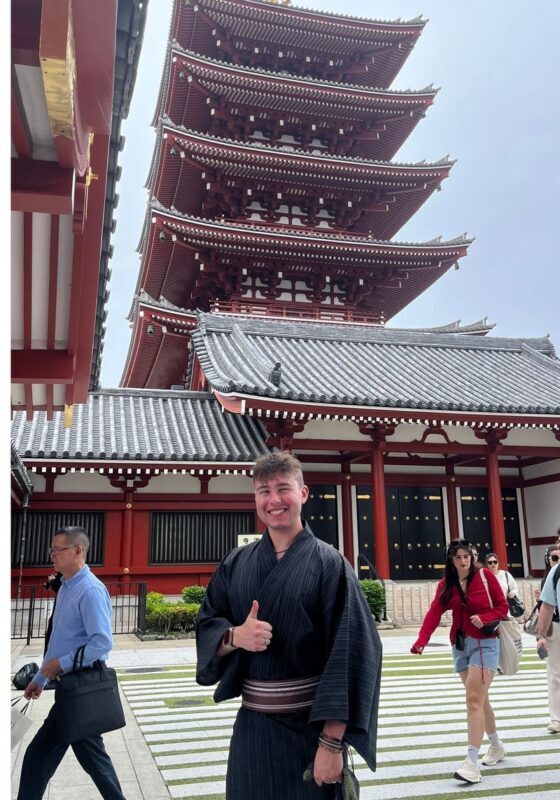
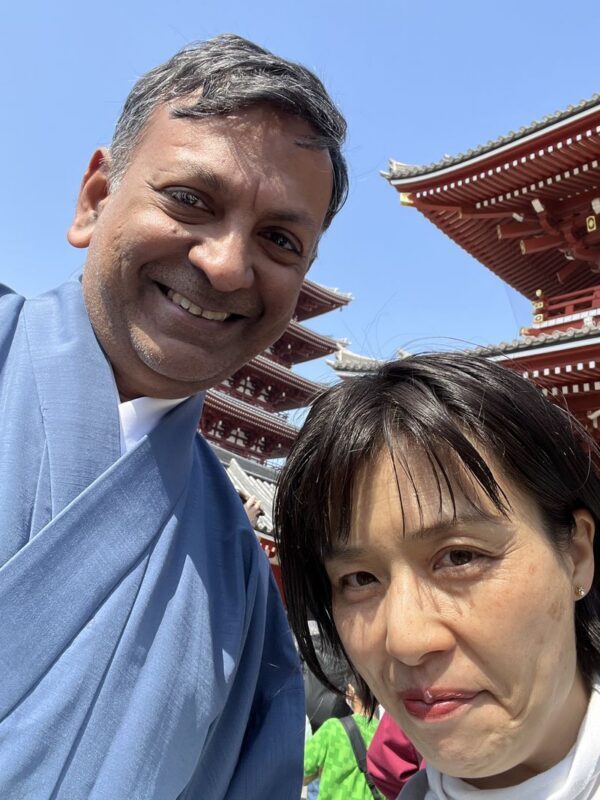
This tour pairs two things that can be awkward to manage alone: wearing a kimono in a busy sightseeing district and getting photos of yourself in it. Your guide accompanies you through Asakusa and takes pictures amid its streets and scenery, leaving you free to look around rather than constantly setting up your phone.
That combination is useful if you are new to Tokyo. A guide can help you choose stops based on what interests you, and the tour’s range of possible visits gives the outing room to be personal. You might prefer specialty shops, food samples, or an animal cafe; the precise route is not fixed.
Miyuki-san is one named guide associated with the experience, but the guide for your date is not specified. One account of a tour with her describes a route shaped around personal interests and useful suggestions for places to see later. That is a good sign for anyone who wants more than a set of posed pictures, though you should not assume you will have the same guide.

👉 See our pick of the Our Picks For The 11 Best Workshops & Classes In Tokyo
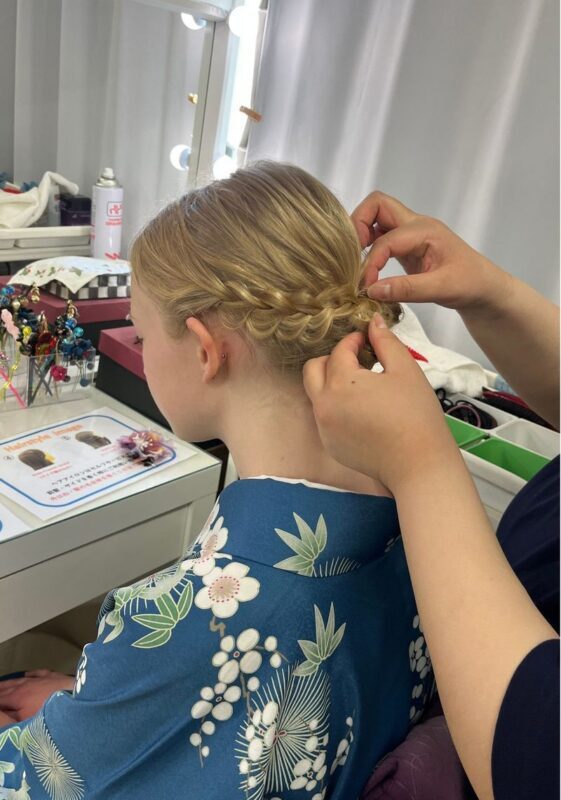
Getting ready at the kimono shop
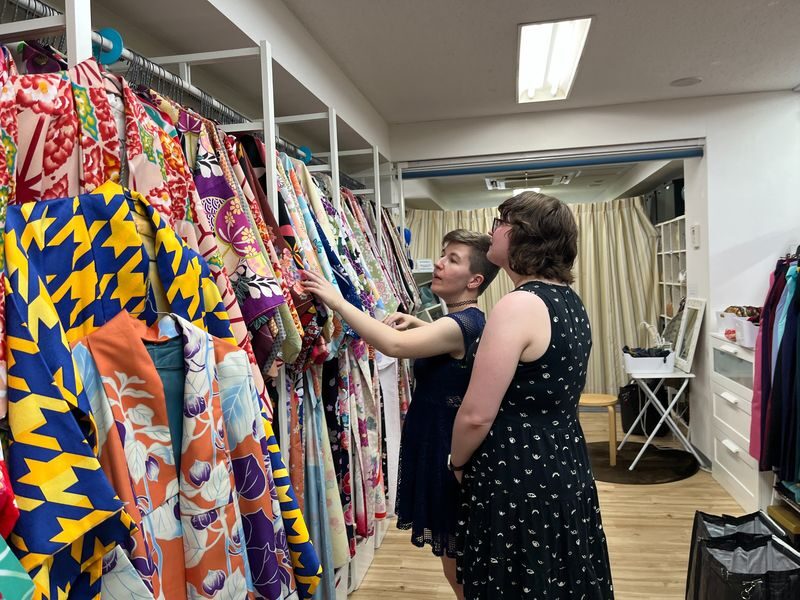
The day begins with hotel or accommodation pickup at about 9:30 a.m. You are asked to be ready five minutes early, and the operator reconfirms the pickup time in advance. From there, the first listed stop is a kimono shop, where you change and get ready to head out.
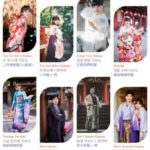
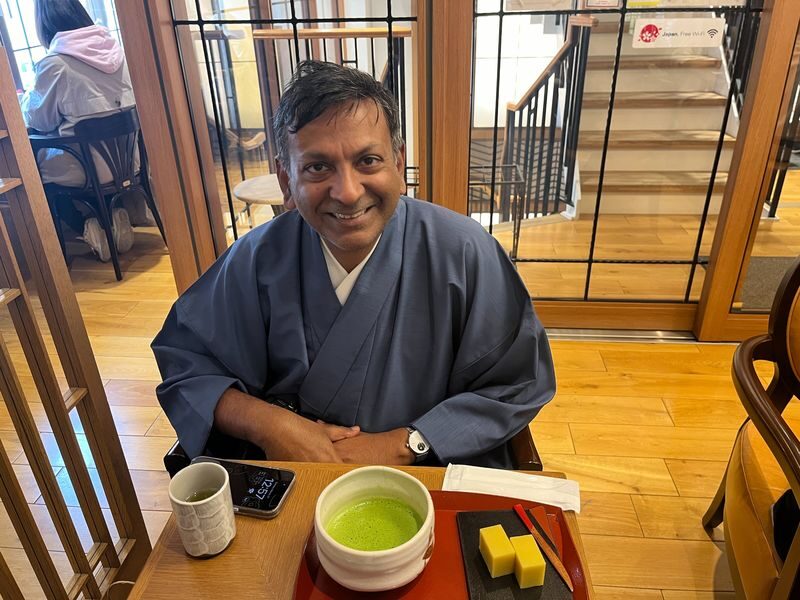
The tour includes the kimono rental, but the details of the selection, fitting, and styling process are not specified. Plan for this to take a meaningful part of the morning: you are changing into traditional clothing before the walk, not simply collecting an outfit and setting off. If you have questions about sizing, footwear, or what to wear underneath, ask the operator before booking rather than guessing.
The clothes are central to the experience, but they also affect how you move through the day. You will be walking and using public transport, so consider whether you are comfortable spending several hours in a rented kimono. The tour is best for someone who wants the cultural experience as well as the photos, not just a quick costume change.
You can also read our reviews of more guided tours in Tokyo


Exploring Asakusa beyond the photo stops
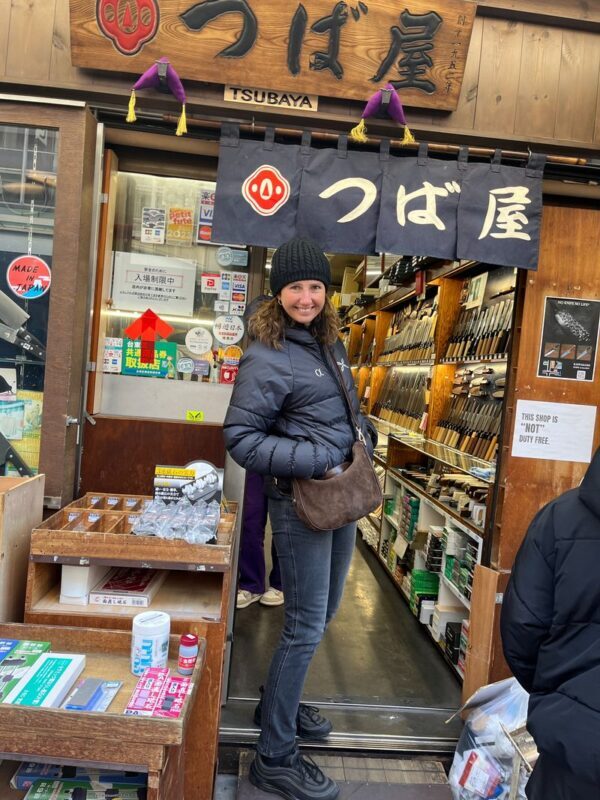
Asakusa is the tour’s main setting, and the appeal is its concentrated mix of traditional culture and everyday commerce. You can expect to walk through lively streets and encounter shops with a particular focus, including sellers of specialized kitchenware and traditional blades. Food-sample shops are another possible stop, offering a playful look at the displays used to show restaurant dishes.
These details give the outing a useful local angle. A kitchenware shop or knife shop is not just a backdrop for a picture; it can show you the craft and practical trades that remain part of the neighborhood. If those subjects interest you, tell your guide early. The route can be adapted to what you want to see, though it still depends on time and conditions.
Animal cafes are also mentioned as a possible part of the outing. That does not mean every tour will visit one, and no particular cafe is guaranteed. Treat it as an option to discuss with your guide, not a fixed stop.
The schedule does not name a set list of landmarks or promise a particular order. That flexibility can work in your favor if you enjoy browsing and conversation. It is less ideal if you are hoping to tick off exact sights or need a tightly timed plan for the rest of the day.
Photos that let you stay in the moment
The guide takes photos of you in Asakusa’s scenery, which solves a common problem for solo visitors and couples: one person often ends up behind the camera. You can focus on the streets and shops while the guide helps capture the outing.
The information does not specify how many photos you receive, what device the guide uses, or how the images are delivered. If those details matter to you, ask before booking. The clear benefit is that photography is part of the guided experience, but you should not assume a professional photo shoot, edited images, or a guaranteed number of shots.
You can also help the photos feel more personal by telling the guide what you like. A preference for traditional shops, food, or a particular sort of street scene may shape where you pause. The tour is not described as a formal portrait session, so expect pictures made along the way rather than a studio-style shoot.
A five-and-a-half-hour outing with some walking
The listed day runs from 9:30 a.m. to 3 p.m., a substantial half-day. Hotel pickup and return are included, and public transport fares during the tour are covered. The guide meets you at your lodging, while train travel is used during the outing.
That arrangement can simplify the start and finish, especially if you are still learning Tokyo’s transit system. It also means the tour is not a private car ride from stop to stop. You will use trains and walk between places, so keep the schedule’s physical side in mind. One account describes walking a great deal, with the effort rewarded by seeing more of the area.
The plan may change with traffic or weather, and some attractions may be skipped because of capacity or weather conditions. This matters most if you are booking for a specific shop or cafe. Ask whether a stop is available on your date, and stay open to alternatives if conditions change.
Meals and drinks are not included. Since the tour spans lunch hours, budget separately for food and ask your guide how meal time fits into the day. Personal purchases are also extra, which is easy to forget if you are tempted by kitchen tools, snacks, or souvenirs.
What the price covers, and where the value lies
The hotel-pickup package starts at $107.20 per person. It includes an English-speaking guide, hotel transfers, kimono rental, and public transport fares during the tour. For a small private group of one to seven people, that bundle may be worthwhile if you want help navigating, photos, and an activity built around the neighborhood rather than arranging each part yourself.
The price is less compelling if you only want to rent a kimono or take a few pictures. This is a guided outing lasting around five and a half hours, and the value depends on using that time to explore Asakusa and ask your guide for suggestions. Food, drinks, tips, and personal spending are not included, so add those to your budget.
A separate package offers round-trip transport from Haneda Airport from $126.15. It is distinct from the hotel-pickup option, so compare the package details carefully before selecting one. The listed price is a starting price, not a guarantee that every date or group will pay the same amount.
You can also read our reviews of more private tours in Tokyo


Who is likely to enjoy this tour
I would consider this for a first visit to Japan, especially if you want an easy introduction to Asakusa and appreciate having someone tailor the route to your interests. The guide’s ability to suggest future places to visit can also make the outing useful beyond its own few hours.
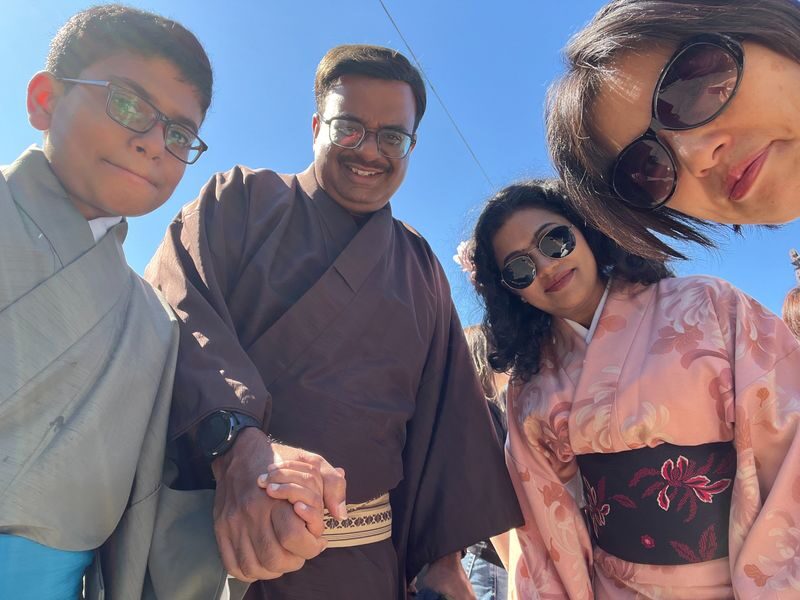
It suits people who want the kimono experience to be part of a larger neighborhood visit. You get time for shops and possible food or cafe stops, rather than only changing clothes for a quick photo. Couples, friends, and small family groups can book, with children aged three and older charged the adult rate. Children aged zero to two are free.
It may be a weaker match if you want a fixed sightseeing checklist, dislike walking, or need guaranteed access to a particular attraction. The group is small, but the precise route can change. And if your main aim is a professional photo package, check the photo delivery details first, since they are not specified.
Should you book the Asakusa kimono tour?
Book it if you want to wear a kimono while exploring Asakusa, value an English-speaking guide, and like the idea of photos taken along the way. The included pickup, rental, and train fares make the day easier to organize, while the flexible route can suit a range of interests.
Skip it if you need a rigid schedule or are focused on one guaranteed stop. Before paying, confirm the guide and pickup details, ask how photos are delivered, and check what the route can include on your date. If those points line up with what you want, this is a practical way to combine a cultural activity with a guided look at Asakusa.
Key points
- Kimono rental is included: You change at a kimono shop before exploring Asakusa.
- A guide takes your photos: Photography is part of the walk, though photo quantity and delivery are not specified.
- The route can reflect your interests: Possible stops include specialist kitchenware and knife shops, food-sample sellers, and animal cafes.
- Plan for walking and trains: Public transport fares are included, but this is not a car-based tour between sights.
- The outing lasts about five and a half hours: It runs from 9:30 a.m. to 3 p.m., with changes possible due to weather, traffic, or capacity.
- The hotel package starts at $107.20: Meals, drinks, tips, and personal purchases are extra.
Private Kimono & Photo Tour in Asakusa with English Guide
“An amazing experience. It was my first time in Japan, so to have a tour guide so committed to finding and guiding me to the best spots based on my…”
FAQ
How long does the tour last?
The scheduled tour runs from 9:30 a.m. to 3 p.m., about five and a half hours. The schedule may change with traffic or weather.
Where does the guide meet me?
The guide meets you at your hotel or accommodation. Enter its name and address when booking, and arrive at the pickup location five minutes before departure.
Is kimono rental included?
Yes. The tour includes kimono rental, with changing and preparation at a kimono shop.
Is transportation included?
Hotel pickup and return are included in the hotel-pickup package. Public transport fares during the tour are also included, and travel during the tour is by train.
What is the group size?
The stated group size is one to seven participants.
Are meals and drinks included?
No. Meals and beverages are not included, and personal expenses are extra.
Can children join the tour?
Children aged zero to two can join free. Children aged three and older are charged the same rate as adults.
Will every attraction on the route be visited?
No specific set of attractions is guaranteed. Stops may be skipped because of capacity or weather, and the schedule can change.
What is the cancellation policy?
A full refund is available if you cancel at least 24 hours before the activity date, using destination local time.