Tsuta’s appeal is not just the finished bowl. This two-hour visit lets you see how its ramen is built, tasting noodles, broth, and toppings on their own before they come together in the restaurant’s signature shoyu or shio ramen.
I like two things about the format: you get a close look at the ingredients and the choices behind them, and CEO Yuka explains the care founder Yuki Onishi puts into the restaurant’s cooking. A host named Mitsuyo has also led a session, answering questions as participants tasted ingredients one by one.
One consideration: at from $89.89, this is a special-interest food experience, not a bargain lunch. You also need to arrive on time, and children must be at least 6 and pay the adult rate.
- Key points before you book
- What makes this ramen visit different
- Meeting Yuka and hearing Tsuta’s philosophy
- Tasting the noodles, broth, and toppings separately
- Bringing the components together in a signature bowl
- Is .89 good value?
- Getting to Tsuta and preparing for the session
- Who should book this experience
- FAQ
- How long is the Tsuta ramen experience?
- Where does the experience meet?
- Which ramen options can I book?
- What food is included?
- Is an English-speaking guide included?
- What is the minimum age?
- Should I tell the host about allergies?
- How early should I arrive?
- Can I cancel for a refund?
- The Best Of Tokyo!
- More Food & Drink Experiences in Tokyo
- More Tours in Tokyo
- More Tour Reviews in Tokyo
Key points before you book
 1 / 8
 2 / 8
 3 / 8
 4 / 8
 5 / 8
 6 / 8
 7 / 8
 8 / 8
- Taste ramen in stages: Try noodles, broth, and toppings separately before they are combined in a complete bowl.
- Hear Tsuta’s philosophy from CEO Yuka: The session connects ingredient choices and technique to founder Yuki Onishi’s attention to detail.
- Choose shoyu or shio: Both versions are offered, though the detailed package information describes the shoyu tasting.
- Expect a two-hour, English-led visit: The experience includes a behind-the-scenes tour, a tasting, a bowl of ramen, extra toppings, and a souvenir.
- Plan for Yoyogi-Uehara: The restaurant is a short walk from the station, but transport to the venue is not included.

👉 See our pick of the Our Picks For The 11 Best Workshops & Classes In Tokyo
What makes this ramen visit different
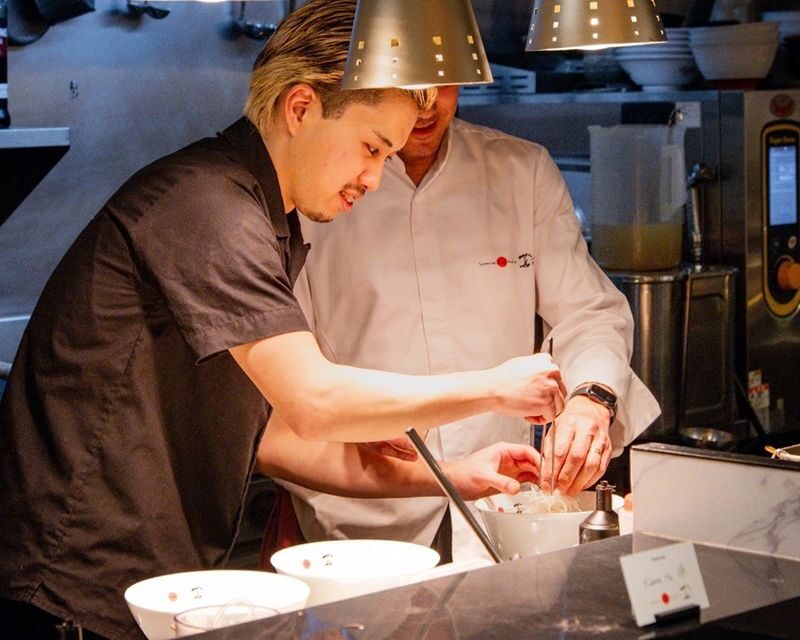
A bowl of ramen can look simple once it reaches the table. The experience at Tsuta gives you a chance to consider what goes into it before you eat the finished dish. Instead of treating ramen as a single item, the tasting separates its parts: noodles, broth, and toppings. You can notice each component on its own, then see how the whole bowl brings them together.
That structure makes the session useful even if you already know Tokyo ramen shops. You are not simply ordering lunch at a famous address. You are learning about Tsuta’s approach to making ramen, with time to examine ingredients closely and ask questions.
The restaurant is associated with Michelin-star ramen, and the session focuses on the care behind that reputation. Its emphasis is not on a showy kitchen performance. It is on the reasoning, ingredient choices, and techniques that shape the dish.
That is a good fit for curious eaters. If you love ramen, the close comparison gives you more to think about than the usual choice between one shop and the next. If you are new to ramen, tasting the elements separately offers a clear introduction without requiring you to know the jargon first.
You can also read our reviews of more food & drink experiences in Tokyo


Meeting Yuka and hearing Tsuta’s philosophy
CEO Yuka explains the restaurant’s philosophy and the attention to detail that founder Yuki Onishi brings to its ramen. This gives the visit a personal point of view: you hear how Tsuta thinks about its food, rather than receiving only a list of ingredients or a general account of ramen.
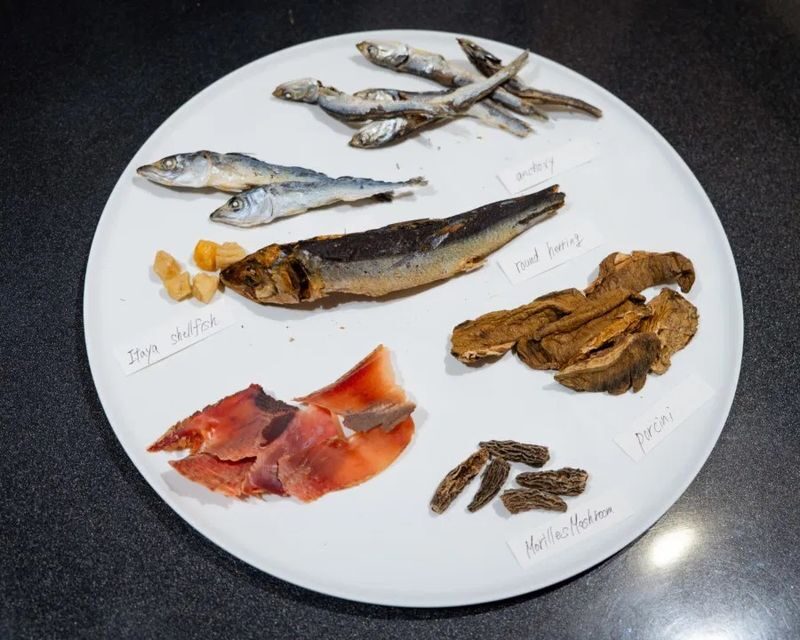
The focus on provenance is especially useful. One of the clearest ways to understand a restaurant’s standards is to look at what it chooses and why. You get to see ingredients up close and consider how each contributes to the dish. That context can change the way you approach a bowl, even after the visit is over.
A host named Mitsuyo led one session and answered questions during the tasting. Since the experience names Yuka as the CEO who explains Tsuta’s philosophy, but does not promise that the same person hosts every date, treat the host as subject to change. If meeting a particular person matters to you, confirm that before booking.
The conversation is part of the value, not a side note. You can ask about the ingredients and techniques as you encounter them, then connect the answers to what you taste. That makes the session more interactive than a meal where the finished bowl arrives without explanation.
Tasting the noodles, broth, and toppings separately
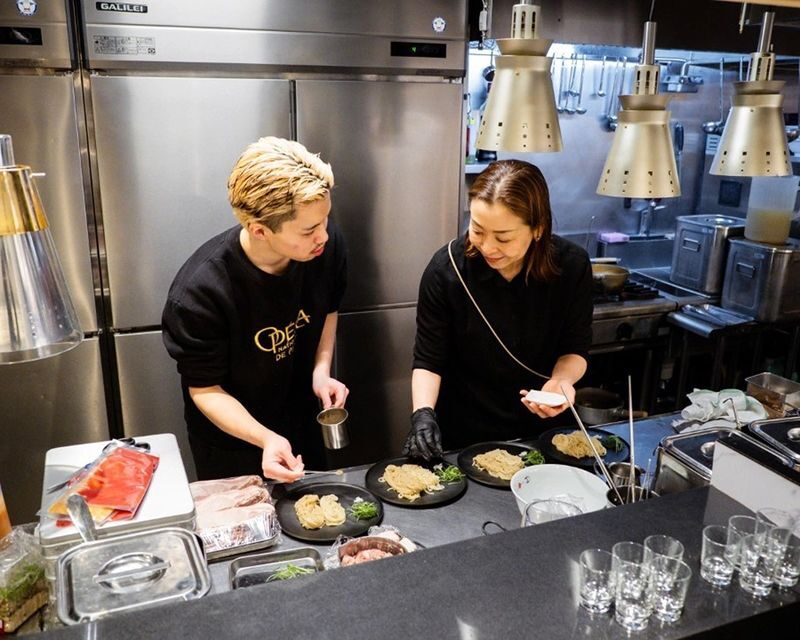
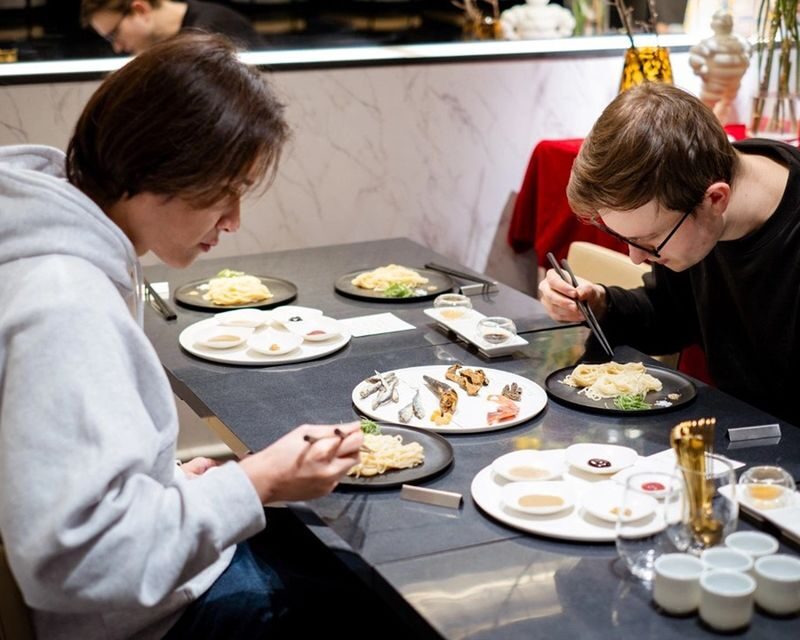
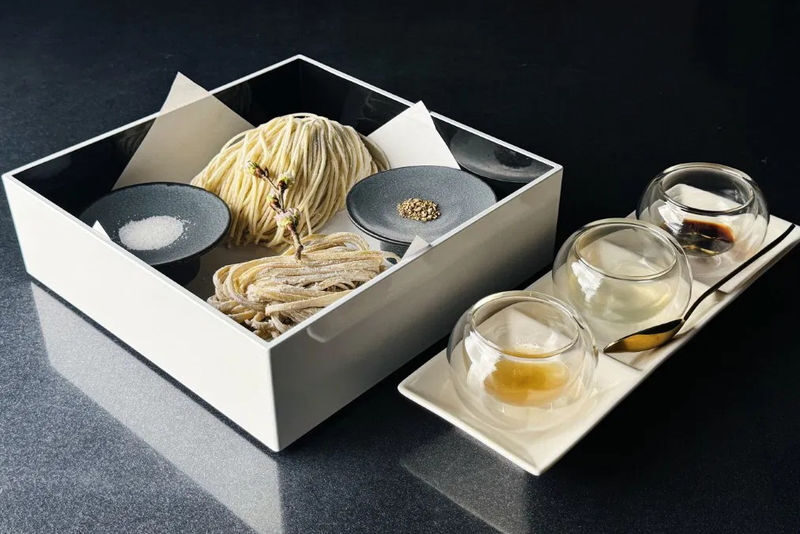
The tasting works through the building blocks of the ramen. You try Tsuta’s homemade noodles and the other elements on their own, with the host explaining what makes them part of the restaurant’s style. This step-by-step approach helps you pay attention to texture, flavor, and the role each component plays.
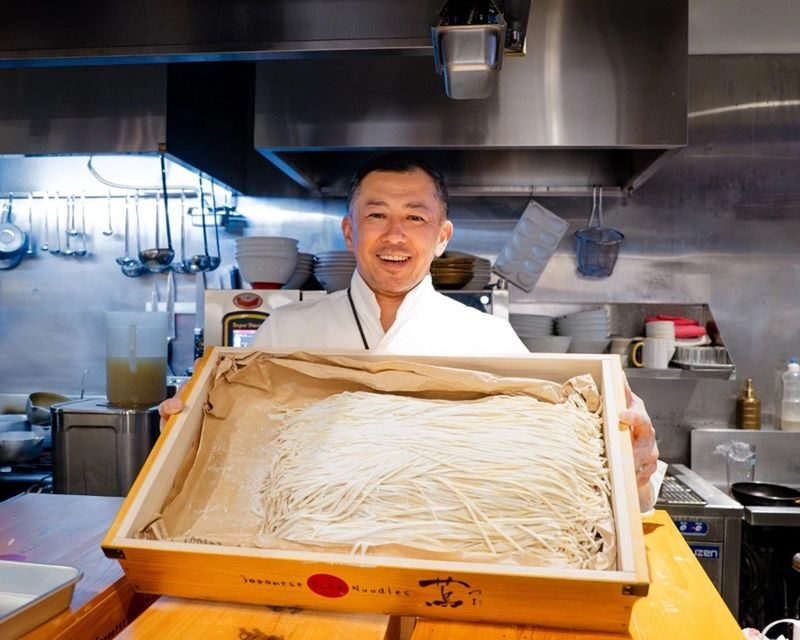
The noodles get particular attention. You taste and compare Tsuta’s signature homemade noodles, rather than merely hearing that they are made in-house. For anyone who usually treats noodles as a vehicle for broth, this is a chance to focus on them as a defining part of the bowl.
The broth and toppings receive the same considered treatment. You can experience them individually before they are paired with the other elements. The extra toppings include Japanese and Western flavors, adding another point of comparison. Specific toppings are not listed, so do not book expecting a particular ingredient.
This part is likely to be the most rewarding for people who enjoy detail. If you prefer a quick meal and are not interested in how food is made, the explanations may feel like more than you need. But if you like to know why a dish tastes as it does, the separate tastings give the two hours a clear purpose.
Bringing the components together in a signature bowl
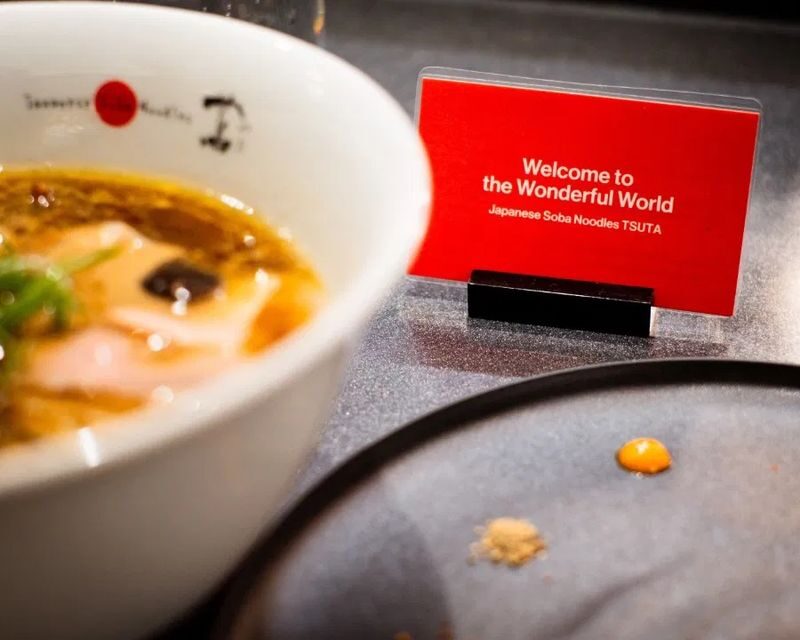
After the tasting, the individual parts come together in a complete bowl of ramen. The package includes a signature shoyu ramen or, with the other option, a shio ramen. Shoyu refers to a soy-sauce style, while shio is salt-based, but the experience description does not specify the exact recipe or broth ingredients for either bowl.
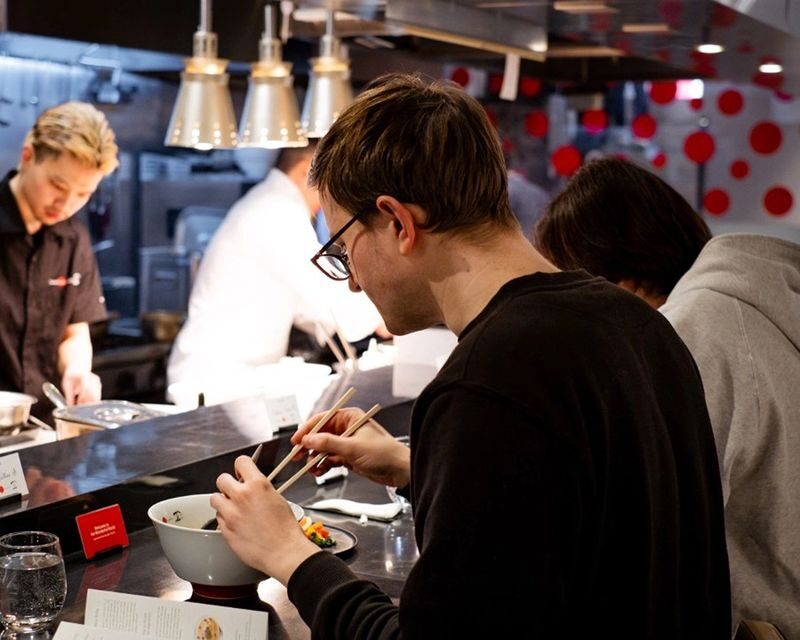
The full bowl is the payoff, but also a useful comparison. You have already tasted the noodles, broth, and toppings separately, so you can notice what changes when they are combined. The session frames the finished ramen as the result of careful choices, rather than a collection of ingredients placed together at random.
The shoyu package is the one described in the available package details. The shio option is also offered at the same starting price, but its tasting details are not laid out in the same depth. If you have a preference, choose the appropriate package when booking and ask the host about any ingredient concerns in advance.
The tasting includes extra toppings as well as the signature bowl. That makes the meal more than a single standard serving, though no portion sizes are specified. If you have dietary restrictions or allergies, tell the host when you book. Do not assume an ingredient can be removed or substituted unless the host confirms it.
Is $89.89 good value?
The listed starting price is $89.89 per person. That is a substantial price for ramen, so it makes sense only if you value the guided access and explanation as much as the meal. You are paying for a two-hour experience that includes a behind-the-scenes visit, an English-speaking guide, ingredient tasting, a signature bowl, extra toppings, and a special souvenir.
For a ramen fan, the value lies in seeing how Tsuta builds its dish and hearing the reasoning behind its choices. The staged tasting is the key difference from simply eating at the restaurant. You get a guided way to compare ingredients, followed by a bowl that brings the lesson together.
For someone mainly seeking a filling lunch, the price may be hard to justify. Transport and personal expenses are not included, and the package should not be confused with a general restaurant meal. The experience is best treated as a food-focused activity in its own right.
The five available activity ratings are all 5 out of 5, with praise centered on the informative format, close ingredient tasting, and the host’s willingness to answer questions. That is encouraging, though five ratings are a small sample. Tablecross Inc., the provider, has 1,145 total reviews and a 95 percent good review rate across its activities. That broader figure offers more context about the provider, but it is not a guarantee that every session will be identical.



Getting to Tsuta and preparing for the session
The meeting point is Japanese Soba Noodles Tsuta at 〒151-0066 Tokyo, Shibuya, Nishihara, 3 Chome-2-4 フロンティア代々木上原. The venue is a short walk from Yoyogi-Uehara Station. Your confirmed voucher will include detailed directions and a Google Maps link.
Arrive 10 minutes before the start time. If you are more than 30 minutes late and have not contacted the provider, the reservation may be treated as cancelled. That is a tight margin for a timed food experience, so allow extra time to find the venue and locate your host.
Regular business hours begin at 11:00, when general customers start entering the restaurant. This matters because the behind-the-scenes portion takes place in a working restaurant, not a closed museum. Follow your host’s directions and keep in mind that the public service period begins at that time.
Please avoid strong perfume or cologne. Ramen is a close-up tasting experience, and strong scents can interfere with the food. Also, share allergies and dietary restrictions when booking rather than waiting until you arrive.
The voucher is mobile and valid only on the date and time specified. Confirmation should arrive within minutes; if it does not, contact customer support. You can cancel for a full refund if you do so at least 72 hours before the activity date, using Tokyo local time.
Who should book this experience
I would put this near the top of the list for serious ramen fans, food-minded visitors, and anyone who likes understanding how a favorite dish is made. The ingredient-by-ingredient format gives you something to take away beyond a meal, and the English-speaking host makes the explanations accessible.
It can also work well early in a Tokyo visit. The experience offers a useful introduction to Japanese ramen culture and Tsuta’s particular approach, giving you a framework for noticing differences at other shops. You do not need to be an expert to enjoy it; the stepwise tasting gives newcomers a way in.
Families can book for children aged 6 and up, but every child must be included in the passenger count and will pay the same rate as an adult. At nearly $90 per person, that can make the outing costly for a family. Infants and children also need to be included in the headcount, so check the booking details before confirming.
I would skip it if you only want an inexpensive bowl, have a very tight schedule, or do not enjoy guided food explanations. But if you want to understand what gives Tsuta’s ramen its character, the combination of a behind-the-scenes visit, direct tasting, and a complete bowl makes this a focused and memorable use of two hours.
Michelin Star Ramen Tasting at Tsuta in Shibuya
“A great experience. informative and tasty as you explore what it takes to make a Michelin star ramen. Our host was amazing and would recommend this…”
FAQ
How long is the Tsuta ramen experience?
The experience lasts two hours and includes a behind-the-scenes tour and ramen tasting.
Where does the experience meet?
Meet at Japanese Soba Noodles Tsuta, 〒151-0066 Tokyo, Shibuya, Nishihara, 3 Chome-2-4 フロンティア代々木上原. It is a short walk from Yoyogi-Uehara Station.
Which ramen options can I book?
You can choose a shoyu ramen tasting or a shio ramen tasting. Both are listed from US$89.89.
What food is included?
The experience includes a bowl of signature ramen, extra toppings featuring Japanese and Western flavors, and a tasting session.
Is an English-speaking guide included?
Yes. An English-speaking guide is included. CEO Yuka explains Tsuta’s philosophy, and the host may vary by session.
What is the minimum age?
Participants must be at least 6 years old. Children aged 6 and older pay the same rate as adults, and infants and children must be included in the passenger headcount.
Should I tell the host about allergies?
Yes. Inform the host about food allergies or dietary restrictions when booking.
How early should I arrive?
Arrive 10 minutes before the start time. If you are more than 30 minutes late without contacting the provider, the reservation may be considered cancelled.
Can I cancel for a refund?
You can receive a full refund if you cancel at least 72 hours before the activity date, using local time at the destination.