Sushi is more fun when you make it yourself. In this one-hour Asakusa class, you get a quick introduction to sushi history, hands-on instruction and food you prepare to eat. The standard menu lists nine temari sushi pieces, miso-ball soup and pickled vegetables; class descriptions and past sessions also feature rolls and nigiri.
I like two things in particular: the playful quiz gives the cooking a bit of cultural context, and the English-speaking instructors guide you step by step without requiring any experience. The location, close to Sensoji Temple, also makes this an easy cultural stop in a day around Asakusa. One consideration: at from $56.85, it costs more than simply buying lunch, and an hour is a short visit if you want an extended cooking lesson.
- What to know before you book
- A hands-on hour in Asakusa
- A quiz before the rice and fish
- Making temari, rolls and other sushi
- Eating what you have made
- Dietary menus and what to confirm
- Is the price worth it?
- Who will enjoy this class most
- Should you book the Asakusa sushi class?
- FAQ
- How long is the sushi-making class?
- Where is the class held?
- What is the starting price?
- What food is included in the standard menu?
- Is the class suitable for beginners?
- Are children allowed?
- Are dietary menus available?
- Is sake included?
- What is the cancellation policy?
- The Best Of Tokyo!
- More Workshops & Classes in Tokyo
- More Tours in Tokyo
- More Tour Reviews in Tokyo
What to know before you book
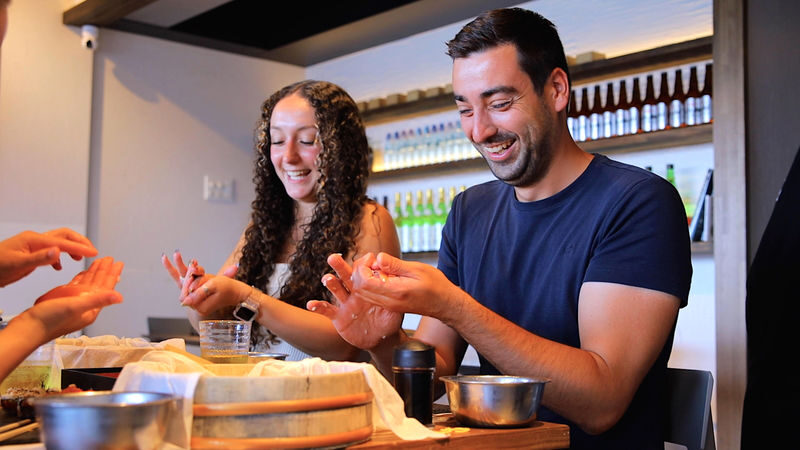
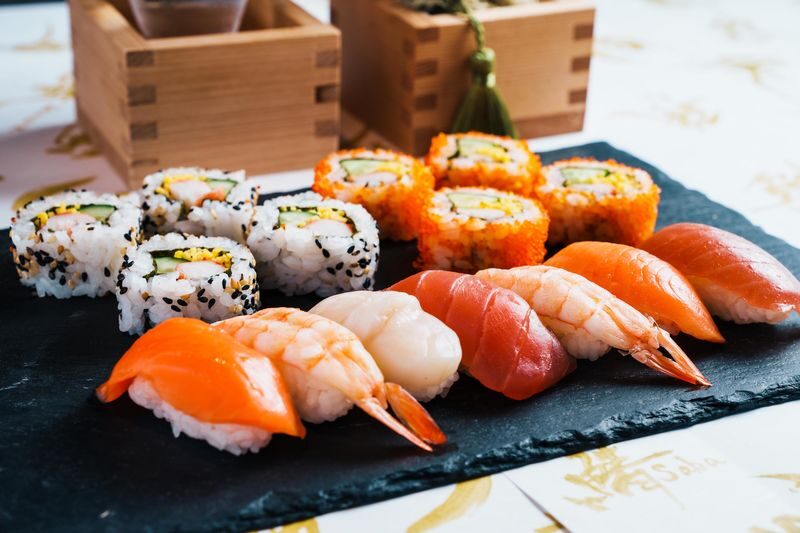
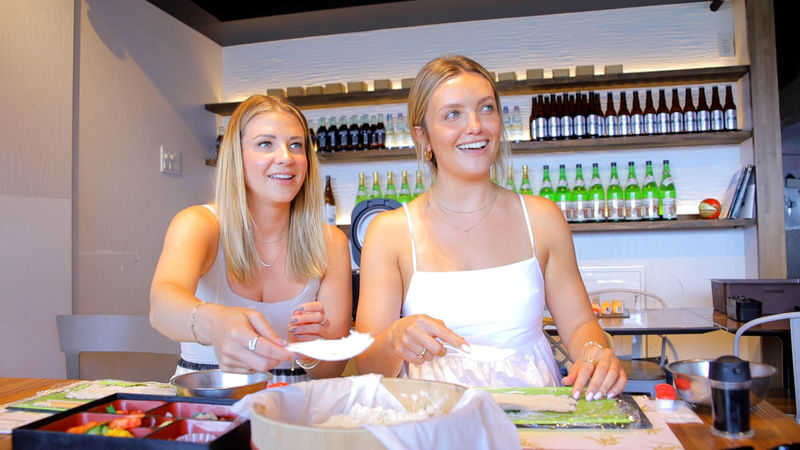
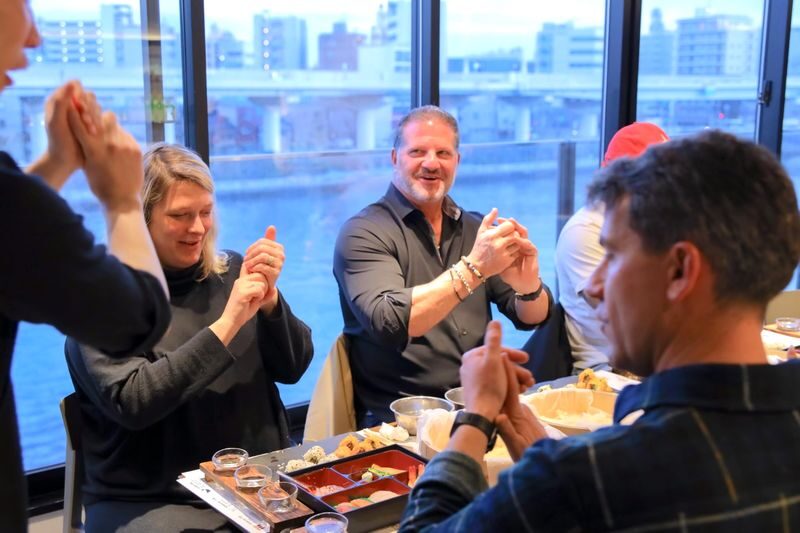
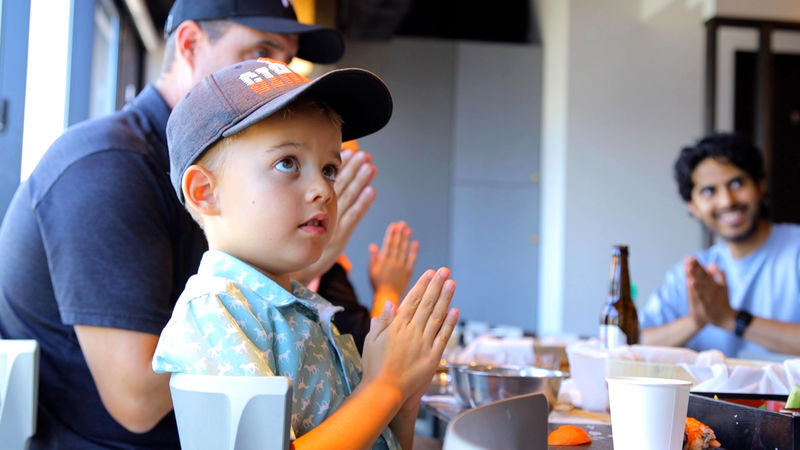
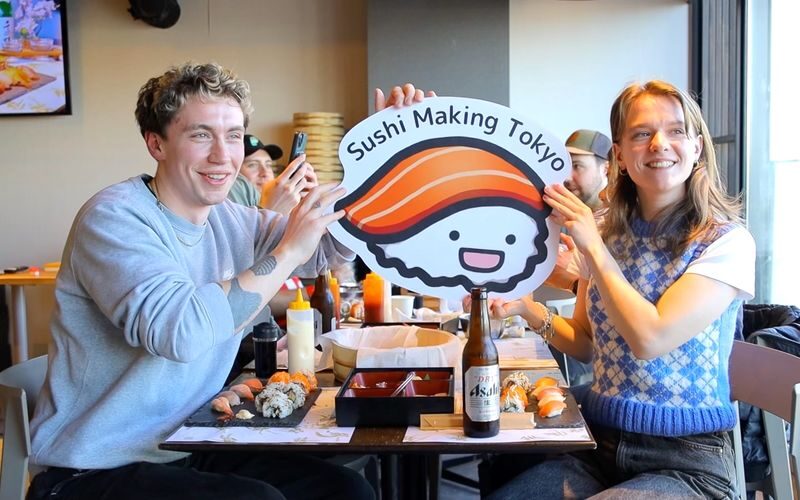
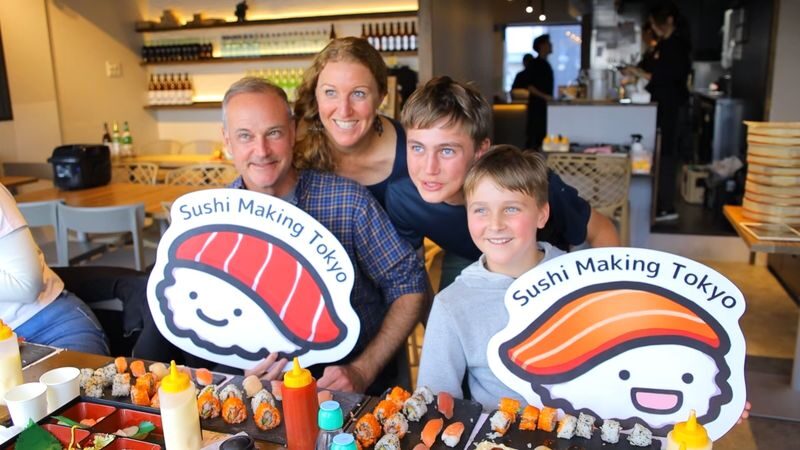
- You make, then eat, your own sushi: The class is hands-on, and the standard sample menu includes nine temari sushi pieces, miso-ball soup and pickled turnip and carrot.
- The lesson is designed for beginners: English-speaking local staff explain the steps clearly, and no prior sushi-making experience is needed.
- A sushi-history quiz adds context: Expect a lighthearted introduction to the food, not only a lesson in shaping it.
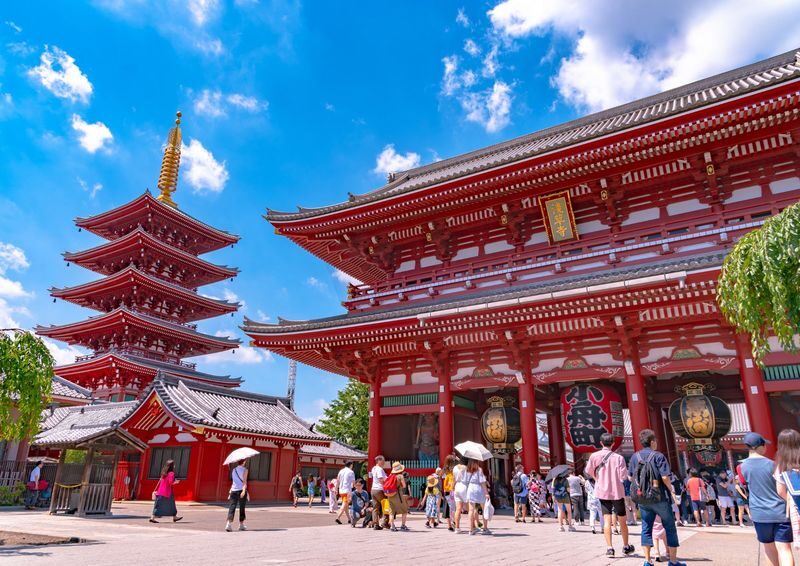
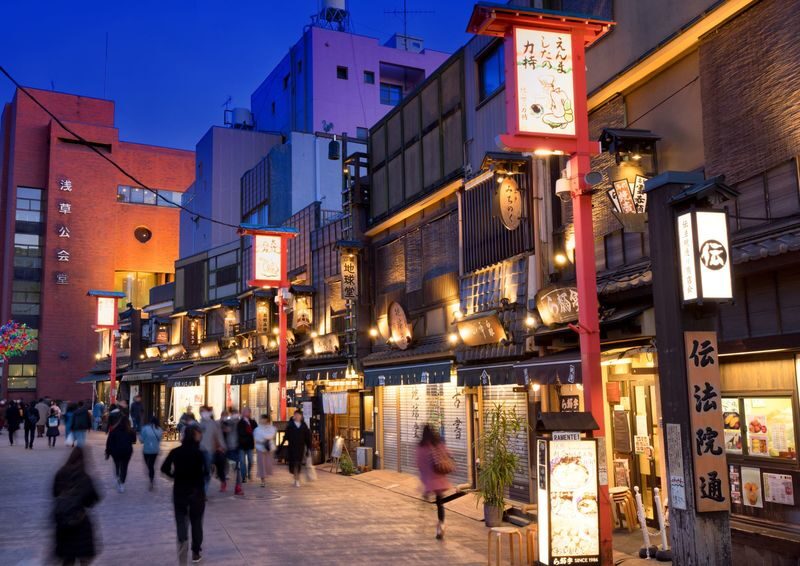
- You are in Asakusa: The class is at 2-17-9 Kaminarimon, close to Sensoji Temple and within the broader area around Tokyo Skytree.
- Menu choices include dietary options: Packages list vegan or vegetarian, halal, gluten-free and allergy-conscious menus. Check the exact menu against your needs before booking.
- Children from age four can join: They pay the same rate as adults, so consider whether the short, hands-on format suits your child.

👉 See our pick of the Our Picks For The 11 Best Workshops & Classes In Tokyo
A hands-on hour in Asakusa
This class makes sense as a compact activity between sightseeing stops. It is based at 2-17-9 Kaminarimon in Taito-ku, near Sensoji Temple, so you can pair it with time in Asakusa rather than setting aside half a day for a distant cooking school. The class is also described as close to Tokyo Skytree, another reason it fits neatly into a day in this part of the city.
The experience lasts about an hour. That is enough time to get involved, learn a few techniques and sit down to eat, but it is not a long culinary course. If you want a detailed lesson on rice preparation, fish selection or the fine points of sushi craft, this format may feel brief. If you want an approachable activity that breaks up walking and sightseeing, the compact length is an advantage.
You do not need to arrive with cooking skills. The instructors lead the process in English and explain the steps in a simple way. Past sessions have been led by instructors including Mayuko, Hikaru, Momo, Susie and Courtney, though your teacher will depend on the day. The recurring strength of the class is patient, lively guidance, which matters when you are handling unfamiliar ingredients or trying to shape sushi for the first time.
The class welcomes solo participants as well as groups. That makes it a good fit if you are travelling alone and want a shared activity, or if you are with family and would like to do something together rather than simply sit down for another meal. The format is social, but the exact group size is not specified, so do not assume a private lesson.
You can also read our reviews of more tours and experiences in Tokyo


A quiz before the rice and fish
The session includes an interactive, lighthearted quiz about sushi history. It gives you a small bit of cultural background before the practical work begins, and keeps the introduction from feeling like a lecture. You can expect a relaxed tone, with English-speaking staff helping you follow along.
That context is useful because sushi is more than a familiar dish on a restaurant menu. Here, the point is to connect the food you are making with Japanese food culture, while keeping the lesson approachable for first-timers. The class also includes some Japanese words, according to descriptions of the teaching, so you may leave with a few new terms along with the basic techniques.
Do not expect an in-depth history seminar. The quiz is a light touch, and the session is only an hour. It works best as a lively introduction, especially if you are curious about how sushi is made but do not need a long technical lesson.
Making temari, rolls and other sushi
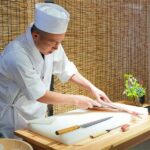
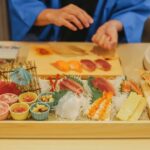
The experience is presented as a chance to make a roll and authentic Japanese sushi. The standard sample menu specifies nine temari sushi pieces, with ingredients such as tuna, salmon and scallop, alongside miso-ball soup and asazuke, or pickled turnip and carrot. Past classes have also included instruction in maki rolls and nigiri.
Those descriptions point to a practical detail worth checking: the exact items you make may depend on the package you choose or the session. If you have your heart set on a particular style, such as maki or temari, confirm what is included before booking. The supplied standard menu is specific about temari sushi, but does not spell out every step or item for every package.
The cooking is hands-on, with the instructor guiding you through the process. You are not expected to know how to handle sushi rice or shape the pieces in advance. That is part of the appeal: you learn by doing, and small mistakes are part of the fun rather than a reason to worry about getting everything perfect.
The class is not framed as a professional skills course. You are there to try the techniques, enjoy the activity and make a meal. If you want to master sushi for your own kitchen, this hour can give you a starting point, but it should not replace a longer class.
Eating what you have made
The meal at the end is a key part of the value. You do not just watch a demonstration; you make the sushi and eat your own work. The standard menu lists nine temari pieces, miso-ball soup and pickled vegetables, a filling spread for a short activity.
The fish and other ingredients are described as fresh, and the food is a major part of why the session works as more than a novelty. You get a better sense of the process when you taste the result straight after making it. For many people, that makes the lesson stick more than a demonstration alone.
Portions are generous enough to count as a proper small meal for many people, but appetites vary. If you are very hungry, or plan to make this your main meal of the day, it may be wise to have a backup plan nearby. The class includes ingredients, but Japanese sake is not part of the standard inclusions. Some packages add a sake set.
Dietary menus and what to confirm
The package choices cover more than the standard menu. Options include vegan or vegetarian, halal, gluten-free and allergy-conscious menus, with some packages also adding sake. That range is helpful if you are planning for a group with different dietary needs.
Still, a menu label is not a substitute for checking ingredients. The stated ingredient list for the allergy menu includes tuna, salmon, scallops, shrimp, flying fish roe, cucumber, egg, ginger and sesame. It lists crab, meat, nuts, fruit and dairy products as not used. If you have an allergy or a strict dietary requirement, contact the operator to confirm that the selected package is suitable for you.
The vegan or vegetarian and halal packages are listed separately, as are allergy and standard/gluten-free options. Choose the package that fits your needs rather than assuming the standard menu can be adjusted on the spot. If you are adding sake, remember that it is a separate package choice, not included with every class.



Is the price worth it?
The starting price is $56.85. That is not bargain lunch money, especially if you are comparing it with the cost of eating sushi at a restaurant. But the price covers an English-led class, ingredients, instruction, a cultural element and the meal you make. You are paying for an activity as well as food.
I see the best value for first-timers, families and anyone who wants a shared experience rather than another meal out. The ingredients and finished sushi give the hour a tangible payoff, while the instructor-led format takes away the guesswork. The high rating and strong overall feedback fit the practical strengths of the class: clear directions, friendly staff, a clean and orderly setting, and a meal people enjoy.
There is a fair counterpoint. One hour is short, and you may wish there were time to make more rolls or spend longer on technique. If your main goal is to eat the best-value sushi in Tokyo, book a restaurant instead. If you want to try making it, learn a little along the way and have a lively activity near Sensoji, the price is easier to justify.
Who will enjoy this class most
Families can make good use of the activity, and children aged four and older are eligible. Instructors are described as patient and supportive, and the class offers a welcome indoor break from walking around Asakusa. Children are charged the adult rate, however, and a young child may need extra attention to keep up with the group’s pace.
Couples, friends and solo visitors also have a clear reason to book. The activity gives you something to do together, and the shared table setting makes it natural to meet other people. If you are travelling alone, you can still join; the class does not require a group booking.
It is less suited to someone seeking a quiet, private lesson or a long, advanced cooking course. The energy is described as friendly and interactive, and the hour moves through a planned activity. If you prefer to learn at your own pace, or want a deep technical focus, look for a longer class.
For groups that need a particular time, the operator says you can discuss the schedule before booking. It is worth asking in advance rather than assuming a time can be changed after purchase. The voucher is for the selected date and time, and you can present it on your phone at the venue.
Should you book the Asakusa sushi class?
Book it if you want a beginner-friendly activity that combines a little sushi history with hands-on making and a meal. The location near Sensoji Temple helps you fit it into an Asakusa day, and the English-speaking instructors make it accessible even if this is your first cooking class in Japan.
Skip it if you mainly want a cheap meal, a long technical course or a guaranteed deep focus on one sushi style. Check the package menu carefully, especially for dietary needs, and confirm the schedule if you are organizing a group. For the right visitor, this is a cheerful, practical way to turn lunch into a Tokyo memory.
Sushi Making Tokyo Roll and Authentic Japanese Sushi Class
“very fun experiance! hosts great and fish great. experience: location: instructor: equipment:”
FAQ
How long is the sushi-making class?
The class lasts about one hour.
Where is the class held?
It is at Sushi Making Tokyo, 2-17-9 Kaminarimon, Taito-ku, Tokyo, near Sensoji Temple in Asakusa.
What is the starting price?
Prices start from $56.85. The final price depends on the package you select.
What food is included in the standard menu?
The sample standard menu lists nine temari sushi pieces with ingredients such as tuna, salmon and scallop, plus miso-ball soup and pickled turnip and carrot.
Is the class suitable for beginners?
Yes. No previous sushi-making experience is needed, and English-speaking staff guide you through the activity.
Are children allowed?
Participants must be at least four years old. Children aged four and older pay the same rate as adults.
Are dietary menus available?
Yes. Packages include vegan or vegetarian, halal, gluten-free and allergy-conscious options. Check the listed ingredients and confirm any dietary requirements with the operator.
Is sake included?
No. Japanese sake is not included in the standard class. Some package options add a sake set.
What is the cancellation policy?
A full refund is available if you cancel at least 24 hours before the activity date, using destination local time. If the operator cancels because of an unforeseen event or extreme weather, you can reschedule or request a full refund.