Senso-ji gives you Tokyo’s old-town drama in a compact walk: a giant red lantern, a packed lane of snack stalls and a temple precinct that offers a quieter pause just beyond the gates. This private tour links that classic Asakusa route with Ameyoko, so you get both a major cultural sight and a food-and-shopping stop in one outing.
I like two things about this plan: a guide can make the temple’s gates and rituals easier to understand, and the private format allows room for your interests. Guide Miyuki has adapted outings for families, food stops and special requests, including kimono arrangements and a cookware purchase. One consideration: the tour is only about four hours, so the exact pace and which stops fit may depend on weather, crowds and your preferences.
- At a Glance
- From Kaminarimon to Senso-ji’s Main Hall
- Why a Guide Helps in Asakusa
- Ameyoko: Food Stalls, Seafood and Bargain Hunting
- Timing, Trains and What the Four Hours Mean
- Is .99 Good Value?
- Who Should Book This Tour?
- Should You Book It?
- FAQ
- How long is the Tokyo Senso-ji Temple Half-Day Private Tour?
- What places does the tour include?
- Is transportation included?
- Where does the guide meet the group?
- How many people can join the private tour?
- What languages does the guide speak?
- Are food and drinks included?
- What is the child pricing rule?
- The Best Of Tokyo!
- More Private Tours in Tokyo
- More Tours in Tokyo
- More Tour Reviews in Tokyo
At a Glance
 1 / 6
 2 / 6
 3 / 6
 4 / 6
 5 / 6
 6 / 6
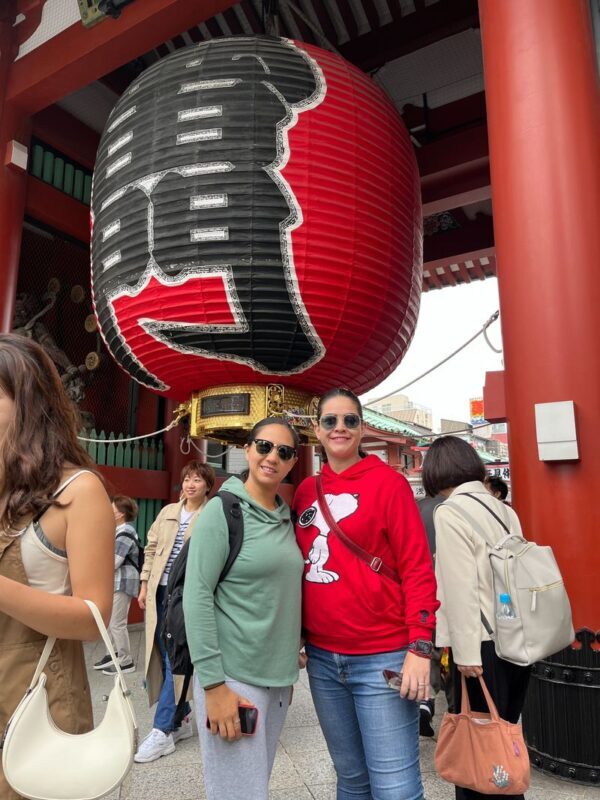
- Kaminarimon’s giant lantern marks the entrance to Asakusa’s best-known temple route.
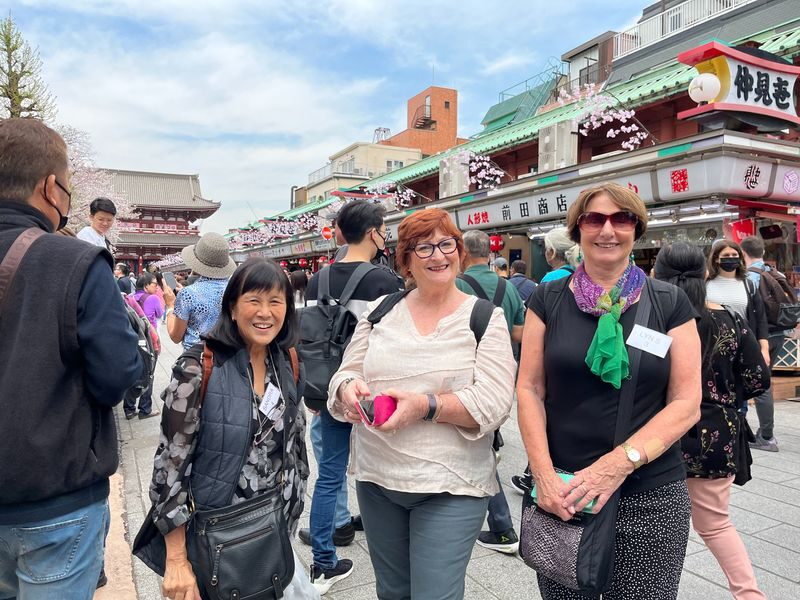
- Nakamise Shopping Street brings traditional snacks and crafts into the walk between the outer gate and temple grounds.
- Senso-ji’s main hall offers a change of pace after the busy shopping lane, with space for prayer and reflection.
- Ameyoko adds a food-market contrast, with street-food options such as yakitori and takoyaki, along with seafood and bargain hunting.
- A private group of one to seven can ask the guide to adapt the day to the group’s interests.
- Train fares during the tour are included, while meals, drinks and personal purchases are not.

👉 See our pick of the Our Picks For The 11 Best Workshops & Classes In Tokyo
From Kaminarimon to Senso-ji’s Main Hall
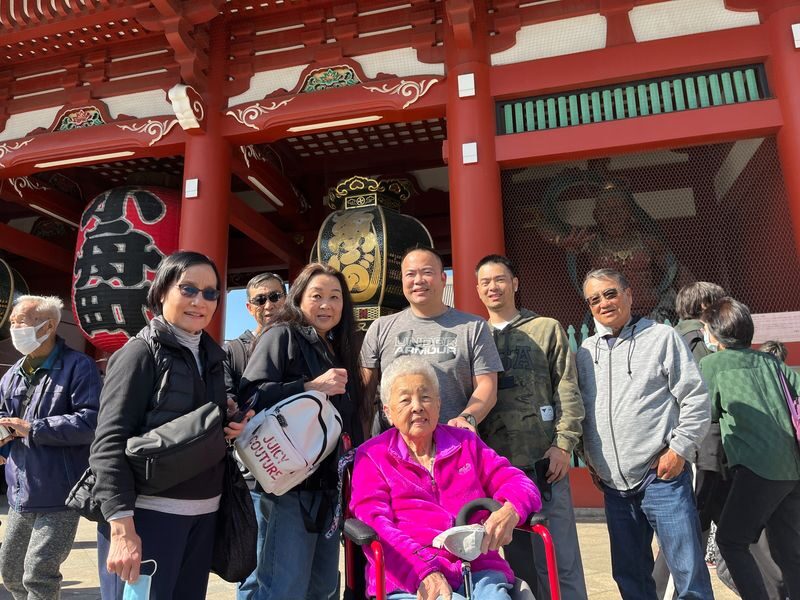
The route begins at Kaminarimon, or Thunder Gate, whose oversized red lantern is hard to miss. It is a memorable entrance, but also a busy meeting point and a popular place for photographs. Your guide can help you look beyond the lantern and make sense of the gate as the opening to a larger temple approach.
From there, you walk Nakamise Shopping Street. The narrow lane is lined with stalls selling traditional snacks and crafts, and it can feel crowded, especially when many people are moving in both directions. That is part of its appeal: this is not a quiet museum corridor, but a working shopping street where the temple visit begins amid the sounds and smells of everyday commerce.
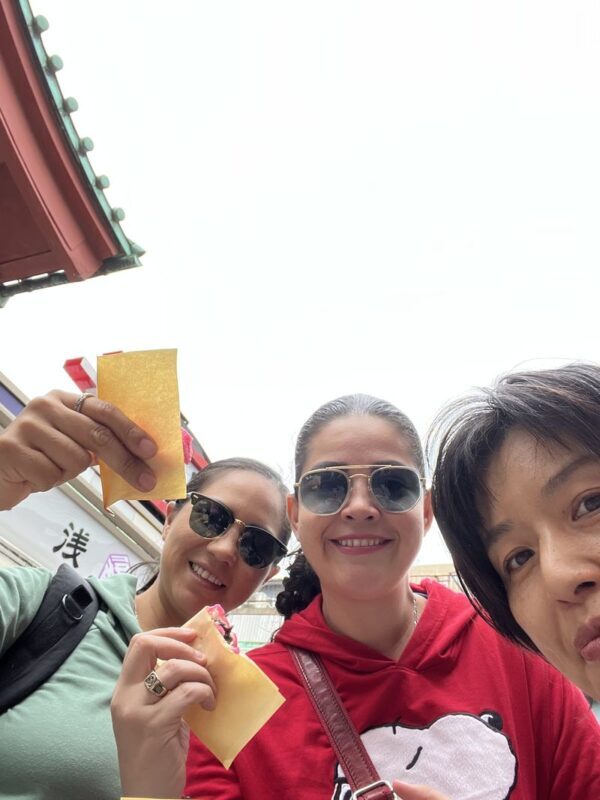
Give yourself time to look, but remember that browsing and eating can take more of the half-day than expected. If you want to buy souvenirs or try several snacks, tell your guide early so the pace can reflect that. The listed plan does not name specific shops or promise tastings, and food purchases are your own expense.
The next landmark is Hozomon Gate, which leads toward Senso-ji’s main hall. The temple grounds offer a calmer counterpoint to Nakamise, though the site remains a major attraction and can be busy. The main hall is a place for prayer and reflection, not simply a photo stop. A guide can explain what you are seeing and help you approach the visit with more context than a quick walk-through allows.
This is the cultural heart of the tour. Senso-ji is one of Tokyo’s most familiar sights, but a good visit is about more than checking off the famous gate. I value having time to notice how the commercial street, ceremonial entrances and sacred space fit together. The shift from shopping lane to temple hall gives the walk its shape.
You can also read our reviews of more private tours in Tokyo

Why a Guide Helps in Asakusa
The route itself is straightforward to recognize, but a guide adds useful context and takes care of the transitions. You do not need to work out every turn or keep an eye on train details while trying to read signs and watch the crowd. Public transportation during the tour is included, and the guide travels with your private group.
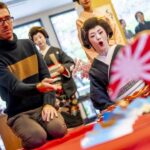
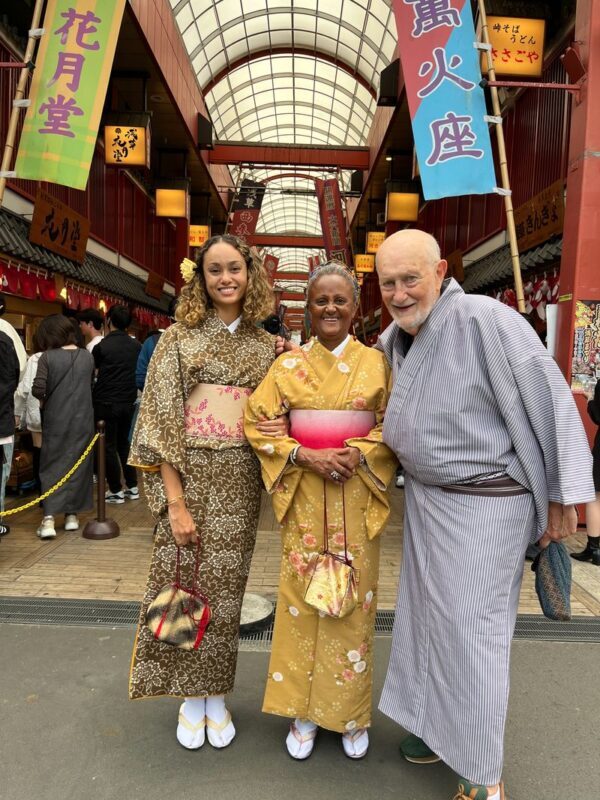
The strongest advantage is flexibility. Miyuki has been praised for adjusting outings around children, food interests and individual requests. Past arrangements have included finding a family-friendly lunch, helping with a kimono booking and taking a group to an owl cafe where they could feed and interact with the owls. Those are examples of how the guide may tailor a day, not guaranteed stops in this package.
If one of those options interests you, mention it before or at the start of the tour. The advertised route centers on Senso-ji, Asakusa and Ameyoko, so an extra activity may mean less time elsewhere or a change to the route. The guide can help you judge what fits, but do not assume every special request is included in the starting price.
The private format is especially helpful for families and small groups who do not all walk or eat at the same pace. The group limit is seven, and children aged six and older pay the adult rate. A family with a younger child has also had a guide adapt activities and food choices to suit a four-year-old, but the tour’s stated child-pricing rule begins at age six.
Ameyoko: Food Stalls, Seafood and Bargain Hunting
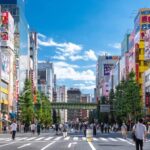
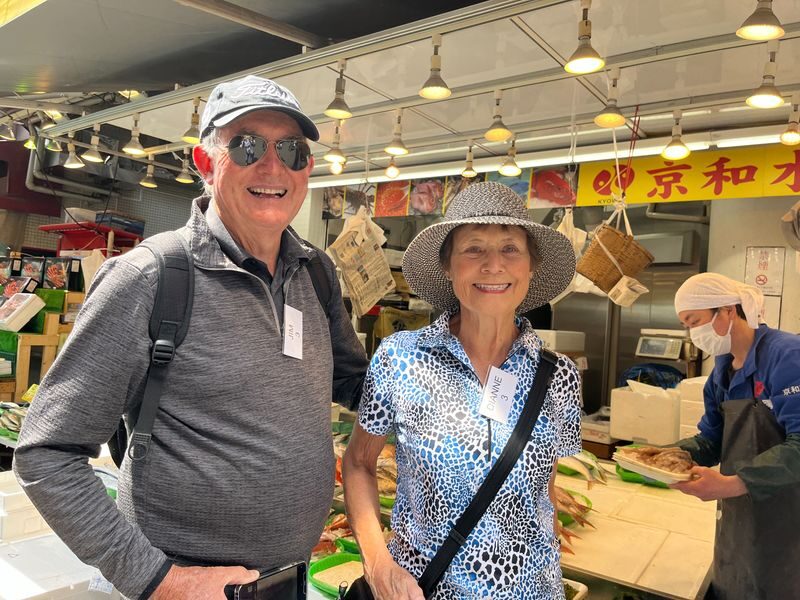
After Asakusa, the tour moves to Ameyoko Food Street for a very different kind of Tokyo outing. The temple’s measured approach gives way to a lively market setting, with fresh seafood, street food and shops where you can browse for bargains. It is a useful contrast: one stop asks you to slow down and look; the other invites you to follow your appetite and curiosity.
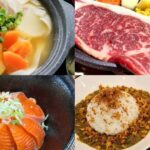
Yakitori skewers and takoyaki are among the foods named for the route. Yakitori is grilled chicken on a skewer, while takoyaki are savory octopus-filled balls. They make handy market snacks, but the tour does not include meals or drinks. Bring extra spending money if you want to eat, shop or sample something that catches your eye.
Ameyoko is a good place to leave some room for spontaneity. You might want to compare food stalls, look over seafood displays or simply observe the pace of the market. Your guide can point you toward options, and past outings with Miyuki have included a well-chosen lunch spot. Still, a particular restaurant or menu is not guaranteed, so tell the guide about dietary preferences before setting off.
Do not expect a long food crawl unless you arrange one. The tour combines two areas within a limited window, and the scheduled stops may change because of weather or capacity. If food is your priority, ask the guide to favor Ameyoko browsing and eating over extra detours. If the temple matters most, make that clear too.
Timing, Trains and What the Four Hours Mean
The experience is described as a four-hour guided tour, but the listed schedule gives several time markers: departure at 09:30, a guided-tour start at 10:00, and a return at 15:00. Those details do not add up neatly to four hours, so confirm the precise pickup and finish time when the operator contacts you. The schedule may also shift with traffic and weather.
The guide meets you at your hotel or accommodation, and the tour uses trains for transportation. Public transport during the tour is included. The operator will reconfirm your pickup time in advance, and you should be ready five minutes before departure. The listed return is to your hotel or personal address, with the option to stay at the destination if you let the operator know.
Since train travel and walking connect the stops, wear comfortable shoes and keep your plans realistic. You are covering a temple district and a market area, not spending the whole outing in one building. Weather and crowd levels can affect the pace, and some attractions may be skipped if capacity or conditions make them impractical.
The experience is offered for private groups of one to seven. That makes it a good fit for a couple, a family or a small group of friends who want to ask questions and adjust the pace without coordinating with a larger party. It also means the tour is less suited to someone who only wants a fixed, low-cost group walk with no interest in customization.
Is $81.99 Good Value?
The stated starting price is US$81.99 for the Asakusa and Ameyoko private tour. The price basis is not specified in the supplied details, so check whether it applies per person or to the booking before you pay. That distinction matters for a private group, particularly if you are traveling with several people.
What you are paying for is not just a guided walk. The package includes an English- or Japanese-speaking guide, public transport during the outing, hotel or accommodation pickup and a return to your hotel or personal address. For a small group, that can be worthwhile if you value help with navigation, interpretation and shaping the day around your interests.
The price does not cover meals, drinks or personal purchases. That is reasonable for a route built around food stalls and shopping, where everyone may want different things, but it does mean the total cost will rise if you snack, eat lunch or buy souvenirs. Factor that in rather than treating the tour price as the full day’s spending budget.
The tour has a 5.0 rating from nine listed ratings, and the provider has 11 total reviews with a 100 percent good-review rate. Those figures are encouraging, though they are still a small sample. The consistent strength is the guide’s personal approach: communication, local context, family-friendly adjustments and help finding places that can be hard to locate alone.
You can also read our reviews of more tours and experiences in Tokyo


Who Should Book This Tour?
I would consider this tour if you want a clear introduction to Asakusa and prefer having a guide handle the route between temple, market and train. It suits first-time visitors who want some cultural context, families who need flexibility and food-minded visitors who would rather get suggestions than choose every stop from scratch.
It is also a sensible choice if you have a particular interest to share with the guide. Miyuki has adapted plans for children, lunch preferences, kimono arrangements and other requests. That track record makes the private format more compelling than a standard route, but it is smart to state your priorities in advance and keep expectations flexible.
Skip it if you want a full day at Senso-ji alone, a formal food tour with meals included, or a guaranteed visit to an owl cafe or another special stop. Those details are not fixed parts of the stated package. The itinerary may change, and the tour has only a few hours to cover both Asakusa and Ameyoko.
Should You Book It?
Book this tour if you want temple history, market food and personal guidance in one manageable outing. The best reason to choose it is the chance to tailor a small-group day, especially if you are traveling with children or have a particular food or shopping interest. Confirm the actual timing and price basis, then tell the guide what matters most. If you would rather explore independently and spend as long as you like at each stop, take the train on your own and keep the guide fee for another experience.
Tokyo Senso-ji Temple Half-Day Private Tour
“Miyuki was our tour guide and was the best guide I have ever had while traveling. It was such an amazing day spending the day with Mikuki in Tokyo….”
FAQ
How long is the Tokyo Senso-ji Temple Half-Day Private Tour?
The guided experience is listed as four hours. The schedule also lists a 09:30 departure, a 10:00 guided-tour start and a 15:00 return, so confirm the exact timing with the operator.
What places does the tour include?
The stated route covers Kaminarimon Gate, Nakamise Shopping Street, Hozomon Gate, Senso-ji’s main hall and Ameyoko Food Street.
Is transportation included?
Yes. Public transportation during the tour is included, and transport between locations is by train.
Where does the guide meet the group?
The guide meets you at your hotel or accommodation. The operator will reconfirm your pickup time in advance, and you should arrive at the meeting location five minutes early.
How many people can join the private tour?
The group size is one to seven participants.
What languages does the guide speak?
The included guide speaks English or Japanese.
Are food and drinks included?
No. Meals and beverages are not included, and personal expenses are also extra.
What is the child pricing rule?
Children aged six and older are charged the same rate as adults.