A Tokyo cooking class can make a welcome change from eating your way through the city: you learn to prepare the familiar Japanese dishes you might otherwise only order. Here, you cook several dishes with a certified instructor, then sit down to eat them together.
I like the focus on everyday food, from gyoza and miso soup to okonomiyaki and rolled eggs, and the chance to ask about ingredients and Japanese food customs as you cook. I also like that the instructors, including Chieko and Kana, are English-speaking, and that the recipes are intended to work in a home kitchen.
One thing to plan for: the studio is described as being in or around Shinjuku, but the exact meeting address is sent after booking, and finding it can take a little care. The time is also described as both two hours and about two and a half, so leave room in your schedule.
- Cook three to five familiar dishes: Menu sets can include gyoza, takoyaki, miso soup, yakisoba, and rolled eggs.
- Learn as you work: Instructors explain ingredients, preparation, and the food culture behind the dishes.
- Choose from several menu styles: Options include Teishoku and Kyaraben, with sample menus covering home-style favorites.
- Share the meal you make: Lunch or dinner is included, and participants describe the portions as generous.
- Allow about two and a half hours: The class involves cooking and eating, though the booking summary also lists a two-hour duration.
- Confirm the studio location: It is in or around Shinjuku, with the precise address supplied after booking.
- Japanese home cooking, not restaurant theatrics
- Choosing between the menu styles
- From the first lesson to the shared meal
- A small-group feel, with some variation
- Finding the kitchen near Shinjuku
- What the price includes
- Is this the right Tokyo cooking class for you?
- FAQ
- How long does the cooking class take?
- Where does the class meet?
- What dishes can I make?
- Is the menu guaranteed?
- Is food included in the price?
- Can the class accommodate dietary needs?
- What is the cancellation policy?
- The Best Of Tokyo!
- More Cooking Classes in Tokyo
- More Tours in Tokyo
- More Tour Reviews in Tokyo
Japanese home cooking, not restaurant theatrics
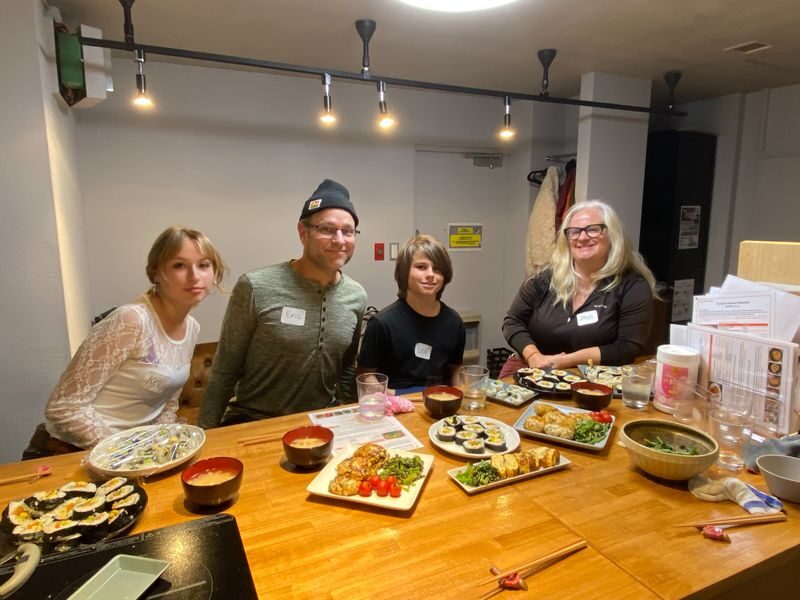
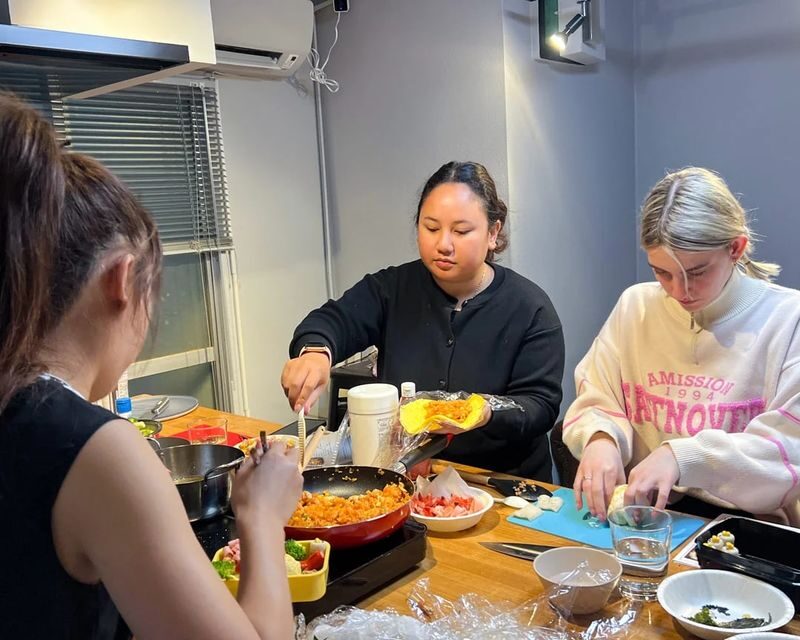
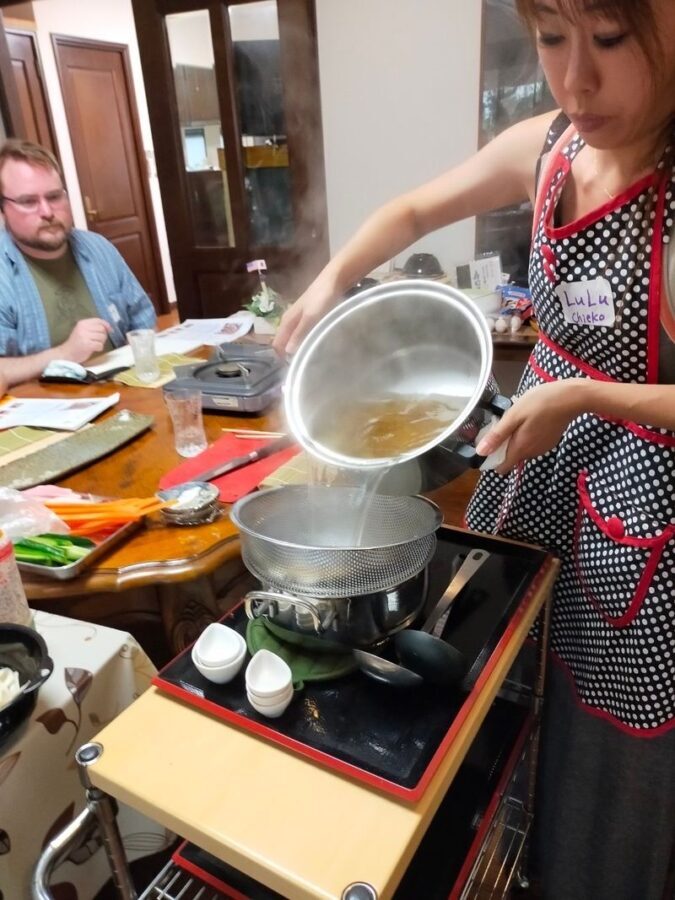
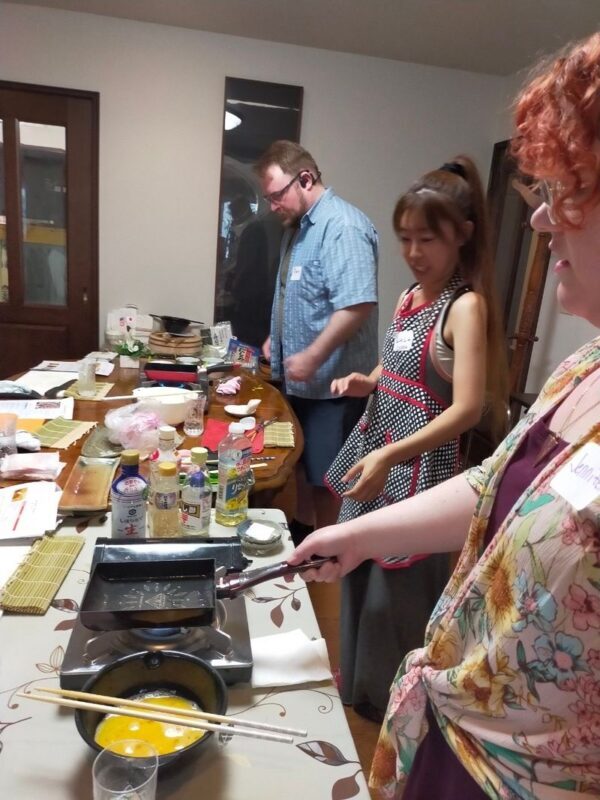
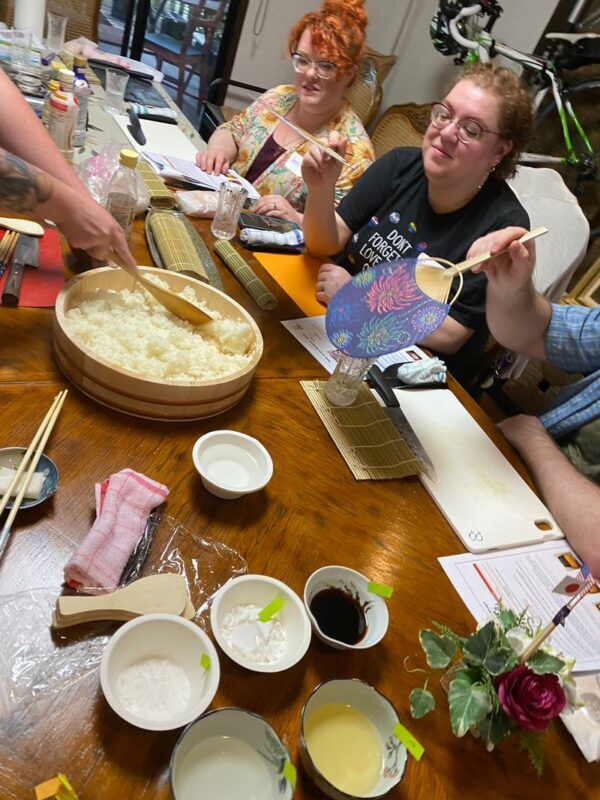
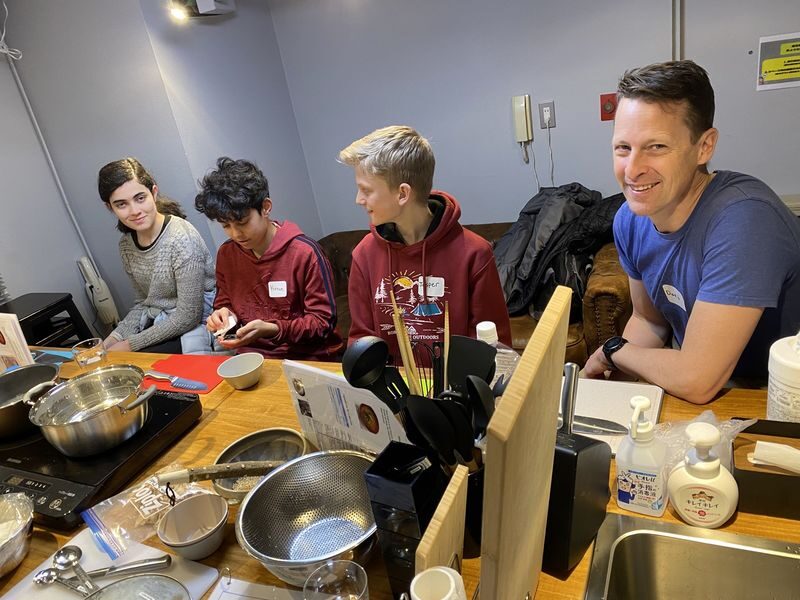
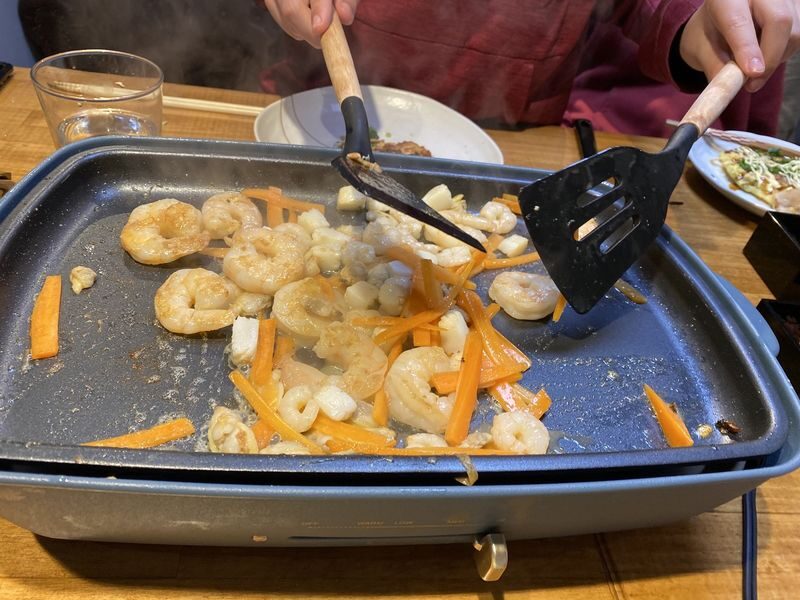
The heart of this class is practical cooking. Rather than focusing only on a polished restaurant dish, you work on foods that many Japanese people eat at home, such as miso soup, gyoza, okonomiyaki, and rolled eggs. That makes the experience useful beyond the afternoon itself: you leave with recipes and a clearer sense of how familiar dishes come together.
You’ll cook several dishes, usually three or four according to the activity highlights, though some sample menus and past class combinations include more. A class might pair gyoza with takoyaki, pickles, and miso soup, or combine okonomiyaki with yakisoba, rolled eggs, salad, and miso soup. The menu can change with the season and ingredient availability, so treat the examples as a guide rather than a fixed promise.
This is a good fit if you want more than a meal but don’t need a full culinary course. The focus is on participation and understanding: handling ingredients, following demonstrations, and learning how the dishes fit into everyday food culture. If you’re looking for a specialist sushi lesson or advanced chef training, this class’s broad home-cooking approach may be less targeted.
👉 See our pick of the Our Picks For The 11 Best Workshops & Classes In Tokyo
Choosing between the menu styles
Several menu options are available, and the right one depends on what you want to make. The sample menus cover a useful range of Japanese home-style food:
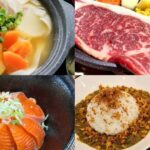
- Okonomiyaki set: Japanese savory pancake, yakisoba, rolled eggs, salad, and miso soup.
- Gyoza and takoyaki set: Dumplings and savory batter balls, with pickles and miso soup.
- Rolled sushi set: Rolled sushi, teriyaki, spinach salad, and miso soup.
- Gozen set: Rolled beef, salmon, rolled egg, onigiri, and miso soup.
- Kyaraben or Teishoku packages: These are the named booking options, with Kyaraben listed from US$86.95 and Teishoku from US$90.89.
There is also an option to discuss a menu on request. But menu choice is not guaranteed: if another group books ahead, you may not be able to select your first choice. If a particular dish matters to you, ask about it before booking and confirm what is available for your date.
The menu can also shift with the season and ingredient supply. That flexibility makes sense for a class built around cooking with available ingredients, but it means you should book for the overall experience rather than one specific recipe alone.
You can also read our reviews of more cooking classes in Tokyo



From the first lesson to the shared meal
The class begins at a kitchen studio in or around Shinjuku. After meeting the instructor, you’ll get started on the chosen menu. English-speaking staff and a certified professional instructor are included, so you can follow explanations and ask questions as you go.
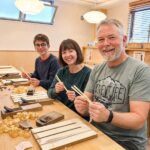
The hands-on part is the main event. You’re not just watching someone cook: the point is to prepare the dishes together, with guidance on ingredients and methods. Instructors have included Chieko, Kayo, Kana, Miyuki, Yuriko, Aki, and Kanako, though the teacher for your date may differ. Participants have described clear instructions and patient demonstrations, which is helpful if you’re new to Japanese cooking.
Food culture is part of the lesson, too. You can ask why ingredients are used or how a dish fits into Japanese meals. That context gives the cooking more staying power than a recipe card alone. Several participants have found the recipes easy to follow at home, and some instructors have emailed recipes or extra information afterward. Treat that as a possibility, not a guaranteed inclusion.
Once the cooking is done, you sit down to eat the meal you have made. Lunch or dinner is included, and the portions can be substantial. Come hungry, especially if your menu includes several dishes. It’s a satisfying finish, though it also means this is not a quick demonstration you can squeeze between tight sightseeing plans.
The class is scheduled for 11:00 to 13:30 or 17:00 to 19:30, depending on the session selected. The detailed description puts the experience at about two and a half hours, while the summary gives a two-hour duration. I’d plan around the longer estimate and avoid booking a close follow-up activity.
A small-group feel, with some variation
The size and feel of the class may vary. Some participants have had a private session with just two people, while a larger party of ten was accommodated alongside another group. One class used a large commercial kitchen; another was described as a cozy studio suited to a small group. In other words, don’t assume you’ll have a private lesson or a particular type of kitchen.
That variation needn’t be a drawback. A small class can leave more room for personal questions, while a larger group can make the cooking feel sociable. If your party is large, or you have dietary needs, contact the provider in advance. A large group with vegetarian, gluten-free, and sugar-free requirements was accommodated with alternative recipes, and a vegetarian adjustment was also made for a two-person booking. Those examples are encouraging, but they don’t guarantee every request can be met.
Families may find the activity engaging, too. Children have joined in, and children aged two to four are listed as free. The class still involves cooking, so check with the provider if you want to confirm whether a particular child can take part in the way you have in mind.
Finding the kitchen near Shinjuku
The meeting point is given as Shinjuku Station, with the exact kitchen address provided after the booking is confirmed. One address supplied for the activity is in Yoyogi, at 2 Chome-5-1, Shibuya City. Because the general location and the detailed address are not identical descriptions, read the confirmation carefully and use the map rather than relying only on a search result.
Finding the studio has been confusing for some people, while others describe it as an easy walk from the train station. One instructor helped by appearing with a sign, and clear email directions have also made a difference. I’d save the exact address, check the map before leaving, and allow a few extra minutes. You’re asked to arrive five minutes before the start; late arrivals and no-shows are not refundable.
The booking offers sessions at 11:00 and 17:00, with return times listed as 13:30 and 19:30. The schedule may change because of traffic or weather, though this is a cooking class rather than a sightseeing route. In practice, the main reason to leave a buffer is the class’s approximate duration and the effort of finding the studio.
What the price includes
The Kyaraben Character Bento package starts at US$86.95, and the Teishoku package starts at US$90.89. The price includes an English-speaking staff member, a certified professional instructor, and the meal you cook. Other personal expenses are not included.
That’s a fair value if you want both a guided activity and a meal, especially since you’re learning several dishes rather than paying only for a short demonstration. The class also gives you a practical souvenir: recipes and techniques you can try again at home. The exact value depends on how much you enjoy cooking and whether you’ll make use of what you learn. If you only want to eat Japanese food, a restaurant meal will be simpler and likely quicker.
The experience has a 4.9 out of 5 rating based on 25 reviews, with a 100 percent good review rate shown for the provider. The most consistent strengths are the instructors’ friendly, clear teaching, the hands-on format, cultural explanations, and the meal at the end. Those are the parts that make this more than a cooking demonstration.
You can also read our reviews of more tours and experiences in Tokyo


Is this the right Tokyo cooking class for you?
Book this class if you enjoy cooking, want a friendly introduction to everyday Japanese dishes, and can spare about two and a half hours. It should suit curious home cooks, couples, families with older children, and visitors who want a shared activity that ends with lunch or dinner. It’s especially appealing if you like learning the reasons behind a dish, not just copying the steps.
Think twice if you have a tightly packed schedule, need a guaranteed menu, or expect a polished restaurant kitchen and a private instructor. The venue and group size can vary, the sample menu may change, and the exact location needs checking. Before you pay, confirm which package and menu you’re booking, share any dietary needs, and save the precise meeting address. Cancellation allows a full refund if you cancel at least 48 hours before the activity date, in local time.
Authentic Homestyle Japanese Cooking Class in Tokyo
“Fabulous host!!! So much fun and tasty food in the end 😎”
FAQ
How long does the cooking class take?
The activity is described as about two and a half hours, with sessions listed from 11:00 to 13:30 and 17:00 to 19:30. The summary also says two hours, so allow about two and a half hours.
Where does the class meet?
The kitchen studio is in or around Shinjuku, and the meeting point is listed as Shinjuku Station. The exact address is sent after booking. One address provided is in Yoyogi, so check your confirmation and map carefully.
What dishes can I make?
Sample menus include okonomiyaki, yakisoba, rolled eggs, gyoza, takoyaki, rolled sushi, teriyaki, spinach salad, onigiri, and miso soup. The menu may change with the season and ingredient availability.
Is the menu guaranteed?
No. You can select a menu from the available options, but an earlier booking by another group may affect your choice. The provider also notes that menus can change with ingredient availability.
Is food included in the price?
Yes. Lunch or dinner is included, and you eat the food prepared during the class. Other personal expenses are not included.
Can the class accommodate dietary needs?
Dietary adjustments have been made for vegetarian, gluten-free, and sugar-free participants, but specific accommodations are not guaranteed. Contact the provider in advance to discuss your needs.
What is the cancellation policy?
You can receive a full refund if you cancel at least 48 hours before the activity date, using the destination’s local time.