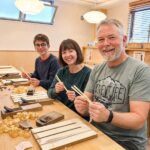
Making Japanese sweets by hand is the point here, but the lesson reaches beyond recipes: nerikiri, daifuku mochi, and dango all show how modest ingredients can become treats tied to seasons, festivals, and tea. I like that you get practical instruction and cultural context, then taste what you have made with matcha.
I also like the choice of sweets and the dietary flexibility: the listed ingredients are plant-based and gluten-free, and vegan and gluten-intolerant diets can be accommodated. One caveat: the class lasts 2.5 hours and starts at $104.85, so it makes most sense if you want a hands-on cultural activity, not simply a quick tea tasting.
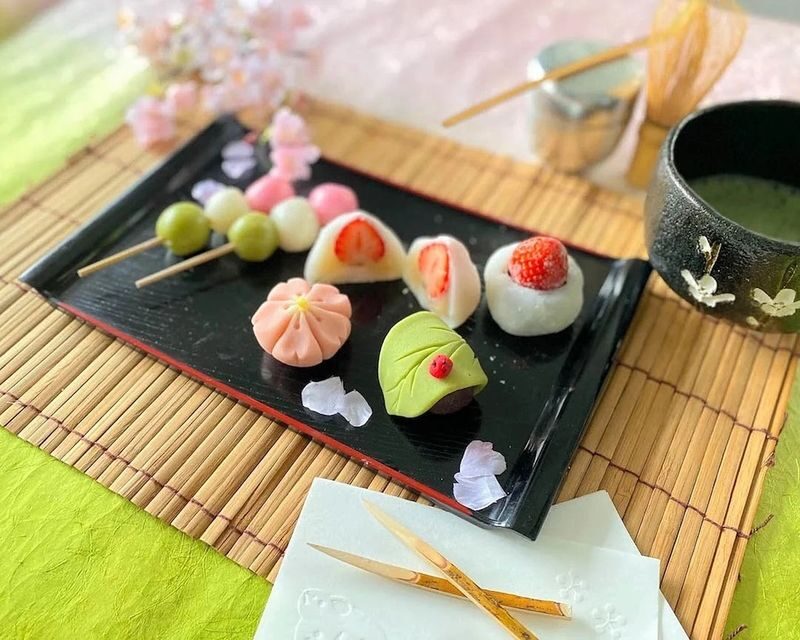
- Three sweets, with a choice: The menu includes nerikiri wagashi, daifuku mochi, and dango. The class description says you make two wagashi of your choice, so do not assume you will prepare all three.
- Matcha is part of the experience: You finish by tasting your sweets with a complimentary bowl of matcha.
- Culture comes with the cooking: Learn about mochi’s role in Japanese festivals and the seasonal character of Japanese confectionery.
- A small, practical setting: The class takes place in a private studio in Meguro, a short walk from JR Yamanote and metro exits.
- Worth it for participation, not just a snack: The price includes ingredients, tools, English recipes, and instruction, but may feel high if you only want to sample sweets.
- Turning Beans, Rice, and Sugar into Wagashi
- What the 2.5 Hours Are For
- The Three Sweets: What Makes Them Different
- Matcha, Sweets, and the Tea Table
- Dietary Needs and Ingredients
- Is 4.85 Good Value?
- Finding the Studio in Meguro
- Who Will Enjoy This Class Most?
- Should You Book the Tokyo Sweets Class?
- FAQ
- How long is the class?
- Which sweets are included?
- Is matcha included?
- Are the sweets suitable for vegan or gluten-free diets?
- Where does the class meet?
- How far is the studio from public transport?
- Can children attend?
- Is the studio wheelchair- and stroller-accessible?
- The Best Of Tokyo!
- More Tours in Tokyo
- More Tour Reviews in Tokyo
Turning Beans, Rice, and Sugar into Wagashi
 1 / 9
 2 / 9
 3 / 9
 4 / 9
 5 / 9
 6 / 9
 7 / 9
 8 / 9
 9 / 9
Wagashi are Japanese sweets often made from rice and plant-based ingredients. Their flavors are typically subtle, which is one reason they pair so naturally with green tea. This class lets you see how those ingredients are handled rather than simply ordering a sweet from a shop counter.
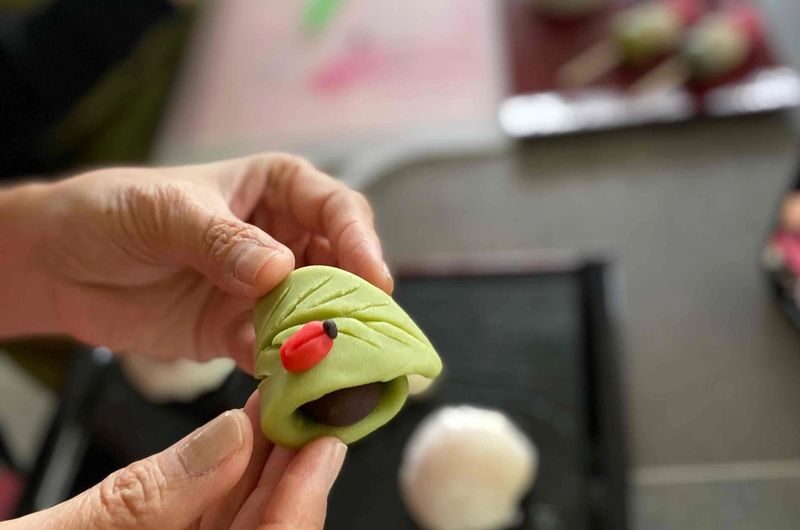
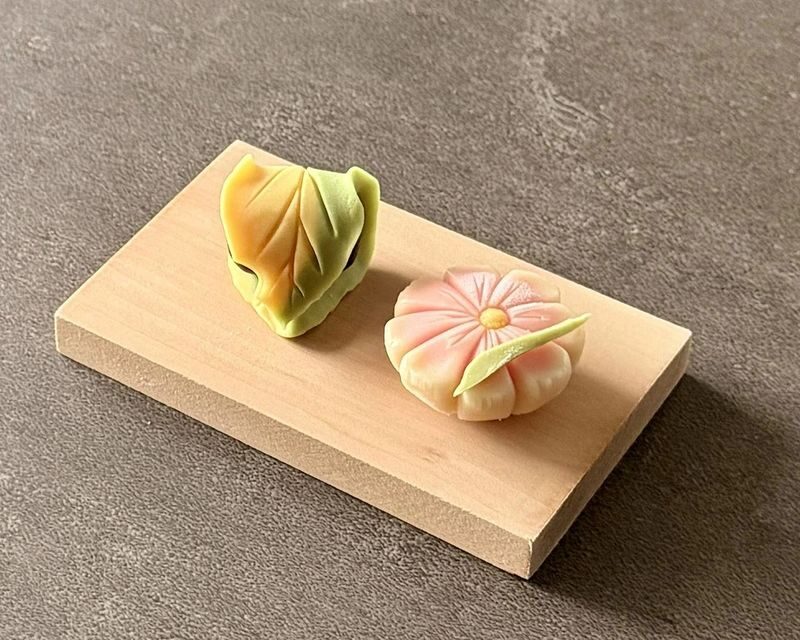
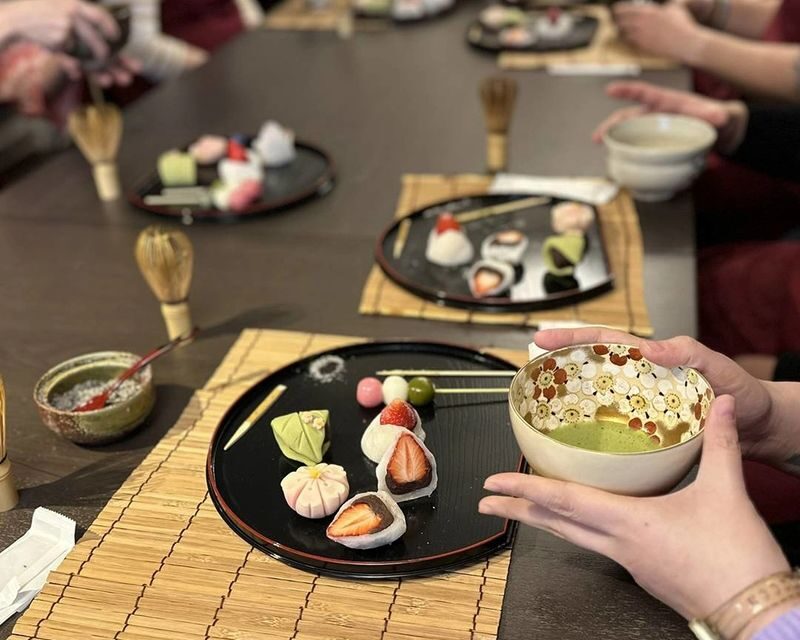
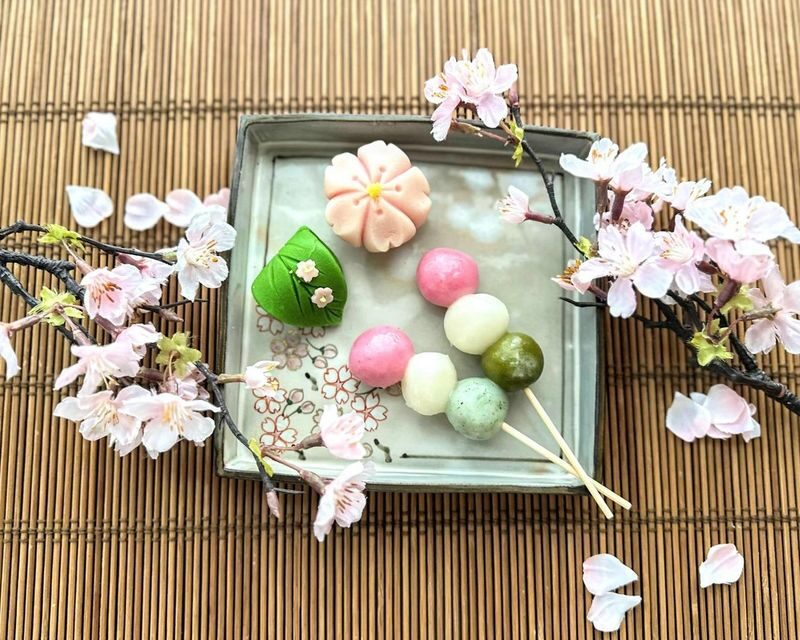
The menu names three familiar types: nerikiri wagashi, daifuku mochi, and dango. Nerikiri is a traditional sweet, daifuku is mochi filled with a sweet center, and dango is a chewy rice dumpling. The class description says you will make two wagashi of your choice, while its listed menu names all three. Treat that as a choice among the featured sweets, not a promise that you will make every type.
That distinction matters if you are booking for a particular recipe. The available information does not say which two you will make or whether every class offers the same selection. If your heart is set on one sweet, check what is available before booking.
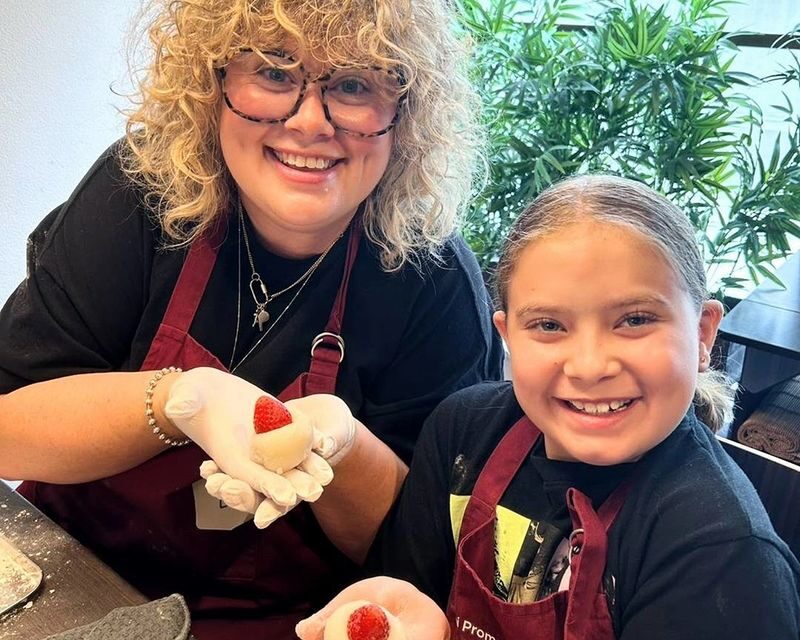
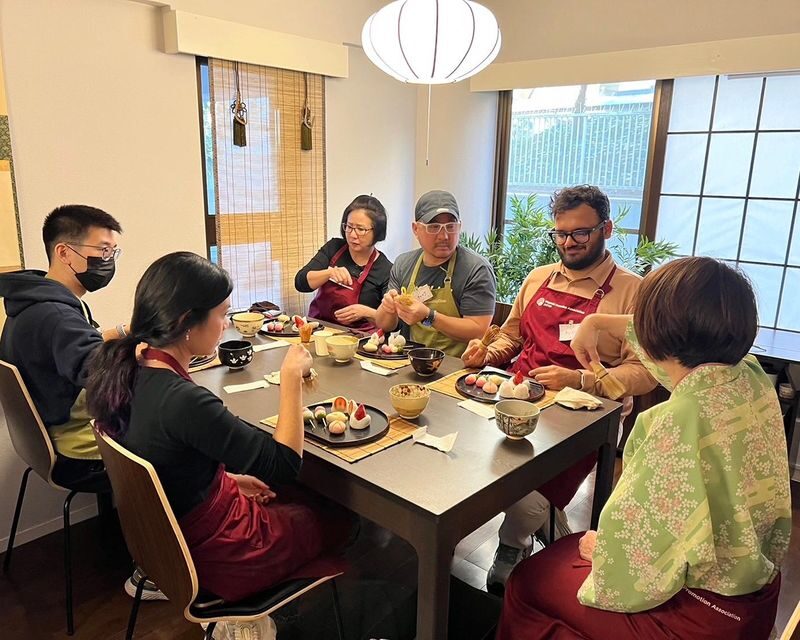
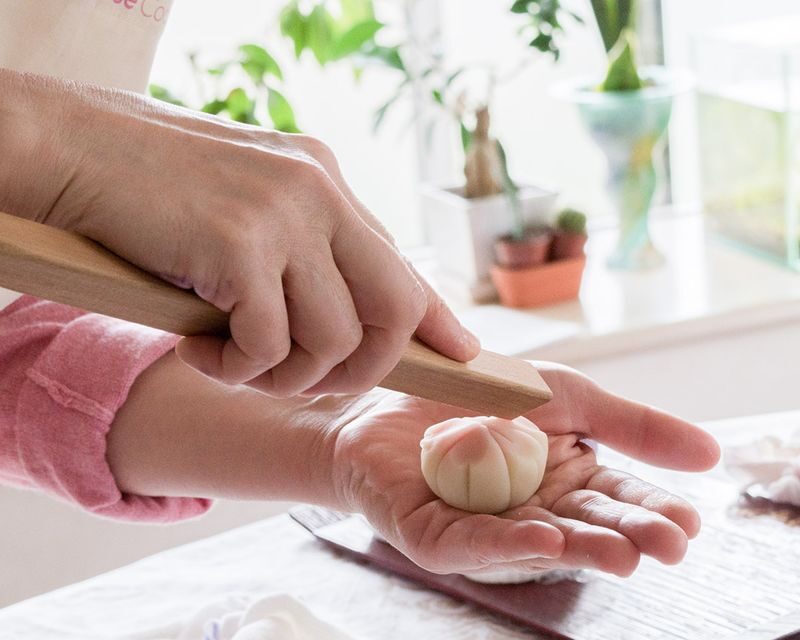
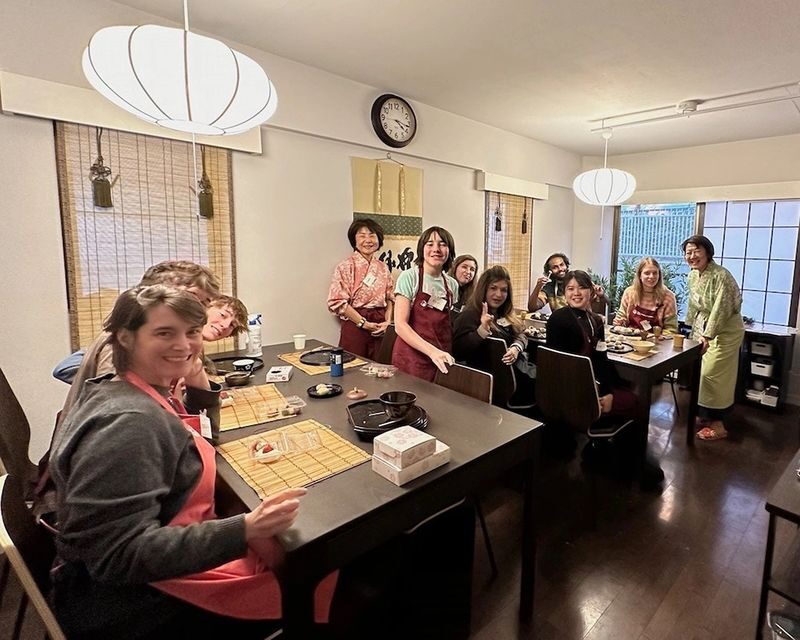
The useful part is the hands-on approach. You are not just watching a demonstration and leaving with a recipe card. The class is designed to teach the process of making the sweets by hand, with ingredients, cooking utensils, and tools supplied. You also receive written recipes and instructions in English, so you can follow the method during class and keep the directions afterward.

👉 See our pick of the Our Picks For The 11 Best Workshops & Classes In Tokyo
What the 2.5 Hours Are For
Expect a focused cooking session followed by tea and tasting. The class runs for 2.5 hours, long enough for instruction, preparation, and a chance to learn about the sweets as you work. It is not a full-day cooking course, but it does ask you to set aside a meaningful part of your Tokyo schedule.
The session begins with guidance from an English- or Japanese-speaking instructor. The class description emphasizes learning the detailed process from scratch, and participants have described the instructions as easy to follow. That is reassuring if you have never made wagashi before or do not speak Japanese.
As you prepare the sweets, the instructor shares background on their cultural role. One useful thread is mochi’s connection to Japanese festivals. Another is seasonality: the shape, flavor, or style of a sweet can reflect the time of year. That context gives the cooking a point beyond getting the recipe right. You begin to see wagashi as something made to be enjoyed in a particular setting, often alongside tea.
The closing part brings the sweets and tea together. You taste your finished work with a complimentary bowl of matcha, and the class includes instruction in whisking and drinking it properly. Keep your expectations measured: this is a cooking class with a tea experience, not necessarily a formal, highly ritualized tea ceremony. One participant felt the ceremony lacked the polish and formality they expected. If the tea ceremony itself is your main reason for booking, this distinction is important.
You can also read our reviews of more tours and experiences in Tokyo.



The Three Sweets: What Makes Them Different
Nerikiri is the option for anyone drawn to the crafted look of Japanese confectionery. Its appeal is not only sweetness. The class’s cultural discussion includes how the flavor profile and presentation can change with the season, helping you understand why these sweets are often associated with specific times of year.
Daifuku mochi offers a more direct way into mochi-making. The class highlights mochi’s place in Japanese festivals, so the lesson connects the texture and preparation of the sweet with its wider cultural use. If mochi is the item you most want to learn, check that daifuku is among the choices offered for your session.
Dango gives you another rice-based sweet to compare. The menu includes it as one of the traditional options, but the information provided does not spell out its preparation or say that every participant makes it. The practical takeaway is simple: the class features three sweets, but you should plan on making two rather than expecting a full sampler lesson.
Matcha, Sweets, and the Tea Table
The pairing is more than a pleasant finish. Wagashi are commonly enjoyed with green tea, and their restrained sweetness gives the tea a role in the tasting rather than leaving it as an afterthought. You get to try the relationship for yourself, with a complimentary bowl of matcha included.
The tea portion also gives you a chance to learn how to whisk matcha and how to drink it using the proper technique. A participant who enjoyed the experience especially valued this instruction, along with the conversations about the sweets’ history and seasonal character. That combination of making, tasting, and explanation is the class’s strongest case.
Still, the word ceremony can set a high bar. If you picture a formal tea gathering with a detailed sequence of rituals, this may not be the right match. The experience is presented as an authentic Japanese tea ceremony, but the available details do not describe a full formal ceremony. Think of the tea as an included cultural tasting and practical introduction, with the sweets lesson at its center.
Dietary Needs and Ingredients
The listed sweets are made from beans, sugar, and mochi powder, and the ingredients are described as gluten-free and vegan-friendly. The activity can accommodate gluten intolerance, vegetarian diets, and vegan diets. That makes it a useful option if you want a food-focused activity but need to avoid some common ingredients.
If you have a dietary concern, keep in mind that the information confirms the class can accommodate those needs, but does not give a full ingredient list for every recipe. You can ask about the specific sweets and ingredients when arranging your booking. Do not assume that every optional garnish or tea accompaniment has been itemized in advance.
Is $104.85 Good Value?
The listed starting price is $104.85 for the 2.5-hour traditional sweets-making class. That is a substantial spend for a food activity, particularly if you are comparing it with buying wagashi and tea at a shop. The value comes from instruction, ingredients, tools, English-language recipes, cultural context, and the chance to make the sweets yourself.
For a one-time Tokyo visit, a guided class can also remove the language barrier. One participant who initially thought the class seemed pricey felt the instruction and ease of taking part made it worthwhile. Another found the simplified preparation, taste, and tea portion did not justify the cost. Those reactions point to the key question: do you want to learn and participate, or are you mainly looking for a polished tea ceremony and a memorable dessert?
At this price, I would book it for the process and the cultural explanation, not for the quantity of food or the ceremony alone. If you are curious about Japanese sweets and enjoy cooking classes, the combination is easier to justify. If you want a formal tea event, compare it with an experience specifically centered on a temple tea ceremony.


Finding the Studio in Meguro
The meeting point is in Meguro, at 1-chome-3-16 Meguro. The class is held in a private studio, and the detailed location is provided on your voucher after booking. The stated walk is about three minutes from a JR Yamanote Line exit and five minutes from a metro exit.
Transport is not included, so plan your own route and allow time to arrive promptly. The instructions specifically ask participants to be on time. The voucher is valid only for the date and time booked, and you present it on your phone.
This is a smoke-free residence. It is not stroller- or wheelchair-accessible, and toddlers under four are not allowed because the house is not childproof. Children aged four to twelve must attend with a paying adult; children aged thirteen and older pay the adult rate. Infants and children must be included in the passenger headcount.
Who Will Enjoy This Class Most?
I would put this class high on the list for curious cooks, sweet-toothed visitors, and anyone who wants a small, hands-on cultural activity rather than another sightseeing stop. It is especially appealing if you want to learn how wagashi are made and hear why mochi matters beyond the dessert plate.
It can also work well for visitors who prefer guided instruction in English. The class includes English recipes and an English- or Japanese-speaking guide, so you do not need to rely on translating each step yourself. The structure gives you something practical to take home: the recipes and a better sense of how to pair Japanese sweets with tea.
Families should check the age rules carefully. Children under four cannot attend, and children aged four to twelve need a paying adult with them. Anyone using a wheelchair or traveling with a stroller should choose a different activity, since this studio is not accessible for either.
Should You Book the Tokyo Sweets Class?
Book it if you want to make Japanese sweets yourself, value clear instruction, and like the idea of pairing your work with matcha. The cultural context around seasonality and festivals adds substance to what could otherwise be a simple cooking lesson.
Skip it if you are primarily paying for a formal tea ceremony, expect to make all three listed sweets, or want a low-cost tasting. At $104.85, the strongest value is in the guided, hands-on experience. If that is what you came for, this class has a good case. If not, your money may go further in an experience built around tea ceremony alone.
Tokyo Tea Ceremony with a Side of Homemade Mochi (2.5 Hr)
“It was an informative and fun-packed class! The instructions were easy to follow, and we were all happy with the results. Initially, I thought it w…”
FAQ
How long is the class?
The class lasts 2.5 hours.
Which sweets are included?
The menu includes nerikiri wagashi, daifuku mochi, and dango. The class description says you make two wagashi of your choice, so it does not promise that you will prepare all three.
Is matcha included?
Yes. A complimentary bowl of matcha is included, and the class includes tea tasting with the sweets.
Are the sweets suitable for vegan or gluten-free diets?
The ingredients are described as gluten-free and vegan-friendly. The activity can accommodate gluten intolerance, vegetarian diets, and vegan diets.
Where does the class meet?
It meets at a private studio in Meguro. The address is 1-chome-3-16 Meguro, with the detailed location provided on your voucher after booking.
How far is the studio from public transport?
The studio is described as a three-minute walk from a JR Yamanote Line exit and a five-minute walk from a metro exit.
Can children attend?
Children under four are not allowed. Children aged four to twelve must be accompanied by a paying adult, and children aged thirteen or older are charged the adult rate. Infants and children must be included in the passenger headcount.
Is the studio wheelchair- and stroller-accessible?
No. The activity is not wheelchair- or stroller-accessible.