Mochi is more than a chewy sweet here: you learn how different kinds are shaped, served and tied to Japanese seasons, then get to put your hands to work. Strawberry daifuku and dango are among the treats, alongside savory isobemochi and a cup of green tea.
I like two things in particular: the class connects cooking to everyday food culture, and the instructor gives recipes and a video so you can try mochi again at home. The friendly, patient teaching is a recurring strength, with instructors including Hatsumi, Michiko and Ayumi named by past participants.
One consideration: you may not make every item from raw ingredients yourself. Some dough and sweets may be prepared by the host, and the class uses a microwave rather than a traditional steamer. The package is called a two-hour class, while the overview gives a two-and-a-half-hour duration, so check the confirmed schedule before booking.
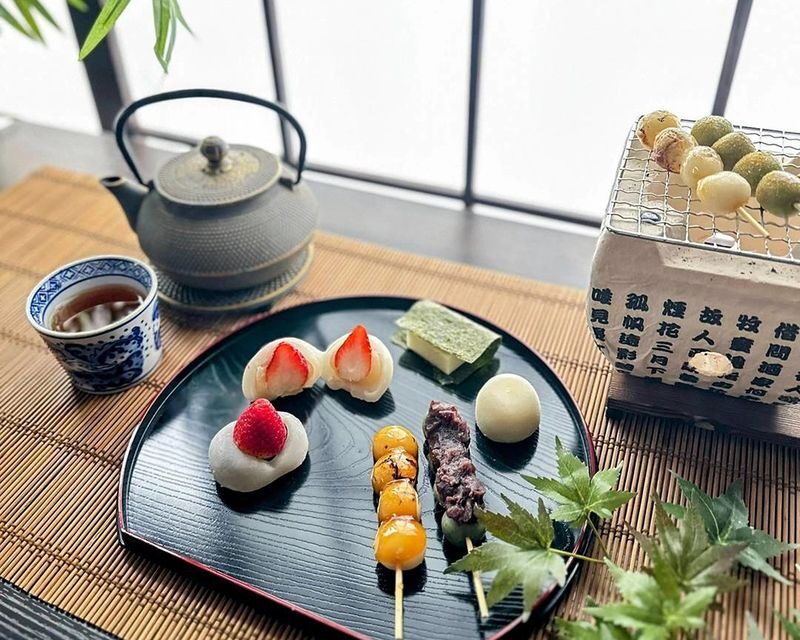
- Five kinds of mochi sweets: The class features strawberry daifuku, dango, isobemochi, warabimochi and host-made mochi ice cream.
- Hands-on, but not every step: You shape, fill or decorate some sweets, while the host may prepare parts of the dough or demonstrate other methods.
- A cultural lesson with your cooking: Learn about mochi traditions, seasonal sweets and, in some classes, the customs around matcha.
- Useful take-home help: English recipes and a video showing a traditional steamer method help you continue at home.
- Dietary options need advance notice: Vegetarian and gluten-free options are available; tell the host about dietary needs when booking.
- A compact Meguro class: The studio is listed near the JR Yamanote Line and a Metro exit, but the detailed address comes with your voucher.
- Making Mochi in Meguro
- From Rice Dough to Five Sweets
- A Beginner-Friendly Method, With a Trade-Off
- More Than a Recipe: Seasonal Sweets and Tea
- What the Price Covers
- What Families and First-Timers Should Know
- Dietary Needs and Booking Details
- Should You Book This Mochi Class?
- FAQ
- How long is the mochi-making class?
- Where does the class meet?
- How do I get to the studio?
- What kinds of mochi are included?
- Do I make all five sweets myself?
- Is the class suitable for beginners?
- Can children take part?
- Are vegetarian or gluten-free options available?
- Is the class vegan?
- What is included in the price?
- The Best Of Tokyo!
- More Workshops & Classes in Tokyo
- More Tours in Tokyo
- More Tour Reviews in Tokyo
Making Mochi in Meguro
 1 / 8
 2 / 8
 3 / 8
 4 / 8
 5 / 8
 6 / 8
 7 / 8
 8 / 8
This class gives you a close look at a Japanese sweet that can be both celebratory and wonderfully everyday. Mochi begins with rice pounded or cooked into a soft, stretchy dough, then shaped by hand. It turns up in many forms, from filled sweets to savory bites, so a tasting-and-making session can show more range than a single recipe would.
The class is held in a private studio at 1-chome-3-16 Meguro. The detailed location is provided after booking, and the meeting point is described as a short walk from the JR Yamanote Line exit and the Metro exit. Use the voucher details to find the exact entrance rather than relying only on the street address.
The name on the package is 2-Hours Mochi Making Class, but the overview calls it two and a half hours. That difference matters if you are fitting the class between timed activities, so check the duration shown for your selected date before paying.

👉 See our pick of the Our Picks For The 11 Best Workshops & Classes In Tokyo
From Rice Dough to Five Sweets
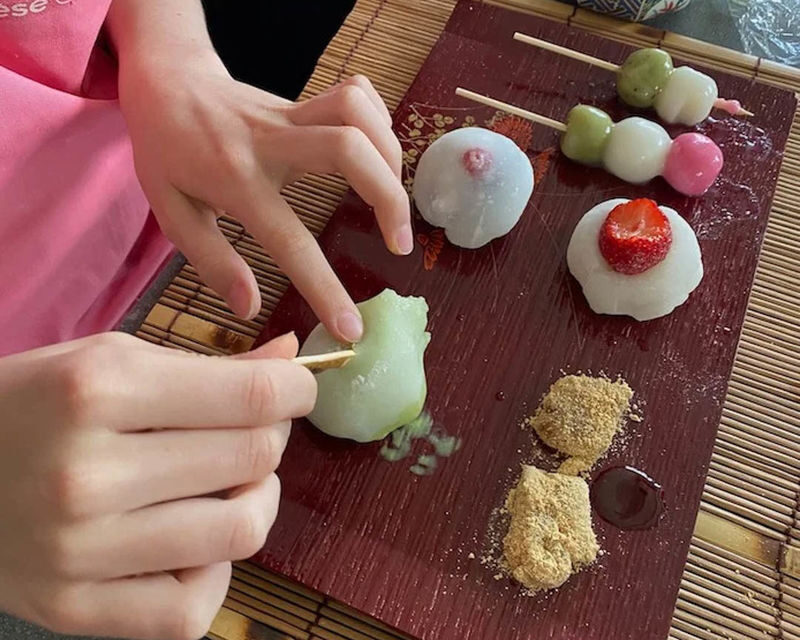
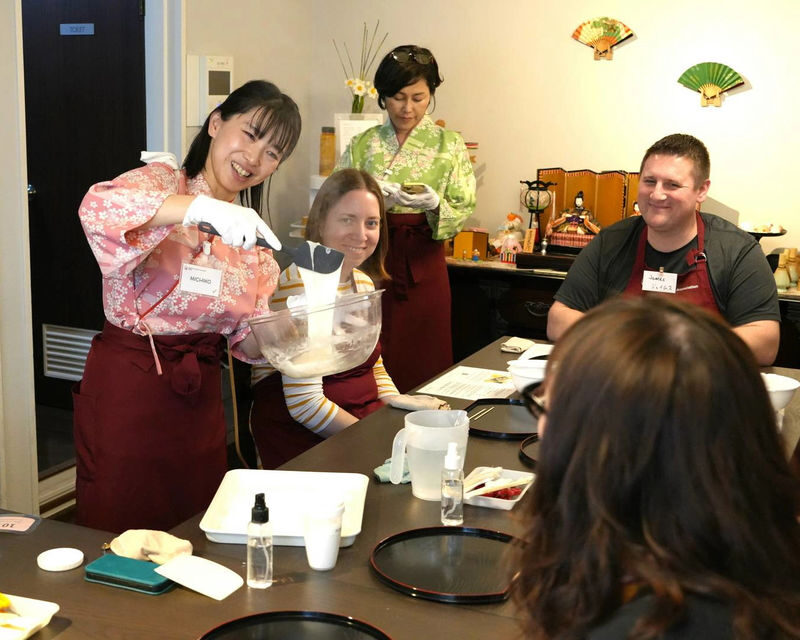
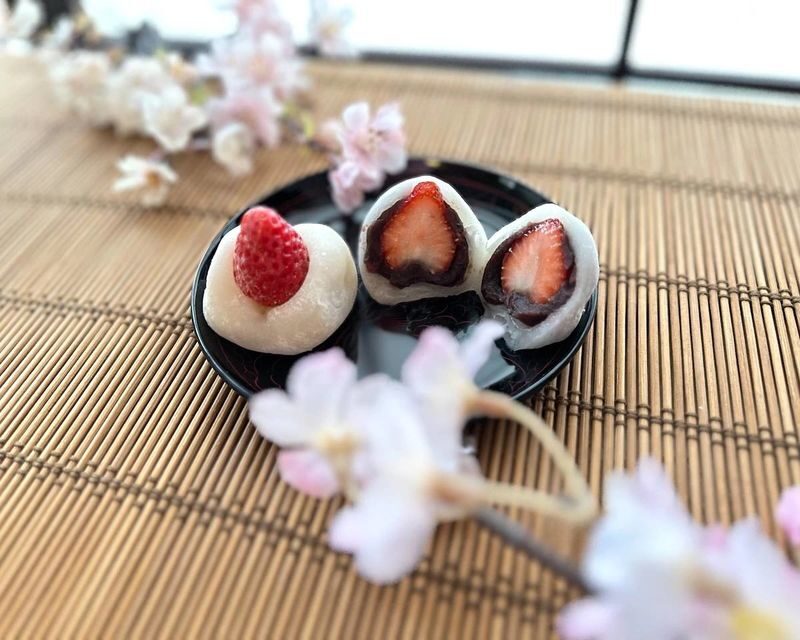
Expect a mix of instruction, preparation, shaping and tasting, rather than two hours of uninterrupted cooking. The instructor introduces mochi and its place in Japanese food customs, then walks you through the sweets planned for the session. Past classes have included strawberry daifuku with red or white bean paste, spring dango, soybean-flour-coated mochi and grilled mochi with nori.
The exact balance of making and demonstration can vary. Some participants have made several items themselves, while the host prepared other components or showed how to assemble them. One useful expectation to set: five kinds are included in the experience, but you may not personally make all five from scratch.
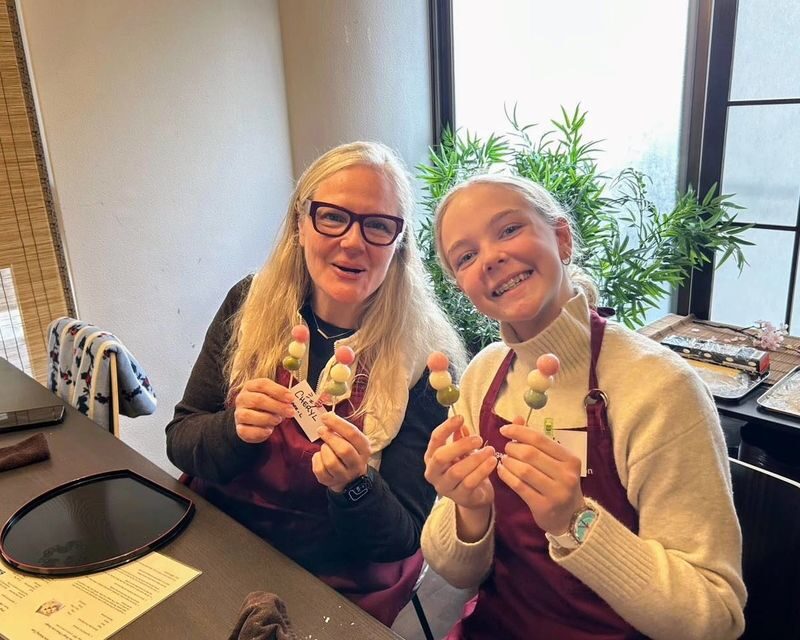
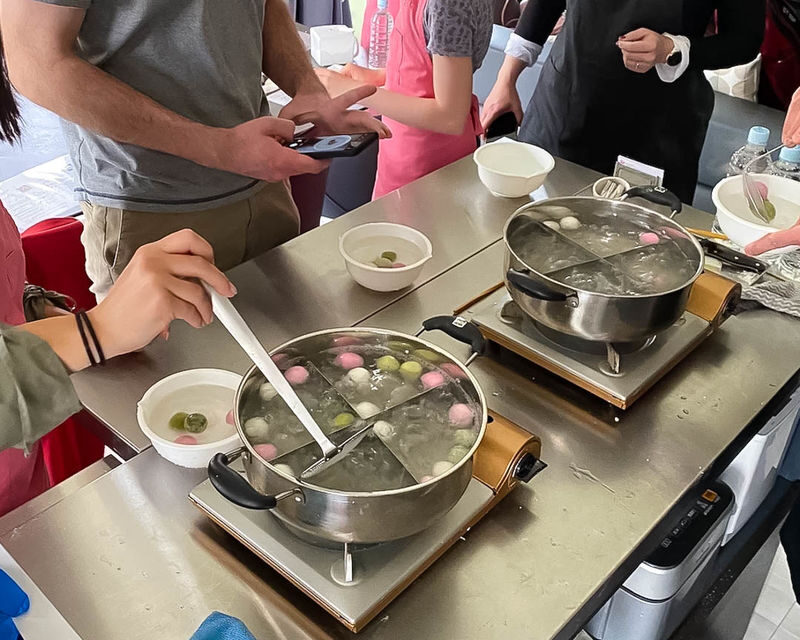
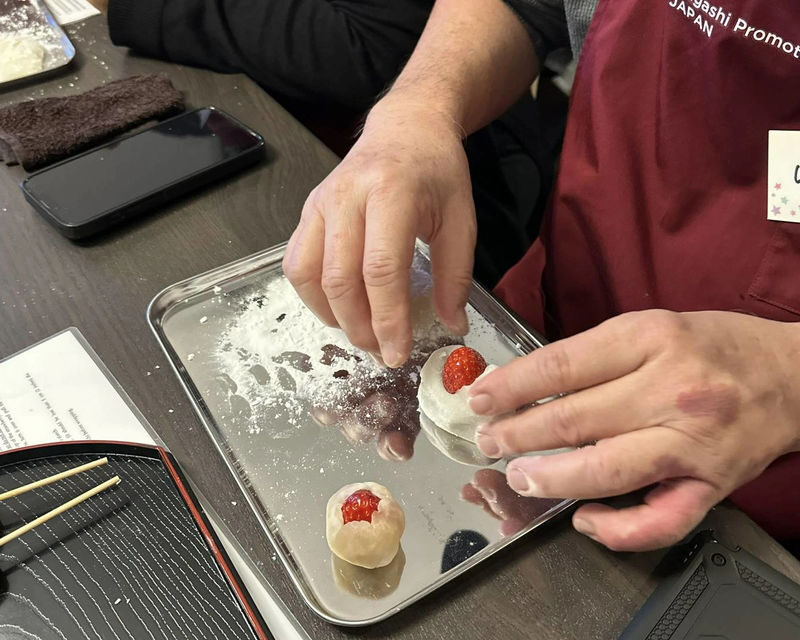
You might shape and color dough for dango, then fill mochi with bean paste and fruit to make daifuku. Daifuku is a good lesson in texture: the soft outer layer needs to be pliable enough to wrap around its filling without tearing. Seasonal fruit is used, so strawberries may be replaced by pineapple or another available fruit.
The host may also show you how to assemble mochi ice cream or make a savory version. Isobemochi pairs mochi with soy sauce and seaweed, offering a salty change from the sweet fillings. Warabimochi, often served with soybean flour, adds another texture and flavor to the tasting.
You can also read our reviews of more tours and experiences in Tokyo


A Beginner-Friendly Method, With a Trade-Off
To keep the process approachable, the mochi dough is prepared in a microwave. That makes the class easier to follow than a full traditional pounding session, but it is not a demonstration of the classic wooden-mallet method. If you came hoping to pound steamed rice with mallets, this is not the right expectation.
The trade-off is practical: you spend more time learning to handle, fill and decorate mochi without needing specialized equipment. After the class, you receive a tutorial video showing how to make mochi with a traditional steamer at home. That extra resource helps bridge the gap between the simplified studio method and a more traditional approach.
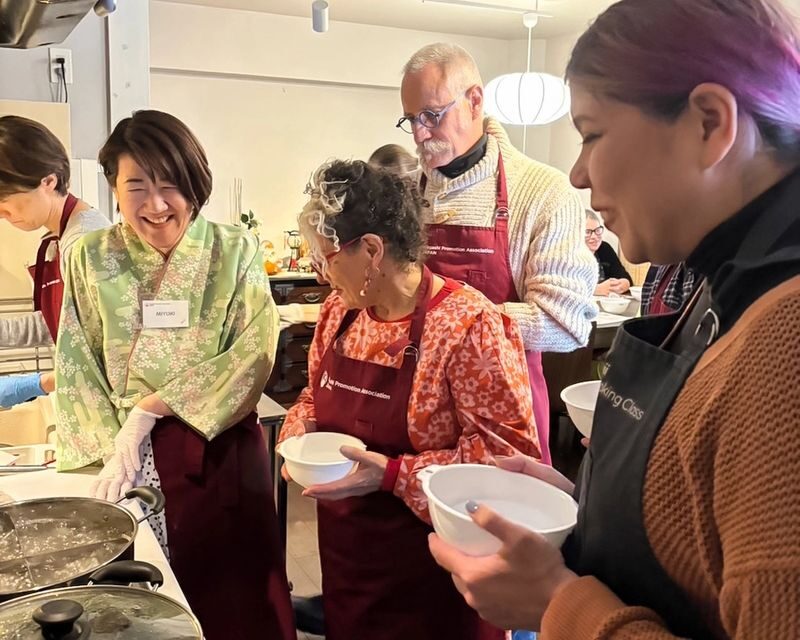
The format suits first-timers, including families with children old enough to take part. The work is tactile, but it does not demand prior cooking skills. Clear English instructions are included, and an English- and Japanese-speaking guide leads the session.
More Than a Recipe: Seasonal Sweets and Tea
Mochi is closely tied to Japanese customs and seasonal occasions. A class that explains why particular sweets appear at certain times of year gives you more than a set of measurements: it helps you recognize the food when you see it in shops and understand why its shape or ingredients might change.
Some sessions have also included a short introduction to tea customs and the chance to mix matcha. Green tea is included, and it gives you a simple way to enjoy the sweets as they are commonly served. The emphasis is relaxed and practical, not a formal tea ceremony.
I especially like the class’s balance of making and eating. Mochi is best understood through its feel as well as its flavor: soft, stretchy dough behaves differently from the finished, filled sweet. You can leave with a better sense of how to handle it, plus recipes in English for future attempts.
What the Price Covers
The starting price is $90.09. That is a meaningful spend for a short cooking activity, so the value depends on what you want from it. You are paying not just for ingredients, but for guided instruction, cooking tools, an apron, recipes, a cup of green tea and a set of different sweets to prepare or sample.
If you want a deep technical course in traditional rice pounding, the microwave-based method may feel limited for the price. If you want an accessible introduction to wagashi and a friendly, hands-on activity in Tokyo, the cultural context and take-home materials make the cost easier to justify.
The quantity of food is another part of the value. Several past participants found the servings filling, and one practical tip is to have a light meal beforehand. The class is a dessert lesson, but tasting multiple sweet and savory mochi can add up.
The listed experience has a 4.9 out of 5 rating from 32 ratings, while the provider, Tablecross Inc., has 1,145 total ratings and a 95 percent good-review rate. Those figures suggest a well-regarded activity, but they do not change the main decision: make sure the mix of demonstration and hands-on work suits your expectations.
What Families and First-Timers Should Know
The class can work well for families. Children aged four and older may participate, and children aged four to twelve must be accompanied by a paying adult. Anyone aged thirteen or older is charged the adult rate, and infants and children must be included in the passenger count.
The studio is not childproof, and children under four are not allowed. It is also not wheelchair- or stroller-accessible, so this is worth checking before you book if anyone in your party needs step-free or mobility access.
First-time cooks should feel at ease. Instructions and recipes are provided in English, and participants have described the teaching as patient and easy to follow. Past instructors named include Hatsumi, Michiko, Ayumi, Yuriko, Owa and Muyuki; the specific teacher may depend on the date.



Dietary Needs and Booking Details
Vegetarian and gluten-free options are available, and the activity can accommodate pescetarian requirements. The class is vegan apart from the mochi ice cream; if you do not want dairy, tell the host when booking so an alternative can be prepared. Send any dietary restrictions in advance rather than waiting until class.
A minimum of two people is required for a class. If you book alone, you may be told three days beforehand that the session is cancelled, with the option to cancel or move to an offered date or location. Arrive on time, and message the host if you expect to be more than ten minutes late, since the class begins as scheduled.
The building is smoke-free, including a ban on cigarettes and e-cigarettes. Your voucher is valid only for the date and time booked, and you can present it on your phone. A full refund is available if you cancel at least 24 hours before the activity, using destination local time.
Should You Book This Mochi Class?
Book it if you want a friendly, low-pressure way to learn about Japanese sweets, try several styles of mochi and take recipes home. It is especially appealing for families with children aged four and up, dessert fans and curious cooks who enjoy learning the story behind a dish.
Think twice if you expect to pound rice by hand or make every sweet entirely from scratch. The class uses a microwave for the dough, and the instructor may prepare some components. Confirm the actual duration and the balance of hands-on work for your session, then decide if the cultural introduction, tasting and take-home tutorial are worth the price to you.
Tokyo Mochi-Making Class (2Hr)
“Such a delightful and hands-on class! Hatsumi-san was friendly, patient, and knowledgeable. The instructions were easy to follow, and the end resul…”
FAQ
How long is the mochi-making class?
The package is called a two-hour class, while the overview describes it as two and a half hours. Check the duration confirmed for your chosen session before booking.
Where does the class meet?
It takes place in a private studio in Meguro. The listed address is 1-chome-3-16 Meguro, and the detailed location is provided on your voucher after booking.
How do I get to the studio?
The studio is described as a three-minute walk from the JR Yamanote Line exit and a five-minute walk from the Metro Line exit. Use the detailed directions on your voucher.
What kinds of mochi are included?
The experience features strawberry daifuku, dango, isobemochi, warabimochi and host-made mochi ice cream. The exact items and the amount you make yourself may vary by class.
Do I make all five sweets myself?
Not necessarily. You may prepare some items and shape or assemble others, while the host may prepare dough or demonstrate parts of the process.
Is the class suitable for beginners?
Yes. The activity is designed to be accessible to beginners, uses a microwave-prepared mochi dough and includes English instructions and recipes.
Can children take part?
Children must be at least four years old. Children aged four to twelve need a paying adult with them, and participants aged thirteen or older pay the adult rate.
Are vegetarian or gluten-free options available?
Yes. Vegetarian and gluten-free options are available, and the class can also accommodate pescetarian requirements. Contact the host about dietary needs in advance.
Is the class vegan?
The class is vegan except for the mochi ice cream. Tell the host when booking if you do not want dairy so an alternative can be prepared.
What is included in the price?
The class includes an English- and Japanese-speaking guide, ingredients for five types of mochi, cooking tools, an apron, recipes and instructions in English, and a cup of green tea. Other personal expenses are not included.