A private car turns a far-flung day trip into a matter of choosing your stops, not mastering train changes. You can head for Mount Fuji, Kamakura, Yokohama, or another listed destination, then set the pace with your own group.
I like two things most: the freedom to shape the route and the comfort of a private vehicle for families or groups. Drivers have helped guests adjust plans for traffic, and families have praised patient service with young children and seniors.
The main caveat is that this is a driver service, not a guided tour. You explore each stop on your own, and a 9:00 to 18:00 schedule may differ from the stated 10-hour vehicle allowance, so confirm the exact service window before you book.
- The short version
- A private car, not a private tour guide
- Pick one region, not a greatest-hits marathon
- What the sample routes feel like
- The clock matters more than the route map
- Choosing a vehicle for your group
- What the price buys, and what it does not
- The service can be excellent, but it can vary
- Who should book this day out
- FAQ
- How long does the car service last?
- Can I choose my own itinerary?
- Does the driver guide us inside attractions?
- Which languages can I request?
- How many passengers and bags fit in each vehicle?
- Are child seats available?
- Are tolls and fuel included?
- Are there extra charges for overtime or long distances?
- What is the cancellation policy?
- The Best Of Fujiyoshida!
- More Private Tours in Fujiyoshida
- More Tours in Fujiyoshida
- More Tour Reviews in Fujiyoshida
The short version
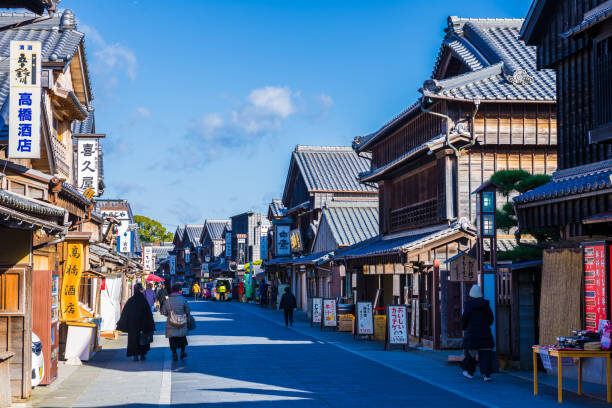
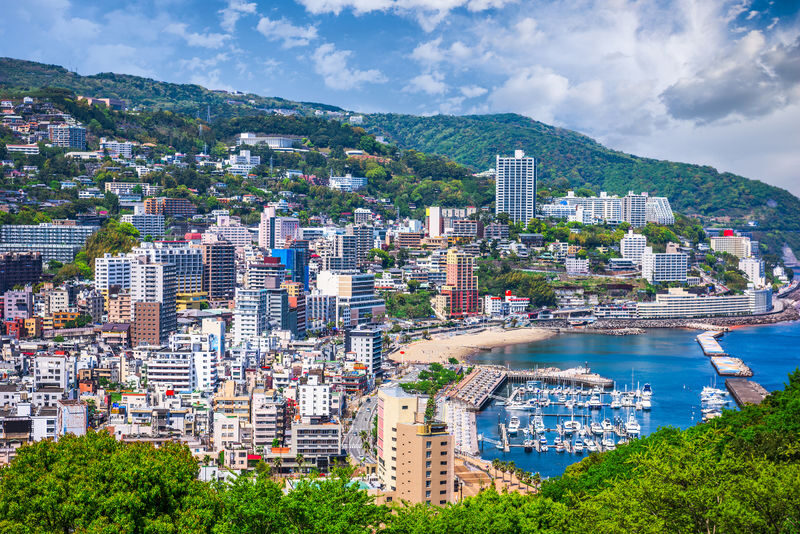
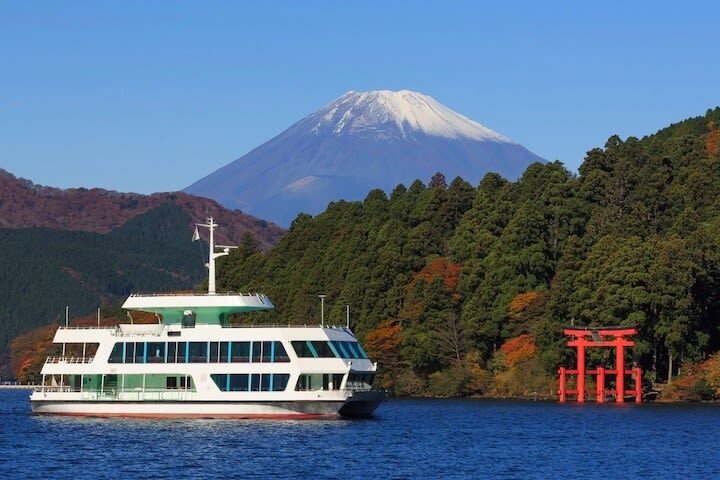
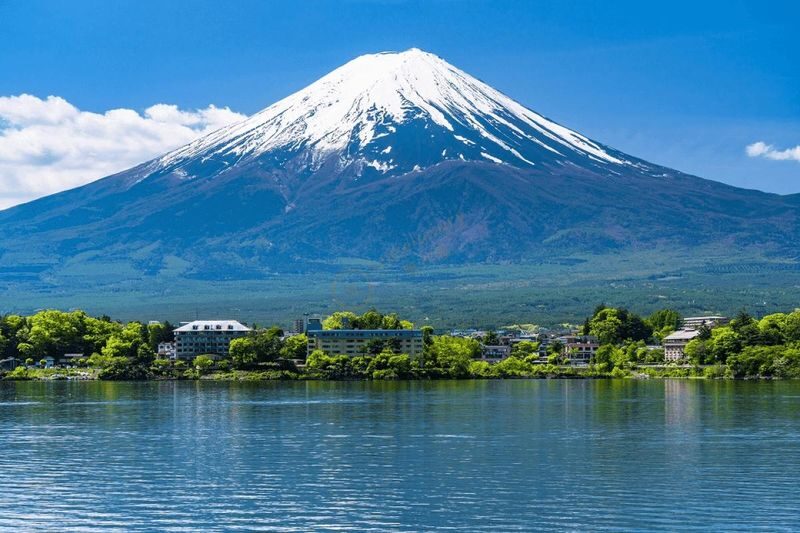
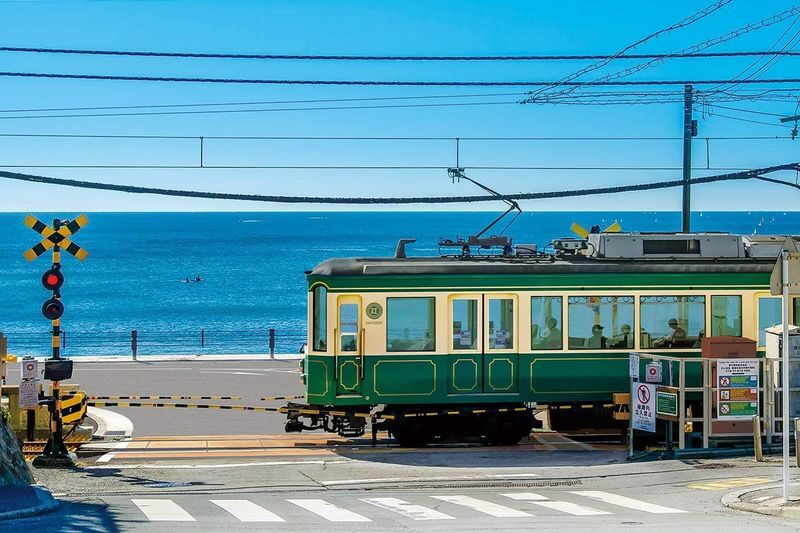
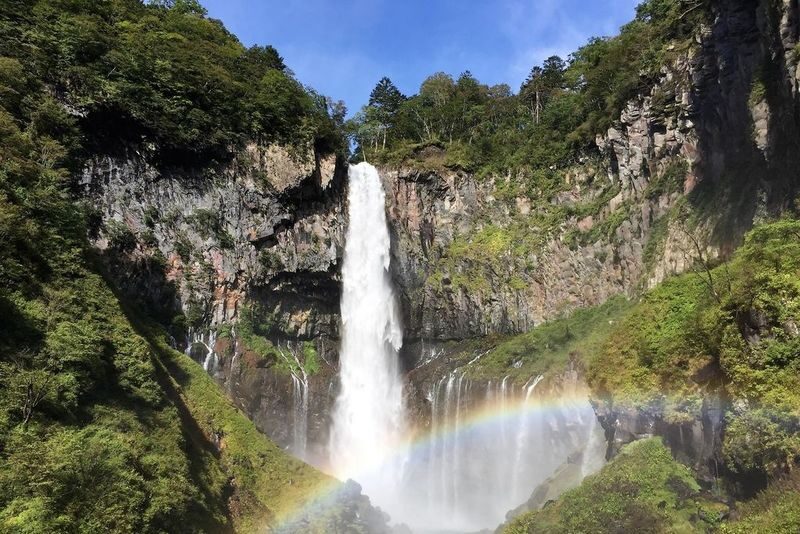
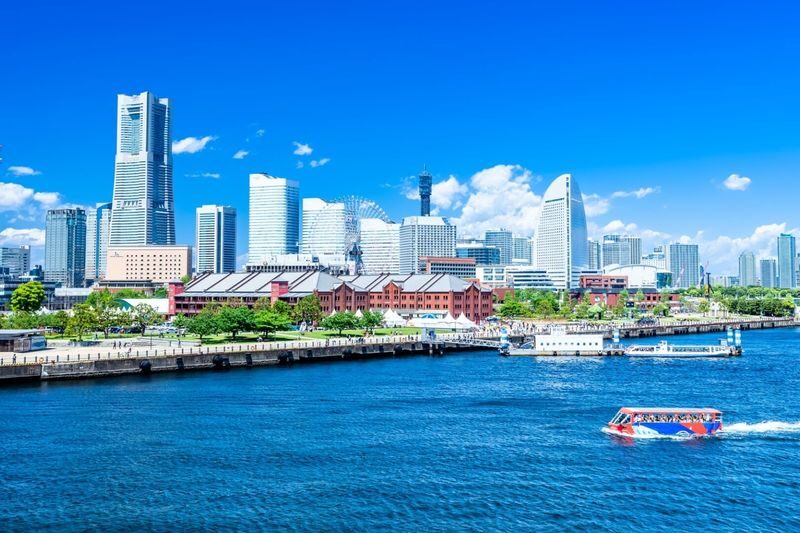
- Choose your own route: Options include Tokyo, Yokohama, Kamakura, Kawagoe, Nikko, Hakone, Karuizawa, Izu, Atami, and Mount Fuji.
- Private transport for your group: A 7-seat vehicle takes up to six passengers; a 10-seat vehicle takes up to nine.
- Plan ahead for distant stops: Fuji, Nikko, and Karuizawa take time to reach, and Tokyo traffic can reduce your time on the ground.
- Drivers share tips from the car: They can suggest a stop order and explain sightseeing strategies, but do not walk around attractions with you.
- Costs can rise: Overtime, extra distance, airport pickup, and additional child seats may cost extra.
- Best for groups with a plan: You get convenience and flexibility, but you should choose your stops and decide where to eat.

👉 See our pick of the 8 Most Highly Rated Private Driver Services In Fujiyoshida
A private car, not a private tour guide
The central appeal is simple: your group gets a car and driver for a day, with the freedom to choose where to go. That can make a big difference when you are traveling with children, older relatives, or people who would rather not manage several train connections.
You do not need to follow one fixed sightseeing circuit. You can build a Tokyo day around Asakusa and Shibuya, make a Kamakura visit, or dedicate the day to Fuji-area viewpoints. The driver can help with the order of stops and share practical advice from the vehicle.
Keep the distinction clear, though. A tour guide is not included, and the driver does not accompany you into temples, museums, gardens, or other attractions. You will need to research opening hours, admission fees, meal stops, and what you want to see at each place.
Drivers may be assigned to speak Chinese, Japanese, or English. You can request a language in advance, but it is not guaranteed; translation software may be used if the requested language is unavailable. Some past bookings name drivers including Mr. Zhang, Mr. Xu, Mr. Matsumoto, and Mr. Kakinuma, but you should not expect a particular driver when booking.
You can also read our reviews of more private tours in Fujiyoshida
Pick one region, not a greatest-hits marathon
The menu of possible destinations is wide: Tokyo, Yokohama, Kamakura, Kawagoe, Nikko, Hakone, Mount Fuji, Karuizawa, Izu, and Atami are among the options. The vehicle gives you flexibility, but it does not make geography disappear. A day that tries to cover several distant areas can turn into a long drive with a quick photo stop at each end.
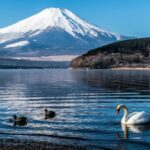
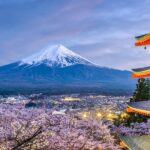
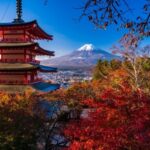
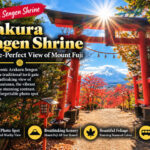
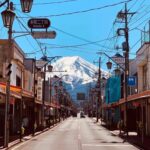
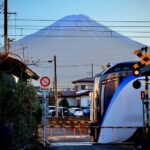
I recommend choosing one main area and a handful of nearby stops. For a Fuji-area day, you might link Arakurayama Sengen Park, Lake Kawaguchi and its panoramic ropeway, Mt. Tenjo Park, and Oshino Hakkai. For Kawagoe, the sample route combines Hikawa Shrine, the old shopping street, Candy Alley, and Kumano Shrine.
If you are drawn to Tokyo and Yokohama, decide which places matter most before the car arrives. One family used a private car for Yokohama’s Anpanman Children’s Museum and added the Fujiko F. Fujio Museum on the return toward central Tokyo. That kind of customized day can work well, but every extra stop takes time from the others.
What the sample routes feel like
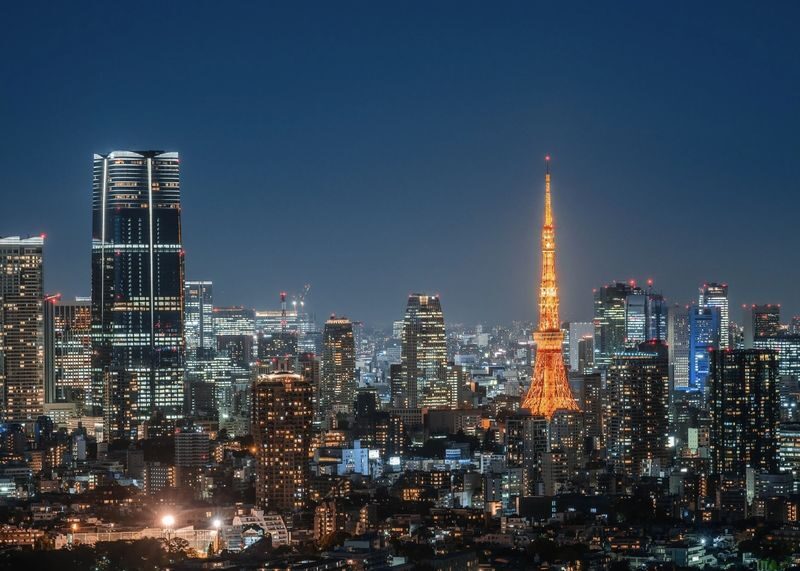
Route 1: Asakusa, Skytree, Nakameguro, and Harajuku. The suggested Tokyo route pairs Kaminarimon and Senso-ji Temple with Tokyo Skytree, Nakameguro, and Takeshita Street. It covers several different parts of the city, so it is useful if you want a broad first look or have specific places in mind. The trade-off is time spent crossing town. Pick the stops that suit your interests rather than treating the route as a checklist.
Senso-ji and the Kaminarimon gate make a natural starting point for a temple visit, while the Skytree offers a different kind of city view. Nakameguro and Takeshita Street give the day another feel, but a driver can only get you between them; you will need to decide how long to spend at each and whether to pay for any attraction admission.
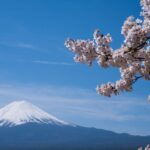
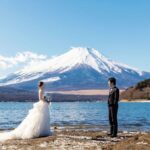
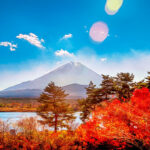
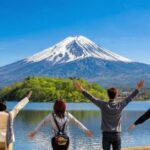
Route 2: Fuji viewpoints and Oshino Hakkai. The Fuji sample route includes Arakurayama Sengen Park, the Mount Fuji panoramic ropeway, Lake Kawaguchi, Mt. Tenjo Park, and Oshino Hakkai. It is a scenic day with several stops built around views of the mountain and surrounding area. The biggest uncertainty is weather: Mount Fuji may be obscured by cloud, so a view-focused itinerary is never a sure thing.
A flexible driver can help change the order or suggest alternatives if conditions or traffic shift the day. One group whose usual eastern viewpoints were clouded over asked to head to the other side of Fuji instead. That is a useful reminder to keep the plan adaptable, while being realistic about the distance and the 300-kilometer limit before extra mileage charges apply.
Route 3: Kawagoe’s old streets and shrines. The Kawagoe sample links Hikawa Shrine, Koedo Kawagoe’s shopping street, Candy Alley, and Kumano Shrine. It is a more contained day than a long run toward Fuji or Nikko, and gives you time to browse and sample local sweets at your own pace. You contact the driver when you are ready to move on, rather than keeping to a group’s fixed schedule.
The driver handles the transfers, not the history lesson. If you want context about the shrines or the town, do a little reading beforehand or arrange your own guide separately. A driver can still help with practical decisions and navigation, but you should not book this expecting a narrated walking tour.
The clock matters more than the route map
The tour details describe a 9:00 departure and 18:00 return, while the vehicle information states that service lasts 10 hours. Treat the exact schedule as something to confirm with the operator, especially if you are planning a long-distance route or want to depart at a different time. The service is available daily between 8:00 and 20:00, with extensions possible to 22:00 for an additional charge.
Traffic can have a direct effect on what you see. A late start caused by Tokyo traffic meant one group reaching Nikko around noon, with time for Toshogu Shrine and Kegon Falls but not Kinugawa. For distant destinations, I would keep the plan lean and list your must-see stop first. A driver may help rearrange the order, but cannot recover hours lost on the road.
If your pickup or drop-off point is outside Tokyo, the service time is stated as eight hours. Airport pickup or drop-off also brings extra charges: the listed fees vary by airport and vehicle size. Check the terms for your exact start and end points before choosing a route.
Choosing a vehicle for your group
The 7-seat option is a Toyota Alphard, Vellfire, or similar, with a maximum of six passengers and room for four 24-inch suitcases. The 10-seat option is a Toyota Hiace or similar, with a maximum of nine passengers and room for nine 24-inch suitcases. Infants and children count in the passenger total.
If your party has fewer passengers than the vehicle’s maximum, the information allows one additional piece of luggage for each unused passenger place. That can help a group traveling with bags, but confirm your actual luggage count and size when booking. The 7-seat vehicle has drawn mixed comments on condition and comfort, so if you expect a long drive, check the vehicle details and be clear about the comfort your group needs.
The first child seat is free; each additional seat costs JPY 2,000, payable to the driver. Request seats in the booking remarks. No food or drinks are allowed in the vehicle, though water is permitted.
What the price buys, and what it does not
The advertised starting price is $328.69. Think of that as a starting point, not a per-person fare or a guarantee that every route and group size costs the same. A private charter can be good value when several people share the vehicle, especially if trains would require multiple transfers or if you want to combine stops that do not fit neatly into one public-transport day.
The stated inclusions are round-trip transfers, tolls, fuel, insurance provided by the operator, and a Chinese- or Japanese-speaking professional driver/guide. English may be available by request, but languages are randomly assigned and cannot be assured. Attractions, meals, drinks other than permitted water, personal expenses, tips, and a separate tour guide are not included.
Watch for extra charges. Service beyond 10 hours costs JPY 5,000 per hour, with any part of an hour counted as a full hour. Driving beyond 300 kilometers costs JPY 400 per kilometer. Additional child seats cost JPY 2,000 each, while airport service fees vary by airport and vehicle size. Confirm any extra costs before finalizing a route.
The value is strongest when convenience matters more than the lowest possible transport cost. A family with a toddler, seniors, or a group that wants to visit several chosen stops can benefit from door-to-door travel and a flexible pace. A solo visitor or a pair with a simple point-to-point plan may find public transport cheaper.
The service can be excellent, but it can vary
Many bookings describe drivers arriving on time, driving smoothly, waiting patiently, and helping refine the route. Families have valued drivers who adapted to children, seniors, or changing plans. One Hakone driver suggested extra viewpoints, while another helped fit more stops into the day by adjusting the order around traffic.
There are also practical limits to keep in mind. Drivers may not be fluent in your preferred language, may not know every attraction’s latest opening status, and may not provide much commentary beyond information from the car. Vehicle cleanliness and comfort have also varied. The operator’s stated driver experience is more than three years, but that does not guarantee the same level of communication or service on every booking.
I would message the operator with your route, passenger count, luggage, child-seat needs, and preferred language before the day. Ask the driver to confirm the pickup point and vehicle details when they contact you. This small bit of preparation can prevent confusion and help you start the day on time.
Who should book this day out
This works best for families, small groups, and visitors with mobility or transport needs who want a private ride and the freedom to set their own pace. It is especially useful when you have a clear destination list, want door-to-door pickup in Tokyo, or need a driver to help manage a full day outside the city.
It is less suitable if you want a guide to walk with you, explain every sight, or arrange all the details on the spot. It is also a poor fit for an overstuffed itinerary: a car makes transfers easier, not instantaneous. Choose a main area, put your top stop first, and leave room for traffic and weather.
Book it if private transport and control of the day are worth more to you than a guided experience. Before paying, confirm the service hours for your pickup location, check the vehicle and luggage capacity, request your language and child seats, and make sure your route fits the distance limit. If you prefer someone else to plan and narrate the day, choose a guided tour instead.
Kanto Private Chartered Car Custom Day Tour | Kamakura & Yokohama & Hakone & Mt. Fuji & Karuizawa | Departing from Tokyo
“Since my two-year-old nephew wanted to visit the Anpanman Children's Museum in Yokohama during our trip to Japan, we hired a private car for the da…”
FAQ
How long does the car service last?
The vehicle service is described as 10 hours, while the sample schedule runs from 9:00 to 18:00. Confirm the exact duration with the operator for your booking. Service beyond 10 hours costs JPY 5,000 per hour, with any part of an hour counted as a full hour.
Can I choose my own itinerary?
Yes. You can arrange the departure time and itinerary, choosing among destinations such as Tokyo, Yokohama, Kamakura, Kawagoe, Nikko, Hakone, Mount Fuji, Karuizawa, Izu, and Atami.
Does the driver guide us inside attractions?
No. The driver does not accompany you into scenic spots. The driver can explain sightseeing strategies from the car, but a separate tour guide is not included.
Which languages can I request?
Chinese, Japanese, and English are listed. Drivers are assigned randomly, and you can request a language in advance, but the operator cannot guarantee it. Translation software may be used if the requested language is unavailable.
How many passengers and bags fit in each vehicle?
The 7-seat Toyota Alphard, Vellfire, or similar takes up to six passengers and four 24-inch suitcases. The 10-seat Toyota Hiace or similar takes up to nine passengers and nine 24-inch suitcases. Children and infants count toward passenger capacity.
Are child seats available?
The first child seat is free. Each additional seat costs JPY 2,000, payable to the driver. Request the number of seats in the booking remarks.
Are tolls and fuel included?
Yes. Toll fees, fuel fees, round-trip transfers, and insurance provided by the operator are listed as included. Attraction admission, meals, drinks, and personal expenses are not included.
Are there extra charges for overtime or long distances?
Yes. Overtime beyond 10 hours costs JPY 5,000 per hour. If the total distance exceeds 300 kilometers, the extra mileage fee is JPY 400 per kilometer. Airport service fees also apply and vary by airport and vehicle size.
What is the cancellation policy?
A full refund is available if you cancel at least 24 hours before the activity date, based on local time. If extreme weather or an unforeseen event leads the operator to cancel, you can request a reschedule or full refund, subject to availability.