Japanese fermentation takes a sweet turn in this small Tokyo class. With certified fermented-food specialist Naoko, you’ll make treats with amazake, a naturally sweet fermented rice paste, and sakekasu, a byproduct of sake brewing. The menu includes jelly, a muffin, a marinade, and a cocoa truffle.
I like two things in particular: the small group of no more than six, which should leave room for questions and hands-on help, and the chance to learn about fermentation through food rather than a lecture alone. The sakekasu hand-mask trial adds an unusual beauty ritual to the afternoon.
One point to check before you book: the class is described as both 1.5 and two hours. Sakekasu contains alcohol, so tell the host in advance if you’re under 20 or avoid alcohol, and confirm the class duration for your chosen date.
At a glance
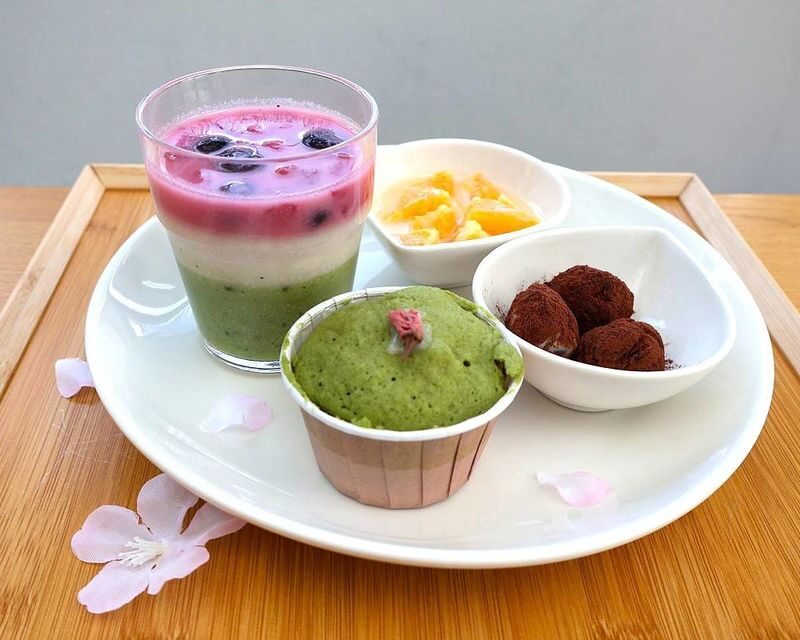
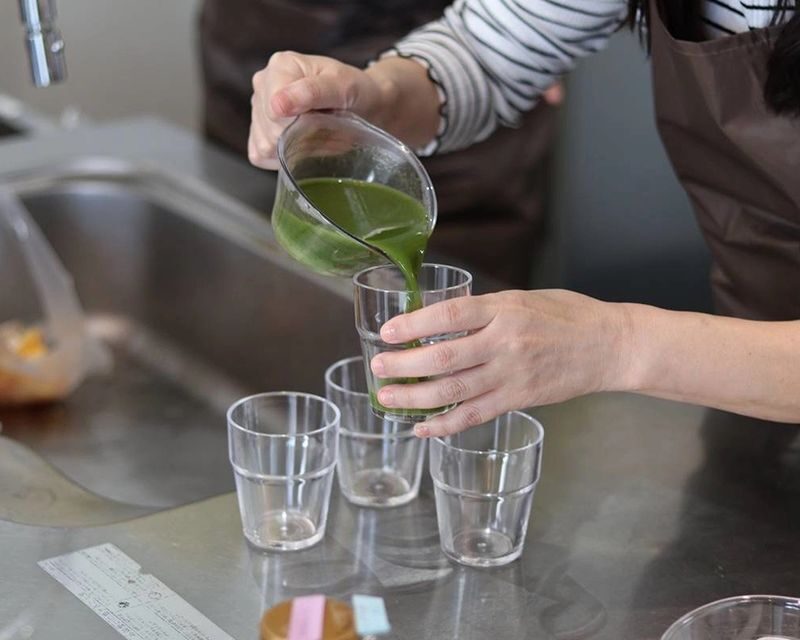
- Make four different treats: Prepare three-color amazake jelly, orange amazake marinade, a matcha amazake rice-flour muffin, and a sakekasu cocoa truffle.
- Learn from Naoko: Your instructor is a certified fermented-food specialist with international experience.
- Keep it personal: The class is limited to six people, a useful size for getting help as you work.
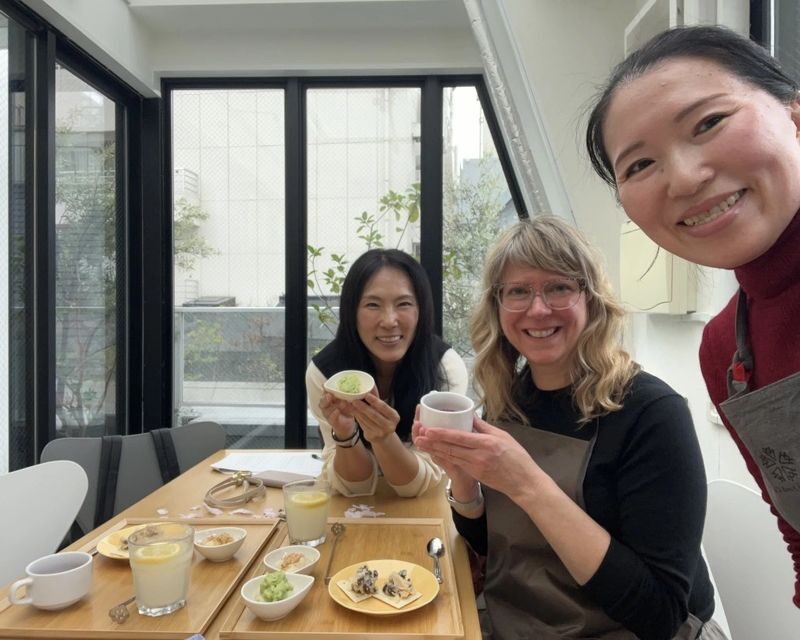
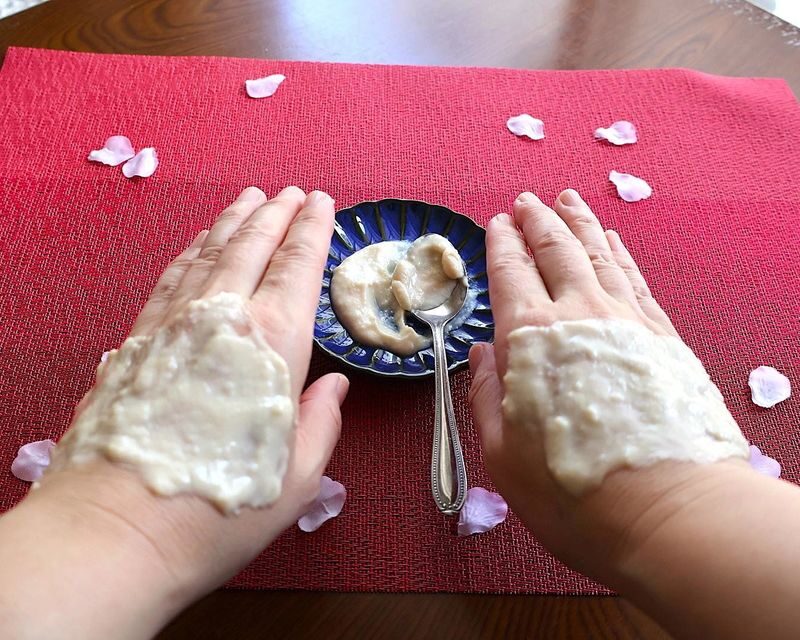
- Try a beauty ritual: A sakekasu hand-mask trial and a cup of sakura tea are part of the experience.
- Plan around the alcohol: Sakekasu contains around 8% alcohol; banana replaces the alcoholic ingredient in the truffle for people under 20 and those who do not drink, if requested in advance.

👉 See our pick of the Our Picks For The 11 Best Workshops & Classes In Tokyo
- At a glance
- Making sweets with amazake and sakekasu
- Naoko’s small-group teaching style
- The hand mask and sakura tea
- The alcohol question, handled before class
- How much time to allow
- What the price includes, and what it doesn’t
- Who will get the most from this class
- Should you book the amazake class?
- FAQ
- How long is the class?
- Where do I meet the host?
- What will I make?
- Is the class taught in English?
- Can someone under 20 take part?
- Is there an alcohol-free option?
- Are dietary restrictions accommodated?
- Is the sakekasu hand mask suitable for everyone?
- What is included in the price?
- The Best Of Tokyo!
- More Dessert Tours in Tokyo
- More Tours in Tokyo
- More Tour Reviews in Tokyo
Making sweets with amazake and sakekasu
 1 / 8
 2 / 8
 3 / 8
 4 / 8
 5 / 8
 6 / 8
 7 / 8
 8 / 8
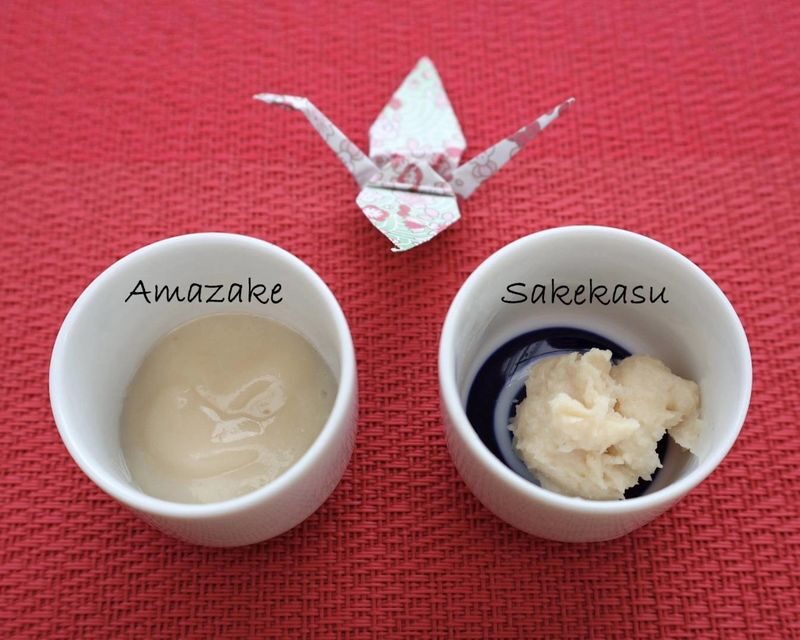
This is a cooking class with a clear theme: how Japanese fermentation can bring flavor and sweetness to treats. Amazake is a fermented rice paste with natural sweetness, while sakekasu is a byproduct of sake brewing. Both offer a different route into Japanese food culture than a standard sushi-making lesson.
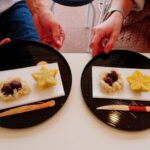
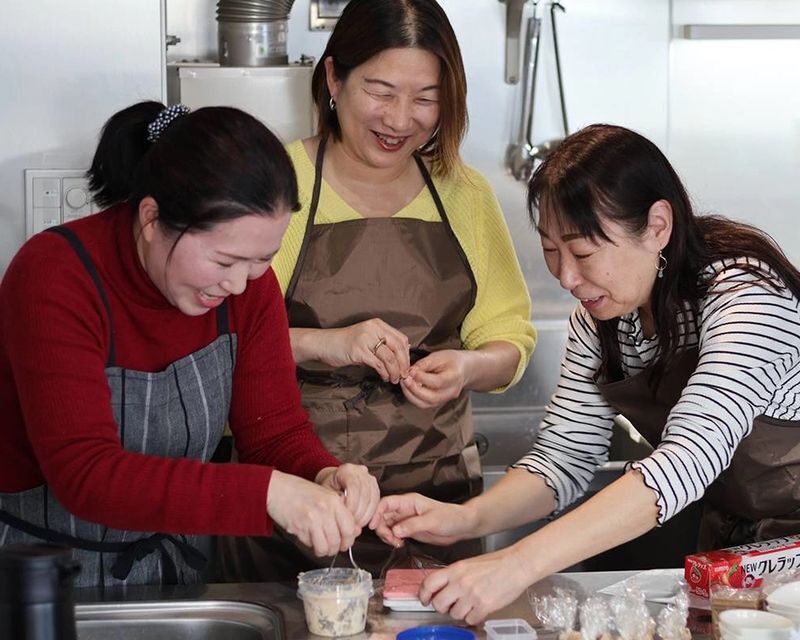
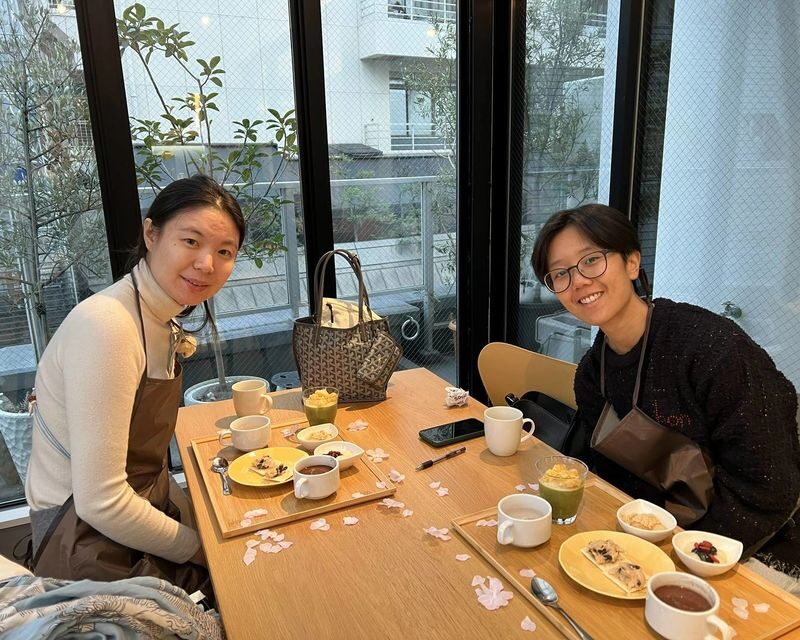
The menu gives you four ways to encounter those ingredients. You’ll make three-color amazake jelly, an orange amazake marinade, a matcha amazake rice-flour muffin, and a sakekasu cocoa truffle. The variety matters. It means the class is not just about one recipe or one dessert, but about seeing how fermented ingredients can show up in different forms.
The dishes also give the session a practical edge. The muffin and truffle fit the sweet side of the class, while the marinade offers a savory contrast. The jelly adds another texture to the mix. You won’t just hear that amazake can be used in cooking; you’ll work with it in several preparations.
The menu is described as a sample, so treat it as a guide rather than a promise that every item will be identical on your date. Ingredients, utensils, and an apron are included. The class is presented as vegan, though the stated dietary accommodation is pescatarian, and you should tell the host about allergies or other restrictions before attending.
You can also read our reviews of more tours and experiences in Tokyo


Naoko’s small-group teaching style
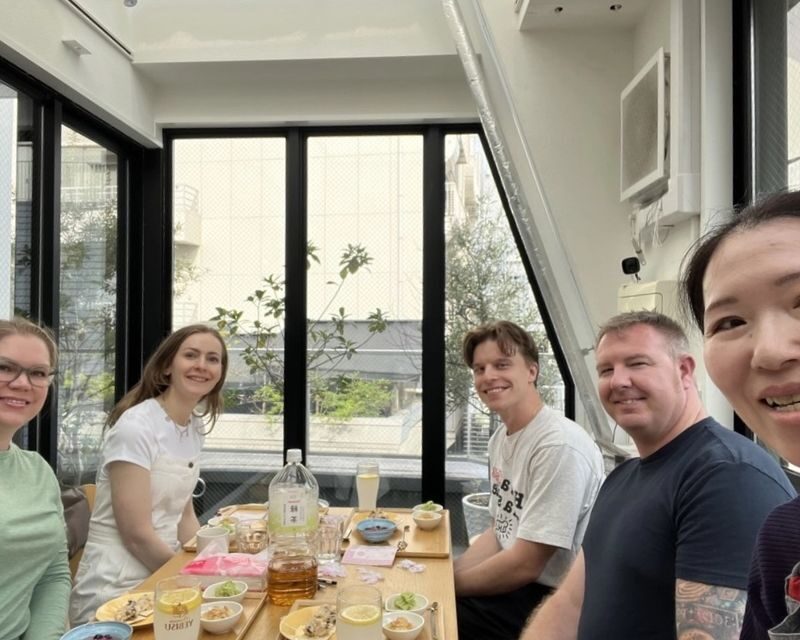
Naoko, the instructor, is a certified fermented-food specialist with international experience. The class is capped at six people, which is a real advantage for a practical session: you have a better chance of asking questions, following each step closely, and getting assistance with unfamiliar ingredients.
The class is designed to explain the fermentation process as you cook. That matters if you want more than a pleasant snack. A useful food class should leave you with some idea of why an ingredient behaves as it does and how you might use it again. One participant described Naoko as patient and detailed when explaining amazake, and said they planned to use the methods at home. That is a good sign for anyone hoping to take something practical away, not just a few recipes.
Still, keep your expectations grounded. This is a short introductory class, not a full course in fermentation or a deep technical workshop. If you already make fermented foods at home, you may find the basics familiar. If you’re new to Japanese ingredients, the chance to see amazake and sakekasu used in several recipes is likely to be the main draw.
The hand mask and sakura tea
The class adds a sakekasu hand-mask trial, a beauty-focused detail that gives the afternoon a distinctly Japanese twist. You’ll also have a cup of sakura tea. Together, these elements make the session broader than a cooking lesson, though the food remains its center.
The hand mask is optional in practice, and it deserves a little caution. The host notes that it may not suit every skin type and may ask people with cuts or wounds on their hands not to participate. The provider cannot take responsibility for irritation or other skin issues, so skip the mask if you have a concern. You can still focus on the cooking.
This is a small part of the class, not a spa treatment. Think of it as a brief chance to try a sake-related beauty custom, rather than a reason to book if your main goal is skincare. The food preparation and explanation of fermented ingredients are the stronger reasons to choose this experience.
The alcohol question, handled before class
Sakekasu contains around 8% alcohol, so the class calls for a little planning. You should not drive after participating. The legal drinking age in Japan is 20, and you may be asked to show valid identification as proof of age.
People under 20 and people who do not drink alcohol can have banana substituted for the alcoholic ingredients in the cocoa truffle. Tell the host when booking so the alternative can be arranged. The class is open to children aged seven and up, but those aged seven to 19 must attend with a paying adult, and children pay the same rate as adults. Infants and children must be included in the passenger headcount.
The class may not suit children six and under because of the difficulty of the lecture. It is also not recommended for people with heart disease or other serious medical conditions. If you have an allergy or dietary restriction, contact the provider in advance. Pescatarian needs are listed as accommodated, but other requirements are not specifically guaranteed.
How much time to allow
The timing needs a quick check. The class overview calls the experience two hours, while the available package is named the 1.5-hour Japanese Fermented Dessert Class. The supplied package details apply to the 1.5-hour option, which starts at US$73.45. Confirm the duration for your selected booking and leave some flexibility in your Tokyo plans.
Either way, this is a compact activity rather than a half-day commitment. That makes it easier to fit between other plans, but you’ll still want to arrive on time and avoid scheduling something immediately afterward until the duration is clear.
The meeting point is Akasaka-Mitsuke Station. You’re asked to meet the host there 15 minutes before class. The cooking may take place at another kitchen in central Tokyo, in which case you’ll be notified after booking. Check the meeting instructions and map link on your voucher rather than assuming the station itself is the cooking venue.
You can also read our reviews of more tours and experiences in Tokyo


What the price includes, and what it doesn’t
At US$73.45 and up, the price covers the class, English-speaking instruction, ingredients, utensils, an apron, the sample dishes, the hand-mask trial, and sakura tea. For a small group with a specialist instructor, the value rests less on the amount of food and more on the guided practice and explanation behind it.
You’re making several items in one session, and the small maximum group size gives the lesson a more personal feel than a large demonstration. If you’re curious about Japanese fermented ingredients and want to learn by doing, that combination makes the cost easier to justify. If you mainly want a substantial meal or a long cooking course, this may not be the best use of your budget.
Transport and personal expenses are not included. Remember to include the walk or ride to the meeting point in your plans, and check whether the final kitchen location differs from the station. A full refund is available if you cancel at least 48 hours before the activity date, using destination local time.
Who will get the most from this class
I’d put this class high on the list for food-focused visitors who want to understand an ingredient beyond tasting it. It also suits wellness-minded cooks, people curious about Japanese fermentation, and anyone who likes the idea of a cooking lesson paired with a small beauty ritual.
The session could work well for a family with a child aged seven or older, provided the child is accompanied by a paying adult and is comfortable following the lesson. Keep in mind that children pay the adult rate. The alcohol-free substitution makes participation possible for younger attendees and non-drinkers, but you need to request it when booking.
It may be less suitable if you want a full meal, a broad survey of Japanese cooking, or a class built around advanced fermentation techniques. The menu is focused on desserts and related preparations, and the time is short. The hand mask is a fun extra, but it should not be the main reason to book if your skin is sensitive or irritated.
Should you book the amazake class?
Book it if you want a small, hands-on introduction to Japanese fermented ingredients, value a thoughtful instructor, and like the sound of making several treats rather than watching a demonstration. Naoko’s patient, detailed explanation of amazake is a particular plus for beginners, and the small group gives the class room to feel personal.
Before paying, confirm whether your chosen session lasts 1.5 or two hours, tell the host about dietary needs, and request the banana substitution if you’re under 20 or avoid alcohol. If those details suit your plans, this is a distinctive way to spend part of an afternoon in Tokyo, with recipes and ingredient ideas that may travel home with you.
Tokyo Japanese Fermented Dessert Class: Sweet & Healthy Treats
“Truly a one of a kind experience, combinong Jap culture, healthy dessert alternatives, and beauty secrets. Naoko was patient and detailed in her de…”
FAQ
How long is the class?
The package is named the 1.5-hour Japanese Fermented Dessert Class, while the general class overview describes a two-hour session. Confirm the duration for your selected booking.
Where do I meet the host?
Meet at Akasaka-Mitsuke Station 15 minutes before the class. If the cooking takes place at another kitchen in central Tokyo, you’ll be notified after booking.
What will I make?
The sample menu includes three-color amazake jelly, orange amazake marinade, a matcha amazake rice-flour muffin, and a sakekasu cocoa truffle.
Is the class taught in English?
Yes. An English-speaking guide is included, and the class is led by Naoko, a certified fermented-food specialist.
Can someone under 20 take part?
Participants must be at least seven. Children aged seven to 19 must attend with a paying adult and are charged the same rate as adults. The legal drinking age in Japan is 20, so request the banana substitution for the truffle when booking.
Is there an alcohol-free option?
Yes. Banana can replace the alcoholic ingredients in the cocoa truffle for people under 20 and people who do not drink alcohol. Indicate this when booking.
Are dietary restrictions accommodated?
Pescatarian requirements can be accommodated. Tell the provider about allergies or other dietary restrictions in advance; other needs are not specifically guaranteed.
Is the sakekasu hand mask suitable for everyone?
No. It may not suit all skin types, and people with cuts or wounds on their hands may be asked not to take part. The provider cannot take responsibility for skin irritation or other issues.
What is included in the price?
The price includes the class, English-speaking instruction, ingredients, cooking utensils, an apron, the sample menu, and a sakekasu hand-mask trial. Transport and personal expenses are not included.