Tsukiji is more than a place to buy fish. On this four-hour Tokyo outing, you’ll visit its Outer Market with a local guide, then trade sightseeing for a cutting board and learn sushi from a professional master. The most memorable moment may be the fish-cutting demonstration, where traditional Japanese knives do the work at close range.
I like two things here: the guide gives the market visit context, and the class turns that context into a meal you make yourself. You’ll also handle traditional tools, including a sharkskin grater for wasabi, rather than simply watching someone else prepare lunch.
The main consideration is the price, from $123.75, which is a meaningful spend for a half-day activity. It makes more sense if you want both a guided market walk and a hands-on meal; transport and drinks are extra, and the schedule can change with traffic or weather.
- What makes this Tsukiji tour worth considering
- Start at Tsukiji Hongan-ji Temple
- Read Tsukiji Outer Market with a local guide
- Watch the fish-cutting demonstration, then take a turn
- Make five nigiri and one roll for lunch
- How the four-hour format affects your day
- Is 3.75 fair value?
- Who should book this experience
- Should you book it?
- FAQ
- Where does the tour meet?
- What departure times are available?
- How long does the tour last?
- What food is included?
- Are vegetarian and gluten-free menus available?
- Are drinks included?
- What is the cancellation policy?
- The Best Of Tokyo!
- More Guided Tours in Tokyo
- More Tours in Tokyo
- More Tour Reviews in Tokyo
What makes this Tsukiji tour worth considering

- The market visit includes a guide: Explore Tsukiji Outer Market for about 90 minutes with an English-speaking local guide.
- You begin at Tsukiji Hongan-ji Temple: A short, 15-minute guided stop introduces the temple’s Indian-inspired architecture and Buddhist history.
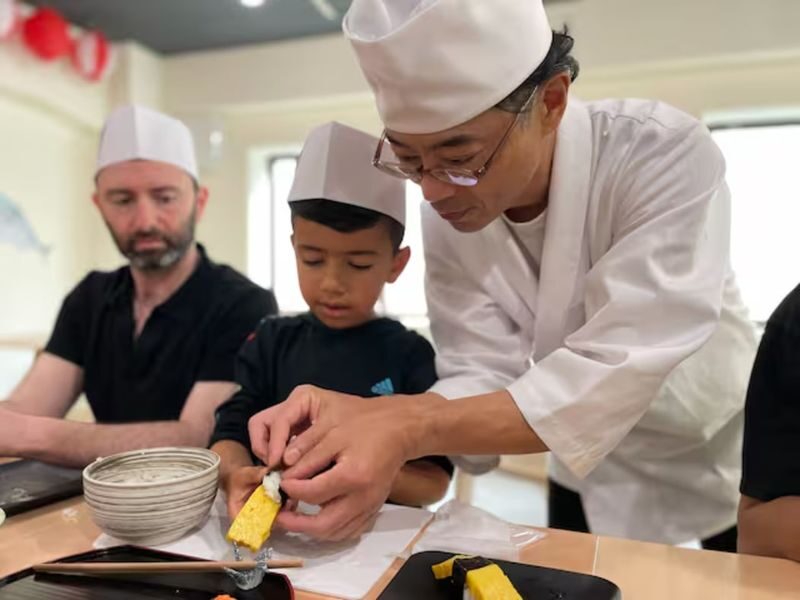
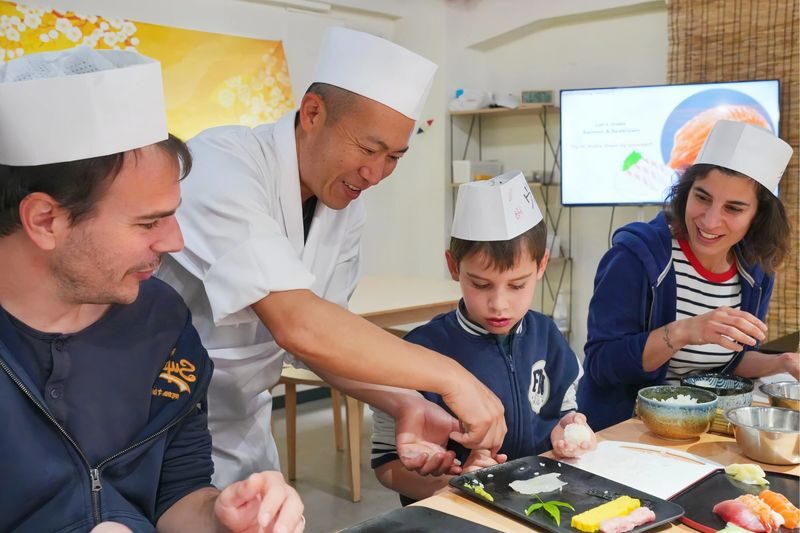
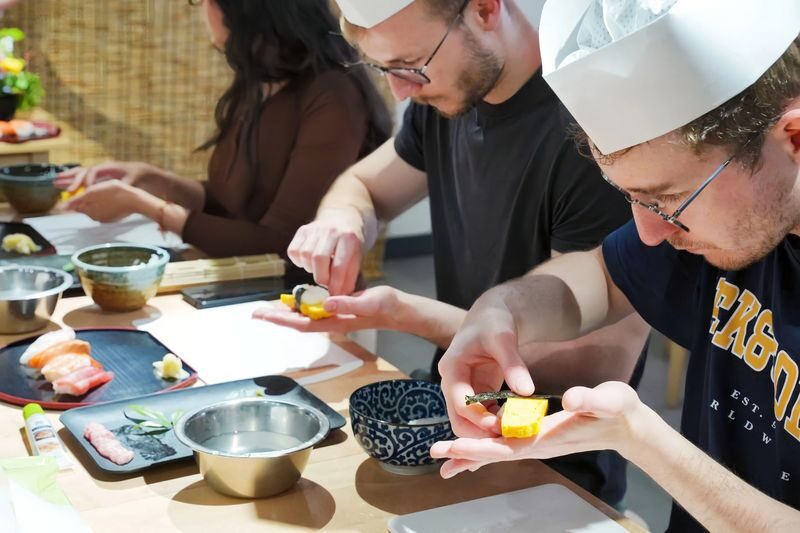
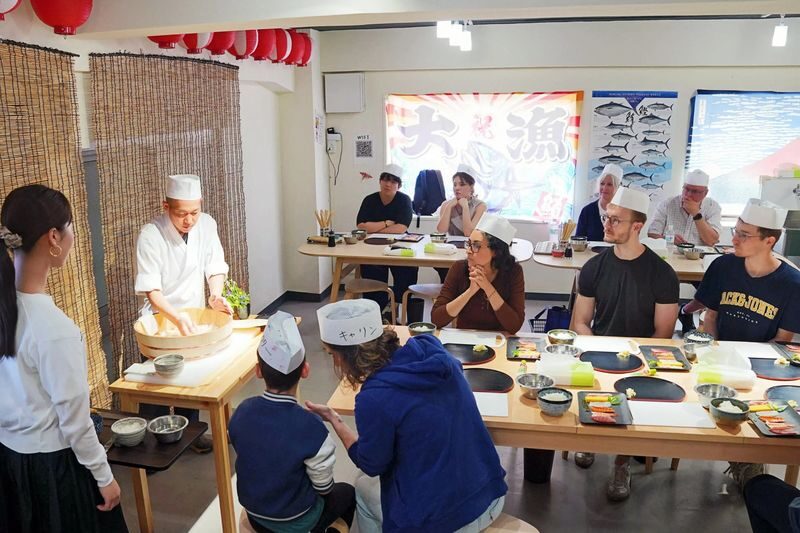
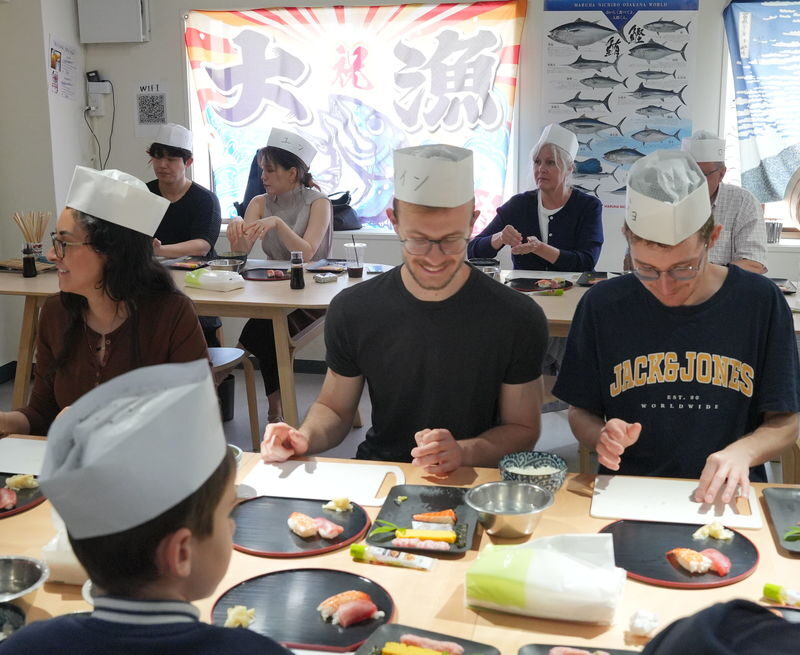
- The sushi class is hands-on: Learn from a professional sushi master, see a live fish-cutting demonstration, and practice making sushi yourself.
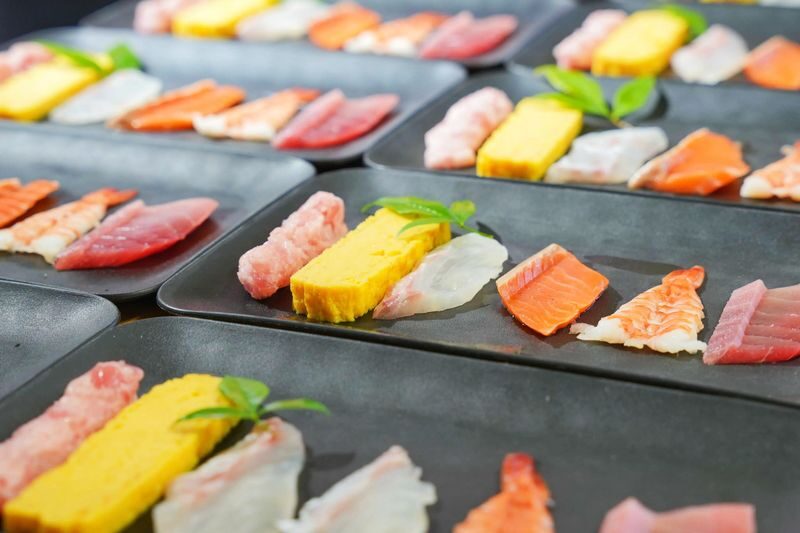
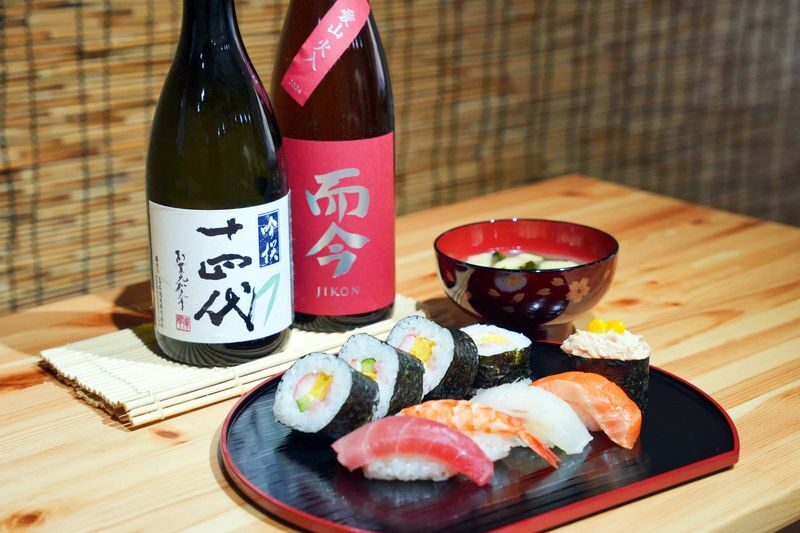
- Lunch is part of the experience: Make five pieces of nigiri and one roll, with dashi soup and some sushi prepared by the master also included.
- Dietary options are available: Vegetarian and gluten-free menus are offered, making it possible for people with different diets to join the same activity.
- It ends in the market area: The meeting point is at the temple’s main gate, while the stated return point is Tsukiji Outer Market.

👉 See our pick of the Our Picks For The 11 Best Workshops & Classes In Tokyo
Start at Tsukiji Hongan-ji Temple
The meeting point is the main gate of Tsukiji Hongan-ji Temple, at 3-15-1 Tsukiji. This matters: map directions can lead to the back of the temple, so head for the main gate at the front instead. Arrive 15 minutes before your selected start time. The available departures are 8:30 a.m. and 11 a.m., and late arrivals or no-shows are not refundable.
The temple stop lasts about 15 minutes. Its Indian-inspired architecture gives you a quick change of scene before the market, and your guide introduces its Buddhist history and key features. It is a short orientation, not a full temple visit, so think of it as a useful opening chapter rather than the main event.
From there, the tour moves into Tsukiji Outer Market. The temple and market are close enough to make a natural pairing, and starting with a little context helps you see the market as more than a row of food stalls. You’ll hear about its history and the role it plays in supplying ingredients to Tokyo’s kitchens.
You can also read our reviews of more guided tours in Tokyo


Read Tsukiji Outer Market with a local guide
The market portion lasts about 90 minutes. You’ll walk among the stalls, see fresh ingredients, and get a closer look at the work of local artisans. The tour is designed to explain what you’re seeing, rather than leave you to guess your way through a busy food market.
That guidance is useful even if you’ve visited food markets elsewhere. Tsukiji is a working market as well as a place to browse, and the tour puts the ingredients in context before you sit down to make sushi. You can look closely, ask questions, and notice the variety of produce and seafood on offer. The specific stalls and ingredients may vary, so it’s best to treat the walk as an introduction to the market rather than a fixed shopping list.
There is a practical limit to the market stop: 90 minutes is enough for a guided overview, but not a long, leisurely browse. If you want to shop or sample more on your own, plan to return after the tour. The activity’s stated return point is Tsukiji Outer Market, which makes that an easy possibility, though your own time afterward is not included.
Watch the fish-cutting demonstration, then take a turn
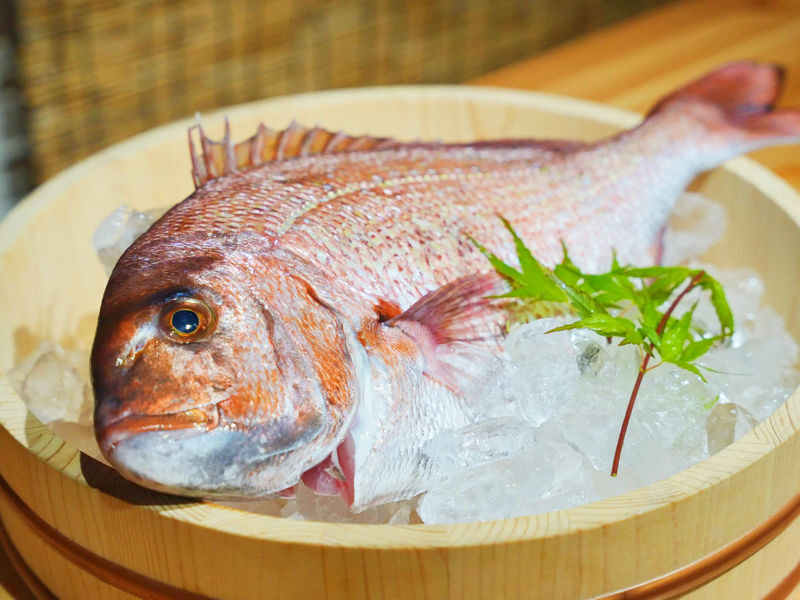
The class is the heart of the experience. A professional sushi master demonstrates how to prepare fish with Japanese knives, giving you a close view of a skill that is easy to miss when you order sushi at a counter. The cutting demonstration adds a practical lesson to the market walk: the ingredients you have just seen require technique and care before they become lunch.
You’ll also get to work with traditional tools. One is a sharkskin grater for preparing wasabi. Another technique is shari-kiri, which relates to working with sushi rice. These details make the class more than a simple assembly session. They help you notice that sushi depends on the rice, the tools, and the handling of each ingredient, not just the fish on top.
The class is led by an English-speaking host and a local professional sushi master who welcomes questions. No individual guide or chef names are provided, so you can’t request a specific instructor. What is clear is that the lesson is intended to be family-friendly and includes history, trivia, and lesser-known facts alongside the practical instruction.
You don’t need to arrive already knowing how to make sushi. The point is to follow the master’s instruction and try the steps yourself. This makes the activity a good fit if you enjoy learning by doing, and a less natural choice if you’d rather spend the whole morning eating and browsing without a scheduled class.
Make five nigiri and one roll for lunch
You’ll make five different nigiri sushi and one rolled sushi, using fresh ingredients and utensils sourced from the market. That is a generous amount of participation for a class, and it gives you a proper lunch rather than a single sample at the end. The sushi master also provides some sushi, and dashi soup is included.
There’s value in making the food you eat. You can see how the rice and toppings come together, then sit down to a meal that connects directly to the earlier market visit. It is not a full-day culinary course, but the sequence gives the ingredients a story: first you see them at the market, then you learn how a professional handles them, and finally you make your own sushi.
Local sake and soft drinks are available to buy on-site. They are not included in the price, so budget for a drink separately if you want one. Other personal expenses are also excluded.
Vegetarian and gluten-free menus are available, which makes this tour more accommodating than a sushi activity built around seafood alone. If you have dietary needs, check the menu details when booking rather than assuming every ingredient or preparation method will suit you. The information confirms that these menu options exist, but does not specify their exact contents.
How the four-hour format affects your day
The activity takes about four hours, with roughly 15 minutes at the temple, 90 minutes in the market, and 90 minutes for the sushi class, plus time moving between stops. You can choose an 8:30 a.m. or 11 a.m. departure. The stated return options are 12:30 p.m. or 3:30 p.m., depending on the departure you choose and the itinerary’s duration.
That makes it easy to fit into a Tokyo day without giving up the whole day. The morning option leaves the afternoon open, while the later start suits a slower morning. Do check the return time attached to your selected departure when booking, since the options vary.
The schedule may shift with traffic or weather. The tour does not include transport to or from the meeting point, so you’ll need to arrange your own way to the temple and onward from the market. Give yourself extra time to find the main gate, especially if you’re unfamiliar with the area.
There is no age limit, and infants and children must be included in the passenger headcount. That makes the experience available to families, though the long walk, close-up fish preparation, and focused class are worth considering for your own children. A five-star rating from two published reviews includes one brief account of a family outing and another describing the activity as fun and interesting. That is encouraging, but the small number of ratings is not enough to predict how every family will find it.
You can also read our reviews of more shopping tours in Tokyo



Is $123.75 fair value?
At $123.75 per person, this costs more than a market stroll or a basic cooking class alone. You’re paying for a guided market visit, the temple introduction, English-language hosting, professional instruction, ingredients, utensils, a live fish-cutting demonstration, and a lunch you help prepare. Dashi soup and some sushi made by the master are included too.
The price is easiest to justify if you want both parts: local context at Tsukiji and a structured sushi lesson. If you only want to see the market, you may prefer to go independently and spend your budget on food or shopping. If you only want to learn sushi, compare it with a class that skips the market walk. Similar Tokyo activities include shorter Tsukiji sushi classes, private lessons, and classes focused on sushi rolls, so the right choice depends on how much time you want to spend exploring before you cook.
Keep the extras in view. Transport, drinks, and personal purchases are not covered. This is a planned, guided activity, not an all-inclusive day out, but the combination of market tour and meal gives the price a clear purpose.
Who should book this experience
I’d consider this tour if you’re curious about how sushi is made and want a guide to help you read Tsukiji before lunch. It also suits families looking for a shared activity, since the class is described as family-friendly and there is no age limit. Vegetarian and gluten-free menu options make it more flexible for groups with different dietary needs.
It may not suit you if you want a long, unstructured market visit, need the lowest-cost way to see Tsukiji, or prefer not to follow a set schedule. The market stop is about 90 minutes, and the class takes another 90. You’ll have less freedom to linger than you would exploring on your own, but you gain instruction and a meal that are difficult to reproduce with a casual walk.
Should you book it?
Book this if you want a half-day that joins market history with practical sushi making, and you’re happy to pay for an instructor-led experience. The fish-cutting demonstration, sharkskin wasabi grater, and chance to make five nigiri and a roll give the class more substance than a quick cooking demo.
Skip it if your priority is free time, independent browsing, or a lower price. For everyone else, this is a focused way to connect Tsukiji’s ingredients with the food on your plate. Choose your departure carefully, confirm the dietary menu that fits your needs, and go to the temple’s main gate rather than the back entrance.
Tsukiji Fish Market Guided Tour & Sushi Making with Pro Chef
FAQ
Where does the tour meet?
Meet at the main gate at the front of Tsukiji Hongan-ji Temple, 3-15-1 Tsukiji, Chuo City, Tokyo. Map directions may point to the back of the temple.
What departure times are available?
The available departure times are 8:30 a.m. and 11 a.m. Select your time when booking and arrive 15 minutes early.
How long does the tour last?
The activity takes about four hours. The schedule includes a 15-minute temple visit, about 90 minutes at Tsukiji Outer Market, and a 90-minute sushi-making class.
What food is included?
You make five different nigiri sushi and one rolled sushi for lunch. Dashi soup and some sushi prepared by the master are also included.
Are vegetarian and gluten-free menus available?
Yes. Vegetarian and gluten-free menus are available. Check the menu details when booking if you need to confirm specific ingredients.
Are drinks included?
No. Local sake and soft drinks are available to buy on-site, but drinks are not included in the tour price.
What is the cancellation policy?
You can receive a full refund if you cancel at least 24 hours before the activity date, using the destination’s local time.