Zenko-ji is more than a temple stop on this two-day outing. You get time to understand its place in Nagano’s story, witness a goma prayer fire ceremony, and spend the night within the temple complex instead of rushing back to the city.
I like the way the day links religious traditions with everyday local culture: oyaki dumplings, sake, and a hands-on matcha experience. I also like that the overnight stay includes a vegetarian dinner and breakfast, giving you a taste of temple lodging rather than just a guided walk.
The main consideration is the pace and the setting. You’ll carry your luggage for part of the walking tour, share bathing and toilet facilities at the shukubo, and need to be back at the lodging by 20:00. This is a cultural stay, not a hotel night with all the usual conveniences.
- What makes this Zenko-ji stay special
- Oyaki, sake, and a gentle start in Nagano
- Entering the Zenko-ji complex
- Making matcha at Tsumugi
- Sleeping at a shukubo
- An optional early start at O-Asaji
- What the price includes, and what it leaves out
- Who will get the most from this tour
- Should you book it?
- FAQ
- Where does the tour start?
- Is the tour in Tokyo?
- How long is the experience?
- What meals are included?
- What is the temple lodging like?
- Is the morning service included?
- Are other Zenko-ji attractions included?
- Do I need to carry my luggage?
- Is the tour accessible by wheelchair or stroller?
- The Best Of Tokyo!
- More Tours in Tokyo
- More Tour Reviews in Tokyo
What makes this Zenko-ji stay special
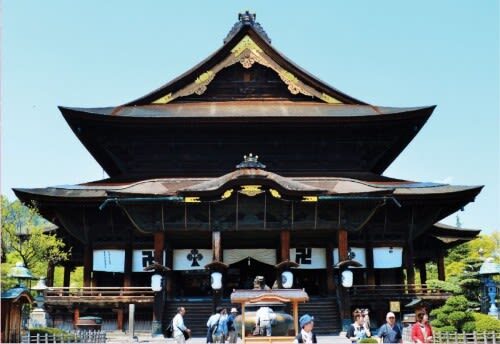
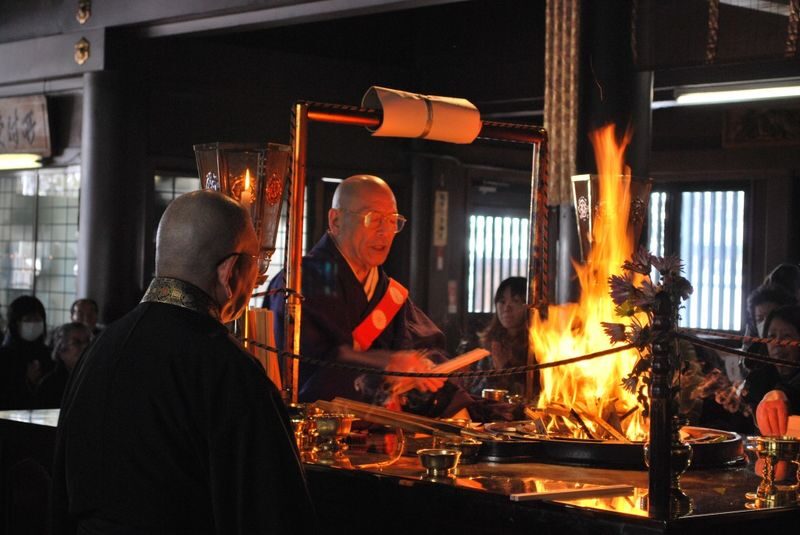
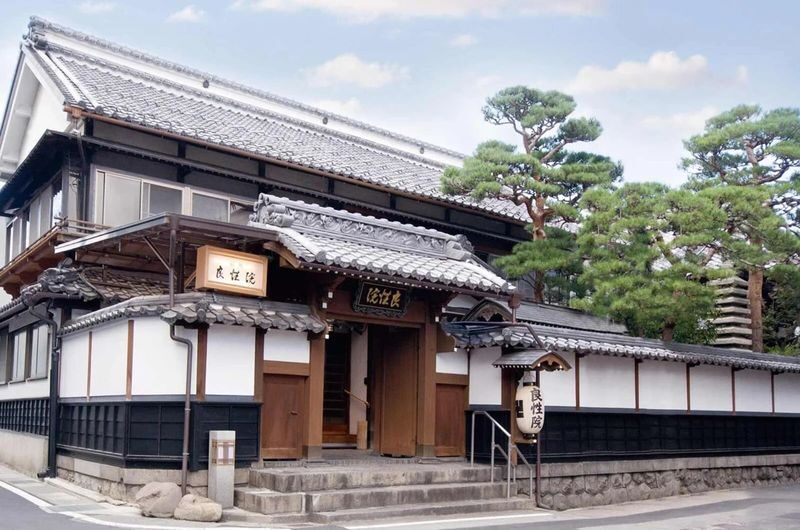
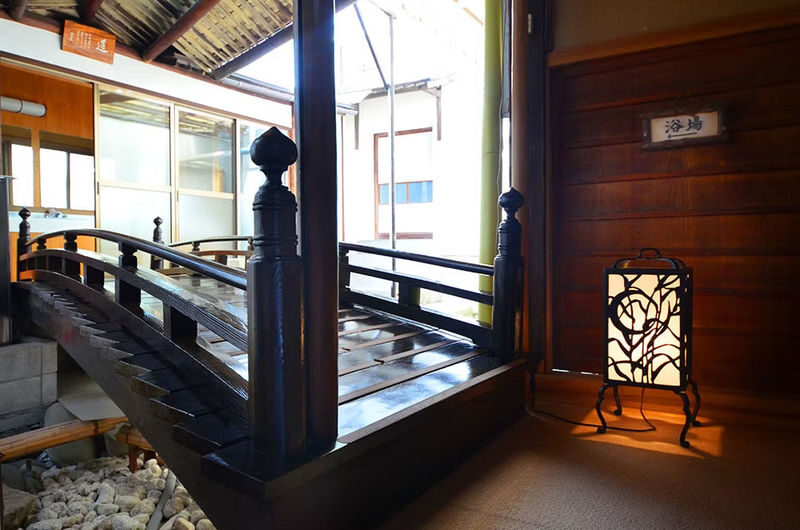
- A fire ceremony at Zenko-ji: Your guided visit includes a goma prayer ceremony, with time to explore the temple afterward.
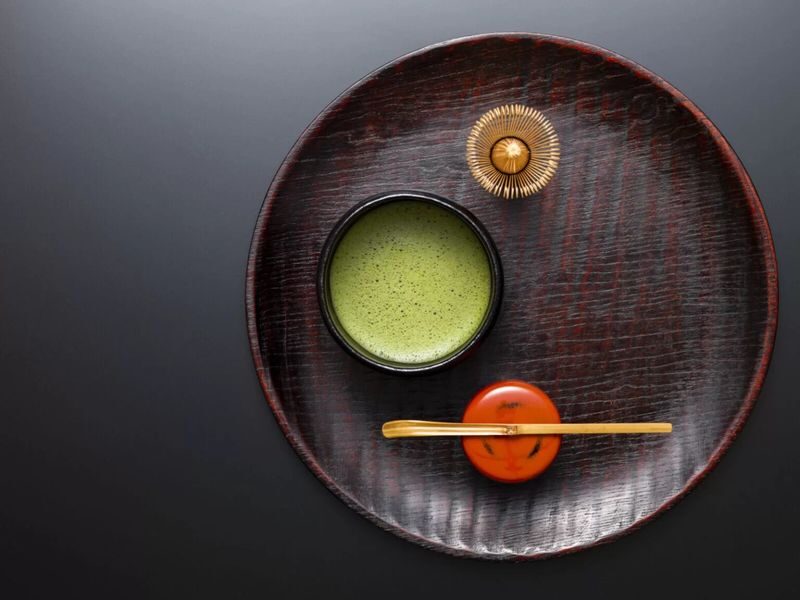
- Three local tastes in one afternoon: Try two oyaki, join a guided sake tasting, and learn to make matcha at Tsumugi.
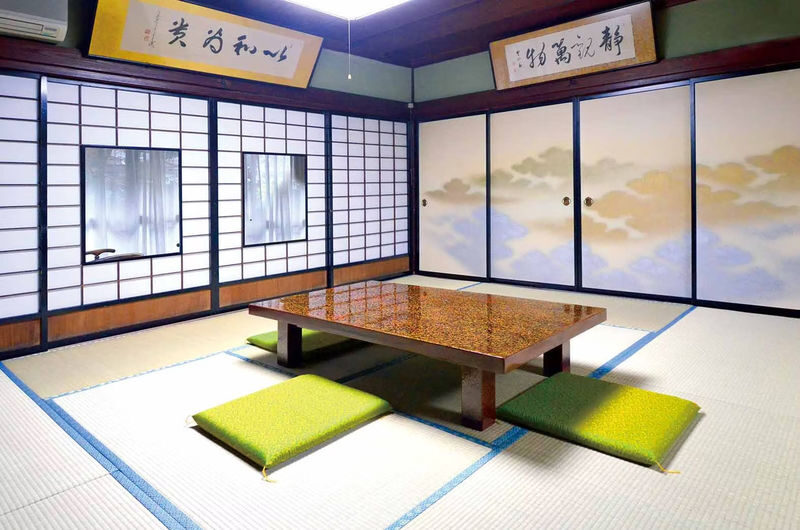
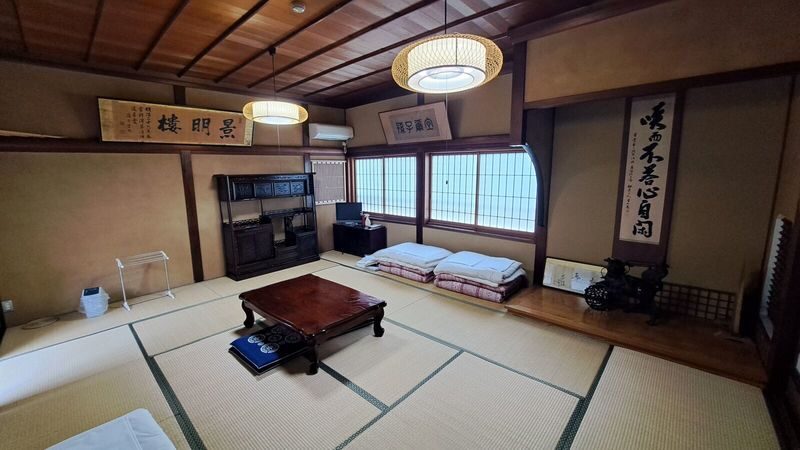
- A night inside the temple complex: Sleep on a futon in a tatami room at a traditional shukubo.
- Vegetarian meals are part of the experience: Dinner and breakfast are included, though the style and temperature of the food may not suit every palate.
- A sunrise service is an optional extra: O-Asaji is self-guided and costs JPY 600; its start time shifts with the season.
- The tour begins in Nagano, not Tokyo: You must arrange your own transport to Nagano Station.
👉 See our pick of the Our Picks For The 11 Best Workshops & Classes In Tokyo
Oyaki, sake, and a gentle start in Nagano
Meet your guide inside Nagano Station at 12:15, in front of the large information board across from the Shinkansen ticket gates. Arrive ten minutes early. The meeting point matters because this experience is based in Nagano, despite the Tokyo location label sometimes attached to it. Bullet train travel to and from Nagano is not included, so build that journey into your plans.
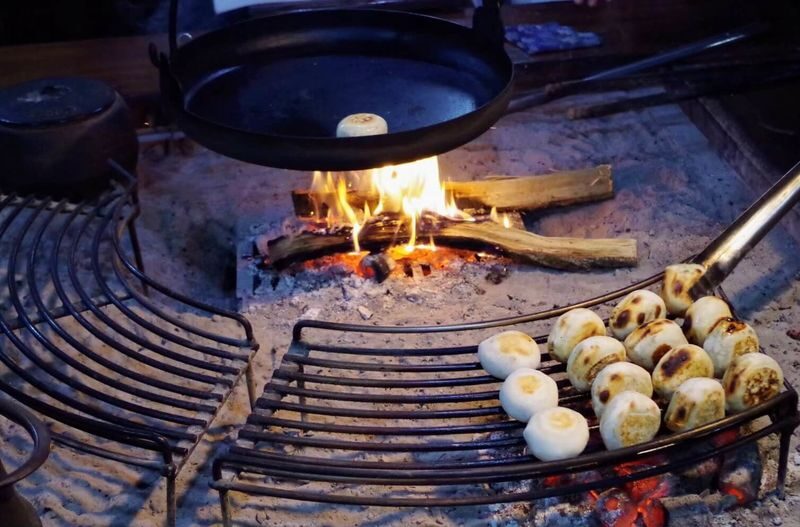
The first stop is Ogawa-no-sho for a simple lunch of two oyaki per person. These local dumplings offer a down-to-earth introduction to Nagano’s food culture before the temple visit. The portion is modest, so you may want breakfast or an earlier snack if you arrive hungry.
Next comes a sake tasting at Kantenpapa Shop Patio Daimon Store. It is guided, so you are not simply handed a drink and left to guess what you are tasting. You can ask questions and get a feel for the region’s sake. Alcohol beyond the included tasting is not covered, and any extra drinks are paid for directly.
The sequence works well: a filling local snack, a taste of sake, then the history and ritual of Zenko-ji. It also gives you a few different ways to connect with Nagano before the more formal temple portion begins.
You can also read our reviews of more tours and experiences in Tokyo.



Entering the Zenko-ji complex
Zenko-ji is nearly 1,400 years old and central to Nagano’s identity. A guided walk gives you context for the temple’s story and its place in Japanese Buddhist belief, details that are easy to miss if you arrive, look around, and leave without explanation.
The temple visit lasts about two hours and includes a goma prayer fire ceremony. This is one of the day’s defining moments: a ritual experience within the temple visit, rather than a sightseeing stop that keeps you at arm’s length from religious practice. You also have some free time to look around before checking in at the shukubo.
The tour price includes admission to the goma ceremony, but not to other paid attractions at Zenko-ji. The Kaidan Meguri underground passage, Sanmon gate, and O-Asaji morning service all cost extra. One useful tip is to consider the underground passage if you want to add another distinctive temple experience, but check the current fee and timing locally.
Guides have included Shawn, Kevin, and Joyce. The guide’s role matters here: the temple is easier to appreciate when someone explains its history and customs, and the English-speaking guides have been praised for being prepared, helpful, and engaging without overwhelming the visit with facts. The fire ceremony also leaves room for questions, with a monk having taken time to answer them on one tour.
Making matcha at Tsumugi
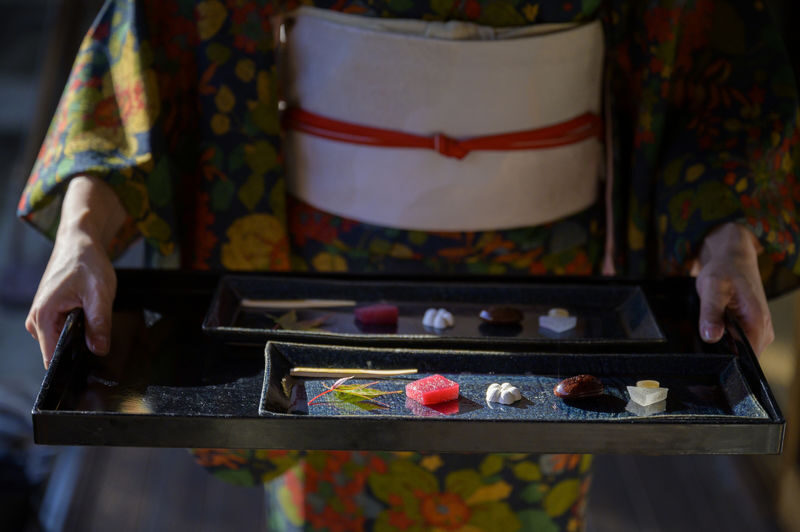
At about 16:00, the group heads to Tsumugi for a tea experience that blends Japanese tradition with a modern style. You make your own matcha, rather than only watching someone else prepare it. That hands-on element gives the afternoon a change of pace after the temple walk.
The setting is a local restaurant, and the people who run it have been described as warm and welcoming. The experience is less about a formal performance for an audience and more about learning through doing. If you are expecting a long, highly ceremonial tea lesson, keep your expectations measured: the scheduled experience is a compact part of a busy day.
The guide says goodbye after the tea activity. Before that, the guide helps you check in at the shukubo and explains how the stay works. It is worth paying attention to those practical instructions, since the evening follows the lodging’s schedule rather than a hotel’s flexible routine.
Sleeping at a shukubo
The overnight stay is the part that turns this from an afternoon tour into a fuller cultural visit. You sleep in a standard Japanese-style room with tatami mats, low furniture, and futon bedding. The arrangement is traditional and simple, not a Western-style hotel room.
Toilets and bathing facilities are shared. The lodging asks you to bathe between 17:00 and 20:00, and to return for the evening by 20:00. Dinner is served at 18:00. Check-in is available from 15:00, while checkout is by 10:00 the next morning.
Those hours shape your evening, so plan around them. This is not the right stay if you want to wander late, use private facilities, or keep an unpredictable schedule. If you are comfortable adapting to house rules, the temple setting can make the night feel like part of the visit rather than simply a place to sleep.
Dinner and breakfast are traditional vegetarian meals. They are included in the price, and the food can be a highlight; one shukubo host, Midori-san, was remembered for being especially helpful, and the meals were described as delicious. But food is personal. One diner found the dishes attractive but not to their taste, partly because many items were served cold. If you are particular about meal style or temperature, keep that in mind.
Alcohol is available at the lodging but is not included. Pay the accommodation directly if you want a drink with dinner.
An optional early start at O-Asaji
The next morning, you can attend O-Asaji, Zenko-ji’s morning service in the main hall. It is self-guided, just a short walk from the temple lodging, and takes place around sunrise. The stated window is 6:30 to 7:30, but the start time changes with the season. Admission costs JPY 600 and is not included.
This is a good choice if you want another look at the temple before leaving, and you are happy to set an early alarm. It is optional, so you can also sleep in and enjoy breakfast instead. Breakfast is served between 7:30 and 9:00, and checkout is by 10:00.
The second morning is not guided. After checkout, you are free to explore the area or head onward on your own. That flexibility is useful, but it also means you should not expect a guide to lead you through additional sights on day two.

What the price includes, and what it leaves out
At a starting price of $250.99, the value comes from bundling several pieces that would otherwise take planning: an English-speaking guide, the temple tour and goma ceremony, two oyaki, a guided sake tasting, the matcha activity, one night at a shukubo, dinner, and breakfast. You are paying for a broad cultural day and a night in a distinctive setting, not simply a two-hour temple tour.
The listed duration of two hours can be confusing. The experience runs over two days, from a 12:15 departure on day one to checkout at 10:00 on day two. The two-hour figure refers to the guided Zenko-ji portion, not the full stay.
Your largest extra cost is getting to Nagano and returning from it. Shinkansen fares are excluded, as are optional temple attractions, the morning service, additional drinks, and personal expenses. Add those costs before comparing the tour with a standard hotel stay or a self-guided temple visit.
The walking format also affects what you should bring. You carry your luggage for part of the route until the group reaches the accommodation, around an hour into the tour. You should not need to carry it for more than ten minutes at a time, and you can set it aside at the food and sake stops. If that would be difficult, contact the operator in advance to ask whether luggage can be sent to the lodging. Nagano Station lockers are another option for bags you do not need overnight.
Who will get the most from this tour
I’d recommend this experience if you want more than a quick temple visit and are curious about how religious traditions fit into everyday life in Nagano. The mix of guided history, a fire ceremony, local food, sake, matcha, and overnight temple lodging gives you a useful range of experiences in a compact trip.
It should also suit families with children aged six and older, though children aged 13 and up pay the adult rate. The walking, shared facilities, early morning option, and fixed meal times are worth discussing with younger children before booking.
This is less suitable if you need wheelchair or stroller access, prefer private bathrooms, or want a free evening out. The activity is not wheelchair- or stroller-accessible, and the shukubo’s rules make for an early, structured night. Experiences are subject to availability, so specific stops may need to change if a partner venue cannot host the group.
Should you book it?
Book this if the appeal is the combination: a meaningful introduction to Zenko-ji, a chance to try local food and sake, hands-on matcha, and a night within the temple complex. The strongest value is in the way those parts fit together, with the guide providing context and the lodging extending the visit beyond daylight hours.
Skip it if you mainly want a comfortable hotel stay, a late night, or a temple visit at your own pace. For the right person, the shared facilities and early schedule are reasonable trade-offs for a rare night at a shukubo. For everyone else, a daytime visit to Zenko-ji may be the better fit.
Tea Experience and Zenkoji Tour with ‘Shukubo’ Temple Lodging Stay
“Let's start by saying that Shawn was an excellent guide, kind, friendly, and helpful. Then the rest, the Zenkoji temple, the fire ritual, and the t…”
FAQ
Where does the tour start?
Meet your guide inside Nagano Station, in front of the large information board across from the Shinkansen ticket gates. The departure time is 12:15, and you should arrive ten minutes early.
Is the tour in Tokyo?
No. The tour departs from Nagano Station and visits Zenko-ji in Nagano. Transport to and from Nagano is not included.
How long is the experience?
It runs over two days, from 12:15 on the first day until checkout by 10:00 the next morning. The two-hour duration refers to the guided Zenko-ji visit.
What meals are included?
The tour includes two oyaki for lunch, a vegetarian dinner at the shukubo, and vegetarian breakfast the next morning. Extra alcohol is not included.
What is the temple lodging like?
You stay in a standard Japanese-style room with tatami mats, low furniture, and futon bedding. Toilet and bathing facilities are shared.
Is the morning service included?
No. O-Asaji is optional, self-guided, and costs JPY 600. It takes place around sunrise, with the time varying by season.
Are other Zenko-ji attractions included?
No. The goma prayer fire ceremony is included, but paid attractions such as Kaidan Meguri and Sanmon are not.
Do I need to carry my luggage?
You carry it for part of the walking tour until the group reaches the accommodation, usually around an hour into the tour. Nagano Station lockers are available, and you can ask the operator in advance about arranging luggage transport.
Is the tour accessible by wheelchair or stroller?
No. The activity is not wheelchair- or stroller-accessible.