Kintsugi turns a break into part of a pot’s story. In this one-hour Shinjuku workshop, you choose a plate, work gold powder into its cracks, and leave with a keepsake you made yourself. I like the mix of hands-on making and a short introduction to the art’s history, and the freedom to use as much gold powder as you like.
I also like that it fits neatly into a day in Tokyo: the studio is in Kabukicho, near food and shopping, and you can take your finished plate home the same day. One thing to keep in mind: this is a short, guided souvenir-making session, not an extended course in traditional restoration techniques. If you want a deep technical study, an hour will feel brief.
- Key points to know
- What the one-hour workshop is really like
- Choosing a plate and making it yours
- The staff and the small cultural lesson
- Shinjuku views, location, and other activities
- Timing, price, and what you get
- Who should book this workshop
- Should you book it?
- FAQ
- How long does the kintsugi workshop last?
- Where is the workshop held?
- How do I find the studio?
- What start times can I choose?
- What is included in the price?
- Can beginners take part?
- What is the minimum age?
- Can I take my plate home the same day?
- Do I need to speak Japanese?
- What is the cancellation policy?
- The Best Of Tokyo!
- More Workshops & Classes in Tokyo
- More Tours in Tokyo
- More Tour Reviews in Tokyo
Key points to know
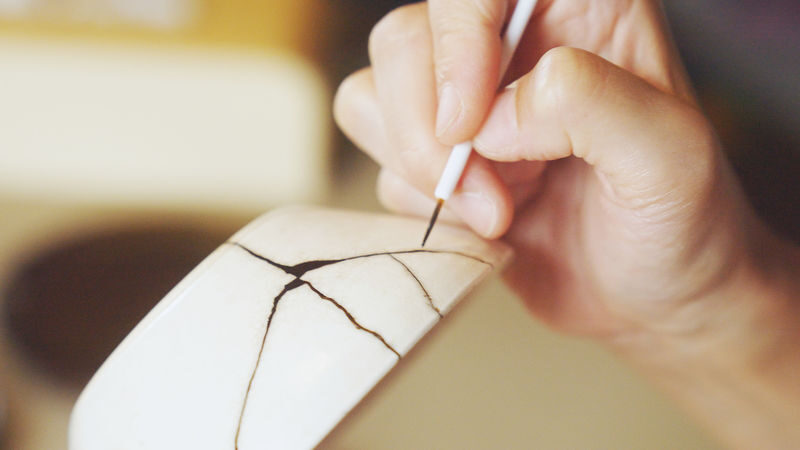
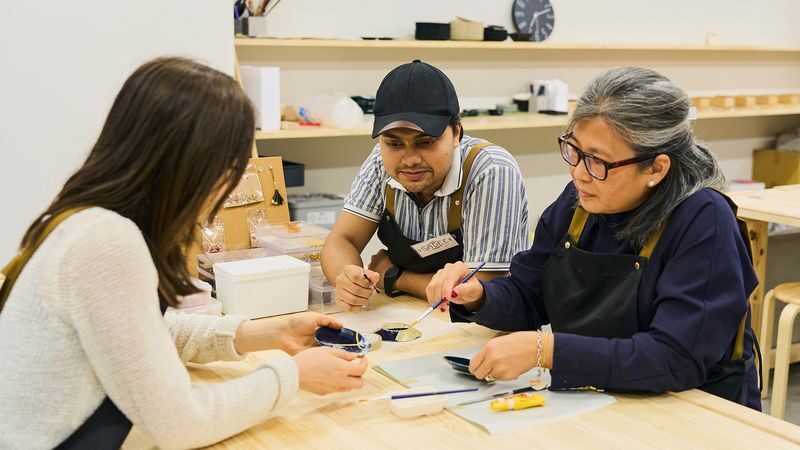
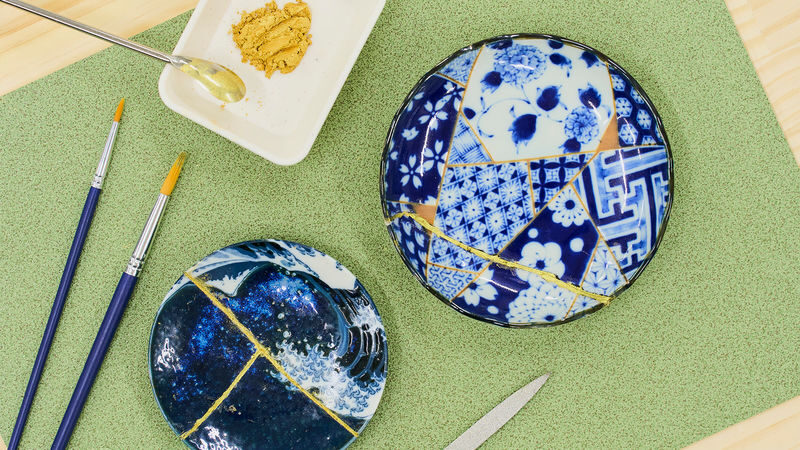
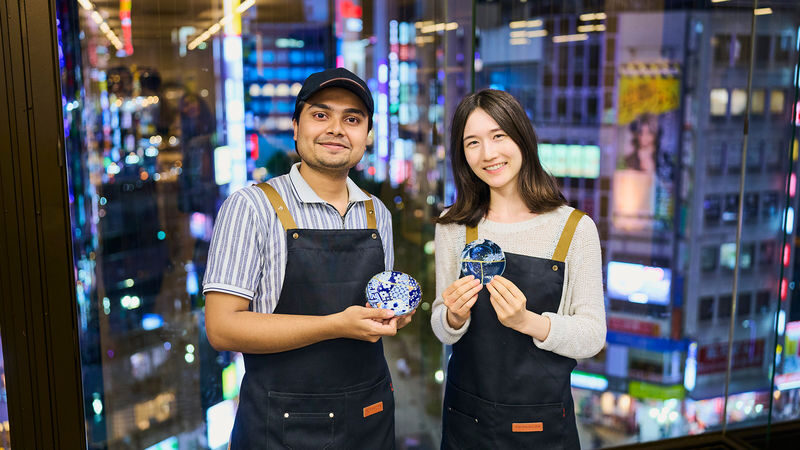
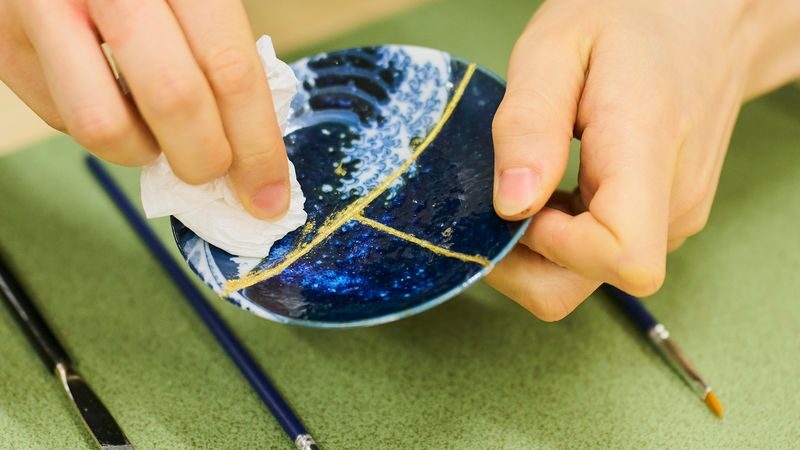
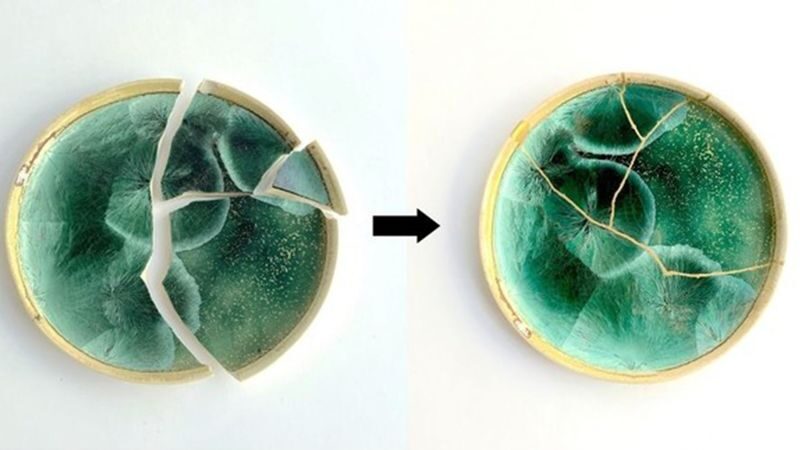
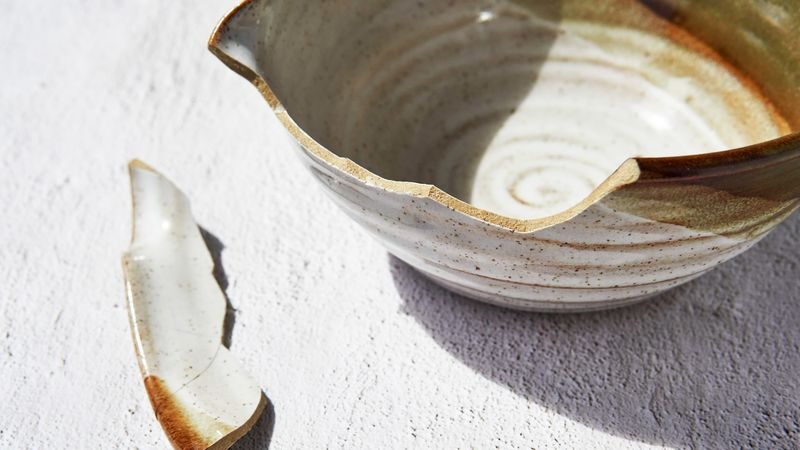

- Choose your own plate: The workshop lets you pick a piece and personalize its design.
- Make a gold-accented repair: Use gold powder to decorate the cracks, with staff there to guide you.
- Take your work home that day: No waiting for a long curing period is specified for this activity.
- Get a little cultural context: The introduction connects kintsugi with Japan’s samurai-era past.
- Find the studio on the eighth floor: Go to Chopsticks Studio Shinjuku in the Higashi Building, Kabukicho.
👉 See our pick of the Our Picks For The 11 Best Workshops & Classes In Tokyo
What the one-hour workshop is really like
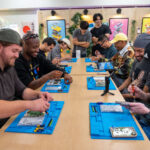
The heart of the activity is simple and appealing: select a plate, then make its repaired lines your own. Rather than watching a demonstration from the sidelines, you work on a piece with help from the English- and Japanese-speaking staff. Beginners and families are welcome, and participants must be at least six years old.
The creative freedom is part of the point. You can use as much gold powder as you like, so your finished piece can have a restrained line or a more eye-catching design. Staff provide guidance, but the final look is yours. If you are making the activity with a child, that room for personal choices can make the hour feel like their project rather than a paint-by-numbers souvenir.
Kintsugi is the Japanese art of repairing broken pottery with gold. The workshop includes some background on its history, with roots dating to Japan’s samurai era. That context gives the craft a little more meaning than simply adding decoration to a plate: a crack is not hidden, but made part of the object’s appearance.
It is worth keeping expectations in proportion. The session lasts 60 minutes, so it is designed as a practical introduction and a take-home activity, not a long lesson in every method used by specialist restorers. The details of the materials and the finished plate’s care or food use are not specified. If you hope to use your piece for serving food, ask the staff before you begin.
You can also read our reviews of more tours and experiences in Tokyo

Choosing a plate and making it yours
You are invited to choose a favorite plate and make it your own. That small choice matters: a souvenir you select and decorate can feel more personal than an item picked up from a shop shelf. The workshop’s description focuses on plates, though some participants have also finished bowls, so confirm the available pieces when you arrive if you have a particular shape in mind.
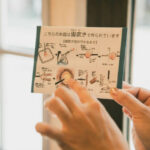
The staff guide you through the process and offer help as needed. The useful balance is that you get to do the work yourself without being left to guess at each step. The activity is meant for beginners, and English-speaking support is included, so you do not need previous craft experience or Japanese.
You will have gold powder for the design, with no stated limit on how much you may use. That can be liberating if you like a bold finish, though it is also a reason to pause and plan your lines. A little thought before you start can help you avoid turning every crack into a gold highway.
The finished plate is yours to take home the same day. That makes this an easy fit for a short Tokyo visit: you do not need to return on another day to collect your work. Pack it carefully for the rest of your trip, and ask the studio for handling advice before leaving.
The staff and the small cultural lesson
Friendly, attentive instruction is central to the experience. Staff are described as helping with the steps, answering questions, and giving participants enough support to finish their pieces. The class also draws people from different countries, which can add a social feel without taking the focus away from your own work.
Mayo, Rio, Aoi, and Narel are among the staff names connected with kintsugi sessions. You should not assume a particular person will be your instructor, but the practical point is reassuring: the class is set up for clear guidance, not for you to work out the technique alone.
The historical explanation is short rather than an academic lecture. If you are especially interested in the craft’s history or technical methods, ask questions while you work. One participant found the history and technique could have used more explanation, so it is sensible to speak up if you want more than the basic introduction.
Shinjuku views, location, and other activities
The studio is at Chopsticks Studio Shinjuku, on the eighth floor of the Higashi Building at 1-5-4 Kabukicho, Shinjuku City. There is a liquor shop selling premium whisky and other spirits on the first floor; take the elevator up to the eighth. The location is described as easy to find and convenient for nearby food and shopping.
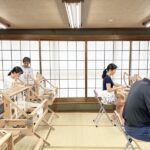
The studio’s Shinjuku views and airy, naturally lit room add something pleasant to an indoor craft session. They are a bonus, not the main event: the focus is on your plate and the people helping you make it. If you are looking for a calm break from sightseeing, an hour indoors can be welcome, especially on a rainy day.
Chopstick making and calligraphy are also offered at the studio. That gives you the option of pairing this workshop with another traditional activity, though each is a separate experience. Some people choose to return for kintsugi after trying chopstick making, but you do not need to book both to enjoy this session.
Timing, price, and what you get
The workshop lasts 60 minutes, and the advertised starting price is $15.80. For that price, you get admission to the class, English- or Japanese-speaking guidance, a plate to personalize, and a same-day souvenir. That is good value if you want a hands-on activity and a keepsake, rather than a long class or a premium piece of finished pottery.
The available start times are 10:00, 12:00, 14:00, 16:00, and 18:00. Choose your time when booking and arrive for that session. The return-time options are shown as 11:30, 13:30, 15:30, 17:30, and 19:30, with availability depending on your selected start time and the itinerary duration.
This is a meet-up activity at the studio. The listing’s return details do not mean hotel transport is included; transport is not listed among the inclusions. Your mobile voucher is accepted, and confirmation is typically issued within minutes. The voucher is valid only on the date you book. You can cancel for a full refund if you do so at least 24 hours before the activity, using Japan local time.
The $15.80 starting price is not necessarily the final price for every date or booking. Check the amount shown for your chosen session, and check what is included before paying. Personal expenses beyond the workshop are not included.



Who should book this workshop
This is a good pick if you want to make something in Tokyo rather than spend another hour looking at things behind glass. It suits first-time crafters, families with children aged six or older, solo visitors, and anyone drawn to the idea of turning a break into a visible part of a design.
It is also a practical choice for a tight itinerary. You spend an hour at the studio, leave with the piece the same day, and are close to Shinjuku shops and places to eat. The experience can be social, but the project is personal, so you do not need to arrive with a group or a set design.
Skip it if your main goal is an in-depth course on traditional kintsugi or professional repair methods. The short format puts the emphasis on trying the art, receiving guided help, and taking home a unique object. For many visitors, that is exactly the right scale of craft class.
Should you book it?
Book this workshop if you want a compact, hands-on Tokyo activity with a personal souvenir at the end. Its strongest points are the friendly guidance, the freedom to design with gold powder, and the fact that your plate goes home with you that day.
Go in expecting a beginner-friendly introduction, not specialist training. If that sounds right, the Shinjuku location, one-hour length, and starting price make it an easy activity to fit between other plans.
Tokyo: Japanese Gold Repair Kintsugi Workshop in Shinjuku
“The Kintsugi class was amazing! All the staff were very friendly and helpful with teaching us. We even learned some of the history behind the art….”
FAQ
How long does the kintsugi workshop last?
The workshop lasts 60 minutes.
Where is the workshop held?
It takes place at Chopsticks Studio Shinjuku, 8th Floor, Higashi Building, 1-5-4 Kabukicho, Shinjuku City, Tokyo.
How do I find the studio?
Look for the Higashi Building. There is a liquor shop on the first floor, and the studio is on the eighth floor. Take the elevator up.
What start times can I choose?
The listed start times are 10:00, 12:00, 14:00, 16:00, and 18:00. Choose the time you want when booking.
What is included in the price?
The activity includes admission to the 60-minute workshop and an English- or Japanese-speaking guide. Other personal expenses are not included.
Can beginners take part?
Yes. Beginners are welcome, and staff provide guidance during the process.
What is the minimum age?
Participants must be at least six years old.
Can I take my plate home the same day?
Yes. The activity description says you can take your restored plate home the same day.
Do I need to speak Japanese?
No. English- and Japanese-speaking staff are included.
What is the cancellation policy?
You can receive a full refund if you cancel at least 24 hours before the activity date, using Japan local time.