Tokyo’s sushi counters can make a meal feel like a performance you’re not quite sure how to join. At SAMURAI SUSHI TOKYO, you get to work with the ingredients yourself: chef Riku teaches three styles of Edo-style sushi, while Rin explains the steps in English. You’ll learn by making nigiri, maki, and gunkan, then enjoy high-quality fish as part of the experience.
I like two things in particular: the small, private setting, which can host up to 10 people, and the mix of hands-on practice with explanations of sushi history and Japanese culture. Rin’s clear presentation and Riku’s professional instruction make this a good fit even if you’ve never shaped sushi before.
One consideration: the details don’t give a workshop duration, and the starting price of US$75.69 may feel steep if you’re looking only for a quick cooking lesson. You’re paying for expert instruction, quality ingredients, and a personal class, so it makes most sense if you value all three.
At a glance
- Three sushi styles: Make nigiri, maki, and gunkan, each with its own form and handling.
- Personal teaching: Chef Riku leads the sushi instruction, with Rin providing English-language explanations.
- Up to 10 people: A private, cozy workshop keeps the group small.
- High-quality fish: Ingredients are carefully selected and prepared, and the class includes tasting fish.
- A little more than technique: The lesson also covers sushi history and Japanese culture.
- Easy to reach: The studio is a five-minute walk from Hiroo Station, Exit 1C.

👉 See our pick of the Our Picks For The 11 Best Workshops & Classes In Tokyo
- At a glance
- A hands-on introduction to Edo-style sushi
- Nigiri, maki, and gunkan at the worktable
- What makes the teaching personal
- Tasting the fish is part of the lesson
- A private studio in Nishiazabu
- Is the price good value?
- Who will enjoy this class most
- A few practical details before you book
- Should you book the sushi workshop?
- FAQ
- Where does the sushi-making workshop take place?
- How do I get to the studio by train?
- Which types of sushi will I learn to make?
- Who teaches the class?
- Is the workshop suitable for children?
- How many people can join the private workshop?
- What is included in the experience?
- What is the cancellation policy?
- The Best Of Tokyo!
- More Private Tours in Tokyo
- More Tours in Tokyo
- More Tour Reviews in Tokyo
A hands-on introduction to Edo-style sushi
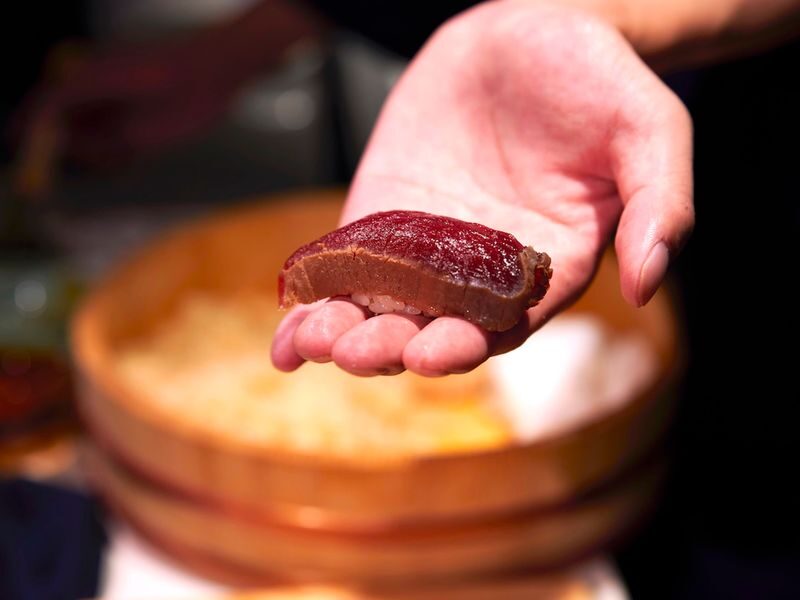
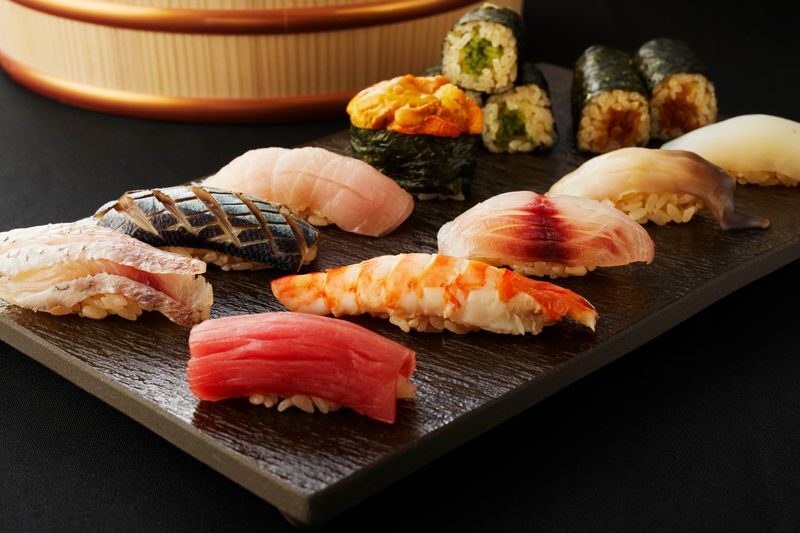
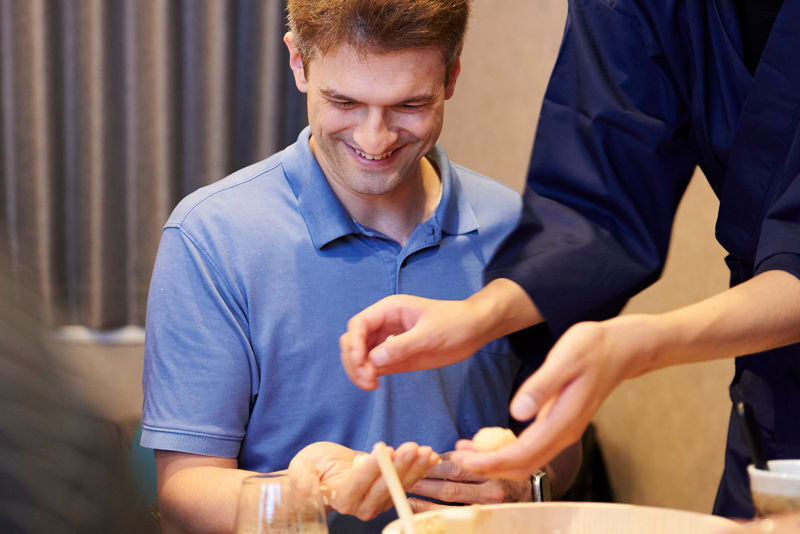
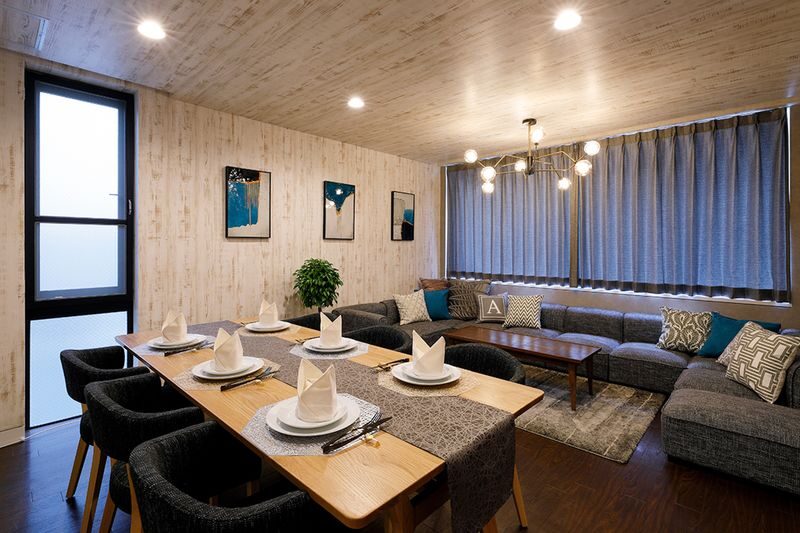
This class is a practical way to get past the familiar idea of sushi as simply fish on rice. You’ll work on three different forms: nigiri, the familiar piece of rice topped with fish; maki, sushi rolled with nori; and gunkan, the seaweed-wrapped, battleship-shaped style. Making all three gives you a useful sense of how sushi changes in shape and assembly, even within one meal.
The workshop is led by Riku, a sushi chef with experience at a Michelin-starred restaurant. Rin provides the English-speaking presentation, helping you follow the instructions and understand the cultural and historical context. That division matters: you can focus on the hands-on work without having to guess what a demonstration means or rely on gestures alone.
The available information does not set out a minute-by-minute schedule, so don’t expect a fixed sequence of timed stations. The core of the class is clear, though: instruction, practice with the three sushi types, and the chance to eat high-quality fish. You’ll leave with a more informed eye for what goes into sushi, along with techniques you can try again at home.
You can also read our reviews of more private tours in Tokyo


Nigiri, maki, and gunkan at the worktable
Nigiri is the most direct lesson in the set. It pairs rice with fish on top, so the form asks you to pay attention to how the two parts meet. With Riku guiding you through professional techniques, you can see that the task is not just placing a slice of fish on a mound of rice. The value is in learning the handling and presentation rather than merely copying a finished piece.
Maki gives you a different challenge: rice and filling are rolled with seaweed. The roll format makes it easy to see how each part comes together, and it gives you a sushi style that many people recognize from menus. You’ll have a teacher nearby to explain the steps, which is useful if your first roll looks more like a friendly experiment than a restaurant-ready one.
Gunkan, or battleship-style sushi, is wrapped in seaweed around the rice. It has a distinct shape from both nigiri and maki, so learning it rounds out the class. These three forms make a sensible introduction: rather than spending the whole session on one familiar style, you get to compare different ways of assembling sushi.
Exact fillings and fish varieties are not specified, so it’s best not to arrive expecting particular species or a set menu. What is stated is that the ingredients are carefully selected and prepared, and that the experience includes high-quality fish to taste. If you have dietary needs or want to know which ingredients will be served, contact the provider in advance rather than relying on assumptions.
What makes the teaching personal
The class combines a sushi chef’s instruction with a bilingual guide’s explanations. Riku brings professional sushi experience, while Rin helps make the presentation easy to follow in English. That’s especially useful when you’re learning a technique that depends on what your hands are doing, not just what you hear.
The teaching is described as thorough and engaging, with instructions that are easy to understand. That makes the class suitable for beginners as well as curious cooks who have made sushi before but want a clearer sense of professional methods. You’re not required to arrive with any particular skill level in the information provided, and the activity is open to participants aged 6 and older.
The class also covers sushi history and Japanese culture. That context adds value because it connects the food on your worktable to a broader tradition, rather than treating the lesson as a string of kitchen instructions. You don’t need to know the background in advance; the guide is there to explain it as you go.
Tasting the fish is part of the lesson
A sushi class should do more than teach you to shape rice. Here, tasting high-quality fish gives you a chance to pay attention to the ingredients themselves, not only the technique. The fish is described as carefully selected and prepared, and the class includes meals and beverages.
That tasting can help you connect the practical lesson to the finished food. As you make nigiri, maki, and gunkan, you’ll have a better sense of how the ingredients work in different forms. It’s a useful contrast to a standard cooking demonstration, where you might watch someone prepare food without getting to handle or taste the result.
Specific fish varieties, drink choices, and serving quantities are not listed. If you’re hoping for a particular ingredient or have an allergy, check directly before booking. Outside food and drinks are not allowed, and pets are prohibited.
A private studio in Nishiazabu
SAMURAI SUSHI TOKYO is at A-PULS 2F, 3 Chome-8-18 Nishiazabu, Minato City. The most specific transit guidance is to take the Hibiya Line to Hiroo Station and walk about five minutes from Exit 1C. The studio is also described as convenient from central areas such as Roppongi, Ebisu, Shibuya, and Shinjuku, with estimated trips of about 10 minutes by taxi or 15 minutes by train.
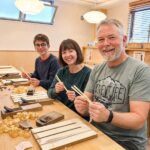
The workshop space is clean, cozy, and private, with capacity for up to 10 people. A small group can make instruction feel more direct: you have room to follow along and ask questions without the class becoming a large-scale demonstration. It’s a particularly appealing format for a family or a small group of friends who want to share an activity rather than just book separate meals.
Private bookings and lessons at your own location are also available by prior arrangement. If you have a specific group size or want an on-site lesson, contact the provider ahead of time to discuss it. The listed course is the Authentic Sushi Making Course.



Is the price good value?
The course starts at US$75.69. That is more than you might spend on a simple meal, but this is not just a sushi lunch: the price covers the workshop admission, English-speaking guidance, instruction from a chef with Michelin-starred restaurant experience, and the opportunity to make three types of sushi. Carefully prepared ingredients and fish tasting are part of the appeal, too.
Value depends on what you want from your Tokyo visit. If your priority is the lowest-cost way to eat sushi, you can find simpler options elsewhere. If you want a personal lesson that combines food, culture, and a practical skill, the price is easier to justify. A private group of up to 10 also makes the class worth considering for a family or friends who would rather learn together.
The published price is a starting amount, so check the final cost and package details when booking. The supplied details don’t state the session length, which makes it harder to compare the class directly with other activities. Confirm the timing before building it into a tightly planned day.
Who will enjoy this class most
This workshop suits first-time sushi makers, home cooks who want to sharpen their technique, and anyone curious about Japanese food culture. The English explanations make it accessible if you don’t speak Japanese, and the small private setting gives you a chance to learn at a more personal pace.
It can also work for families: children aged 6 and older pay the adult rate, while children aged 0 to 5 are free. Consider whether younger children in your group will enjoy a hands-on food lesson, and check any needs or questions with the provider before you book. The minimum participating age is 6.
If you’re mainly looking for a market visit, a long food tour, or a full meal at a sushi counter, this is a different kind of outing. Its focus is on making sushi and learning from a chef, not exploring several dining spots. Think of it as a compact cultural activity rather than a substitute for a sushi dinner.
A few practical details before you book
Arrive on time. If the provider has not heard from you within five minutes of the scheduled appointment, the booking is treated as a no-show and is not refunded. The voucher is valid only on the date and time specified, and you can present it on your mobile.
Avoid wearing strong perfume, since it can interfere with the aromas of the food. The workshop does not allow outside food or drinks, and pets are not permitted. You can cancel for a full refund if you do so at least 24 hours before the activity date, using the destination’s local time.
Should you book the sushi workshop?
Book it if you want more than a meal and would enjoy learning a hands-on skill from a professional chef. Riku’s sushi instruction, Rin’s English explanations, the three styles, and the small private setting make this a well-rounded introduction. The chance to taste carefully selected fish adds a welcome food-focused payoff.
Think twice if you need a specific class length, menu, or fish selection before committing, because those details are not provided. Ask the provider first, especially if you’re planning around other activities or have dietary needs. For a curious beginner or a small group looking for an engaging Tokyo food experience, this class is a strong choice.
Private Sushi Making with a Master Sushi Chef in Tokyo
“A great experience, Rin was a great presenter and Riku was an amazing chef! The lessons/presentation was very fun and engaging. And we learned how…”
FAQ
Where does the sushi-making workshop take place?
It takes place at SAMURAI SUSHI TOKYO, A-PULS 2F, 3 Chome-8-18 Nishiazabu, Minato City, Tokyo 106-0031.
How do I get to the studio by train?
Take the Hibiya Line to Hiroo Station. The studio is about a five-minute walk from Exit 1C.
Which types of sushi will I learn to make?
You’ll make nigiri, maki, and gunkan, three styles with different shapes and ways of assembling the ingredients.
Who teaches the class?
Sushi chef Riku leads the sushi instruction, and English-speaking guide Rin explains the lesson and helps you follow along.
Is the workshop suitable for children?
Participants must be at least 6 years old. Children aged 0 to 5 are free, while children aged 6 and older pay the same rate as adults.
How many people can join the private workshop?
The workshop space can accommodate up to 10 people.
What is included in the experience?
Admission to the sushi-making workshop, an English-speaking guide, meals, and beverages are included. Carefully selected ingredients and fish tasting are part of the experience.
What is the cancellation policy?
You can receive a full refund if you cancel at least 24 hours before the activity date, using the destination’s local time.