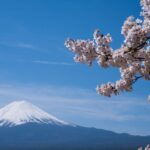
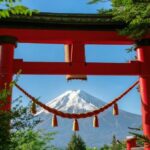
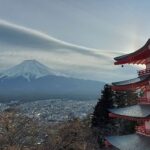
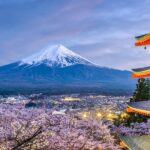
Mount Fuji is the star, but this day trip gives you more than one chance to look for it. From Tokyo, you head to Hakone for a lakeside shrine, a pirate ship and a volcanic valley, then continue to Lake Yamanaka and Oshino Hakkai. If the skies cooperate, Fuji appears from several angles.
I like the variety: you get a mix of shrine, lake and volcanic scenery, rather than spending the whole day at one viewpoint. I also like that the bus handles a complicated route, while guides such as Erik, Rachel (also called Wanting), Jack and Yutaro have earned praise for clear instructions, useful commentary and keeping the day moving.
The trade-off is time. This is an ambitious 11-hour circuit, and traffic or crowds can shorten stops or change the order. The ropeway and pirate ship also cost extra on some packages, so check what your chosen fare includes before you book.
- A multi-stop Fuji circuit: See Hakone, Lake Yamanaka and Oshino Hakkai in one day from Tokyo.
- Lake Ashi by boat: The one-way pirate ship ride from Motohakone to Togendai takes about 30 minutes and costs 1,700 yen, paid separately.
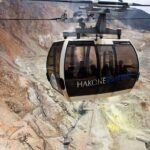
- Ropeway choice: Some packages include the Hakone Ropeway; without its ticket, you travel to Owakudani by vehicle.
- A guide makes a difference: Guides such as Erik, Rachel/Wanting, Jack and Yutaro are praised for practical help and lively explanations, but the assigned guide varies.
- Plan for a long day: The scheduled return is around 18:30, with traffic and weather able to alter the route and timing.
- One day, three sides of the Fuji region
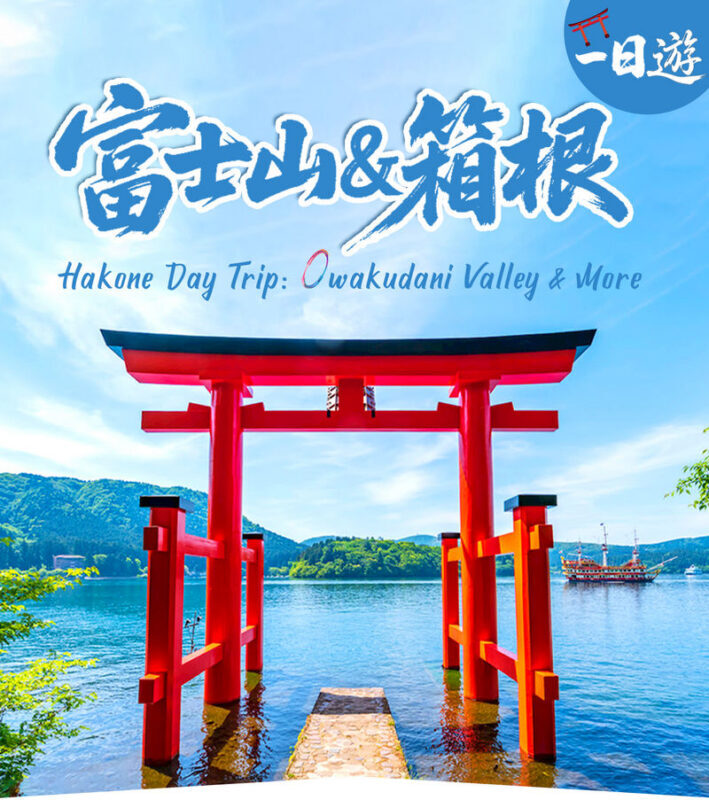
- Hakone Shrine and the torii at Lake Ashi
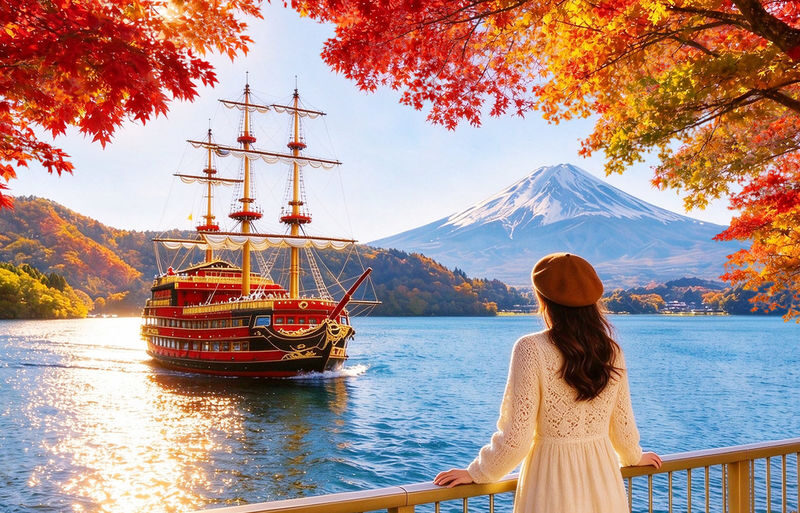
- Crossing Lake Ashi on the pirate ship
- The ropeway, then Owakudani’s volcanic ground
- Lunch is a short, flexible pause
- Lake Yamanaka’s swan shore
- Oshino Hakkai’s spring-fed ponds
- What the long bus day feels like
- Is the price good value?
- Practical details before you book
- Should you book this Mount Fuji and Hakone day trip?
- FAQ
- What is included in the tour price?
- How much does the pirate ship cost?
- Does every package include the Hakone Ropeway?
- What time does the tour leave and return?
- What languages are available?
- Can I bring luggage?
- What happens if Mount Fuji is hidden by clouds?
- The Best Of Fujiyoshida!
- More 1-Day Tours in Fujiyoshida
- More Tours in Fujiyoshida
- More Tour Reviews in Fujiyoshida
One day, three sides of the Fuji region
 1 / 10
 2 / 10
 3 / 10
 4 / 10
 5 / 10
 6 / 10
 7 / 10
 8 / 10
 9 / 10
 10 / 10
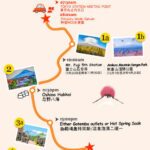
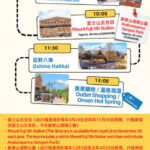
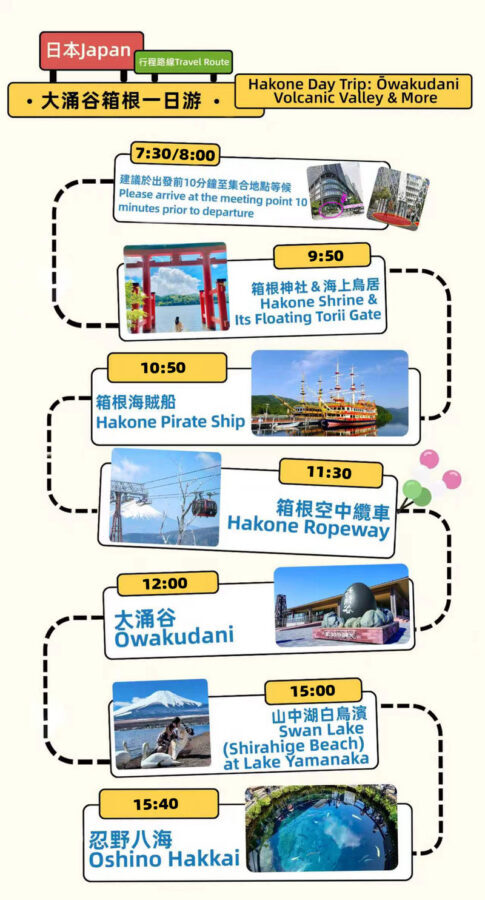
The tour links places that are awkward to combine on your own in a single day. From Tokyo, you travel to Hakone, cross Lake Ashi by sightseeing boat, rise toward Owakudani by ropeway or vehicle, then head to Lake Yamanaka and Oshino Hakkai before returning to the city. It is a broad sampler, not a slow exploration of any one place.
That distinction matters. You are paying for transport between scattered stops, plus a guide and a plan that connects them. You are not buying long, unstructured time at every attraction. The schedule gives the shrine about an hour, the ship roughly 30 minutes, the ropeway around 30 minutes, Owakudani 50 minutes, Lake Yamanaka 20 minutes and Oshino Hakkai 40 minutes. Those windows can shift.
The tour is advertised from $49.29, an attractive starting price for a full-day trip with round-trip transport and a guide. But the headline price is not the full day’s cost. The pirate ship is 1,700 yen per person, paid in cash, and some packages do not include the ropeway ticket. Meals, drinks and personal purchases are also on you. Check the package details carefully, especially if riding the ropeway is a priority.

👉 See our pick of the 8 Most Highly Rated Private Driver Services In Fujiyoshida
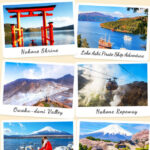
Hakone Shrine and the torii at Lake Ashi
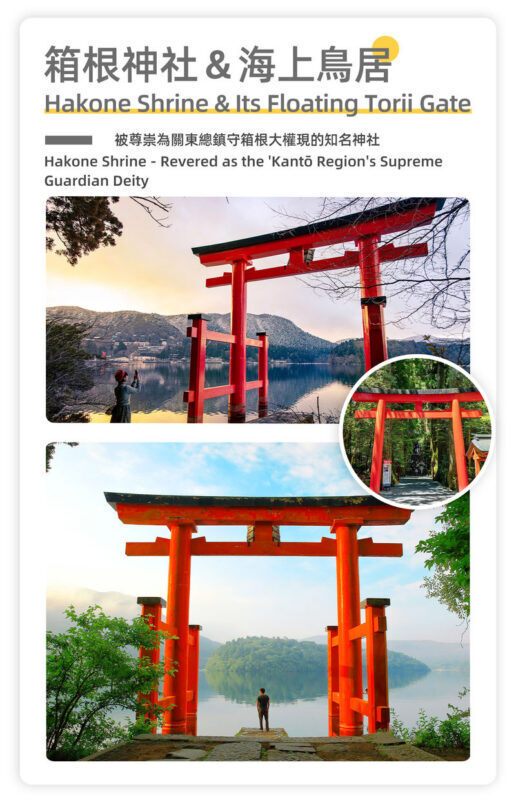
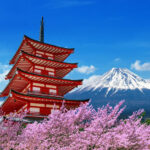
The first major stop is Hakone Shrine, a revered place associated with good fortune and protection. Its setting by Lake Ashi gives the visit much of its appeal: the approach to the lakeside torii, known as Heiwa no Torii, puts the shrine’s red gate against the water and surrounding hills.
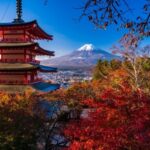
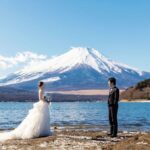
This is one of the day’s most sought-after photo stops. On a clear day, the lake, gate and a distant Fuji can make a striking frame. But Fuji is never guaranteed. Cloud, haze and weather can hide the mountain, and the water’s surface will not always give you the reflection you hoped for. Treat a clear view as a bonus, not a promise.
The scheduled visit allows about an hour, but that can feel tight if the torii is crowded. Expect to share the popular photo spot, and remember that reaching it involves walking from the bus area. One sharply negative account describes spending much of a short Hakone visit walking to and from the shrine, with little time left to explore. That is a useful warning: the actual time at the gate may be less than the stop’s headline duration suggests.
You can also read our reviews of more tours and experiences in Fujiyoshida
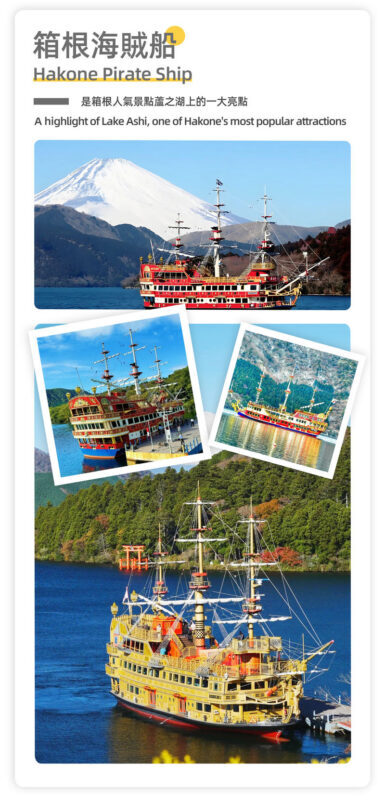
Crossing Lake Ashi on the pirate ship
From Motohakone Port, the sightseeing ship crosses Lake Ashi to Togendai in about 30 minutes. Its pirate-ship styling is theatrical, but the practical attraction is the ride itself: you get a different view of the lake and its mountain setting without retracing the road.
The fare is 1,700 yen per person, paid separately, and the tour information advises bringing cash. This is not an included extra to discover at the dock. If you want to take the ship, budget for it before the day begins.
The ship ride is a highlight for many people who want more than bus windows and roadside viewpoints. Still, the crossing is a short scheduled leg, not a leisurely cruise. The boat, departure time and transfer to the next stop all depend on the day’s arrangements, so listen closely to your guide about where and when to regroup.
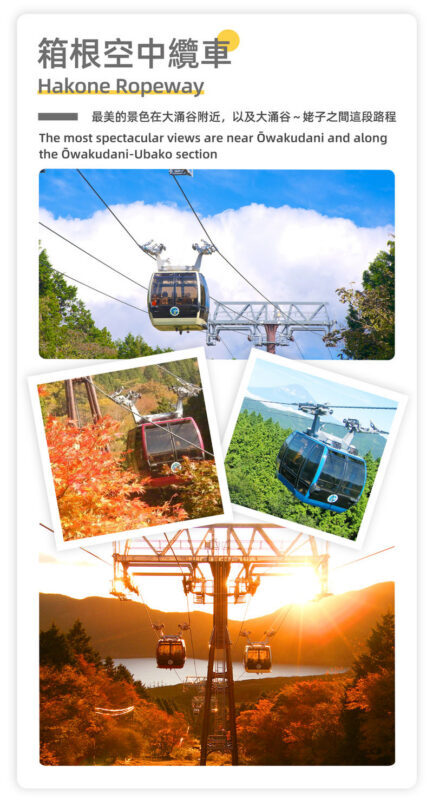
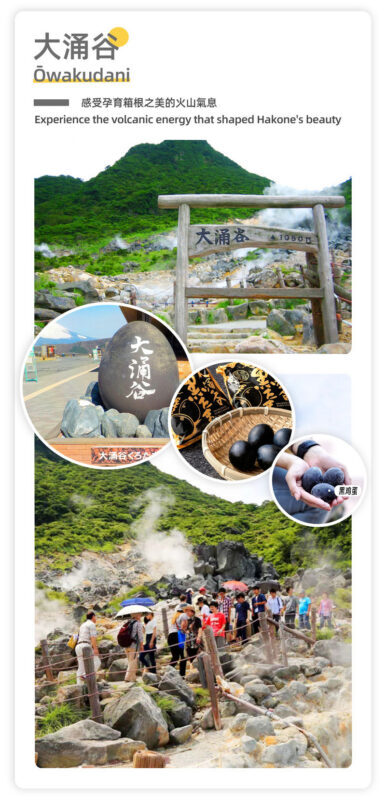
The ropeway, then Owakudani’s volcanic ground
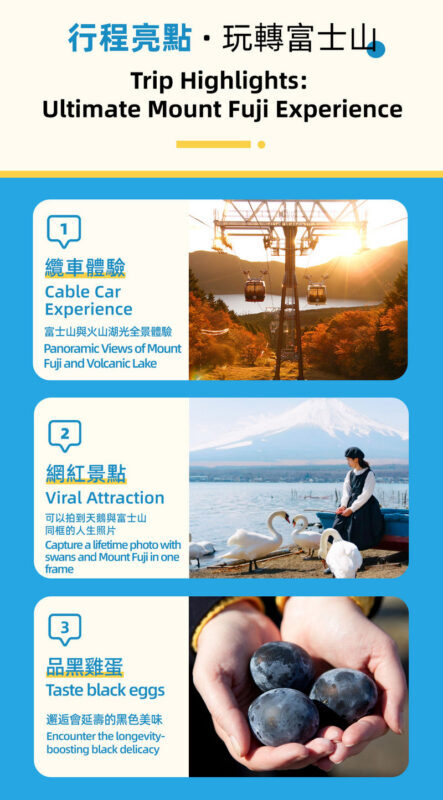
At Togendai, the recommended ropeway route is toward Owakudani. The ride gives you elevated views over the Hakone caldera and Lake Ashi, with Fuji sometimes visible when conditions are clear. The listed visit time is about 30 minutes, so think of it as a scenic transfer as well as an attraction.
Check your package before departure. If your fare does not include the ropeway ticket, the group travels to Owakudani by vehicle instead. That changes the experience: you still reach the volcanic area, but you miss the cable-car views. Ask whether the ticket is included rather than assuming the word ropeway in the tour title covers it.
Owakudani is a volcanic valley where you can see the region’s geothermal character up close. The stop lasts about 50 minutes. The best-known snack is the black egg, traditionally said to add seven years to your life. It is a memorable local specialty, though the claim belongs to folklore, not a medical plan.
This is also a place where conditions can affect the day. Weather, crowds and operational limits may lead to adjustments or a shortened visit. Use the time for a look around and a snack, but do not count on a long walk or a relaxed meal here.
Lunch is a short, flexible pause
Lunch is scheduled for about 30 minutes, with the guide suggesting places and you choosing whether to eat there. The recommendations are optional, and you can bring your own food instead. That flexibility is useful, but the short window leaves little room for an elaborate sit-down meal.
If you have dietary needs or prefer to control the pace, bringing a simple lunch is a sensible option. The tour’s long driving day makes a quick, predictable meal more practical than waiting for a full restaurant service. Follow your guide’s instructions about the return time, since the group has more stops ahead.
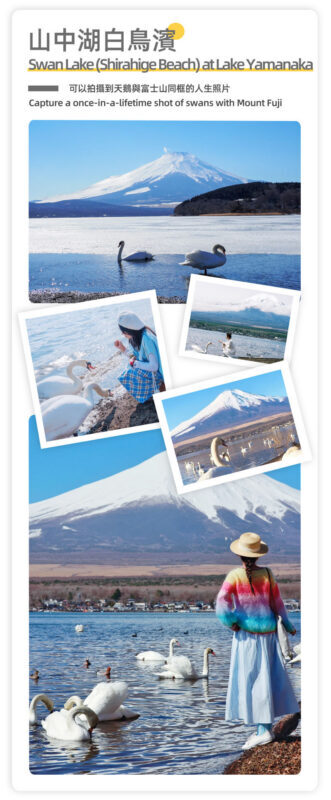
Lake Yamanaka’s swan shore
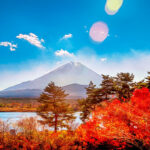
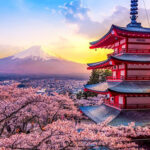
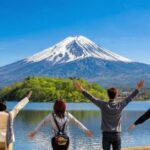
The tour continues to Lake Yamanaka, one of the Fuji Five Lakes. The stop is around 20 minutes at a section of shore known as Swan Beach, where swans gather and Fuji may appear in the background.
This is a short, quiet change of pace after Hakone’s more structured attractions. If the swans are present and the mountain is clear, you can make a distinctive photograph. But 20 minutes is a brief pause, and the Fuji view depends on the weather. Think of it as a chance to stretch your legs and take in the setting, not a full lakeside visit.
Oshino Hakkai’s spring-fed ponds
At Oshino Hakkai, you have about 40 minutes to see the clear spring-fed ponds and browse local snacks. The ponds are a nationally designated natural monument, and their clear water offers a different kind of Fuji-region scenery from the broad lakes and volcanic views earlier in the day.
This is the stop where a little self-direction helps. You can spend your time looking at the water, taking photographs or buying something to eat. Keep an eye on the clock: the group must leave together, and a few minutes spent browsing can quickly use up a short visit.
What the long bus day feels like
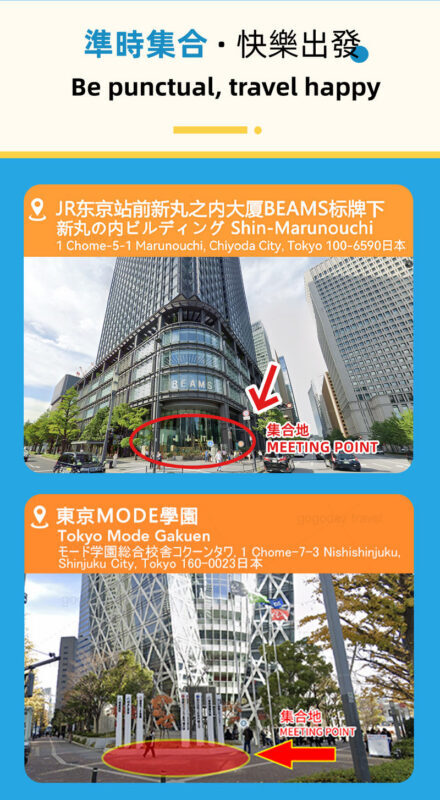
The tour departs Tokyo at either 07:30 or 08:00, depending on the selected departure, and aims to return around 18:30. The listed return point is in Tokyo, with the disbandment point described as JR Tokyo Station/Shinjuku Mode Park. Confirm your exact meeting and return details in the information sent before the trip.
For much of the day, the bus is your link between places. That saves you the work of coordinating trains, boats and local transport, and it lets you cover a wide area without planning every connection. It also means road traffic can have a real effect on your time at the sights. Weekend congestion has delayed schedules, and the operator may shorten or rearrange stops because of traffic, weather or crowds.
Vehicle size depends on the number of people booked. Smaller groups may travel in a van, while larger groups use a bus. The format also affects the guide service: groups of 4 to 13 may have a driver-guide, while groups of 14 to 45 may have a separate driver and guide. A driver-guide’s main job is driving, so commentary may be less extensive than with a dedicated guide.
Guides are a major part of the experience. People have singled out Erik for clear explanations and practical help, Rachel/Wanting for attentive guidance, and Jack, Yutaro and Kousei for making the trip engaging and organized. Those names are examples, not a promise of who will lead your departure. The assigned guide can vary, and one particularly poor account describes unclear instructions and a trip that felt more like transport than a guided visit. Listen carefully at each stop, and make sure you know the meeting point and return time before you leave the bus.
Is the price good value?
At the starting price, the tour can be good value if your aim is to see several headline sights without arranging the connections yourself. Round-trip transport and a guide are included, and the route covers both Hakone and the Fuji Five Lakes in one outing. For a solo visitor, it can also make the logistics and the long day easier to manage.
The value falls if you expect a slow, in-depth Hakone visit or assume all activities are covered. Add the ship fare, check whether your package includes the ropeway, and set aside money for lunch and snacks. If you want time to linger at the shrine, explore Hakone at your own pace or choose your own transport schedule, a day trip with fixed group stops may feel rushed.
The tour has a strong overall customer rating of 4.8 out of 5 from 7,989 ratings. That points to a popular, generally well-received outing, but it does not remove the practical risks: variable guide quality, traffic delays, possible seat or vehicle complaints, and weather-dependent views. You are buying a convenient route, not a guarantee of perfect skies or an identical day each time.
Practical details before you book
The tour offers English, Mandarin, Chinese/English and French package choices, while the experience information also lists Japanese and Korean language support. Available options can depend on the package you select, so confirm the language attached to your departure. The guide and vehicle details are sent by email the evening before; check your spam folder if the message does not arrive.
Arrive at the meeting point 10 minutes early. The bus leaves on time, and late arrivals or no-shows are not refunded. Each person may bring one piece of luggage free; extra pieces cost 2,000 yen each and must be declared when booking. Children aged 3 and over pay the adult rate. Children aged 0 to 2 may join without a separate seat, and children under 18 need a paying adult. Participants aged 70 and over must present a medical certificate.
Should you book this Mount Fuji and Hakone day trip?
Book it if you want a broad, convenient introduction to Hakone and the Fuji area, and you are comfortable with a full day on a bus and short visits at each stop. The ship, ropeway option, volcanic valley, swan shore and spring-fed ponds make for a varied route, while an effective guide can add useful context and keep the transfers clear.
Think twice if your priority is a relaxed shrine visit, a guaranteed view of Mount Fuji, or a long stay at any single attraction. Check the ship and ropeway costs, choose your language package carefully, and go in expecting the schedule to bend around traffic and weather. For a first look at several places in one day, it is a practical choice. For a slower Hakone visit, plan your own route.
Mount Fuji & Hakone – Lake Ashi Torii Gate, Hakone Shrine, Hakone Pirate Ship, Hakone Ropeway, Owakudani, Lake Yamanaka & Oshino Hakkai Day Trip: Sea, Land, and Air Panoramic Tour from Tokyo
“Tony was an awesome Guide and give us a lot of information. He was really nice and helped the groupe a lot. It was an awesome trip.”
FAQ
What is included in the tour price?
Round-trip transfers from the meeting point and a guide are included. The Hakone Pirate Ship, meals, drinks and personal expenses are not included. Ropeway tickets depend on the package selected.
How much does the pirate ship cost?
The one-way ride from Motohakone Port to Togendai Port takes about 30 minutes and costs 1,700 yen per person. The fare is paid separately, and you should bring cash.
Does every package include the Hakone Ropeway?
No. Some packages do not include the ropeway ticket. If you book one of those, the group travels to Owakudani by vehicle instead.
What time does the tour leave and return?
Departure choices are listed at 07:30 and 08:00. The scheduled return to Tokyo is around 18:30, though traffic and weather can change the timing.
What languages are available?
Package choices include English, Mandarin, Chinese/English and French. The tour information also lists Japanese and Korean support. Check the language attached to the specific package you book.
Can I bring luggage?
Each person may bring one piece of luggage free. Additional pieces cost 2,000 yen each and should be declared when you book. If you bring extra luggage without notice, boarding may be refused.
What happens if Mount Fuji is hidden by clouds?
The tour still visits its scheduled locations, but a clear view of Mount Fuji is not guaranteed. Weather, traffic and crowds may also change or shorten parts of the itinerary.