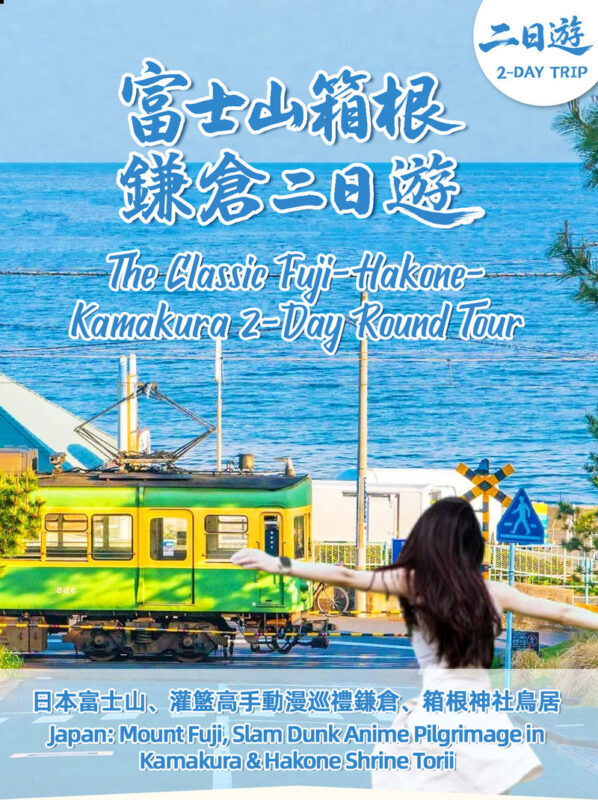
Mount Fuji, a volcanic valley, a lakeside shrine, an old hot spring town and the coast near Kamakura: this two-day trip tries to fit a remarkable slice of central Japan into one overnight outing from Tokyo. I like its mix of famous views and traditional onsen time, and the chance to cover places that are awkward to link by public transport in just two days.
I also like the practical details: a night at Shuzenji with dinner and breakfast included, plus a guide to handle the long drives and changing schedule. The trade-off is pace. You get roughly 40 to 90 minutes at most stops, and weather or traffic can change what fits into the day.
- The quick take
- A route built around variety, not long stops
- Day one: Fuji viewpoints, volcanic ground and Lake Ashi
- Day two: Shuzenji, Mount Omuro and the Shonan coast
- What the price covers, and what it does not
- The main compromise: a lot of ground in little time
- Practical details before you set off
- Who should book this trip?
- FAQ
- How long is the tour, and when does it return to Tokyo?
- Does the tour visit Mount Fuji 5th Station all year?
- What happens when the Kawaguchiko ropeway is closed?
- Are the ropeway and Mount Omuro lift included?
- Are meals included?
- How much luggage can I bring?
- What is the cancellation policy?
- The Best Of Fujiyoshida!
- More Spa & Hot Springs in Fujiyoshida
- More Tours in Fujiyoshida
- More Tour Reviews in Fujiyoshida
The quick take
 1 / 8
 2 / 8
 3 / 8
 4 / 8
 5 / 8
 6 / 8
 7 / 8
 8 / 8
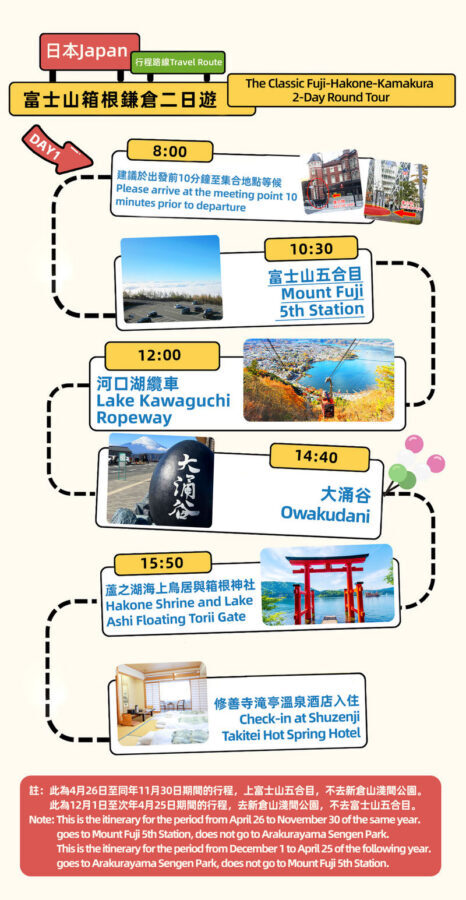
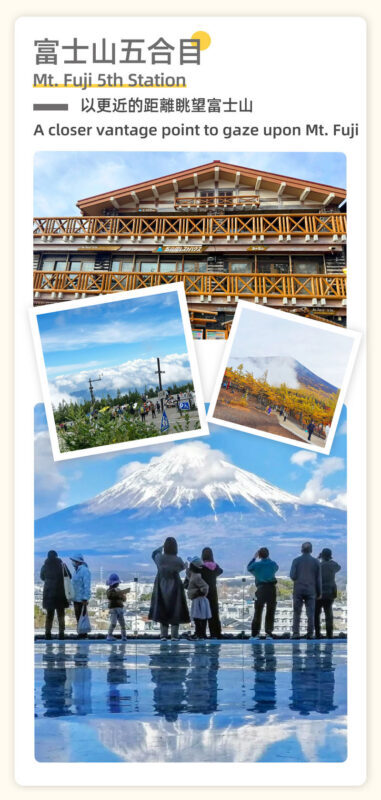
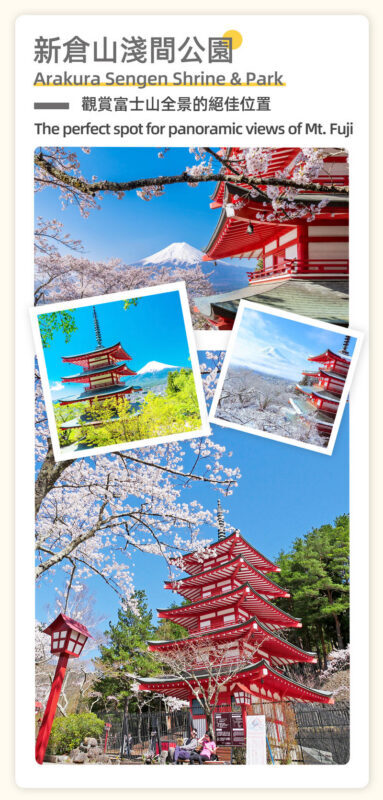
- Fuji views change with the season: From April 26 to November 30, the stop is Mount Fuji 5th Station. From December 1 to April 25, it switches to Arakurayama Sengen Park.
- Kawaguchiko has a backup plan: During the ropeway’s scheduled 2026 maintenance periods, the tour substitutes a sightseeing boat on the lake.
- The night in Shuzenji is part of the appeal: A traditional tatami room, an open-air hot spring, dinner and breakfast give the trip a welcome pause between sightseeing days.
- Expect a brisk group tour: Most stops are self-guided, and a shared vehicle may carry between 4 and 40 people.
- Budget for two key rides: The Kawaguchiko ropeway and Mount Omuro lift are not included in the tour price.

👉 See our pick of the 8 Most Highly Rated Private Driver Services In Fujiyoshida
A route built around variety, not long stops
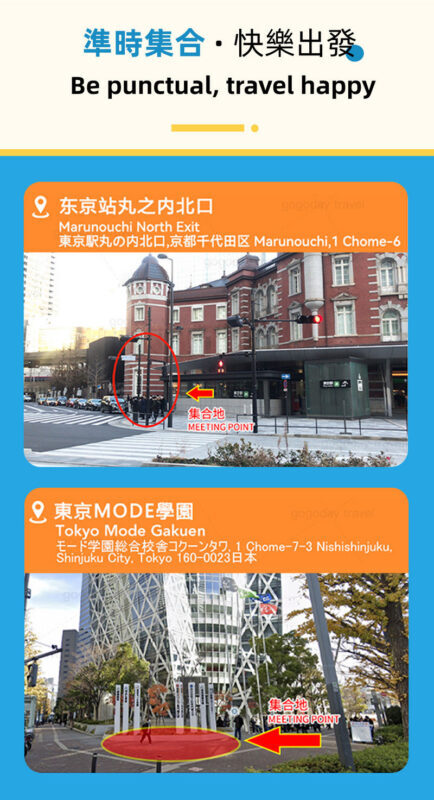
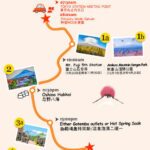
The tour sets off from Tokyo at either 8:00 or 8:30, depending on the departure details sent before the trip. The return is planned for about 19:00 on day two, though traffic and conditions can move that timing. You will spend a good deal of the tour in a vehicle, but that is the cost of connecting Fuji, Hakone, Izu and the Shonan coast in a single short break.
The group size can range from 4 to 40, and the vehicle is assigned according to the number of people booked. Some departures may use a minivan, while larger groups need a larger vehicle. A small group can make stops easier to manage, but you cannot choose the vehicle or count on having a small group.
This is a guided transfer with self-guided time at the attractions, not a walking tour with a guide beside you at every landmark. The guide provides introductions and practical directions, then you explore within the allotted time and return to the agreed meeting spot. Guides named in trip feedback include Sherry and Zhang Ting, though the assigned guide varies. The activity is advertised with Chinese or English-speaking guides, so confirm your language needs before booking.
You can also read our reviews of more tours and experiences in Fujiyoshida
Day one: Fuji viewpoints, volcanic ground and Lake Ashi
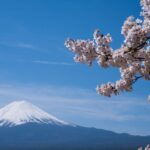
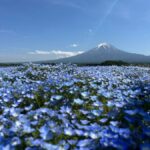
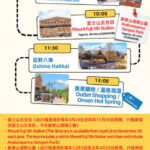
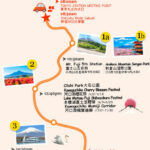
The first day begins with one of two Fuji-area stops. From late April through November, the group visits Mount Fuji 5th Station, about halfway up the mountain, with around 40 minutes to look around. On a clear day, you may see Lake Kawaguchiko and the surrounding area. The access road and weather can affect whether this stop is possible, and the tour may skip attractions if conditions or capacity require it.
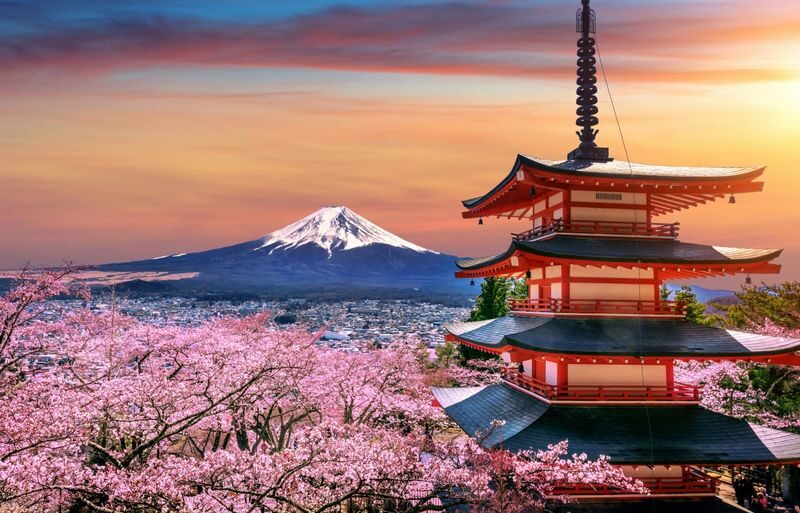
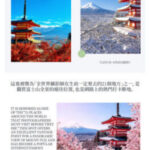
In the colder season, the 5th Station is replaced by Arakurayama Sengen Park. The park is known for broad views of Fuji and changing seasonal scenery. This is a different kind of stop: the 5th Station brings you closer to the mountain, while the park is about seeing it from a distance. The seasonal swap is important if one particular Fuji view is your main reason for booking.
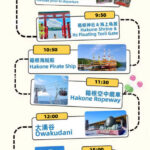
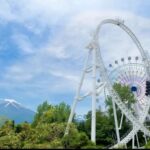
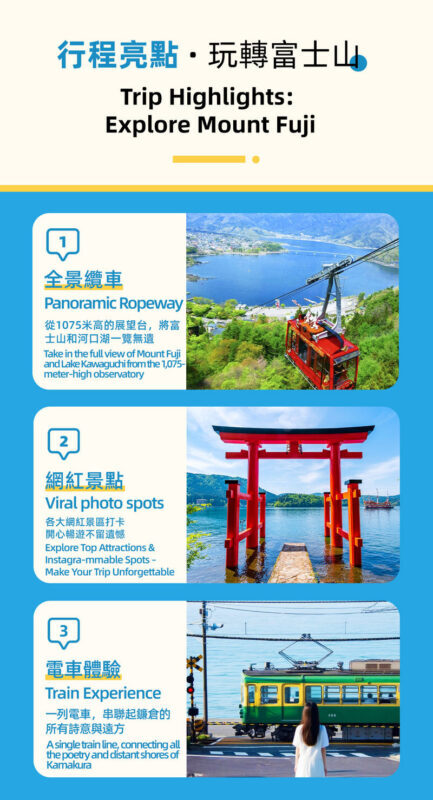
Around midday, the tour goes to the Kawaguchiko Panorama Ropeway, also called the Kachi-Kachi Ropeway. You get about 90 minutes in the area, including time for the ride and observation deck, with views over Mount Fuji and Lake Kawaguchiko when the sky cooperates. The ropeway ticket is not included, so set aside extra money for it.
There is a specific 2026 change to note. From May 11 to July 15, and again from December 7 to December 18, the ropeway is scheduled to close for maintenance. The replacement is the Kawaguchiko sightseeing boat, Tenjo-go, styled as a Sengoku warlord ship. If you are booking around those dates, you will not get the ropeway ride.
The next stop is Owakudani, where the earth’s volcanic history is unusually visible. The visit lasts about 40 minutes, enough to see the volcanic remains and try the famous black eggs if you wish. Local legend says each egg adds seven years to your life. Treat that as folklore, not a medical plan. The brief stop is a taste of Hakone’s volcanic character rather than time for a long wander.
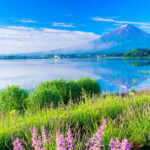
Later, you have about an hour around Lake Ashi and Hakone Shrine. The floating torii gate is the image many people come for, while the shrine gives the lakeside visit a cultural dimension. Crowds and weather can affect how much you see, and the tour reserves the right to adjust or skip stops when conditions require it. If the torii is busy, be prepared to share the view rather than linger in solitude.
By around 18:00, the group heads to Shuzenji Takitei Onsen Hotel, or a nearby hotel of the same standard if it is full. The package describes a 45-square-metre tatami room for two to four people, an open-air hot spring and a traditional dinner and breakfast. The overnight stay is a welcome change from the day’s quick photo stops: you can bathe, eat and settle in before another full day.
Hotel experiences can vary. Some people have found the room comfortable and praised the Japanese meal, including sashimi; others have described the property as old or the stay as less satisfying than expected. Go for the onsen setting and included meals, not a guarantee of a polished luxury hotel. Lunch is not included, and drinks and other personal expenses are extra.
Day two: Shuzenji, Mount Omuro and the Shonan coast
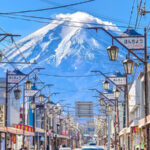
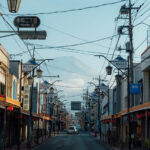
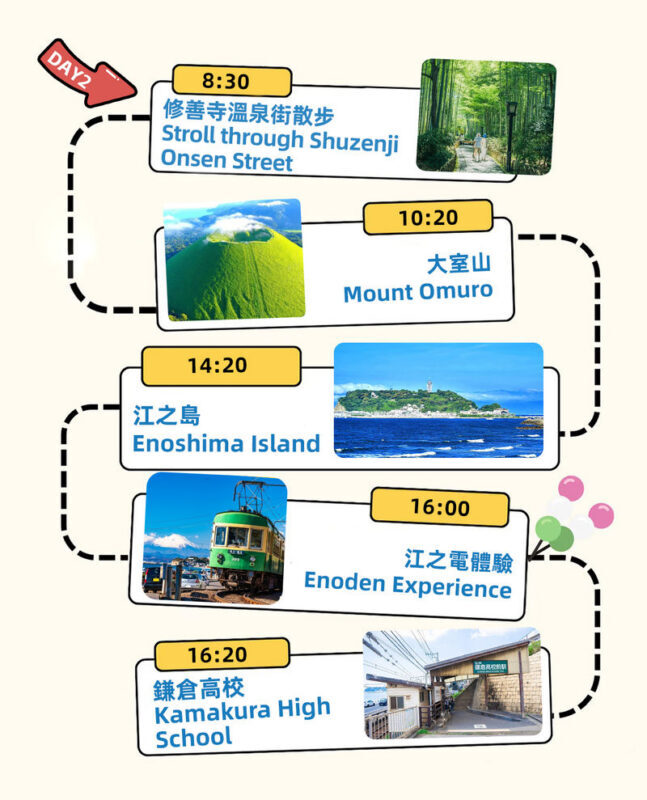
The second morning starts with about an hour in Shuzenji Onsen Town. This historic hot spring town is known for its paths through wooded surroundings and a footbath associated with a thousand-year tradition. The short stroll is a quieter counterpoint to the previous day’s driving, though an hour gives you only a brief introduction. If the town’s old streets are your main interest, you may wish you had longer.
At about 10:20, the tour goes to Mount Omuro, the rounded volcanic hill that serves as a landmark of Izu Kogen. The stop lasts around 90 minutes, with free time that includes lunch at your own expense. A lift takes you up the mountain, where you can walk around the crater rim and look toward the Izu Plateau and Sagami Bay. On clear days, Fuji may appear in the distance. The lift ticket is not included, so remember to factor it into your budget.
Mount Omuro is also associated with the anime film Your Name, and its green summer appearance has earned it the nickname Matcha Mountain. The crater walk is a different sort of Fuji-area outing: rather than viewing the mountain from below, you get a broad sweep of the Izu region. The time allowance is useful for lunch, but you will need to watch the clock.
The afternoon moves to Enoshima, with about 90 minutes to explore. This island has drawn visitors since the Edo period and is connected with Benzaiten, a deity associated with music and the arts. Enoshima Shrine and the island’s cultural associations make it more than a coastal photo stop. Still, 90 minutes is a tasting menu, not a full visit. Choose what matters most to you and keep an eye on the meeting time.
Then comes a short Enoden tram ride between the Fujisawa and Kamakura area. The included ride lasts around 10 to 15 minutes and offers a glimpse of the Shonan coast from a local line that links several well-known sights. It is a small but worthwhile change of pace after so much time on the road.
The last major stop is Kamakura High School Mae Station, where you have about 50 minutes. The nearby crossing is associated with the anime Slam Dunk, whose fictional Ryonan High School was based on Kamakura High School. Fans may find the spot especially meaningful; others can enjoy the coastal setting and the everyday commuter-train atmosphere. The crossing is popular, so this is not a place where you should expect an empty frame or a long, quiet visit.
The group is due to leave Kamakura at about 17:10 and reach central Tokyo around 19:00. Traffic can change the return time. Do not plan a tight dinner reservation, train connection or evening performance on the assumption that the schedule will run exactly to the minute.
What the price covers, and what it does not
The advertised price starts at $219.99, with different package pricing for two-person and four-person bookings. The cost includes round-trip transport from the Tokyo meeting point, guide service, tolls, parking, fuel, one night’s accommodation, dinner and breakfast, and the Enoden ride. For a two-day route spanning several regions, having transport and one night arranged is the main value: you avoid piecing together multiple train and bus connections and finding your own overnight stop.
The price does not include the Kawaguchiko ropeway or Mount Omuro lift, meals beyond the stated hotel dinner and breakfast, drinks or personal spending. The Mount Omuro stop includes time for lunch, but you pay for it yourself. Compare the total likely cost, including those rides and your meals, rather than treating the starting price as the full trip budget.
The room arrangement also matters. The listed package for four or more people is based on four people per room, while the two-person discount package describes rooms for two to three people. If you are booking as a pair and sharing matters to you, check the package details before paying.
The main compromise: a lot of ground in little time
The great strength of the trip is also its weakness. You can see several distinct sides of the region in two days: mountain views, volcanic activity, a shrine beside a lake, an onsen town, a crater walk and the coast. But this is not a slow, place-by-place exploration. Most stops are scheduled for under an hour and a half, and the long distances leave little room to add time when a view or town captures your attention.
Weather is a real factor, especially for Fuji. A cloudy day can hide the mountain, and bad conditions can prompt schedule changes or cancellations of rides and outdoor activities. Even with a careful guide, no one can guarantee a clear view. If Fuji is the sole reason you are going, allow yourself another chance on a separate day if your schedule permits.
The tour’s strengths seem to lie in logistics and guide support. People have singled out guides including Sherry, Zhang Ting and Yong for clear introductions, careful timing and help when traffic or weather disrupted the plan. Drivers have also been praised for smooth handling of winding roads and practical care, such as checking comfort or providing umbrellas in rain. That personal service can make a dense schedule feel less stressful, but it cannot erase the time limits.
There have also been complaints about language mismatch, changes to stops and uneven hotel expectations. One account described being assigned a guide who did not speak the requested language, and another raised concern about attractions affected by maintenance. The advertised language options are Chinese and English, but if communication in one language is essential, confirm it with the operator rather than relying on assumptions. Also check the maintenance dates and seasonal Fuji stop before booking.
You can also read our reviews of more tours and experiences in Fujiyoshida
Practical details before you set off
Arrive at the stated Tokyo meeting point 15 minutes before departure. The meeting information gives both 08:00 and 08:30 departure times, so use the final confirmation to establish your exact start time. Late arrivals are not waited for and are not refundable.
The operator sends guide and vehicle details by email between 17:00 and 21:00 on the evening before departure. Check your spam folder too. If the message has not arrived by 21:00, contact the operator or customer service. One piece of luggage per person is allowed, but you must declare it in the special requirements when booking. A late luggage request can lead to refusal of boarding without a refund.
The activity is not recommended for people with high blood pressure, epilepsy, heart disease, asthma, other serious medical conditions, pregnant people or people with disabilities. Children aged zero to two travel free, while children aged three and older pay the adult rate. Anyone under 18 must be accompanied by a paying adult.
Who should book this trip?
Book it if you want broad coverage without driving, enjoy a mix of famous landmarks and regional scenery, and are comfortable keeping to a group schedule. The included onsen night, dinner and breakfast make the trip feel like more than a long sightseeing transfer, while the guide and driver take much of the route planning off your hands.
Skip it if you want long, unhurried visits, dislike fixed departure times or need a guaranteed Fuji view. For the best fit, check the seasonal Mount Fuji stop, ropeway maintenance dates, guide language and package room arrangement before booking. If those details work for you, this is a practical way to see a great deal of central Japan in two days, with one proper hot spring pause along the way.
Tokyo: 2-Day Hot Spring Trip to Fuji, Hakone, and Izu
“The itinerary was well-packed, Driver Wu drove smoothly, and the arrangements were thoughtful. We had a happy two-day, one-night trip.”
FAQ
How long is the tour, and when does it return to Tokyo?
The tour runs from day one to day two. Departure is listed as either 08:00 or 08:30, and the planned return to central Tokyo is around 19:00. Traffic and weather can change the timing.
Does the tour visit Mount Fuji 5th Station all year?
No. From April 26 to November 30, the tour visits Mount Fuji 5th Station. From December 1 to April 25, it visits Arakurayama Sengen Park instead.
What happens when the Kawaguchiko ropeway is closed?
During its scheduled maintenance periods in 2026, May 11 to July 15 and December 7 to December 18, the tour substitutes the Kawaguchiko sightseeing boat, Tenjo-go.
Are the ropeway and Mount Omuro lift included?
No. Admission to the Kawaguchiko ropeway and the Mount Omuro lift is not included in the tour price.
Are meals included?
Dinner and breakfast at the overnight accommodation are included. Lunch, other meals, drinks and personal expenses are not included.
How much luggage can I bring?
Each person may bring one piece of luggage for free. You need to note it in the special requirements when booking.
What is the cancellation policy?
A full refund is available if you cancel at least seven days before the activity date, in destination local time. Late arrivals and no-shows are not refundable.