Mt. Fuji’s high slopes, a cable car over Hakone and a boat ride on Lake Ashi make for a big day beyond Tokyo. This tour links three very different sights in one outing, with transport and the ropeway and cruise admissions included.
I like two things in particular: the English-speaking guide helps make a fast-moving day easier to follow, and the route pairs Fuji’s mountain air with Hakone’s volcanic scenery and lakeside views. If the weather cooperates, you get a fine range of Japan’s natural sights without planning separate transport.
The trade-off is the distance. Expect a long day with plenty of coach time, and weather, traffic or service closures can change the route; a Fuji view is never guaranteed.
- At a glance
- What this day trip offers
- Starting in Tokyo before the roads fill
- Mt. Fuji’s 5th Station: high views, if the road allows
- Lunch: convenient, but check the package
- Hakone Ropeway and Owakudani: the aerial highlight
- Lake Ashi cruise: a calmer change of pace
- The return: bus or Shinkansen
- Is the price worth it?
- Who should book this tour?
- FAQ
- How long is the tour?
- Where does the Ginza departure meet?
- Does every package depart from Ginza?
- Is lunch included?
- What happens if the tour cannot reach Mt. Fuji’s 5th Station?
- Are the Hakone Ropeway and Lake Ashi cruise included?
- Does the tour always return to Tokyo by bus?
- What languages are available?
- Can children under four join?
- What if traffic or weather changes the route?
- The Best Of Fujiyoshida!
- More Boat Tours & Cruises in Fujiyoshida
- More Tours in Fujiyoshida
- More Tour Reviews in Fujiyoshida
At a glance
 1 / 9
 2 / 9
 3 / 9
 4 / 9
 5 / 9
 6 / 9
 7 / 9
 8 / 9
 9 / 9
- Fuji at 2,000 metres: The planned high point is Mt. Fuji’s 5th Station, though road closures or conditions can limit access to a lower point or an alternative stop.
- Hakone by ropeway and boat: Ropeway admission and a Lake Ashi cruise are included, subject to operating conditions and the day’s schedule.
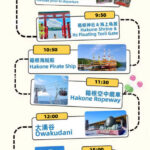
- A full day from Tokyo: The tour runs about 11.5 hours, with a 7:20 a.m. departure and an expected return around 6:50 p.m.
- Lunch is an add-on: Some packages include a buffet; others leave lunch and drinks to you.
- Choose your return carefully: Many departures return by bus, while some options use the Shinkansen. On selected dates, the tour ends at Odawara Station.
- A guide-led group outing: The group can include up to 43 people. English guidance is provided, with multilingual audio available in seven other languages.

👉 See our pick of the 8 Most Highly Rated Private Driver Services In Fujiyoshida
What this day trip offers
This is a sampler, not a slow exploration of Fuji and Hakone. In one day, you travel from Tokyo to the mountain’s 5th Station, then onward to Hakone for a ropeway ride and Lake Ashi cruise. The appeal is simple: you avoid arranging several connections yourself and get a guide to keep the group moving.
That convenience comes with a packed timetable. The coach must cover long distances, and traffic can eat into time at the stops. If you want quiet trails, long museum visits or the freedom to linger wherever the view is best, a self-planned trip may suit you better.
For a first visit with limited time in Tokyo, though, the range is appealing. The stops give you a taste of high-altitude Fuji, Hakone’s volcanic terrain and a caldera lake in one outing. Admission to the ropeway and cruise is included, while onboard WiFi, insurance and an English-speaking guide are also part of the tour.
You can also read our reviews of more boat tours in Fujiyoshida
Starting in Tokyo before the roads fill
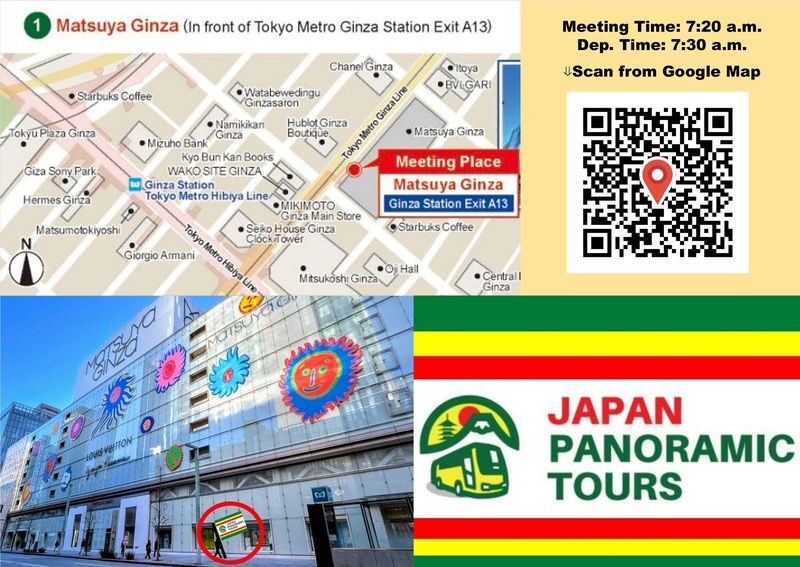
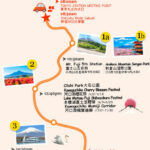
The Ginza departure meets at 7:20 a.m. in front of Tokyo Metro Ginza Station Exit A13, outside Matsuya Ginza. Look for the green and white Japan Panoramic Tours flag, and arrive five minutes early. There are also Shinjuku departure packages, so check the option you book rather than assuming every version starts in the same place.
The early start is useful: Fuji and Hakone are far enough from Tokyo that the coach journey is a major part of the day. It also makes punctuality important. The operator says late arrivals cannot join partway through, and no refund is offered to latecomers or no-shows.
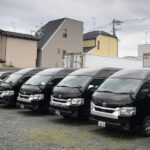
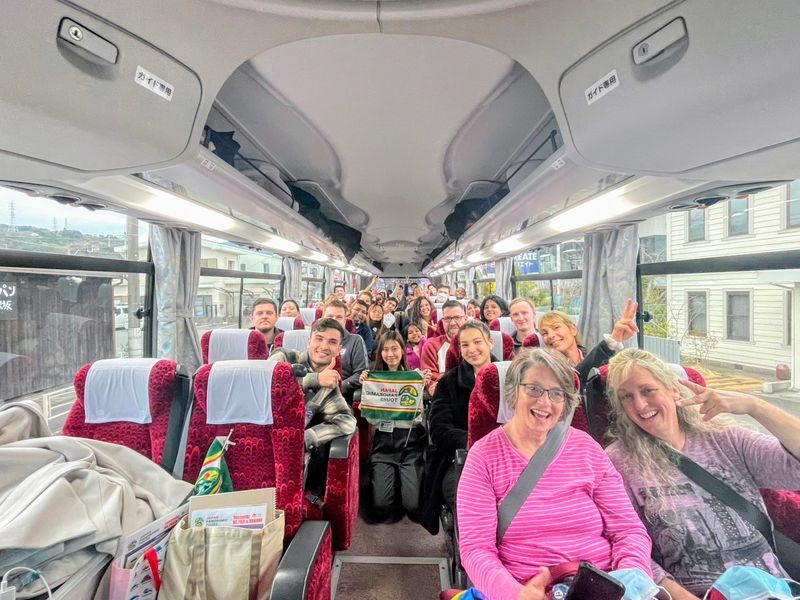
The coach is air-conditioned and offers WiFi. The group may be as large as 43, so this is a shared outing, not a private tour. Guides named in accounts of past departures include Aya, Sora, Hiro, Lisa, Kayo, Mao and Angela. The guide changes by date, of course, but the best days benefit from a guide who explains the sights clearly, keeps time and helps with practical questions.
Mt. Fuji’s 5th Station: high views, if the road allows
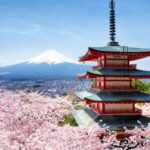
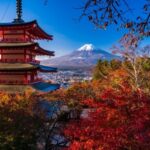
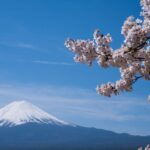
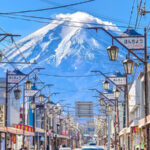
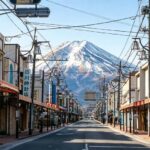
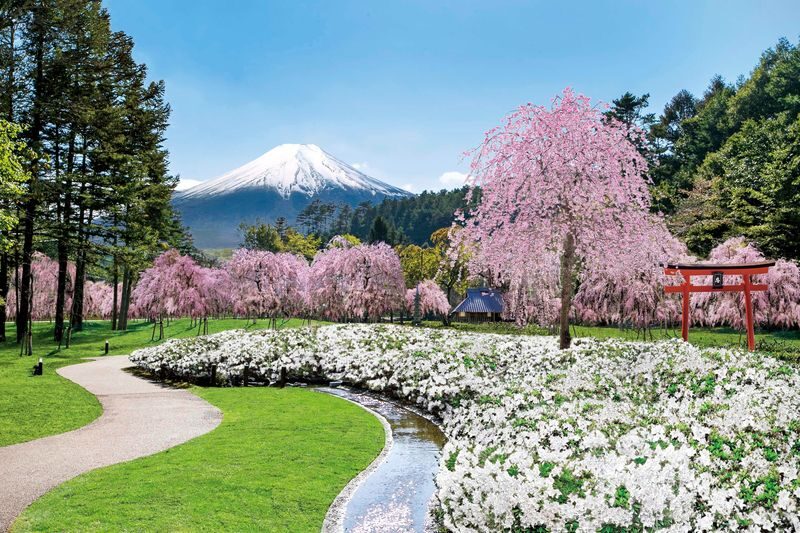
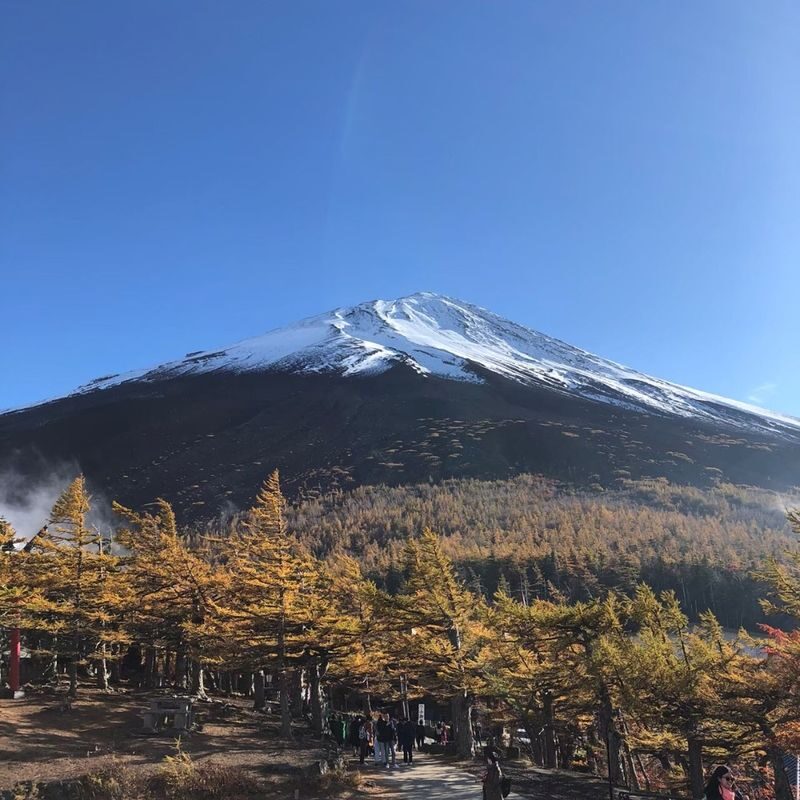
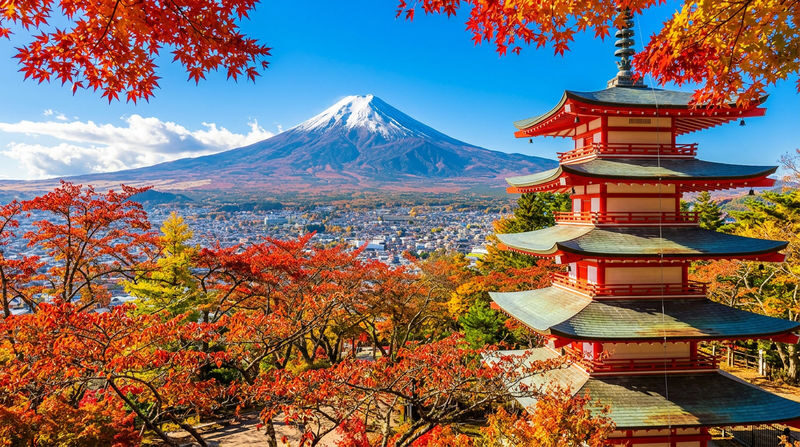
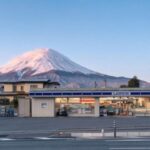
The planned visit is to the 5th Station, also called Sky Palace, at about 2,000 metres. This is a high mountain stop, not a summit climb. You get a chance to breathe the cooler air and look out over the surrounding scenery, with the possibility of seeing Fuji itself depending on cloud and visibility.
That last point matters. Fuji can hide behind cloud even when the day seems promising elsewhere, and weather or traffic regulations can prevent the coach from reaching the 5th Station. In that case, the tour may go only as far as the 4th Station or visit an alternative such as Oshino Hakkai. A road closure can also mean stopping at the highest point accessible that day.
Treat this stop as a chance, not a promise of a postcard view. Some departures have had clear views and cold conditions; others have encountered fog, rain or snow and could not reach the planned station. The guide may offer another place to see Fuji, but substitutes are not the same as standing high on the mountain.
Pack a layer even if Tokyo feels warm. The elevation and season can make the stop feel very different from the city, and some visitors have encountered below-freezing temperatures. If access is a priority, check the forecast close to departure, while remembering that even a clear forecast cannot guarantee visibility.
Lunch: convenient, but check the package
Lunch is not automatically included. The package choices include versions with a buffet and versions without one, so compare the exact option and price before booking. If you skip the meal add-on, budget time and money for food yourself; meals and drinks are otherwise listed as personal expenses.
The buffet is described as having one shared menu, with some dishes suitable for vegetarians and people seeking Muslim-friendly choices. It does not cater to vegan, halal, pure vegetarian, gluten-free or allergy-friendly requirements. If you have a strict dietary need, do not assume the buffet will work for you.
Past meals have drawn mixed impressions, from enjoyable Japanese food to a simple buffet with limited choices or food running short. The practical benefit is speed and convenience on a day with a tight schedule. The downside is limited control over the menu, especially if you have dietary restrictions.
Hakone Ropeway and Owakudani: the aerial highlight
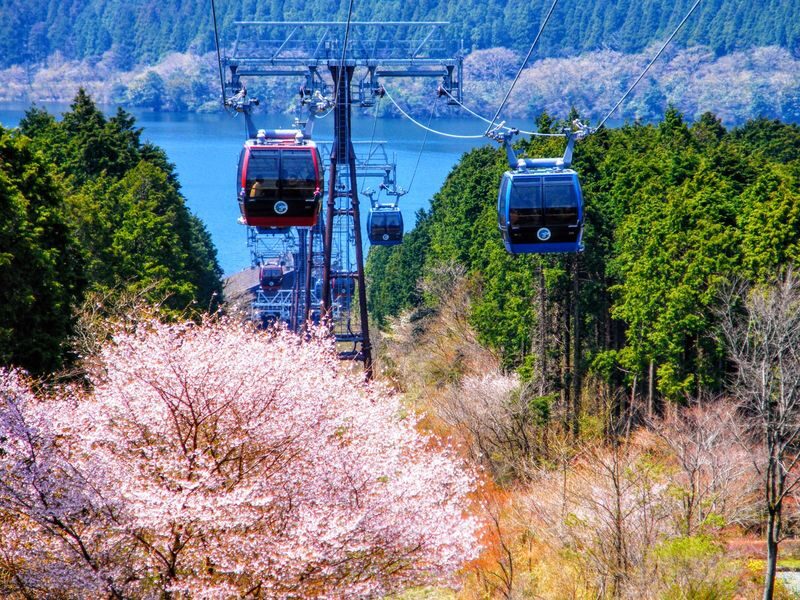
The Hakone Ropeway is one of the tour’s most memorable contrasts to the mountain station. From the cable car, you get a bird’s-eye view of Hakone’s natural terrain and, when visibility allows, Mt. Fuji. The route also gives a look toward Owakudani, an active volcanic area known for sulfur vents.
Owakudani can be a striking stop, but it is not a gentle garden stroll. Sulfur gas can have a strong smell, and access to parts of the valley may be restricted. The operator specifically cautions that volcanic gas can be harmful to pregnant participants, so take that warning seriously and follow the guide’s instructions.
The ropeway is vulnerable to wind, weather, crowding and service interruptions. Some departures have missed it because of bad weather or operational issues, and some have had schedule changes when traffic delayed the group. The tour may offer another stop or a small compensation, but it does not promise a refund if the planned activity cannot go ahead.
On selected days, the operator also reserves the right to change the day’s free activity if delays threaten the schedule. Possible alternatives listed include a Lake Yamanaka cruise, Odawara Castle, Oshino Hakkai, Hakone Shrine and other local sites. That flexibility can save the day from becoming a string of delays, but it means the precise route is not guaranteed.

Lake Ashi cruise: a calmer change of pace
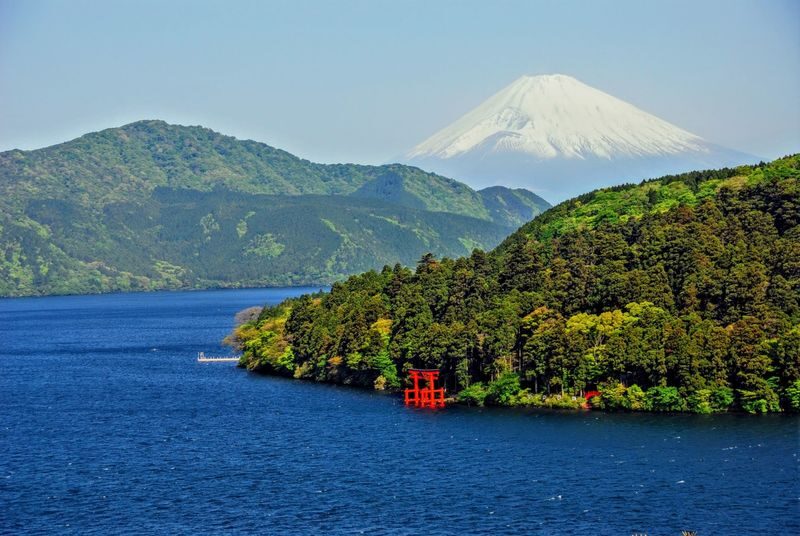
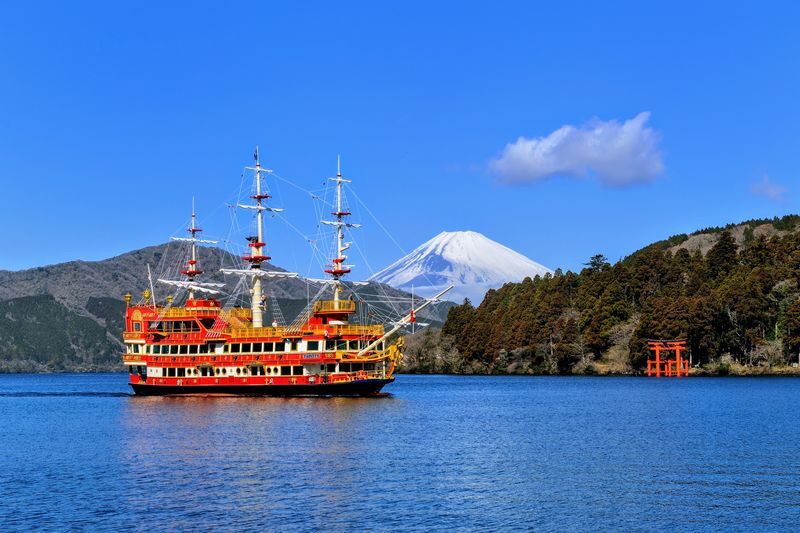
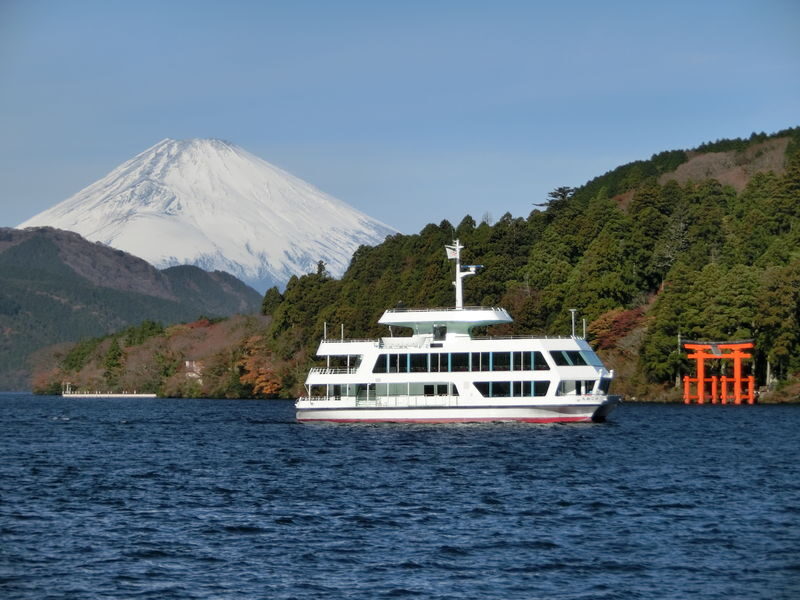
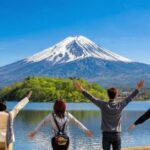
Lake Ashi is a caldera lake framed by Hakone’s hills. The included cruise gives you a break from the road and a different angle on the area, with views of the natural shoreline and Hakone Shrine. On a clear day, Fuji may appear in the distance, but clouds can block it.
The cruise is a sightseeing boat ride, not a long stay on the water. The scheduled outing can be shortened or changed if timing, weather or operations require it. Boat type can also vary, so do not count on a particular themed vessel; the important feature is the lake crossing and the views along the route.
I like this stop because it changes the pace of the day. After the coach and cable car, the water gives you time to sit back and take in the setting. Still, if the boat is the main reason you are booking, remember that the schedule may be tight and the ride can be brief.
The return: bus or Shinkansen
The return method depends on the package you choose. Bus options typically bring you back toward Tokyo, with the stated return around 6:50 p.m. Some options return by Shinkansen from Odawara, giving you a fast train ride for the final leg. The bullet train can be a welcome change after a long day on the road, but check exactly what your selected package includes.
On certain weekends, public holidays and listed dates, the tour finishes at Odawara Station instead of returning to the original Tokyo meeting area. The dates vary by year, so read the departure details carefully. You can choose a Shinkansen-return package or a bus option that ends at Odawara and make your own onward plans.
This distinction is easy to overlook when comparing prices. Confirm whether your choice includes the train ride, where the tour ends, and how you will get from there to your accommodation. The tour does not include extra drop-off service.
Is the price worth it?
Prices start at about $101.05, but the final cost depends on the departure point, return method and lunch choice. The value lies in combining a long-distance coach journey with a guide, ropeway admission and Lake Ashi cruise admission. If you were arranging the route yourself, you would need to coordinate transport between several areas and keep an eye on operating times.
The value is strongest when the main sights are open and traffic behaves. A clear Fuji view, a working ropeway and a full cruise make the day feel like a substantial outing. When weather or congestion removes one or more of those pieces, the same fare can feel steep, especially if you paid extra for lunch or the Shinkansen.
The tour’s 4.3 out of 5 rating across 177 reviews reflects that split: many departures earn praise for helpful guides and a satisfying mix of sights, while disrupted days can be frustrating. Guides such as Aya, Sora, Hiro and Lisa have been singled out for clear explanations, warmth and good group management. Some have also helped with practical onward travel questions, including how to handle the train connection.
The main weakness is not a lack of sights, but the limited control you have over them. The route is exposed to weather, road congestion and suspended services, and changes may come without a refund. If flexibility and certainty matter most, a private arrangement or a longer stay in the region gives you more control. If you want a straightforward overview in one day, this tour can be a sensible use of time.
Who should book this tour?
Book it if you have one open day in Tokyo, want to see both Fuji and Hakone, and are comfortable with a long coach outing. It suits people who value a guide and transport arranged in one package more than lingering at each stop. Families can bring children aged zero to three free if they do not need a separate seat or meal; book a child ticket if an infant needs a seat.
Skip it if you want guaranteed access to the 5th Station, a fixed ropeway ride or a leisurely pace. The route depends on conditions, and even a capable guide cannot clear traffic or clouds. Those with mobility needs can join, but wheelchairs have restrictions at some locations and an accompanying helper is required; mention a wheelchair or stroller during booking.
My verdict: This is a practical, ambitious day trip with a rewarding mix of mountain, volcanic and lakeside scenery when conditions cooperate. Choose it for convenience and variety, not for certainty or unhurried time. Before paying, confirm the lunch, departure point and return method, then go in ready for the itinerary to change.
Tokyo Mt Fuji 5th St & Hakone Cruise Bus Tour w/Bullet Train return option
“Happy with services offered by tour operator japan panoramic tour. Ontime, good service and day trip advisor Aya is experienced and provided good i…”
FAQ
How long is the tour?
The day is listed as approximately 11.5 hours, with a 7:20 a.m. departure and a return around 6:50 p.m. Traffic and weather can change the schedule.
Where does the Ginza departure meet?
Meet in front of Tokyo Metro Ginza Station Exit A13, outside Matsuya Ginza. Look for the green and white Japan Panoramic Tours flag and arrive five minutes before departure.
Does every package depart from Ginza?
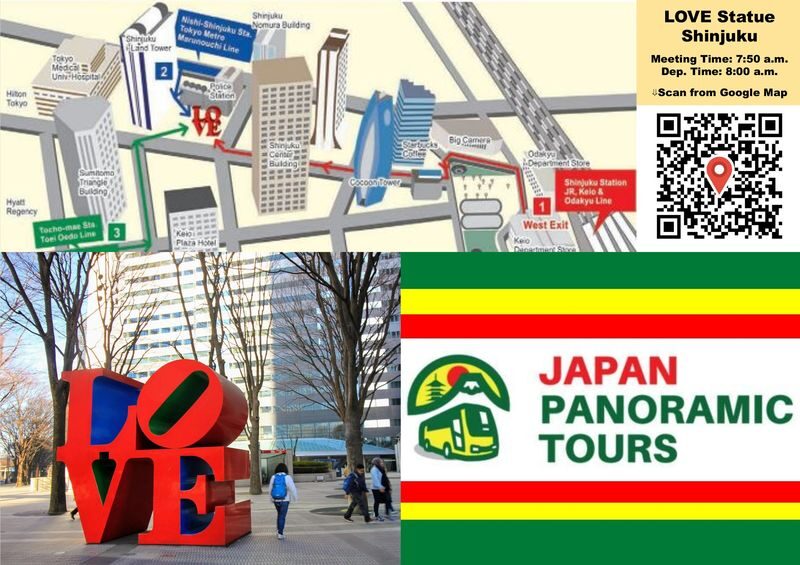
No. Package choices include departures from Ginza and from the Shinjuku Love statue. Check the exact departure point on the option you select.
Is lunch included?
Only in packages marked with lunch. Other packages do not include meals or drinks, so plan to pay for lunch yourself.
What happens if the tour cannot reach Mt. Fuji’s 5th Station?
The coach may go only as far as the 4th Station or visit an alternative such as Oshino Hakkai. If the road is closed, the group may go to the highest point accessible that day.
Are the Hakone Ropeway and Lake Ashi cruise included?
Admission to both is included. Weather, traffic or service suspensions can still lead to a change or cancellation of an activity.
Does the tour always return to Tokyo by bus?
No. Packages include bus-return and Shinkansen-return choices. On selected dates, some tours finish at Odawara Station, so check the return details before booking.
What languages are available?
A professional English-speaking guide leads the tour. Multilingual audio guidance is available in English, Spanish, French, Italian, German, Portuguese and Ukrainian.
Can children under four join?
Children aged zero to three can join free if they do not need a separate seat or meal. If an infant needs a separate seat, book a child ticket.
What if traffic or weather changes the route?
The operator may visit an alternative location or provide a gift as compensation, depending on the situation. Refunds are not given for these changes.