The best part of this Asakusa workshop is simple: you leave with chopsticks you made yourself, not another souvenir destined for a drawer. An English-speaking instructor guides you through the process, from a brief introduction to the careful sanding that gives your pair its final shape.
I like that the class combines traditional tools and practical handiwork with a useful take-home item. I also like its location near Sensoji Temple, so you can pair a short creative stop with time in one of Tokyo’s oldest districts.
One consideration: you’ll need patience for the sanding. It can feel slow at first, and the standard wood is included while premium wood costs extra. The exact class duration and the premium upgrade price are not specified, so check those details before booking if they matter to your plans.
- Key points to know before you book
- Making chopsticks by hand in Asakusa
- From first instructions to a finished pair
- Why the Asakusa address is useful
- What the price includes, and what it does not
- Who will enjoy this workshop most
- A few practical details to settle
- Should you book the Asakusa chopstick class?
- FAQ
- Where does the chopstick-making class take place?
- How do I get to the meeting point?
- Is the class taught in English?
- What is included in the price?
- Can I choose premium wood?
- Do I take the chopsticks home?
- Can children join the class?
- How early should I arrive?
- Can I cancel and get a refund?
- The Best Of Tokyo!
- More Workshops & Classes in Tokyo
- More Tours in Tokyo
- More Tour Reviews in Tokyo
Key points to know before you book
 1 / 8
 2 / 8
 3 / 8
 4 / 8
 5 / 8
 6 / 8
 7 / 8
 8 / 8
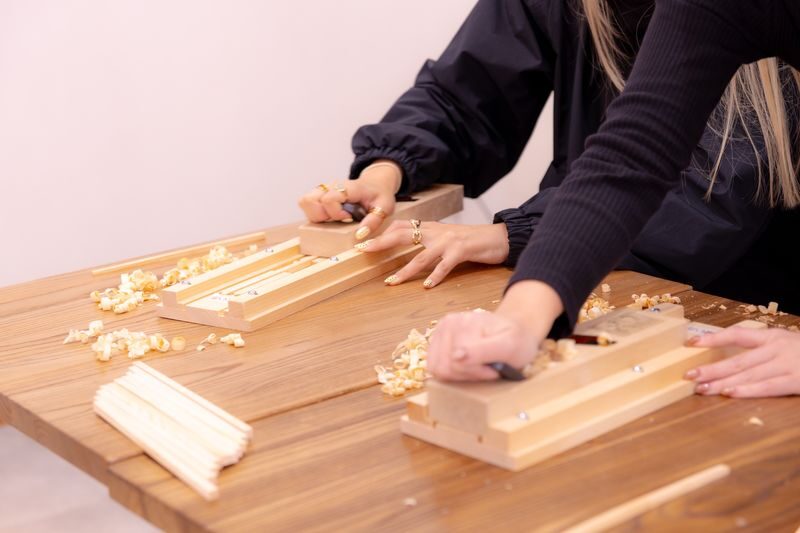
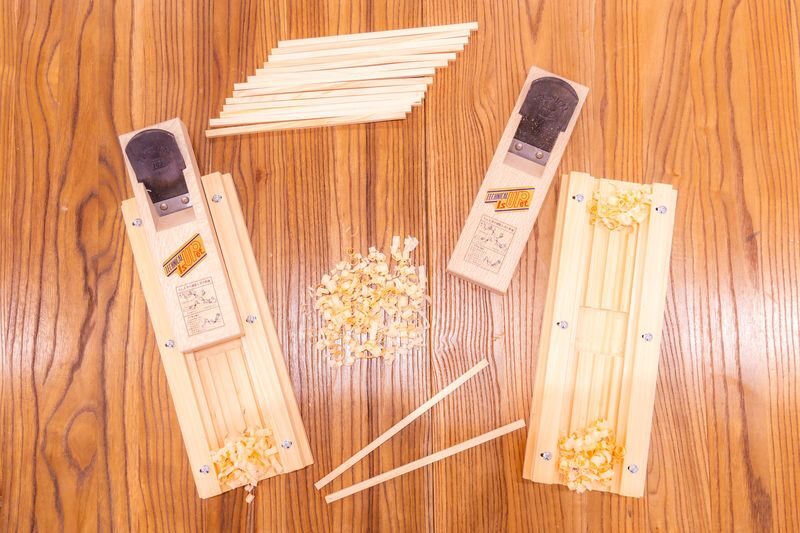
- You shape and sand your own wooden chopsticks, with help available as you work.
- English-speaking staff guide the class, and Kai, a master carpenter, is one named instructor. Staff may vary by session.
- Standard wood is included; premium wood can be selected on-site for an extra fee.
- The workshop is in Asakusa, a short walk from Asakusa Station and near Sensoji Temple.
- Children aged four and older pay the adult rate.
- Arrive five minutes early. Late arrivals and no-shows are not eligible for a refund.
👉 See our pick of the Our Picks For The 11 Best Workshops & Classes In Tokyo
Making chopsticks by hand in Asakusa
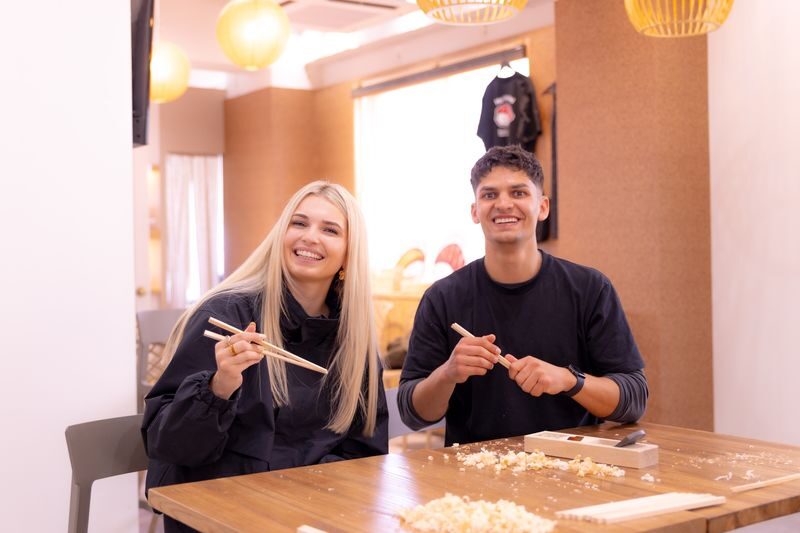
Chopsticks are a small, everyday object, which is part of what makes this activity appealing. Instead of buying a finished pair, you make one yourself and learn something about the care that goes into shaping it. The result is personal, useful, and easy to pack.
The workshop is held at Chopstick Making Tokyo, in the Kaminarimon area of Asakusa. English-speaking staff guide you through the work and aim to keep it welcoming and interactive. You do not need to arrive with woodworking experience. The point is to follow the instructor’s guidance and take your time.
A master carpenter named Kai has led sessions and can communicate in English, German, and Japanese. Since the staff member for your class is not guaranteed, treat Kai as a possible instructor rather than a sure thing. The experience does promise English-speaking staff, which is the key practical detail if you want instructions you can follow comfortably.
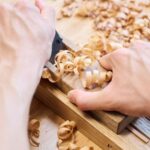
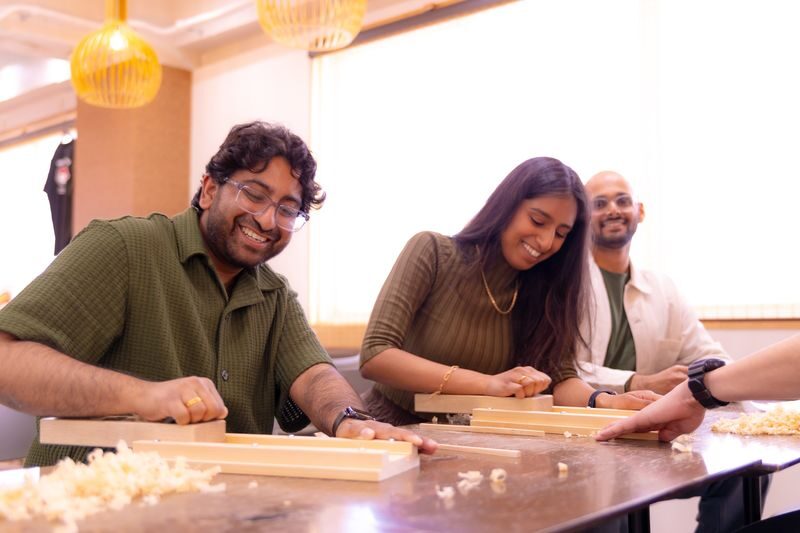
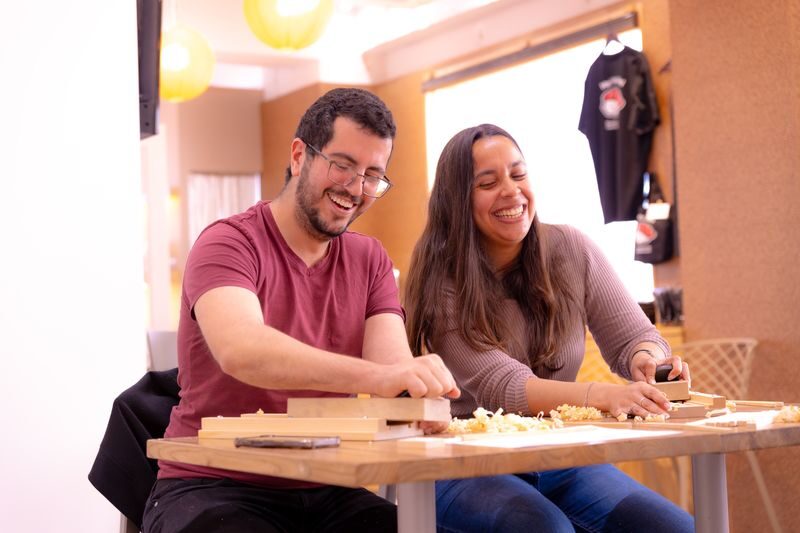
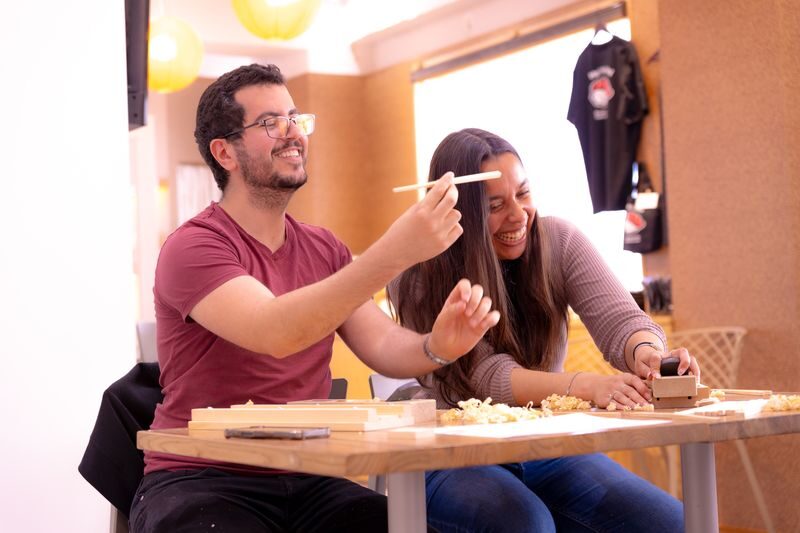
The work includes sanding, and that part calls for a steady pace. One participant found it slow at first, but also felt well supported, with staff keeping an eye on the group and offering help. That is useful to know: this is a hands-on craft activity, not a quick demonstration where you simply watch someone else make a pair.
You can also read our reviews of more tours and experiences in Tokyo

From first instructions to a finished pair
The class begins with a short introduction. You then start making your chopsticks, with the instructor guiding you through the process and offering help as needed. The workshop information highlights traditional Japanese tools, though it does not specify each tool or the exact sequence of steps.
Sanding is a central part of the experience. It takes attention, and the early stages may feel slow while you get used to the task. That pace can be a plus if you like making something with your hands. If you prefer fast-moving activities, it is worth keeping your expectations in check.
You can personalize the design, making the pair your own rather than a standard shop purchase. The precise design choices are not listed, so do not count on a particular pattern or finishing option without checking directly. What is clear is that you take home the chopsticks you make.
The instructor also introduces chopstick etiquette. That small lesson gives the activity more depth than a souvenir-making stop alone. You leave with a practical item and a bit more context for using it respectfully at the table.
Why the Asakusa address is useful
The workshop sits in historic Asakusa, close to Sensoji Temple and within a few minutes’ walk of Asakusa Station. That location makes it straightforward to fit into a day exploring the district, without setting aside time for a long trip across Tokyo just for the class.
Asakusa is known for its traditional atmosphere, and the craft fits the neighborhood well. You can make the workshop one stop in a broader visit, then head to Sensoji or explore the surrounding streets. Tokyo Skytree is also nearby, offering another landmark to consider for the same day.
Transport is not included, so plan your own route to the meeting point. The address is KAMINARIMON 8F, 2-chome-17-9 Kaminarimon, Taito City, Tokyo 111-0034. The meeting point is listed as Chopstick Making Tokyo. Arrive five minutes before your scheduled start; latecomers and no-shows cannot receive a refund.
What the price includes, and what it does not
The listed starting price is US$9.45 for the Chopstick Making package. At that level, the activity offers a low-cost way to try a local craft and bring home something you have made. The standard wood and the workshop are included, as is help from English-speaking staff.
The starting price does not cover transport or other personal expenses. You can choose a premium wood type on-site for an additional fee, but the amount is not specified. If wood choice matters to you, ask about the upgrade cost before deciding, and remember that the advertised starting price refers to the standard option.
Value here depends less on the length of the class, which is not stated, and more on what you want from a Tokyo activity. If you want a practical souvenir and a chance to try a traditional craft, the price is modest. If you want a long, detailed woodworking course, this short-format workshop may not match that goal; the class is described as an introduction and guided making activity.
The provider, Food Activity Japan Inc., has a broader record of 3,195 reviews and a 99 percent good review rate across its activities. That figure is not specific to this workshop, so use it as general context about the operator rather than a guarantee of exactly how your class will go.
Who will enjoy this workshop most
This is a good fit if you like making things, want a souvenir you can use, or are looking for an activity that gives your Asakusa visit a hands-on element. It can also work well for families: children aged four and older can take part, though they are charged the adult rate.
For a family, the main appeal is making an object together and getting support during the sanding. Keep in mind that each child may need patience and attention, and the details do not specify a separate child price or a special family package.
It also suits visitors who want an English-language activity. Staff speak English, and the environment is described as interactive and supportive. Kai, a master carpenter, has also communicated in German and Japanese, though you should not assume he will lead your particular session.
You might prefer another activity if you want a lot of sightseeing built into the booking, a meal, or transport. None is included here. This is a focused craft class, best paired with your own plans for Sensoji Temple and the surrounding Asakusa area.



A few practical details to settle
The voucher is valid only for the date and time specified, if a time is given. Confirmation is expected within minutes; if it does not arrive, contact customer support. You can cancel for a full refund if you do so at least 24 hours before the activity date, using local destination time.
No class duration or group size is provided, so allow room in your schedule rather than assuming you can make a tight connection afterward. The activity takes place at the stated address, and transport is your responsibility.
The price applies to children aged four and older at the same rate as adults. The details do not specify arrangements for children younger than four, so check with the provider if you are planning to bring a younger child.
Should you book the Asakusa chopstick class?
Book it if you want a modestly priced, hands-on activity that produces a useful souvenir and fits neatly into a day around Asakusa. The English-speaking guidance, included standard wood, and chance to learn a little etiquette make it more engaging than simply buying a pair in a shop.
Think twice if you have little patience for careful sanding, need a guaranteed instructor, or want a class with a published duration and a fully itemized choice of materials. The core offer is clear, but some details, including the premium wood surcharge and exact timing, are not.
For a relaxed craft stop near Sensoji, this is a sensible choice. Go in ready to work at an unhurried pace, arrive early, and treat the finished pair as the souvenir: not just something you picked up in Tokyo, but something you shaped there.
Chopstick Making Class in Tokyo
“Under Kai, the master carpenter, we communicated wonderfully in German, English, and Japanese. After a brief introduction, the family started worki…”
FAQ
Where does the chopstick-making class take place?
It takes place at Chopstick Making Tokyo, KAMINARIMON 8F, 2-chome-17-9 Kaminarimon, Taito City, Tokyo 111-0034.
How do I get to the meeting point?
The workshop is a few minutes’ walk from Asakusa Station and near Sensoji Temple. Transport is not included.
Is the class taught in English?
Yes. English-speaking staff guide the workshop. Kai, a master carpenter, is one named instructor, but the instructor for a specific session is not guaranteed.
What is included in the price?
The workshop and standard wood are included. Transport and other personal expenses are not included.
Can I choose premium wood?
Yes. Premium wood is available on-site for an extra fee. The amount of the fee is not specified.
Do I take the chopsticks home?
Yes. You make your own pair of wooden chopsticks and take it home as a handmade souvenir.
Can children join the class?
Children aged four and older can take part and are charged the same rate as adults.
How early should I arrive?
Arrive at the meeting point five minutes before the scheduled activity time. Late arrivals and no-shows cannot receive a refund.
Can I cancel and get a refund?
You can receive a full refund if you cancel at least 24 hours before the activity date, using Tokyo local time.