The unusual part of this Tokyo workshop is its setting: you learn bonsai at Shunkaen Bonsai Museum, among trees that include specimens said to be 1,200 years old. This is a chance to work with a professional artist in a place devoted to the craft, not just make a souvenir in a general-purpose studio.
I like two things in particular: the lesson pairs practical shaping and pruning with the ideas behind bonsai, and you can spend time in the museum before or after class. Past sessions have been led by an instructor named Ben, though you should not assume a particular teacher will be available.
One consideration: the bonsai you make is normally kept at the museum for continued care because of restrictions on transporting soil and live plants. The activity details also conflict over whether materials and tools are included, so confirm that point before booking.
- The workshop takes place at Shunkaen Bonsai Museum, where the collection is part of the experience, not just a backdrop.
- You’ll learn hands-on techniques, including pruning, shaping, and basic design principles.
- Instruction is available in English or Chinese, so choose your preferred language when booking.
- Beginners can participate, but the minimum age is 10.
- Expect to leave your bonsai at the museum unless you confirm an allowed take-home arrangement.
- The listed starting price is US$130.09, with transport and personal expenses not included.
- A bonsai lesson inside a working museum
- What you’ll learn at the worktable
- The museum is part of the itinerary
- Why your bonsai stays behind
- Price, value, and what to confirm
- Who will get the most from this class
- Booking details worth checking
- Should you book the Shunkaen bonsai workshop?
- FAQ
- Where does the bonsai workshop take place?
- What languages are available?
- Can beginners take the class?
- What is the minimum age?
- Can I take the bonsai I make home?
- Are tools and materials included?
- What is the cancellation policy?
- The Best Of Tokyo!
- More Tours in Tokyo
- More Tour Reviews in Tokyo
A bonsai lesson inside a working museum
 1 / 8
 2 / 8
 3 / 8
 4 / 8
 5 / 8
 6 / 8
 7 / 8
 8 / 8
Bonsai is often called living art, and the phrase makes sense once you consider what the craft asks of you. A tree is not simply trimmed into a fixed shape. Its form develops over time through careful decisions about branches, balance, and growth. This class gives you an introduction to those decisions, with a professional artist guiding the work.
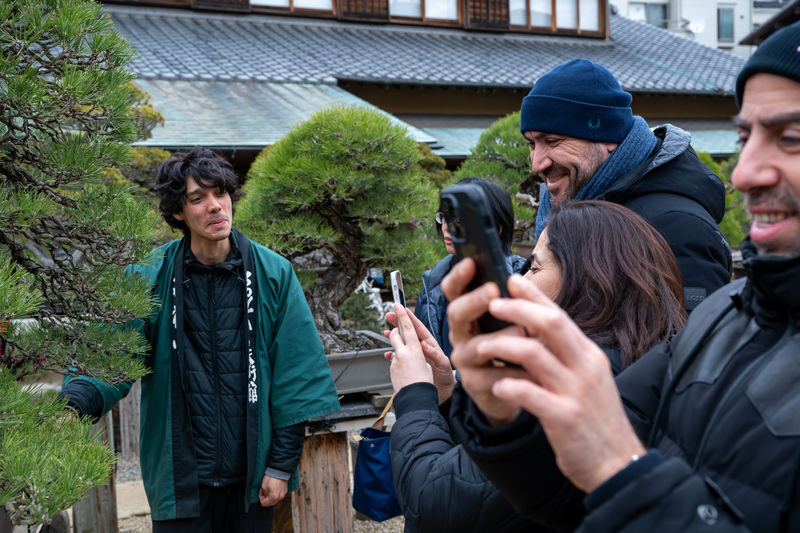
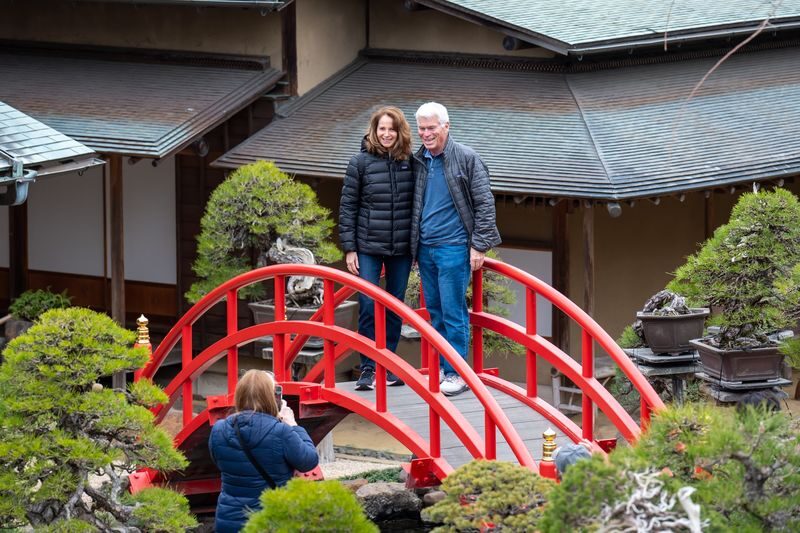
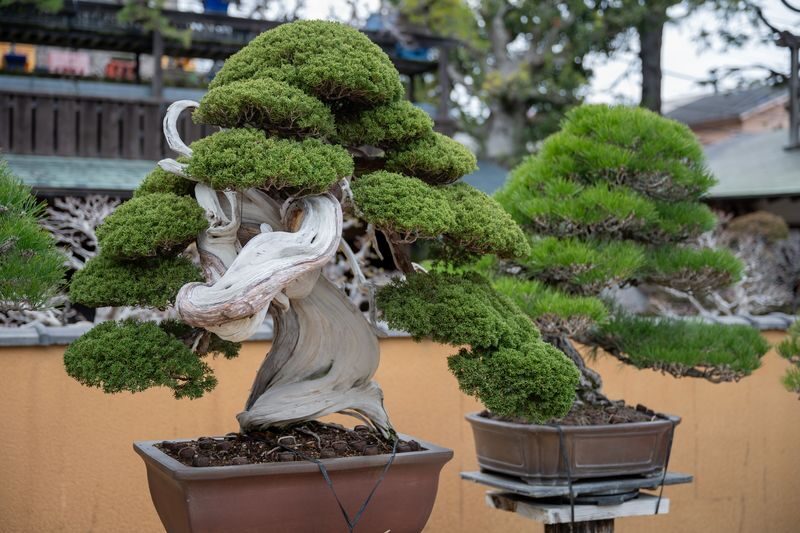
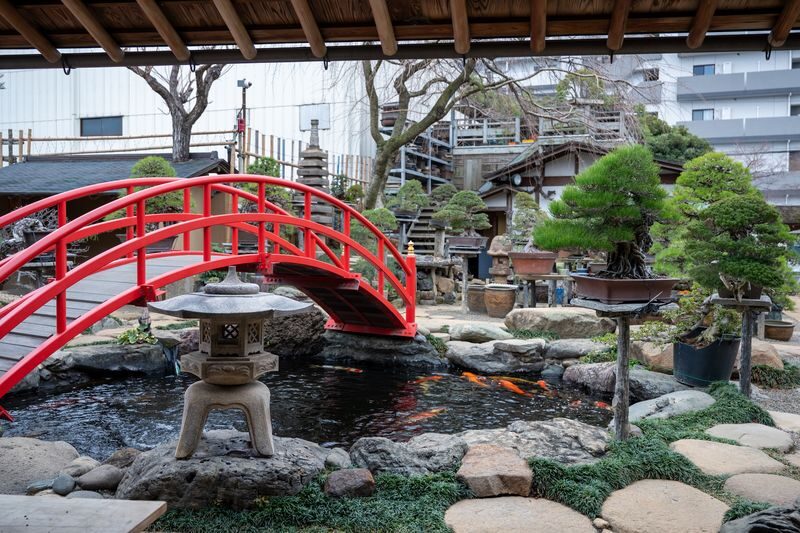
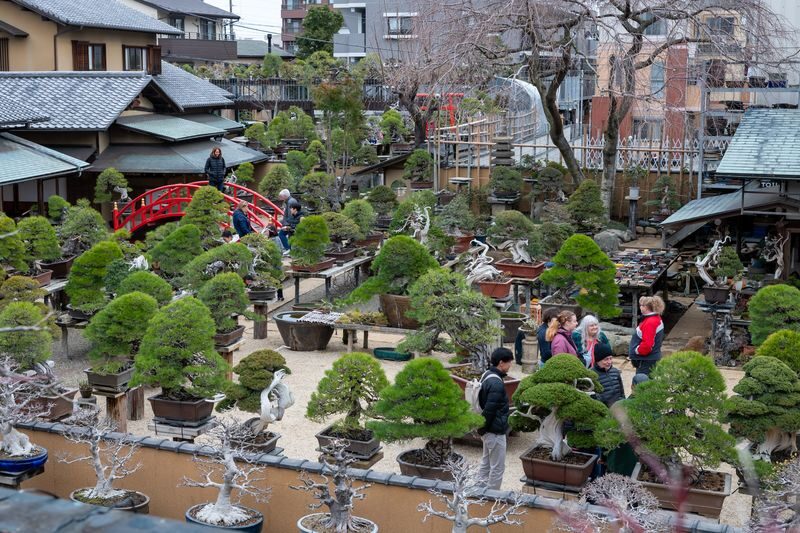
The venue matters. Shunkaen Bonsai Museum is a dedicated bonsai museum in Edogawa, Tokyo, at Niibori 1-29-16. Its collection includes trees described as hundreds of years old, and one recent visitor singled out examples said to be 1,200 years old. You’ll get to see the scale and patience of the art before trying to shape a miniature version yourself.
That setting makes the experience more than a craft class. You can connect the lesson’s basic design principles with mature trees that show what years of care can produce. The museum also has books on site, and master Kobayashi has been known to sign them personally. If a bonsai book would make a meaningful memento, you could ask about what is available during your visit.

👉 See our pick of the Our Picks For The 11 Best Workshops & Classes In Tokyo
What you’ll learn at the worktable
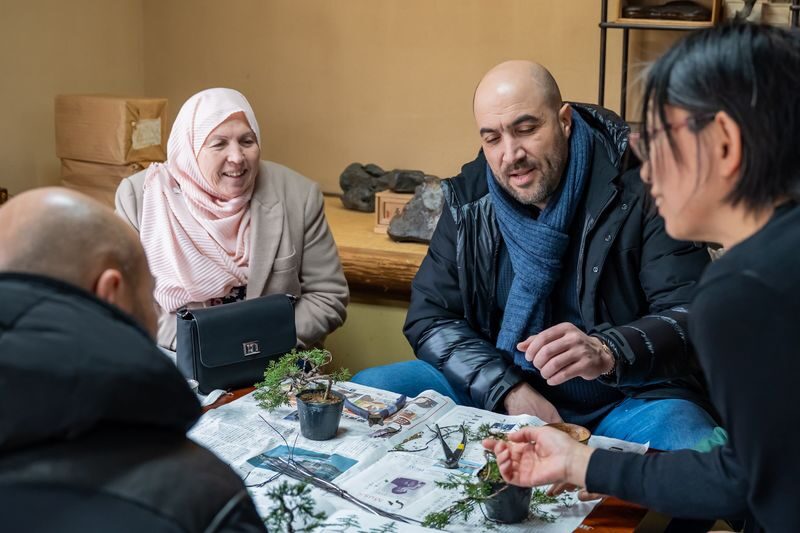
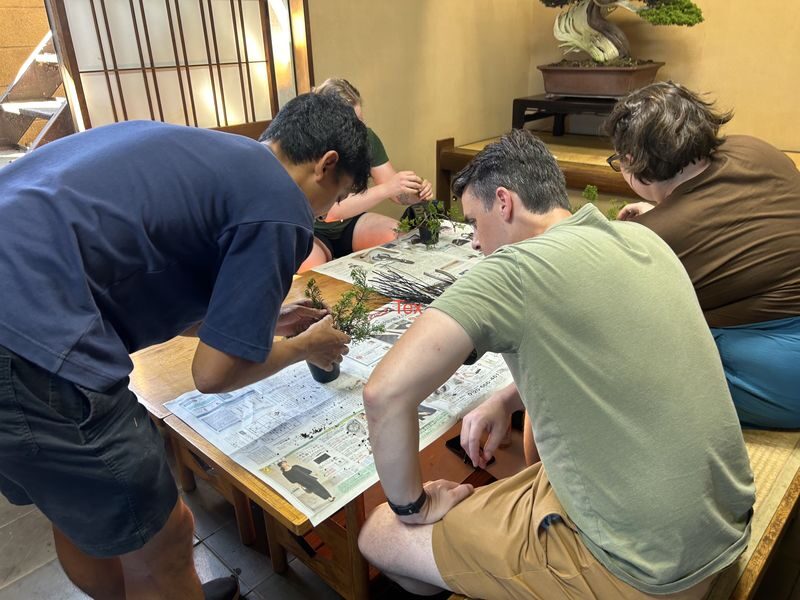
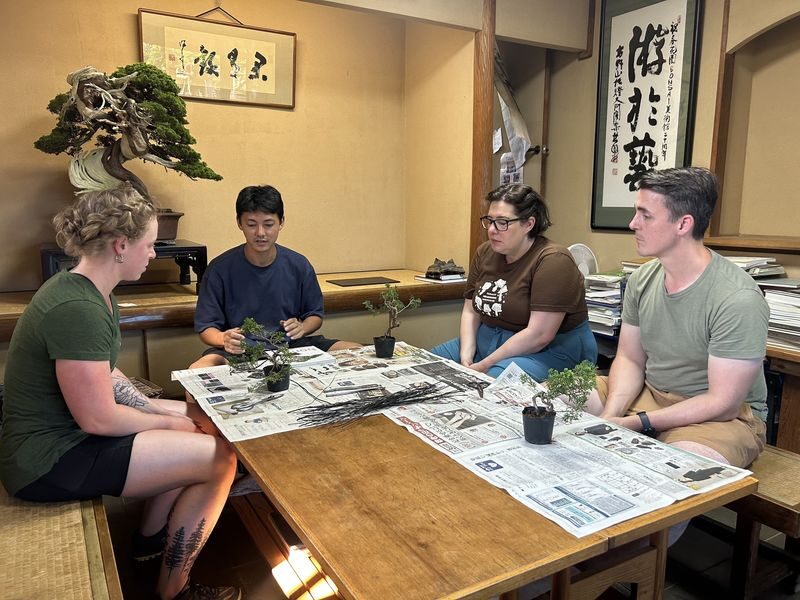
The class introduces the basics of bonsai, including pruning, shaping, and design. You’ll work on your own miniature tree, using the techniques and tools of the craft under an instructor’s direction. Beginners are welcome, so you do not need previous experience or a gardening background.
The practical lesson is only part of the point. Bonsai design asks you to think about the tree as a whole: how its shape reads, how its branches relate to one another, and how careful trimming can guide its appearance. The class also introduces the cultural philosophy behind bonsai and the long-term care that keeps the tree healthy.
I’d go in expecting an introduction, not a fast track to mastery. Bonsai is a long practice, and the museum’s old trees make that clear. A single session can teach you how to approach the work and give you a feel for the craft, but the tree’s future shape depends on ongoing care well beyond the class.
Instruction is listed in English or Chinese. Select your preferred language when booking rather than leaving it to chance. One past participant worked with Ben and appreciated his time and explanations; he is a useful name to know, but the available information does not promise that he will teach every session.
You can also read our reviews of more tours and experiences in Tokyo.



The museum is part of the itinerary
The meeting point is the museum reception, where the instructor greets you. There is a guided tour inside the attraction, as well as admission, so you can experience the collection alongside the workshop. The precise order and duration of the museum visit and class are not specified. Ask the operator if you need to plan around a tight schedule.
Give yourself enough time to look around rather than treating the museum as a quick stop before the hands-on portion. The trees are the strongest context for the lesson: you can compare the varied forms on display and think about the decisions that shape them. The collection is also a draw in its own right, especially if bonsai interests you beyond the novelty of making one.
The atmosphere is described as peaceful, and the museum’s Japanese aesthetic is a central part of its appeal. That makes this a good counterpoint to a Tokyo day built around busy shopping streets or major attractions. It is a quieter cultural activity, though the address is in Edogawa rather than at a central Tokyo landmark. Transport is not included, so work out your route separately and leave enough time to arrive at the reception.
Why your bonsai stays behind
The most important practical detail is also the one that may surprise you: the bonsai you create is expected to remain at the museum. International rules around soil and live plants make it difficult to take the tree home, and the museum can provide the ongoing care it needs.
That arrangement changes what you should expect from the finished project. You are paying for the lesson and the act of shaping a living tree, not necessarily for a plant to carry through customs or keep in your hotel room. If you want a physical souvenir, consider asking whether a book or another item is available at the museum.
There is one important wrinkle. A participant reported paying an extra 3,000 yen to take a bonsai home, but the general activity information says the tree stays at the museum because of international restrictions. Do not treat that extra option as guaranteed. Ask the operator in advance whether taking a tree is allowed for your destination, what it would cost, and whether it applies to your workshop.
Price, value, and what to confirm
The Bonsai Class starts at US$130.09. That is a significant price for a single activity, so its value depends on what you want from the visit. If you are interested in bonsai, the combination of instruction, museum admission, a guided visit, and time with a professional artist is more substantial than a simple make-and-take craft session.
The museum setting is a major part of the case for paying the price. You are learning in a place with a collection of old bonsai, including trees described as 1,200 years old. The lesson also covers cultural ideas and long-term care, which gives the activity more substance than a short demonstration alone.
But compare the price with your expectations. If your main goal is to leave with a finished bonsai, this may not suit you unless the museum confirms a take-home option. And while the activity description says tools and materials are provided, the booking details also place materials and tools under items not included. That contradiction needs clearing up before you pay. Ask directly whether the US$130.09 price covers all materials and tools.
Transport, hotel pickup and drop-off, personal expenses, and tips are not included. The venue address is in Edogawa-ku, and no transport service is offered, so your total cost will be higher if you need to arrange a separate ride or other connections. No class duration is provided, either. Confirm the schedule if you are fitting this around other plans.
Who will get the most from this class
I’d recommend the workshop to you if bonsai is already a genuine interest, or if you like cultural activities where you learn a skill and gain context at the same time. It is also a good fit for a curious beginner: the class is open to novices, and the museum helps explain why bonsai takes patience and care.
The minimum age is 10, which makes it an option for families with older children who are interested in plants and hands-on learning. Younger children cannot participate in the activity. The peaceful setting may appeal if you want a quieter few hours, but the workshop is not a general sightseeing tour of Tokyo. You need to be interested in bonsai to get full value from it.
The experience may be less suitable if your schedule is tight, you want a take-home object, or you are mainly looking for a quick activity near central Tokyo. The museum is in Edogawa, transport is your responsibility, and the tree usually stays behind. Those are not small details; they shape the whole decision.



Booking details worth checking
The listed package is the Bonsai Class, from US$130.09. Participants must be at least 10 years old. Choose English or Chinese instruction at booking, and remember that the voucher is valid only for the date and time specified.
Confirmation is expected within 48 hours. If it does not arrive, contact customer support. You can cancel for a full refund at least 24 hours before the activity date, using local time at the destination.
Before paying, I would confirm three points: whether the materials and tools are included, whether you can take the finished bonsai home, and how much time to set aside for the workshop and museum. Those answers will help you judge both the practical cost and whether the outing fits your Tokyo plans.
Should you book the Shunkaen bonsai workshop?
Book it if you want to understand bonsai through both practice and close observation, and you are comfortable leaving your creation at the museum. The setting, the professional instruction, and the old trees give the class a clear sense of place. You can come away with more than a shaped plant: a first grasp of the care and design choices behind the art.
Skip it, or ask more questions first, if taking home your bonsai is essential, you have little time for a trip to Edogawa, or the price feels high for an activity without a confirmed take-home tree. For bonsai enthusiasts and open-minded beginners, it looks like a thoughtful, unusual way to spend part of a Tokyo day. Just settle the materials question before booking.
Make Your Own Bonsai with a Professional Bonsai Artist in Tokyo
“It was a great experience! I learnt a lot about the art of bonsai from my teacher Ben. The garden and all bonsai are very beautiful and unique. I c…”
FAQ
Where does the bonsai workshop take place?
It takes place at Shunkaen Bonsai Museum, Niibori 1-29-16, Edogawa-ku, Tokyo. The instructor meets participants at reception.
What languages are available?
Instruction is available in English or Chinese. Select your preferred language when booking.
Can beginners take the class?
Yes. Beginners are welcome, and the class introduces bonsai basics such as pruning, shaping, and design principles.
What is the minimum age?
Participants must be at least 10 years old.
Can I take the bonsai I make home?
The bonsai normally remains at the museum for ongoing care because of international restrictions on soil and live plants. One participant reported paying an extra 3,000 yen to take a tree home, but you should confirm whether that is possible for your visit.
Are tools and materials included?
The activity information says tools and materials are provided, but the booking details also list them as not included. Confirm this with the operator before booking.
What is the cancellation policy?
You can receive a full refund if you cancel at least 24 hours before the activity date, based on local time at the destination.